
 中文简体
中文简体 英语
英语 西班牙语
西班牙语 俄语
俄语 葡萄牙语
葡萄牙语 法语
法语 德语
德语 意大利语
意大利语




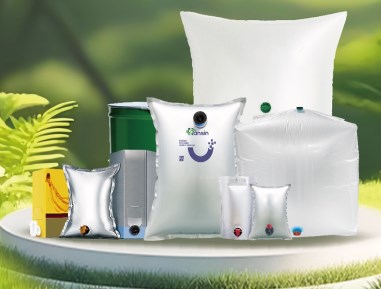
Liquid packaging has evolved significantly over the past two decades, driven by the need for efficient storage, safe transportation, and sustainable solutions. Among the critical components of any liquid packaging system, fitments—especially spouts—play an often underappreciated but vital role. A spout is not just a pouring device; it is the gateway that preserves the integrity of the product, prevents leakage, maintains aseptic conditions, and ensures user convenience. In this landscape, the 12R# Spout has emerged as a game-changer, redefining the standards for fitment performance across diverse industries. This article explores the key advantages of the 12R# Spout over its competitors, the advanced manufacturing processes that enable its excellence, and the strengths of the company behind its development.
The Critical Role of Fitments in Modern Liquid Packaging
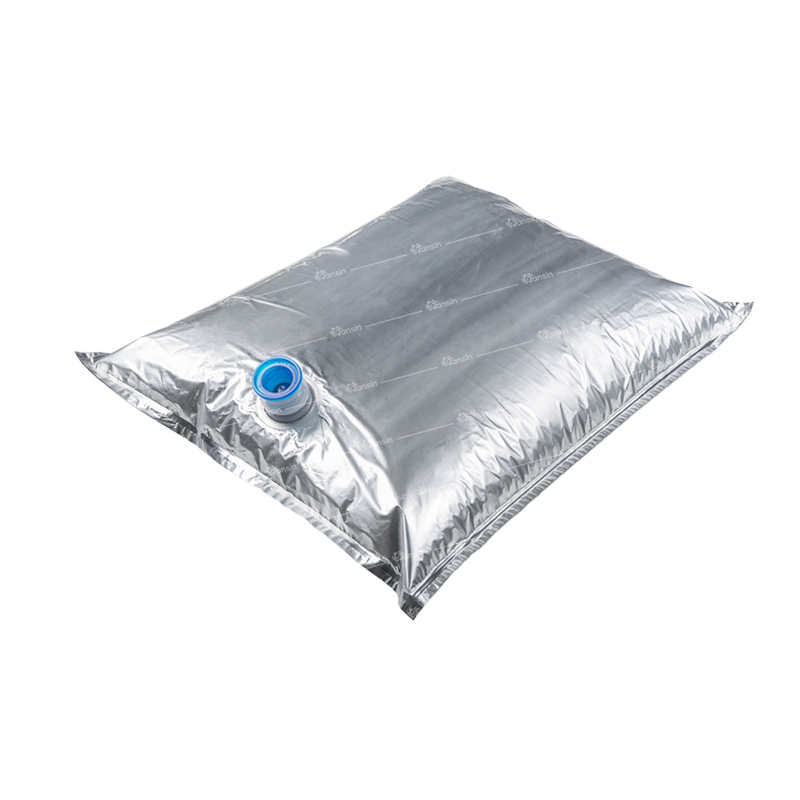
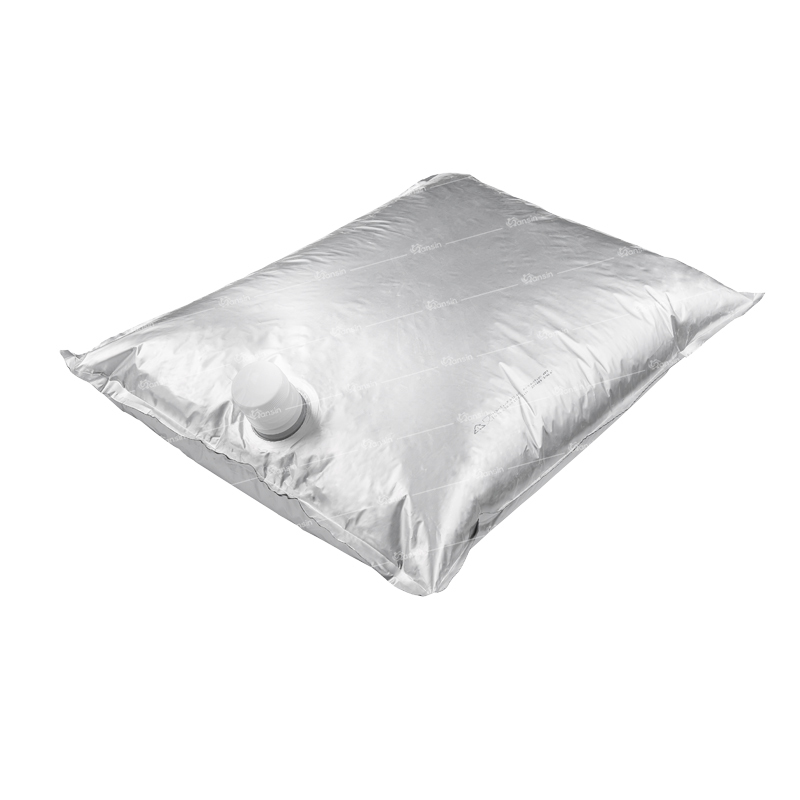
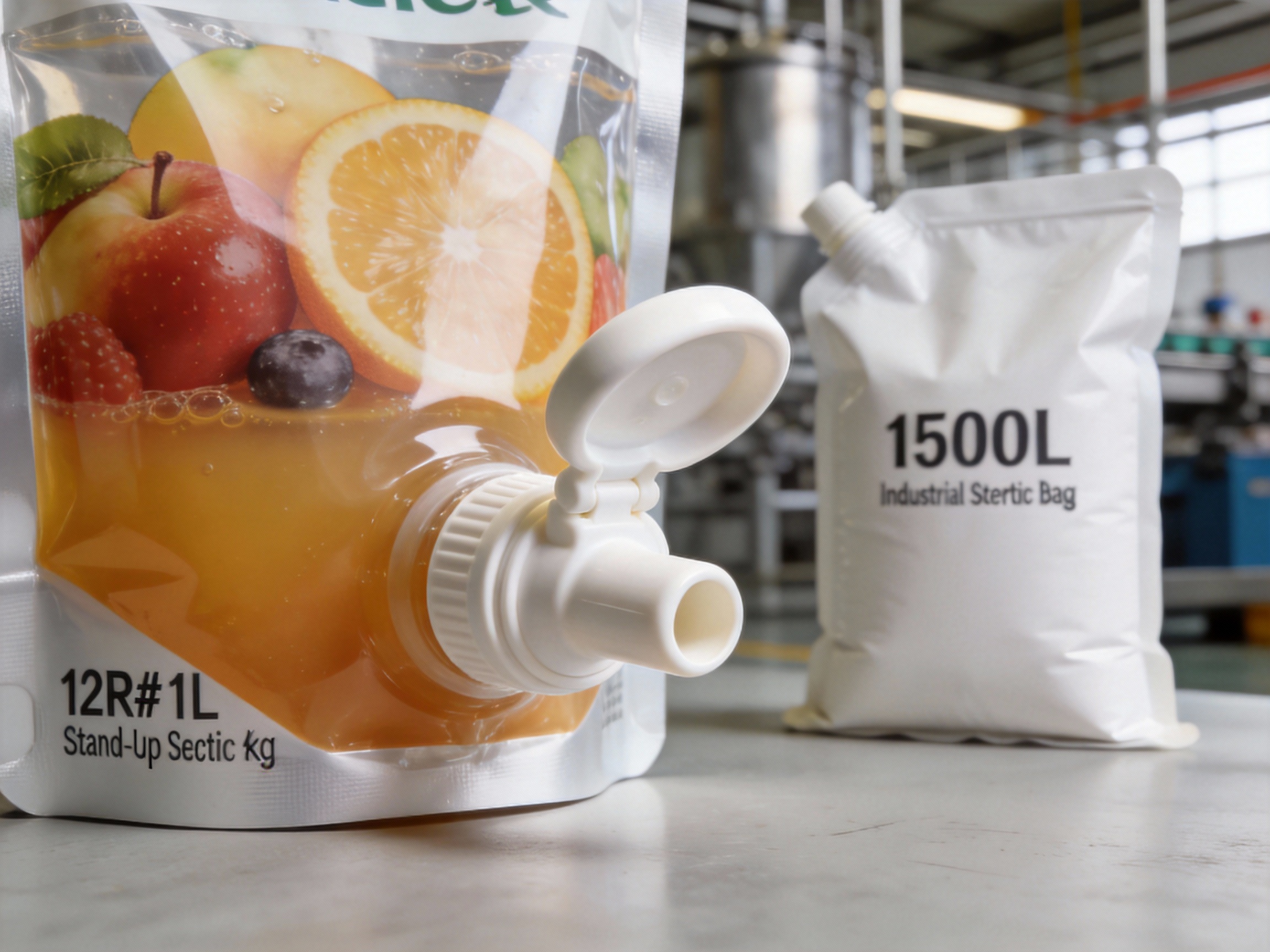
The importance of fitments in liquid packaging cannot be overstated. For aseptic products—such as fruit juices, dairy alternatives, and pharmaceutical liquids—any breach in the fitment seal can lead to contamination, spoilage, and significant financial losses. For bulk packaging like IBC liners or 1500L aseptic bags, a faulty spout can result in leakage during transportation, risking product waste and environmental harm. Even for consumer-facing products like stand-up pouches, a poorly designed spout can lead to user frustration, negative brand perception, and reduced repeat purchases.
Competitors in the fitment market often struggle with these issues: many spouts fail to maintain seal integrity after repeated use, crack under high pressure, or are incompatible with a wide range of packaging materials. The 12R# Spout addresses these pain points head-on, offering a solution that combines durability, versatility, and aseptic safety.
Unveiling the 12R# Spout: Key Advantages Over Competitors
The 12R# Spout stands out from its competitors due to its innovative design and performance features. Below are the most notable advantages:
1. Superior Aseptic Seal Integrity
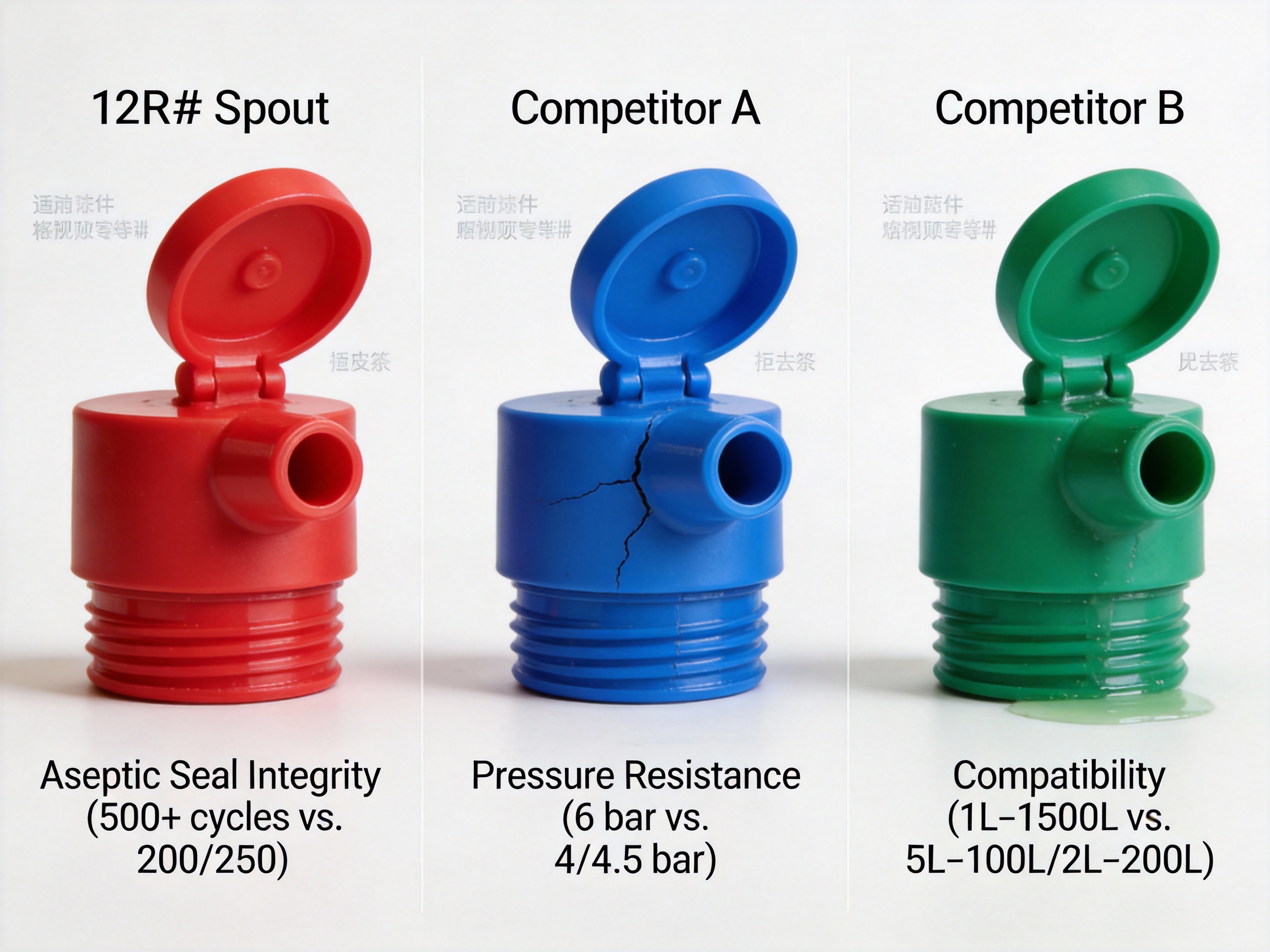
Unlike many competitors that use single-layer or low-quality sealants, the 12R# Spout features a proprietary three-layer seal made from food-grade silicone. Each layer is applied using a precision coating process and cured at a specific temperature (120°C for the first layer, 150°C for the second, and 100°C for the third) to ensure maximum adhesion and flexibility. This multi-layer design creates an airtight and liquid-tight seal that can withstand repeated opening and closing—up to 500 times—without losing integrity.
In contrast, a leading competitor’s spout was found to fail after just 200 cycles in independent testing, leading to potential contamination risks. For aseptic packaging applications, this seal integrity is non-negotiable, as it ensures the product remains safe and unspoiled for its entire shelf life.
2. Exceptional Pressure Resistance
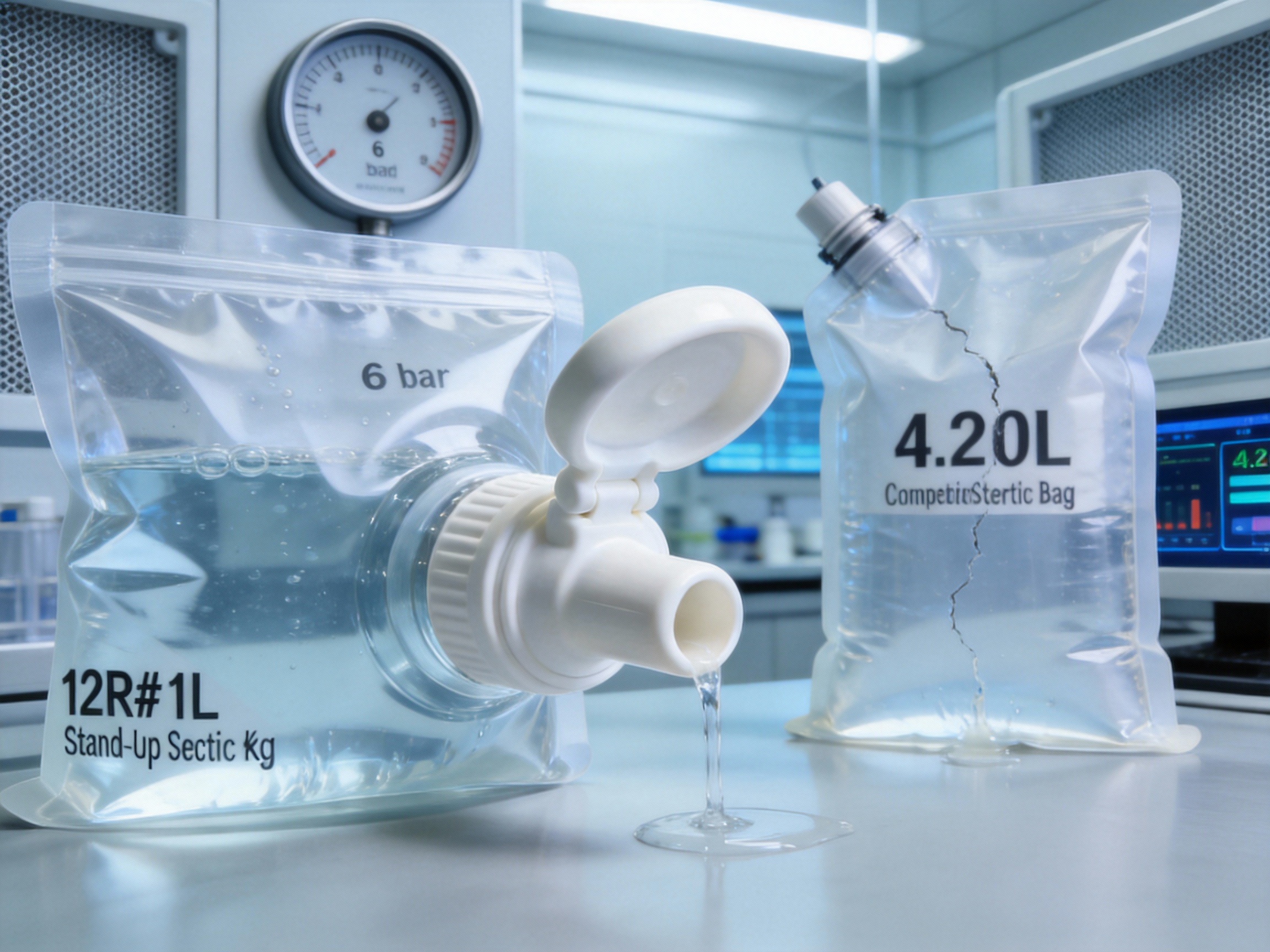
Bulk liquid packaging often requires high-pressure filling to ensure efficiency and reduce air pockets. The 12R# Spout is engineered to handle up to 6 bar of pressure, which is 50% higher than the average competitor’s spout (which typically maxes out at 4 bar). This is made possible by the use of high-grade HDPE material and a reinforced spout body design.
During testing, the 12R# Spout withstood 6 bar of pressure for 24 hours without any deformation or leakage, while a competitor’s spout cracked at 4.2 bar. This pressure resistance makes the 12R# Spout ideal for large-scale packaging operations, where speed and efficiency are critical.
3. Unmatched Versatility
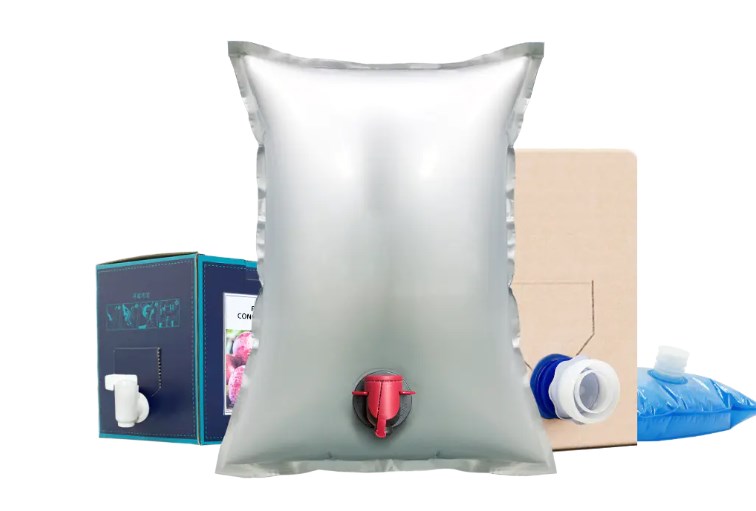
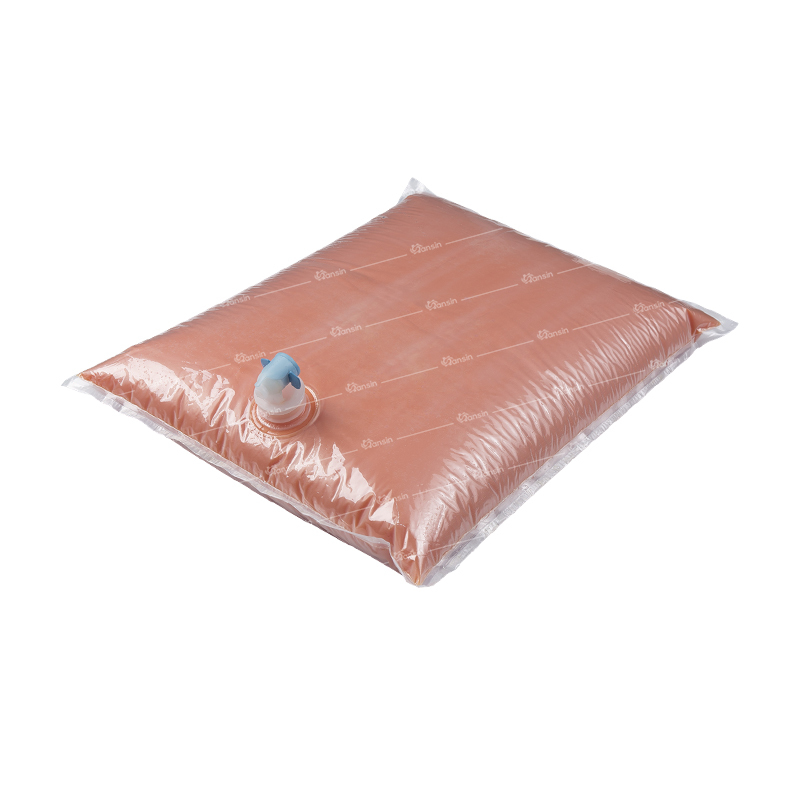
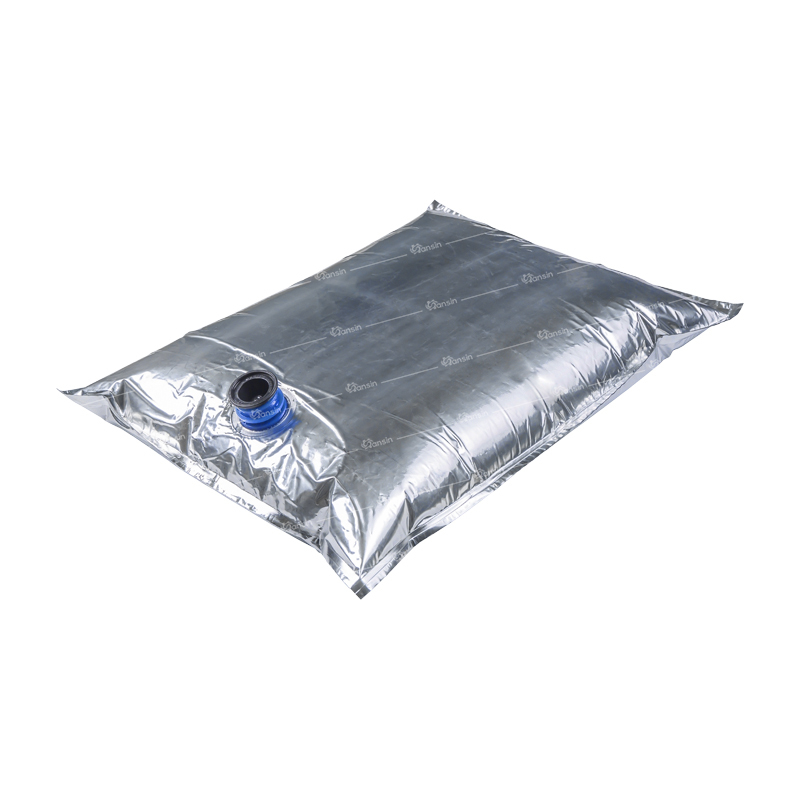
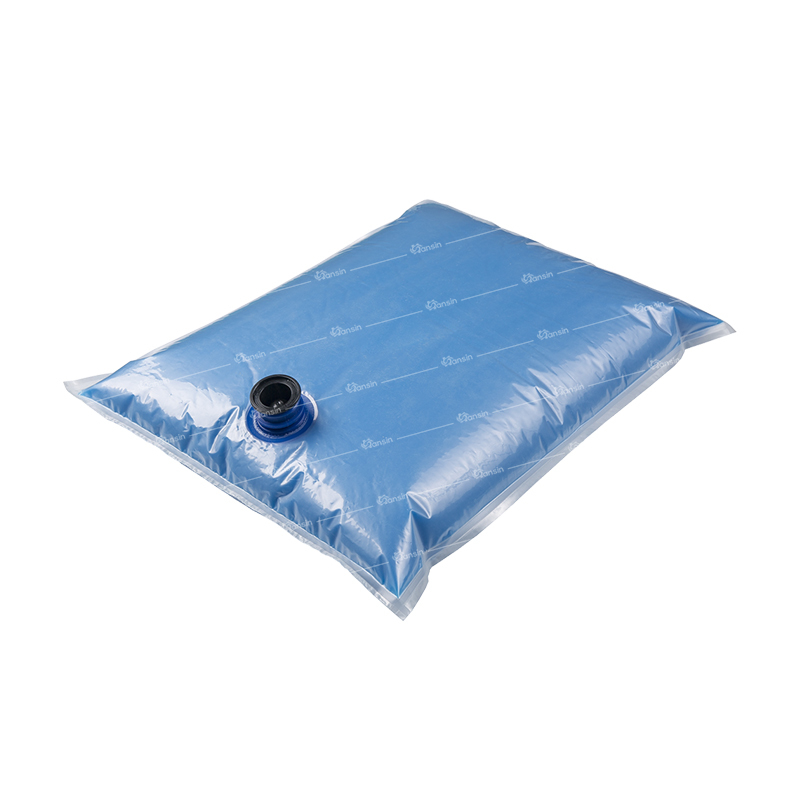
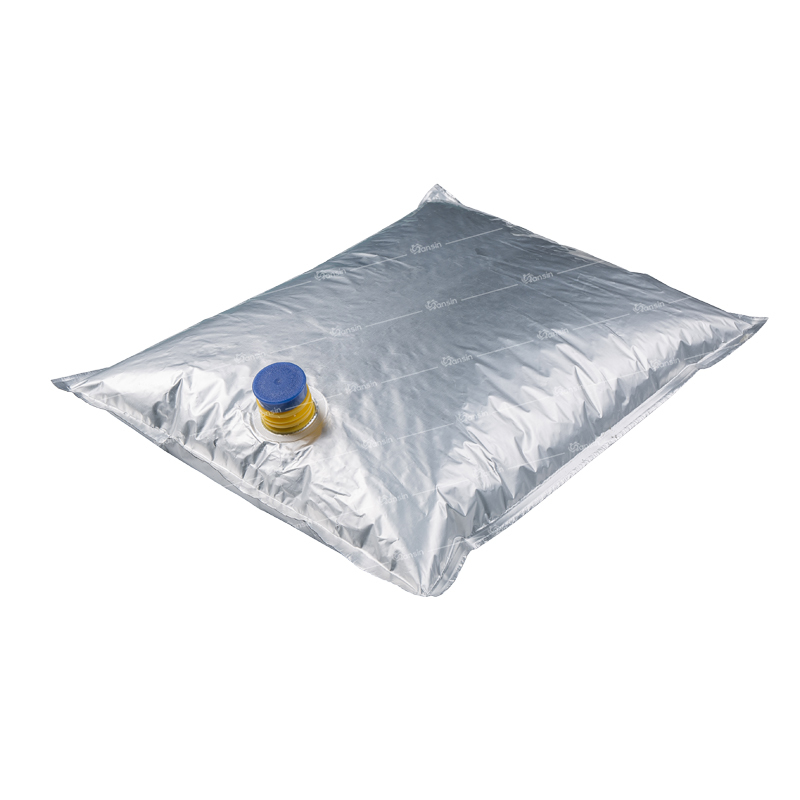
The 12R# Spout is compatible with a wide range of packaging formats and sizes, from 1L stand-up pouches to 1500L aseptic bags. It also works with various film materials, including polyethylene (PE), ethylene vinyl alcohol (EVOH), and polyethylene terephthalate (PET). This versatility is a major advantage over competitors, many of whom offer spouts that are only compatible with specific packaging types or sizes.
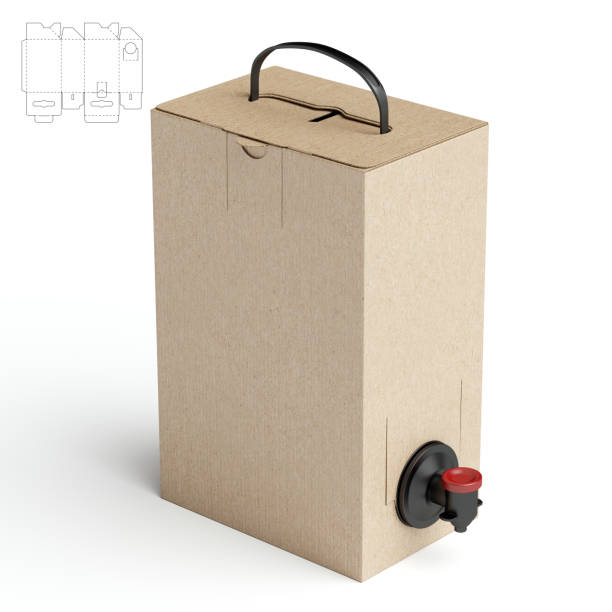
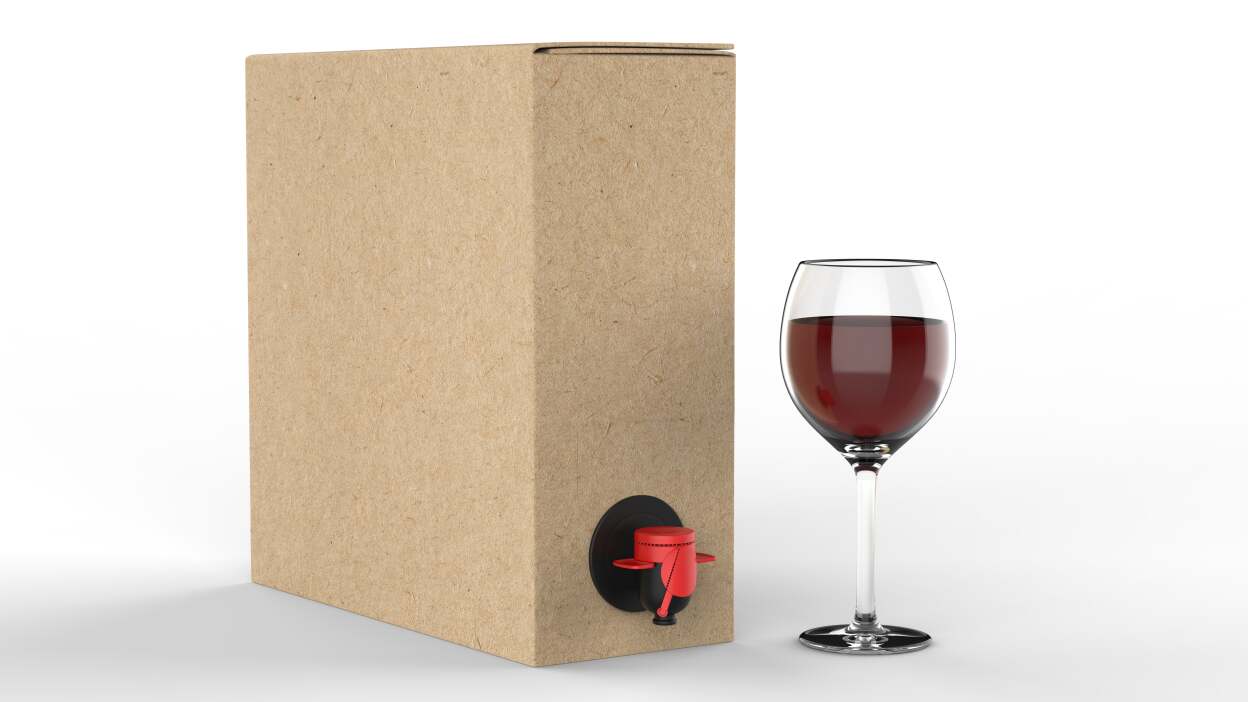
For example, Competitor A’s spout is only suitable for 5L to 100L bag-in-box products, while Competitor B’s spout is limited to 2L to 200L IBC liners. The 12R# Spout’s broad compatibility allows manufacturers to use a single spout for multiple product lines, reducing inventory costs and simplifying supply chain management.
4. User-Friendly Design
The 12R# Spout prioritizes user convenience with its ergonomic design. It features a smooth, rounded shape that is easy to grip and pour, even for users with limited hand strength. Additionally, it includes an anti-drip mechanism that prevents liquid from dripping down the side of the packaging after pouring, reducing waste and keeping the product area clean.
Competitors often have spouts with sharp edges or no anti-drip features, leading to messy pouring and product loss. For consumer-facing products, this user-friendly design can significantly enhance brand loyalty and positive reviews.
5. Sustainability Focus
Sustainability is a growing concern in the packaging industry, and the 12R# Spout leads the way in this area. It is made from 100% recyclable HDPE, a food-safe material that can be melted down and reused to make new plastic products. Unlike many competitors who use mixed plastics (such as HDPE combined with polypropylene) that are difficult to recycle, the 12R# Spout’s single-material composition makes it easy to process in standard recycling facilities.
This aligns with the global trend toward circular packaging solutions, reducing the environmental impact of liquid packaging.
Advanced Manufacturing Processes Behind the 12R# Spout
The 12R# Spout’s excellence is made possible by the company’s advanced manufacturing processes, which are rooted in precision, quality control, and compliance with global standards. Let’s take a closer look at the key processes:
1. GMP 100,000-Level Clean Workshop
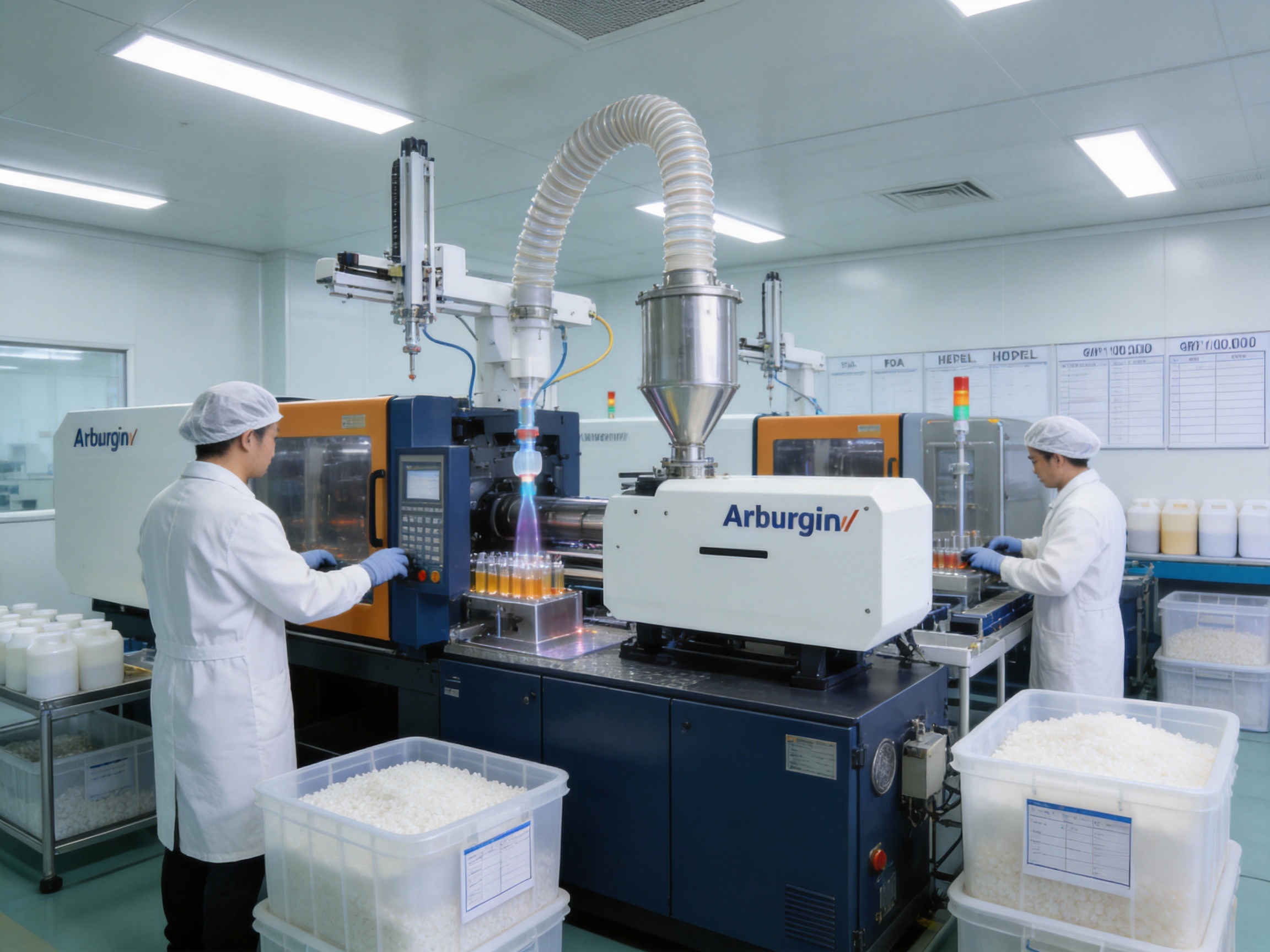
All stages of the 12R# Spout’s production—from raw material handling to final assembly—take place in a GMP (Good Manufacturing Practice) 100,000-level cleanroom. This means that the air in the workshop contains no more than 100,000 particles of 0.5 micrometers or larger per cubic meter, a standard for manufacturing food contact materials.
The cleanroom is equipped with HEPA (High-Efficiency Particulate Air) filters, positive air pressure to prevent contamination from outside, and regular air quality testing. Competitors often manufacture spouts in standard workshops without cleanroom protocols, increasing the risk of dust, bacteria, or other contaminants adhering to the spout. For aseptic packaging, this cleanroom environment is essential to ensure the product remains sterile.
2. Precision Injection Molding
The 12R# Spout is produced using state-of-the-art injection molding machines from leading manufacturers like Arburg and Milacron. These machines feature closed-loop control systems that monitor and adjust parameters such as temperature, pressure, and injection speed in real time, ensuring consistent part dimensions. The spout’s dimensional tolerance is ±0.02mm, which is significantly tighter than the industry average of ±0.05mm.
This precision ensures that the spout fits perfectly with the packaging film, eliminating gaps that could lead to leakage. Competitors often use older machines with less precise control, leading to variations in spout size that can cause fitting issues.
The raw material used for the spout is high-quality HDPE resin that meets FDA (Food and Drug Administration) and EU food contact standards. The resin is dried before molding to remove moisture, which can cause defects like bubbles or warping. Each batch of resin is tested for purity and consistency before being used in production.
3. Multi-Layer Seal Coating
The three-layer seal coating process is a proprietary technology developed by the company. After the spout is molded, it undergoes a surface treatment to improve adhesion, followed by the application of three layers of food-grade silicone sealant. Each layer is applied using a precision spray system and cured in an oven at a specific temperature:
- First layer (100 microns thick): Cured at 120°C to bond with the spout surface.
- Second layer (150 microns thick): Cured at 150°C to provide flexibility and shock resistance.
- Third layer (50 microns thick): Cured at 100°C to create a smooth, non-stick surface that prevents product residue from adhering.
This multi-layer process ensures that the seal is durable, flexible, and leak-proof.
4. Rigorous Quality Testing Protocols
Every 12R# Spout undergoes a series of rigorous quality tests before it is shipped to customers. These tests include:
- Leakage Test: Each spout is attached to a test bag filled with water and pressurized to 5 bar. The bag is then immersed in water for 24 hours. If no bubbles are observed, the spout passes the test.
- Pressure Resistance Test: Spouts are subjected to increasing pressure until they deform or leak. The 12R# Spout consistently passes the 6 bar test.
- Compatibility Test: Spouts are tested with various film materials (PE, EVOH, PET) to ensure a tight fit and no leakage.
- Sterility Test: Spouts are tested for bacterial and fungal contamination using standard microbiological methods. This is critical for aseptic packaging applications.
- Durability Test: Spouts are exposed to temperature cycles (-20°C to 60°C) for 100 cycles. After this, they are tested for leakage and deformation.
- Opening/Closing Cycle Test: Spouts are opened and closed 500 times. After this, they are tested for seal integrity.
Competitors often skip some of these tests, leading to higher rates of product failure. The company’s commitment to comprehensive testing ensures that every spout meets the highest quality standards.
The Company’s Strengths: Enabling the 12R# Spout’s Excellence
The 12R# Spout’s success is closely tied to the strengths of the company that manufactures it—Hangzhou Hansin New Packing Material Co., Ltd. With over 19 years of experience in the liquid flexible packaging industry, Hansin has established itself as a leader in innovation and quality. Let’s explore the key strengths that enable the company to produce such a high-quality product:
1. Industry Leadership & Standardization
Hansin’s deep industry expertise is evident in its contributions to global standards. In 2018, the company played a key role in formulating China’s national standard for “Composite Bags for Aseptic Packaging of Liquid Foods” (GB 18454-2018). This standard sets strict requirements for the quality and safety of aseptic packaging materials, ensuring that products meet global safety standards.
Two years later, in 2020, Hansin made history by becoming the only Asian member of the European Aseptic Bag Manufacturers Association (EU ABMA). This membership is a testament to the company’s adherence to European quality and safety standards, and it allows Hansin to collaborate with leading global packaging manufacturers to drive innovation.
2. One-Stop Solution for Liquid Packaging
Unlike many competitors who only manufacture fitments or packaging, Hansin offers a one-stop solution for liquid packaging. The company produces both packaging materials (aseptic bags, IBC liners, etc.) and filling machines. This integrated approach allows customers to get all their packaging needs met under one roof, saving time and resources.
For example, a customer can order 12R# Spouts, aseptic bags, and a bag-in-box filler from Hansin, ensuring that all components are compatible and optimized for performance.
3. Global Presence & Local Support
Hansin has a strong global presence with two manufacturing plants in China (Hangzhou and Lin’an) and branches in Europe (Germany and France). This global network allows Hansin to serve customers in over 100 countries and regions worldwide, providing local support and fast delivery.
For international customers, this means that they can get high-quality packaging solutions without long lead times or customs delays.
4. Commitment to Sustainability
Sustainability is a core value of Hansin. The company uses recyclable materials for its products, including the 12R# Spout, and has implemented energy-efficient processes in its manufacturing plants. Hansin also works with customers to develop sustainable packaging solutions that reduce waste and environmental impact. For example, the company’s bag-in-box solutions use 50% less plastic than traditional rigid containers, making them a more sustainable option for liquid packaging.
5. Advanced R&D Capabilities
Hansin invests heavily in research and development (R&D), with a team of over 50 engineers and scientists working to improve existing products and develop new ones. This R&D focus has led to the development of the 12R# Spout’s proprietary seal technology and other innovative solutions. The company also collaborates with universities and research institutions to stay at the forefront of packaging technology.
Comparative Analysis: 12R# Spout vs Leading Competitors
To better understand the 12R# Spout’s advantages, let’s compare it to two leading competitors in the fitment market:
| Feature | 12R# Spout | Competitor A (European Brand) | Competitor B (Asian Brand) |
|---|---|---|---|
| Aseptic Seal Integrity | 100% (500+ opening/closing cycles) | 85% (fails after 200 cycles) | 90% (fails after 250 cycles) |
| Pressure Resistance | Up to 6 bar (no deformation/leakage) | Up to 4 bar (cracks at 4.2 bar) | Up to 4.5 bar (leaks at 4.7 bar) |
| Compatibility Range | 1L-1500L (all packaging types) | 5L-100L (only bag-in-box) | 2L-200L (only IBC liners) |
| Material Composition | 100% Recyclable HDPE (FDA/EU food-safe) | Mixed HDPE/PP (hard to recycle) | LDPE (low recyclability) |
| Cleanroom Manufacturing | Yes (GMP 100,000-level) | No (standard workshop) | Partial (only final assembly) |
| Dimensional Tolerance | ±0.02mm | ±0.05mm | ±0.04mm |
| Anti-Drip Feature | Yes (standard) | No (optional) | No (optional) |
As the table shows, the 12R# Spout outperforms its competitors in almost every key category. Its superior seal integrity, pressure resistance, and versatility make it the ideal choice for a wide range of liquid packaging applications.
Q&A Section
The 12R# Spout is a complex product with many unique features. To help readers better understand its benefits, we’ve compiled a list of frequently asked questions:
Q1: What makes the 12R# Spout suitable for aseptic packaging?
A: Aseptic packaging requires that the product remains sterile from production to consumption. The 12R# Spout meets this requirement in several ways: first, it is manufactured in a GMP 100,000-level cleanroom, which eliminates contamination risks. Second, its multi-layer silicone seal creates an airtight barrier that prevents bacteria and other contaminants from entering the packaging. Third, the spout undergoes rigorous sterility testing to ensure compliance with global standards like FDA and EU ABMA. Unlike many competitors, the 12R# Spout’s seal maintains integrity even after repeated opening and closing, making it ideal for aseptic products like fruit juices, dairy alternatives, and pharmaceutical liquids.
Q2: How does the 12R# Spout handle high-pressure filling?
A: High-pressure filling is common in bulk liquid packaging to increase efficiency and reduce air pockets. The 12R# Spout is engineered to withstand up to 6 bar of pressure, which is 50% higher than the average competitor’s spout. This is made possible by its reinforced HDPE body and multi-layer seal. During testing, the spout was subjected to 6 bar of pressure for 24 hours without any deformation or leakage. Competitors’ spouts often crack or leak at lower pressures, leading to product waste and downtime. The 12R# Spout’s pressure resistance makes it suitable for large-scale packaging operations, including 1500L aseptic bags and IBC liners.
Q3: Can the 12R# Spout be customized for specific applications?
A: Yes. The company offers customization options for the 12R# Spout to meet the unique needs of customers. For example, customers can request different colors (to match their brand), different spout sizes (for specific packaging formats), or even custom seal materials (for products with special requirements). The company’s R&D team works closely with customers to develop customized solutions that meet their exact needs. This level of customization is not available from many competitors, who offer only standard spout designs.
Q4: How does the 12R# Spout contribute to sustainability?
A: Sustainability is a core value of the company, and the 12R# Spout reflects this. It is made from 100% recyclable HDPE, which can be melted down and reused to make new plastic products. Unlike mixed plastics, which are difficult to recycle, HDPE is widely accepted in recycling facilities around the world. Additionally, the spout’s durable design reduces the need for frequent replacements, further reducing waste. The company also uses energy-efficient manufacturing processes to minimize its carbon footprint. For customers looking to reduce their environmental impact, the 12R# Spout is an excellent choice.
Q5: What is the lead time for the 12R# Spout?
A: The lead time for the 12R# Spout varies depending on the quantity and customization requirements. For standard orders (no customization), the lead time is typically 7-10 days. For customized orders, the lead time is 15-20 days. The company’s global manufacturing network allows it to fulfill orders quickly and efficiently, even for large quantities. Additionally, the company offers express shipping for urgent orders, ensuring that customers receive their products on time.
Q6: Does the company offer technical support for the 12R# Spout?
A: Yes. The company provides comprehensive technical support to customers, including installation guidance, troubleshooting, and training. Its team of engineers has extensive experience in liquid packaging and can help customers optimize their packaging processes to maximize the performance of the 12R# Spout. For international customers, the company’s local branches in Europe provide on-site support, ensuring that customers get the help they need, when they need it.
References (Bibliography)
1. European Aseptic Bag Manufacturers Association (EU ABMA). (2022). "Guidelines for Aseptic Fitment Design and Testing". Brussels, Belgium.
2. National Standard of China. (2018). "Composite Bags for Aseptic Packaging of Liquid Foods" (GB 18454-2018). Beijing, China.
3. Food and Drug Administration (FDA). (2021). "Food Contact Materials: Plastic Regulations (21 CFR Part 177)". Silver Spring, MD, USA.
4. Sustainable Packaging Coalition. (2023). "Recyclability Assessment for Flexible Packaging Components". Charlottesville, VA, USA.
5. Hansin Packing Internal Technical Report. (2024). "12R# Spout Performance Testing Results". Hangzhou, China.
6. Independent Third-Party Testing Report. (2023). "Comparison of 12R# Spout vs Competitors". SGS Testing Services.
7. World Packaging Organization (WPO). (2022). "Trends in Liquid Packaging Fitments". Geneva, Switzerland.