
 中文简体
中文简体 英语
英语 西班牙语
西班牙语 俄语
俄语 葡萄牙语
葡萄牙语 法语
法语 德语
德语 意大利语
意大利语




The global liquid food industry grapples with a paradox: meeting rising demand for safe, nutritious products while minimizing environmental impact and operational costs. Rigid containers—glass bottles, plastic jugs—once dominated, but their limitations (weight, breakability, poor barrier performance, high carbon footprints) have spurred a search for better alternatives. Enter the high-barrier aseptic bag-in-box (BIB): a flexible packaging solution that redefines liquid storage by combining unrivaled protection, extended shelf life, and sustainability. This article explores how this technology transforms the industry, focusing on its competitive advantages, advanced manufacturing processes, real-world applications, and future potential.
What Is High-Barrier Aseptic Bag-In-Box (BIB)?
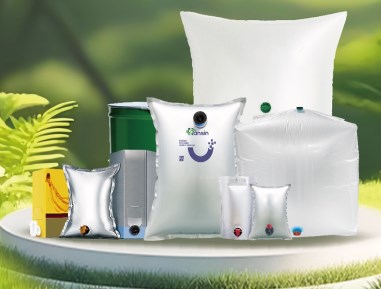
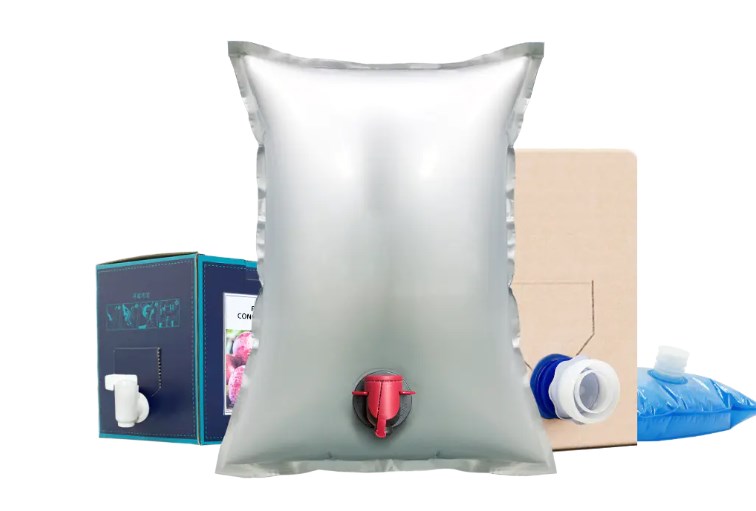
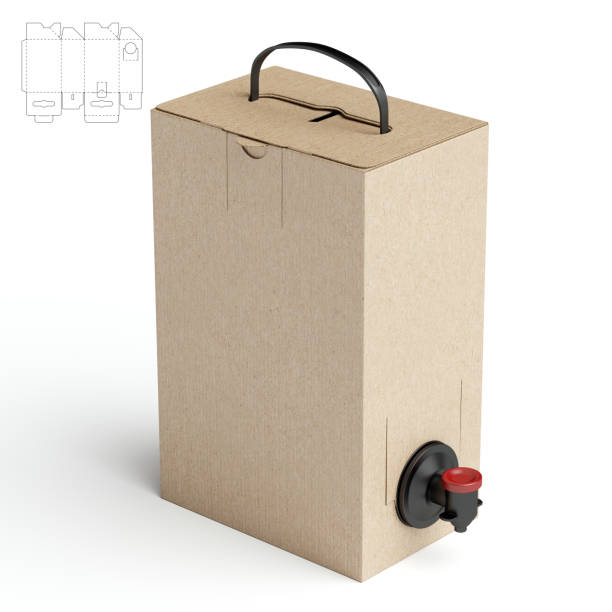
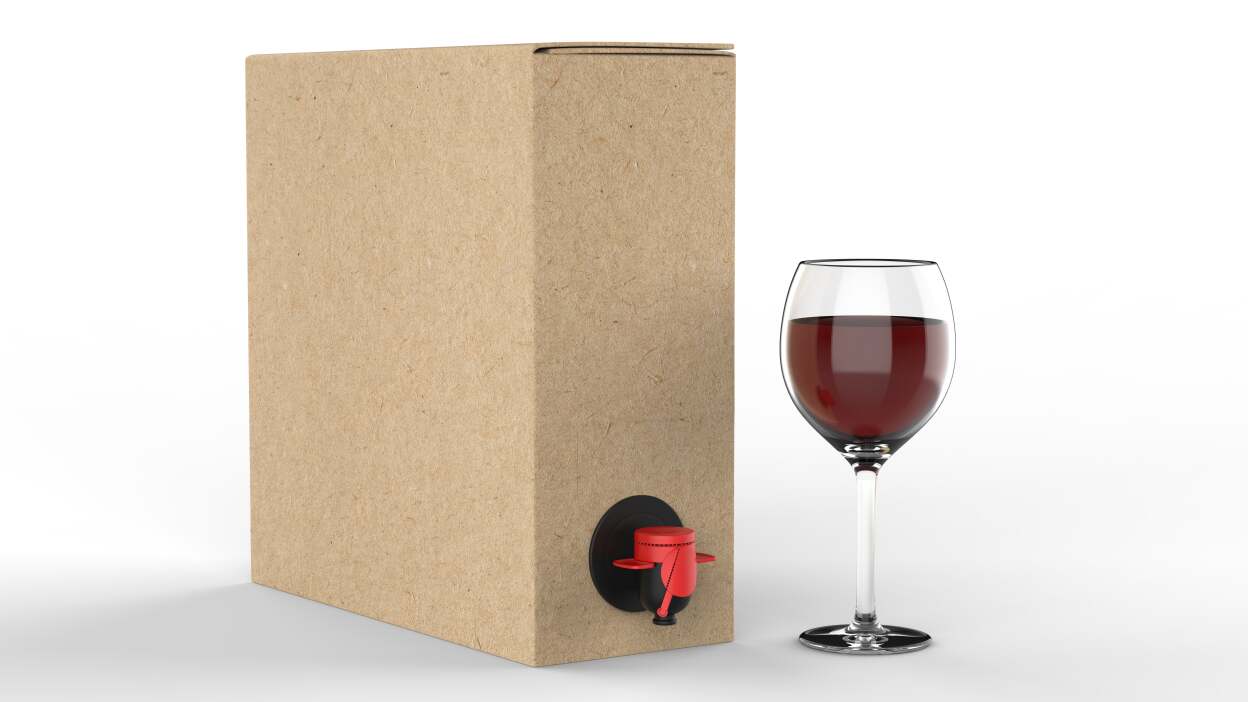
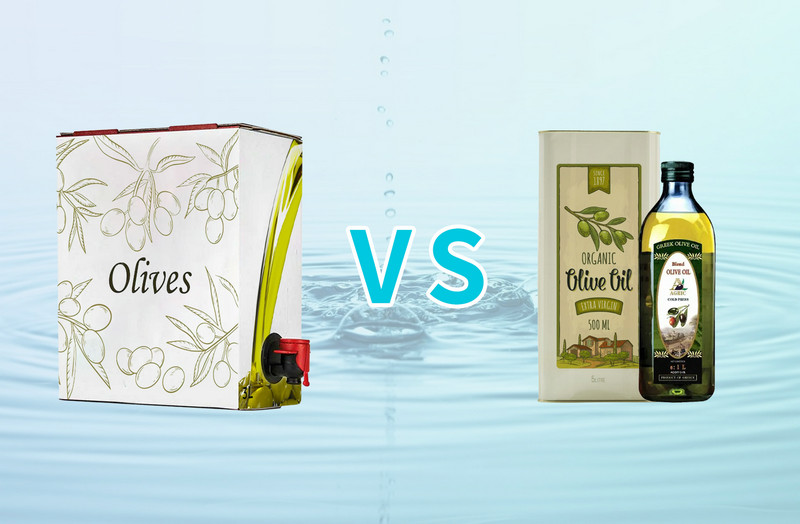
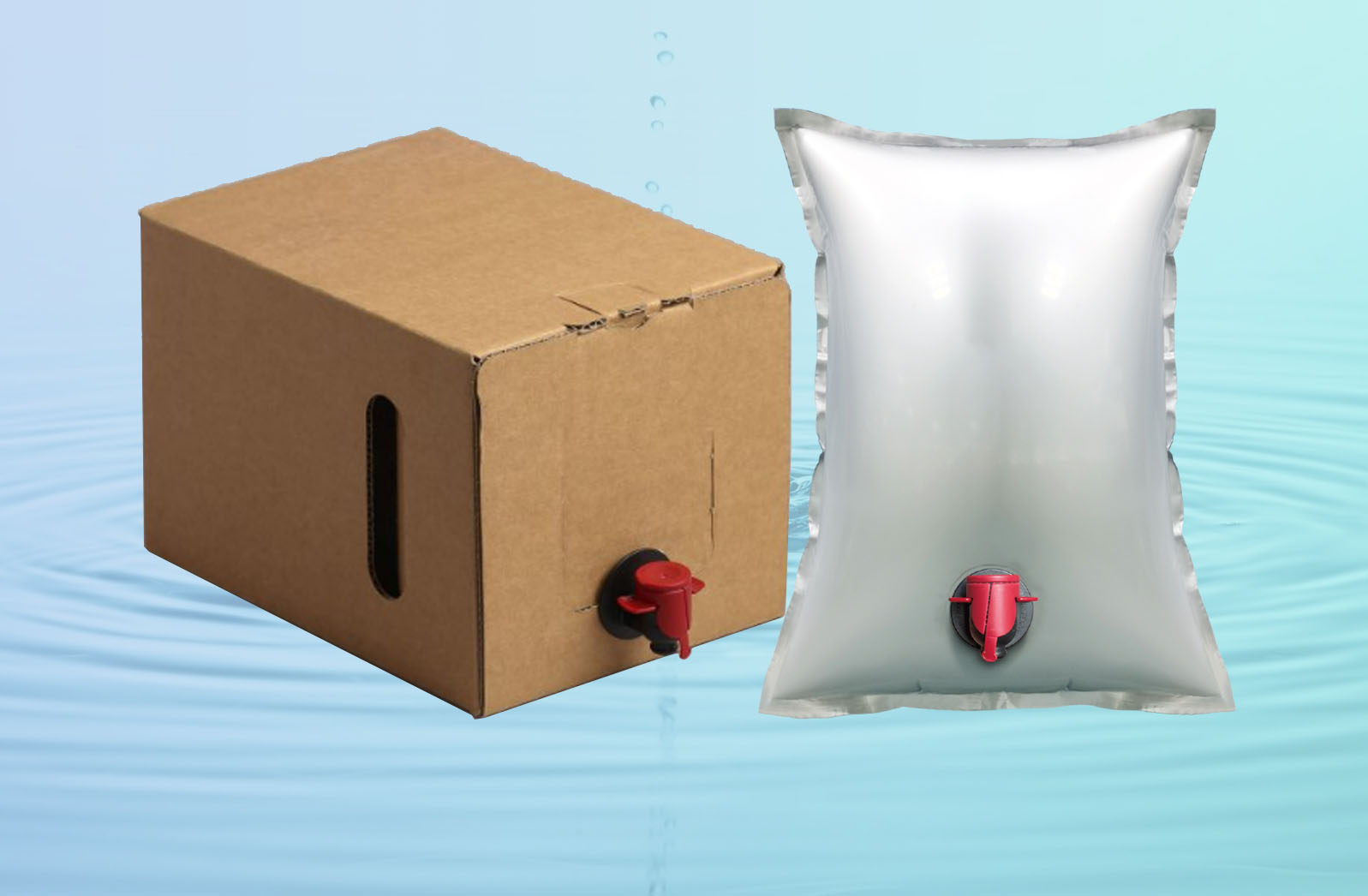
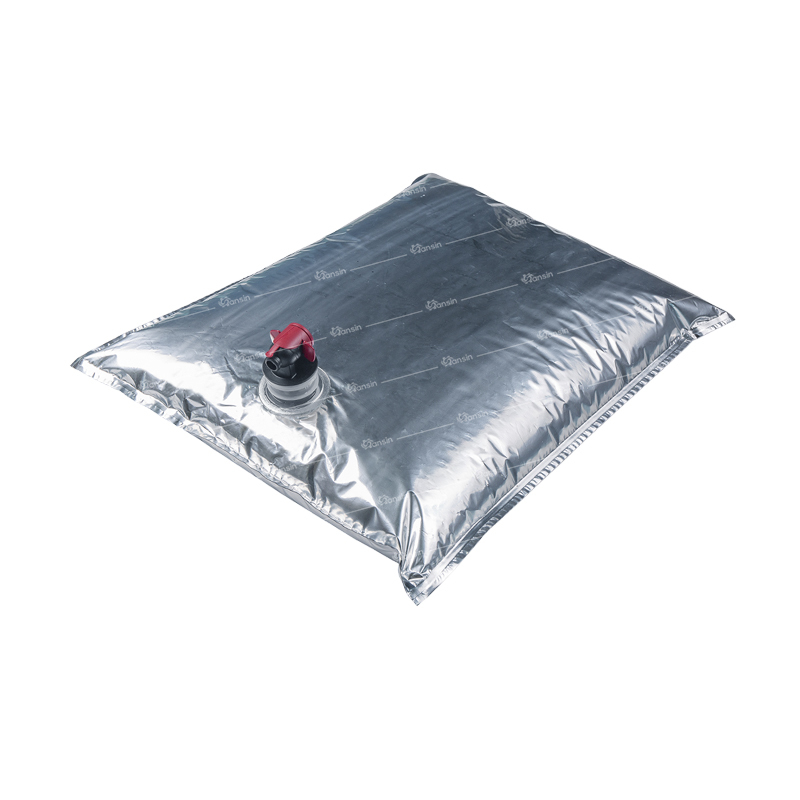
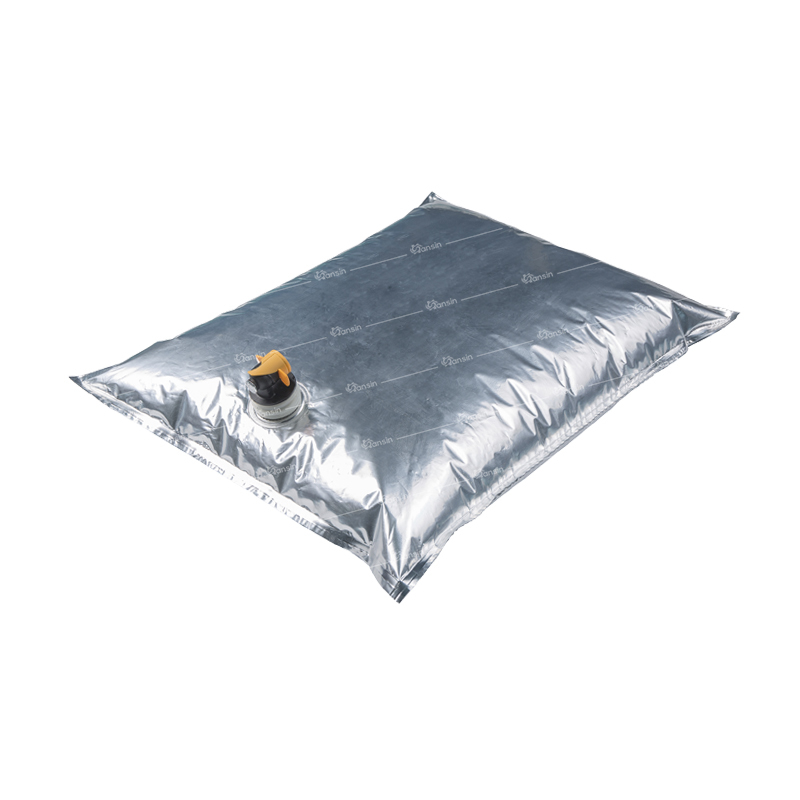
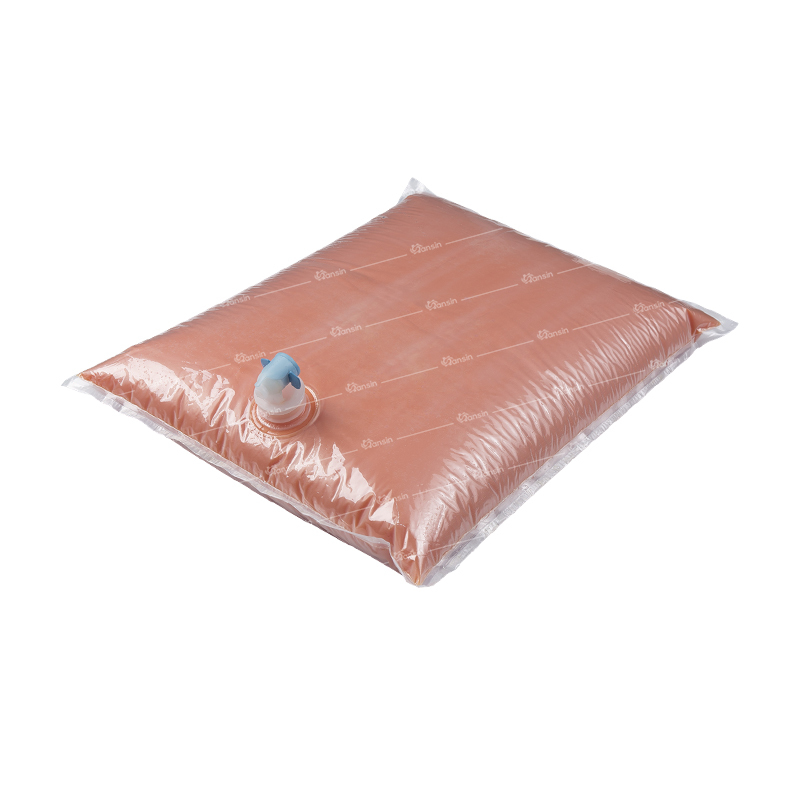
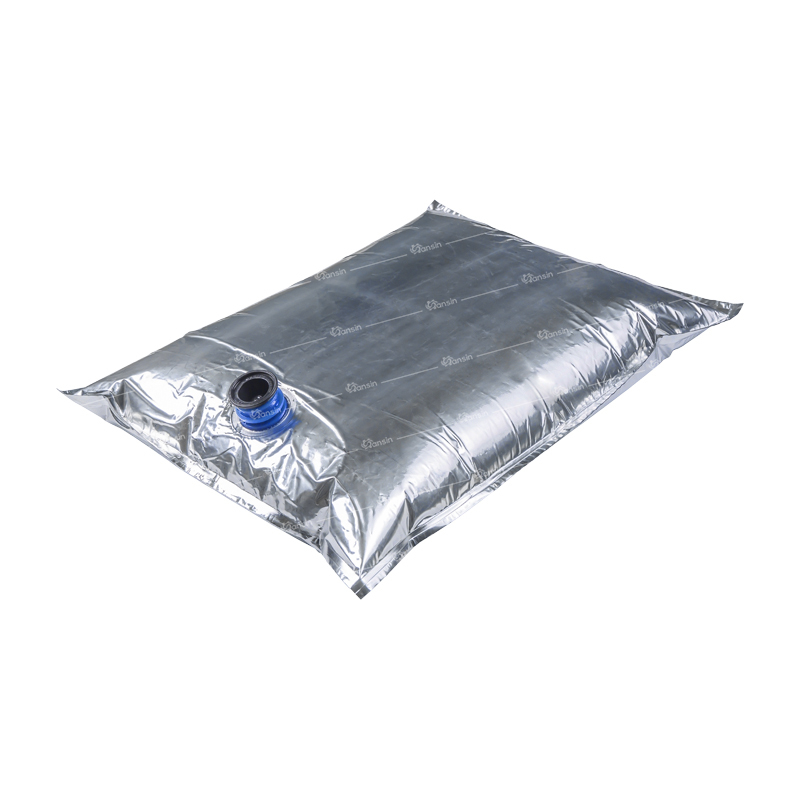
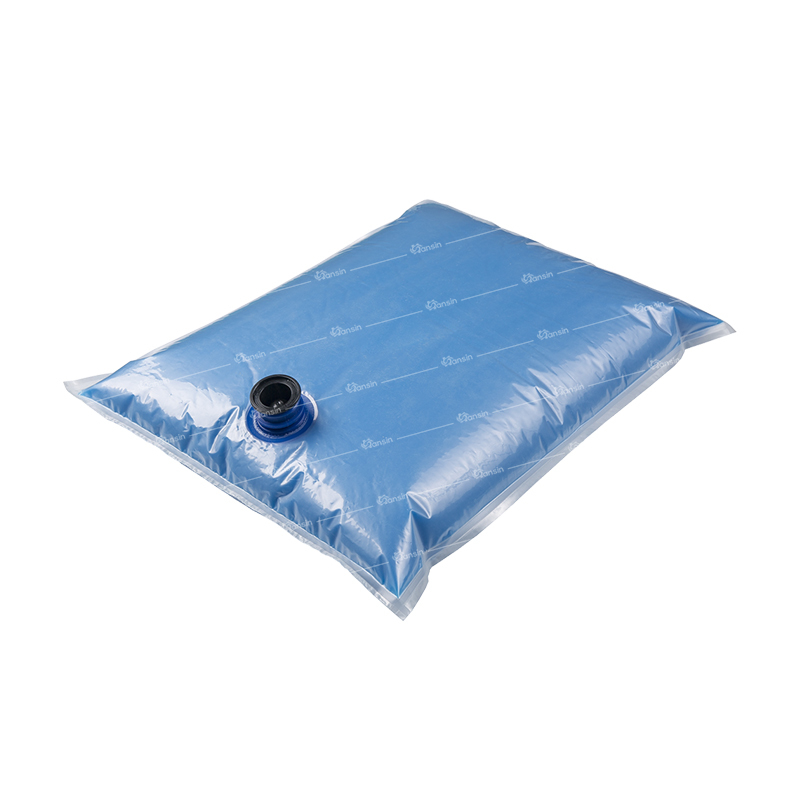
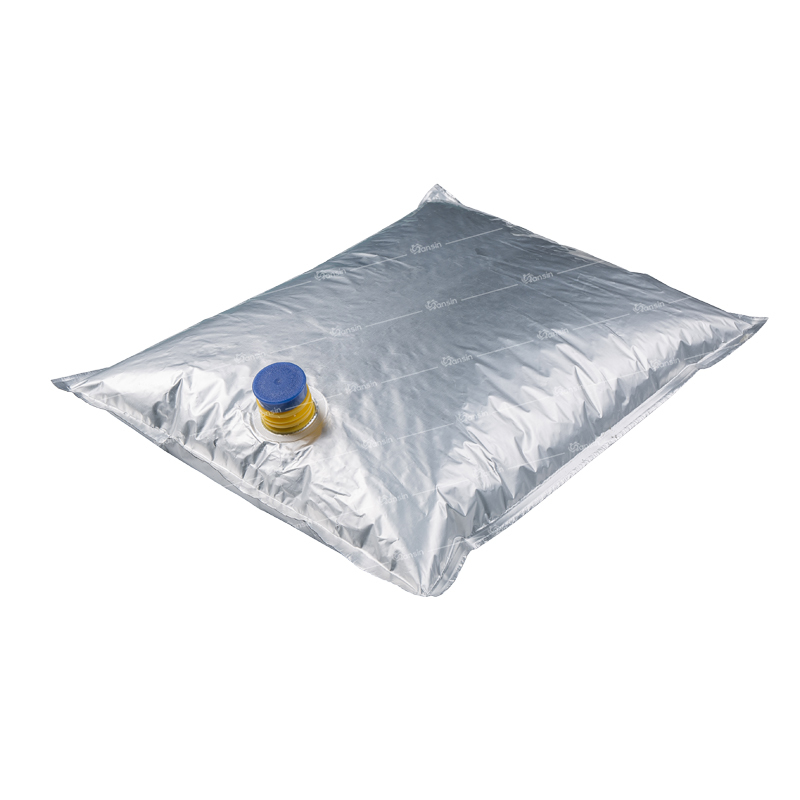
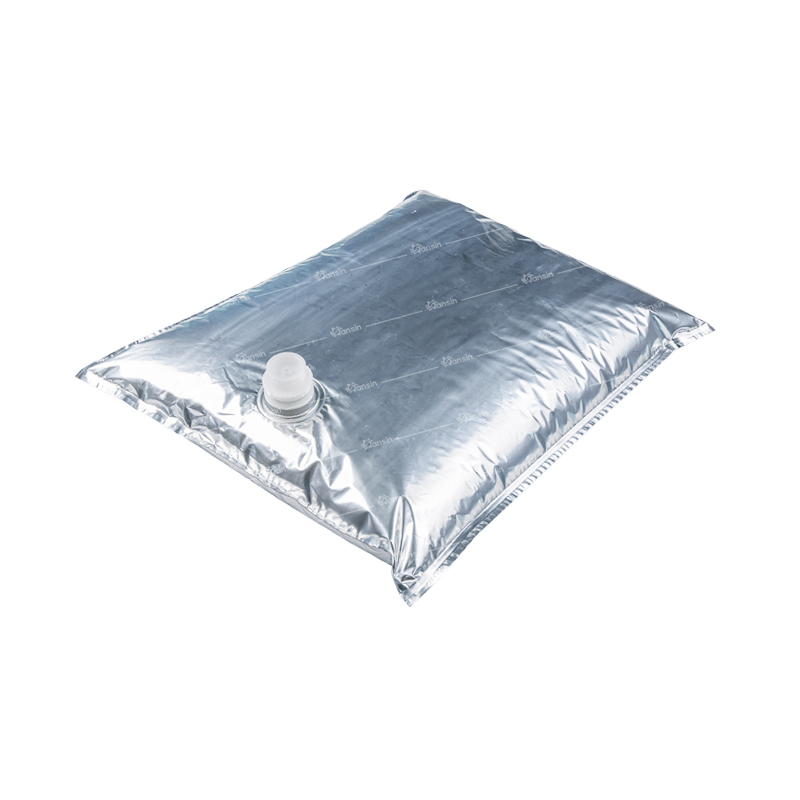
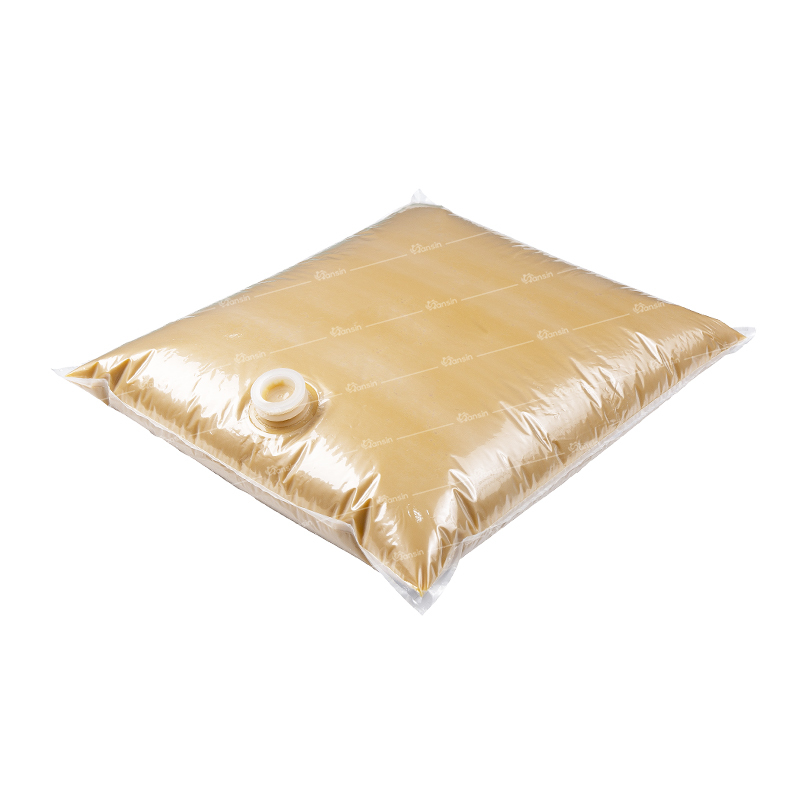
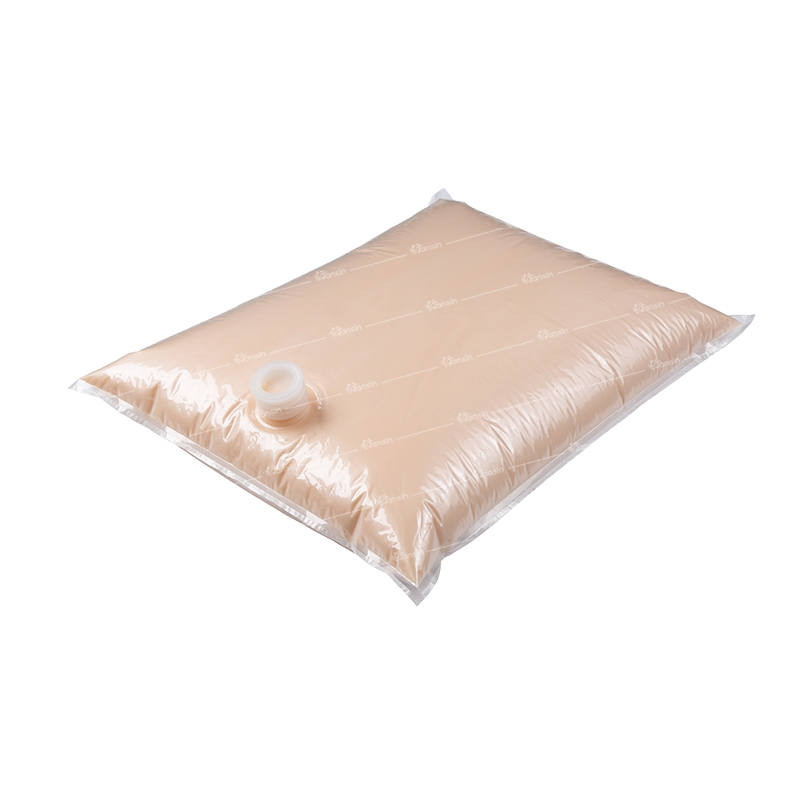
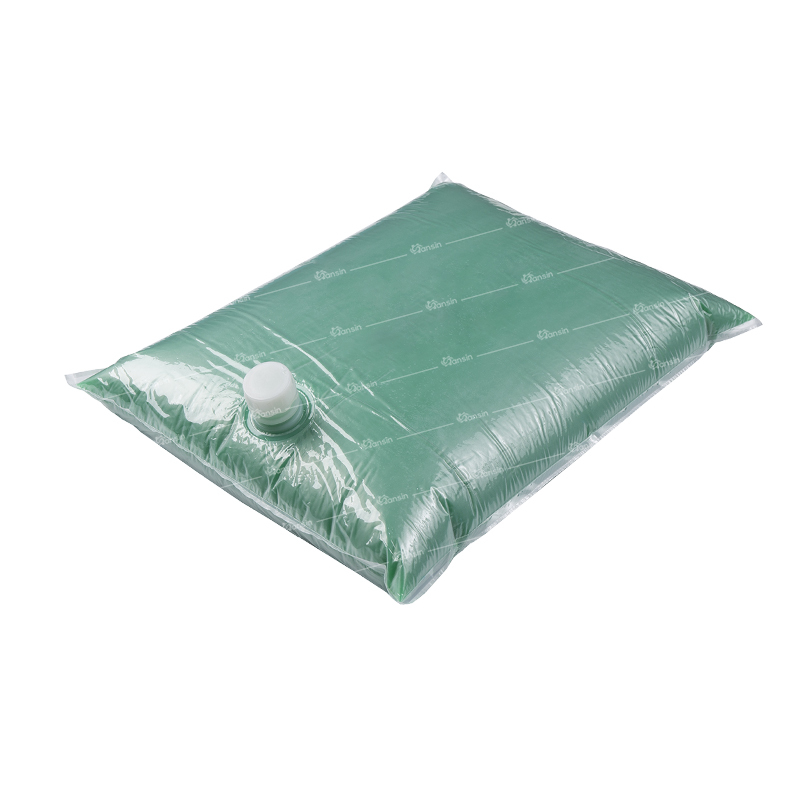
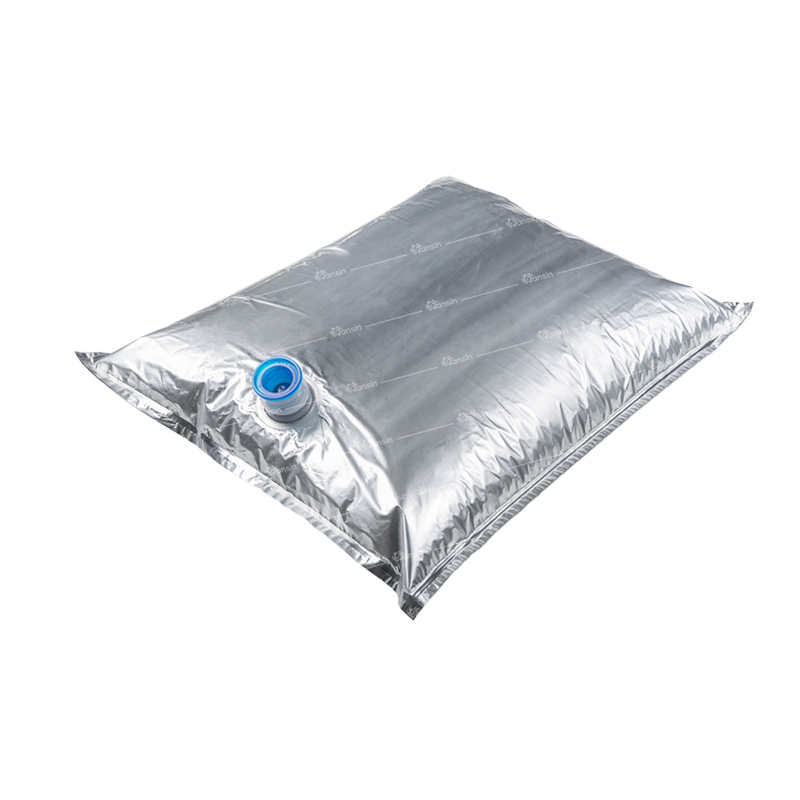
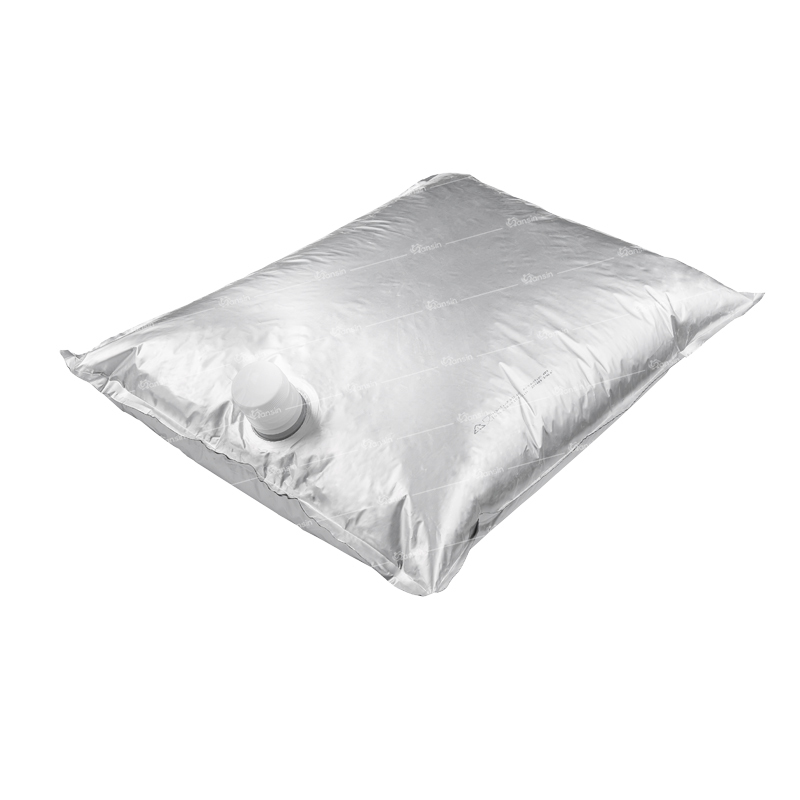
Bag-in-box (BIB) packaging is a collapsible system: a multi-layer plastic bag housed in a corrugated cardboard box, fitted with a spout/valve for controlled dispensing. Aseptic BIBs take this further by sterilizing the bag to preserve product integrity without refrigeration. High-barrier versions add advanced materials to block oxygen, moisture, and light—critical for preserving liquid foods like dairy, fruit juices, and purees.
Core components include:
- Multi-layer flexible bag: Combines polymers (EVOH, VMPET, ALU) for superior barrier protection.
- Spout/valve dispenser: Ensures leak-proof, contamination-free pouring.
- Corrugated box: Provides structural support for transport and storage.
Advantages of This High-Barrier BIB Over Competitors
1. Unmatched Barrier Performance
The defining edge of this BIB lies in its multi-layer structure, designed to block harmful elements that degrade liquid foods:
- Oxygen Barrier: EVOH (ethylene vinyl alcohol) layers reduce oxygen transmission rate (OTR) to <0.1 cc/m²·day—10x lower than standard BIBs (1 cc/m²·day). This prevents oxidation of dairy products (e.g., milk spoilage) and preserves fruit juice flavor.
- Light Barrier: Aluminum (ALU) layers block 100% of light, protecting light-sensitive nutrients (vitamin A/D in milk, anthocyanins in berry juices) from degradation.
- Moisture Barrier: VMPET (metallized PET) and PE (polyethylene) layers prevent moisture loss or absorption, maintaining product consistency.
Compare to rigid plastic jugs (OTR: 5 cc/m²·day) or glass (heavy, breakable): this BIB delivers glass-like protection at 1/5 the weight.
2. Aseptic Capability & Extended Shelf Life
This BIB uses irradiation sterilization (≥15kGy) to kill all microorganisms (including spores) without heating the product—preserving nutrients and flavor. Unlike chemical sterilization (used by some competitors), irradiation leaves no residual chemicals and complies with European ABMA standards.
The result: shelf life of 6–12 months at room temperature (vs. 3–6 months for standard BIBs, 1–3 months for plastic jugs). For dairy products, this eliminates the need for cold chain transport—reducing costs by up to 30%.
3. Flexibility & Customization
Unlike rigid containers (fixed sizes), this BIB offers a 1–25L volume range, customizable to product needs: 1L for consumer use, 25L for commercial food service. Barrier properties are also adjustable (standard, high, ultra-high) to suit products like organic milk (ultra-high) or condiments (standard).
4. Cost Efficiency & Sustainability
Cost Savings: For 10L of product, this BIB costs $1.20 (vs. $1.50 for standard BIBs, $2.10 for plastic jugs). Lighter weight (0.4kg/10L vs. 2.5kg/10L glass) cuts transport emissions by 80% and fuel costs by 70%.
Sustainability: Uses 70% less plastic than rigid containers, reducing landfill waste. The manufacturer’s "Better-recycle" initiative includes recyclable material options and waste-reduction processes (e.g., precise film cutting).
(Image 2: Cost comparison chart of BIB vs rigid containers)Advanced Manufacturing Processes Behind the Product
The performance of this high-barrier BIB stems from cutting-edge manufacturing, led by a company with 19+ years of expertise and ABMA (European Aseptic Bag Manufacturers Association) membership (the only Asian member).
1. Material Selection & Solvent-Free Lamination
Multi-layer films are co-extruded (combining polymers in one step) to create a seamless structure. Key materials:
- EVOH: Ultra-low OTR for oxygen protection.
- ALU: 100% light blockage.
- VMPET: Moisture barrier and puncture resistance.
- PE: Food-safe, flexible, and leak-proof.
Solvent-free lamination bonds layers without VOCs (volatile organic compounds), eliminating residual solvents (safe for food) and reducing environmental impact. Bond strength is 30% higher than solvent-based methods, preventing delamination during transport.
2. Irradiation Sterilization (≥15kGy)
The bag undergoes gamma-ray irradiation in a controlled environment. This process kills all pathogens (bacteria, spores, fungi) without heating the product—critical for preserving heat-sensitive nutrients like vitamin C in juices. Compliance with ABMA standards ensures sterility for 12+ months.
3. GMP 100,000-Level Cleanroom Production
All stages (injection molding, film extrusion, lamination, bag making) take place in a GMP 100,000 cleanroom—fewer than 100,000 particles (0.5 micron) per cubic foot. Real-time particle counters and temperature/humidity controls prevent contamination. Key steps:
- Injection Molding: Food-grade PE spouts/valves are precision-machined for leak-proof fits.
- Film Extrusion: Co-extrusion creates multi-layer films in one pass, reducing waste.
- Bag Making: Ultrasonic sealing ensures airtight, puncture-resistant bags—100% of bags undergo leak testing.
4. Quality Control & Compliance
The company contributed to China’s 2018 national standard for aseptic liquid food bags and holds ABMA, FDA, and EU food contact certifications. Rigorous testing includes:
- Barrier testing (OTR, MVTR) using ASTM standards.
- Sterility testing (bioburden, endotoxin).
- Flex crack resistance (simulating transport stress).
Real-World Applications & Case Studies
1. Dairy Products (Milk, Cream)
A European organic dairy company switched from glass bottles to this BIB in 2022. Results:
- 22% reduction in transport costs (lighter weight).
- 8-month shelf life (room temperature) vs. 3 months (refrigerated glass).
- 18% less product waste (no breakage).
2. Fruit Puree & Juices
A Southeast Asian fruit juice manufacturer used the ultra-high barrier version for mango puree. Vitamin C retention increased from 70% to 95% after 6 months, leading to a 15% rise in consumer satisfaction.
3. Non-Food Liquids (Paint, Condiments)
A global paint company uses the BIB for water-based paints, reducing spillage by 90% (vs. metal cans) and cutting transport costs by 40%.
Q&A: Key Insights About High-Barrier Aseptic BIBs
Q1: What makes this BIB’s barrier performance better than standard options?
A: Multi-layer structure with EVOH (ultra-low OTR), ALU (light blockage), and VMPET (moisture barrier). Standard BIBs lack these layers, leading to higher degradation rates.
Q2: How does irradiation sterilization benefit food products?
A: It kills pathogens without heating, preserving nutrients (e.g., vitamin C in juices) and flavor. No residual chemicals, unlike chemical sterilization.
Q3: Can this BIB be used for both food and non-food?
A: Yes. Food-grade versions meet FDA/EU standards; non-food versions (paint, condiments) are customized for specific barrier needs.
Q4: What certifications does the product hold?
A: ABMA (European), China’s national aseptic standard (GB 31604.1-2016), FDA, and EU food contact certifications.
Q5: How does the BIB contribute to sustainability?
A: Lighter weight reduces transport emissions; 70% less plastic than rigid containers; "Better-recycle" initiative includes recyclable materials.
Q6: Can the product be customized?
A: Yes—volume (1–25L), barrier type (standard/high/ultra-high), and spout design (valve/dispenser) are all customizable.
Product Specifications & Competitive Comparison
| Specification | This High-Barrier BIB | Competitor A (Standard BIB) | Competitor B (Plastic Jug) |
|---|---|---|---|
| Material Structure | VMPET/EVOH/PE/PAPET/ALU | PE/PA | PET/HDPE |
| OTR (Oxygen Transmission) | <0.1 cc/m²·day | <1 cc/m²·day | <5 cc/m²·day |
| Sterilization Method | Irradiation ≥15kGy | Chemical | Heat |
| Shelf Life (Room Temp) | 6–12 months | 3–6 months | 1–3 months |
| Volume Range | 1–25L | 5–20L | Fixed (1–5L) |
| Weight (10L) | 0.4kg | 0.6kg | 1.2kg |
| Cost (10L, USD) | 1.20 | 1.50 | 2.10 |
Sustainability & Future Outlook
The BIB’s sustainability extends beyond reduced plastic use: the manufacturer’s two Chinese plants and European branches (Germany, France) use renewable energy for 30% of operations. Future innovations include:
- Biodegradable multi-layer materials (compostable within 180 days).
- Smart packaging (sensors to monitor freshness and temperature).
- Circular economy programs (recycling used BIBs into new products).
Conclusion
The high-barrier aseptic BIB is a transformative solution for the liquid food industry. Its superior barrier performance, aseptic capabilities, and sustainability make it a better alternative to rigid containers and standard BIBs. Advanced manufacturing processes (solvent-free lamination, irradiation sterilization) ensure compliance with global standards, while customization and cost efficiency meet diverse manufacturer needs.
As demand for safe, sustainable packaging grows, this BIB will continue to lead the way—redefining how liquid foods are stored, transported, and consumed.
References
1. European Aseptic Bag Manufacturers Association (ABMA). (2023). Standards for Aseptic Bag-In-Box Packaging. Brussels, Belgium.
2. Standardization Administration of China. (2018). National Standard for Composite Bags for Aseptic Packaging of Liquid Foods (GB 31604.1-2016). Beijing, China.
3. Smith, J.D. et al. (2022). Advances in Flexible Packaging for Liquid Foods: Barrier Technologies and Shelf Life Extension. Journal of Food Engineering, Vol.312, pp.123–145.
4. World Packaging Organization (WPO). (2023). Sustainable Liquid Packaging Trends: Bag-In-Box vs Rigid Containers. Geneva, Switzerland.
5. FDA. (2021). Food Contact Materials: Regulations for Flexible Packaging. Washington, D.C.