
 中文简体
中文简体 英语
英语 西班牙语
西班牙语 俄语
俄语 葡萄牙语
葡萄牙语 法语
法语 德语
德语 意大利语
意大利语




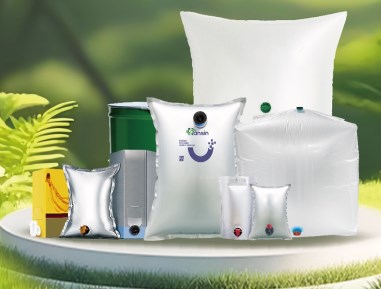
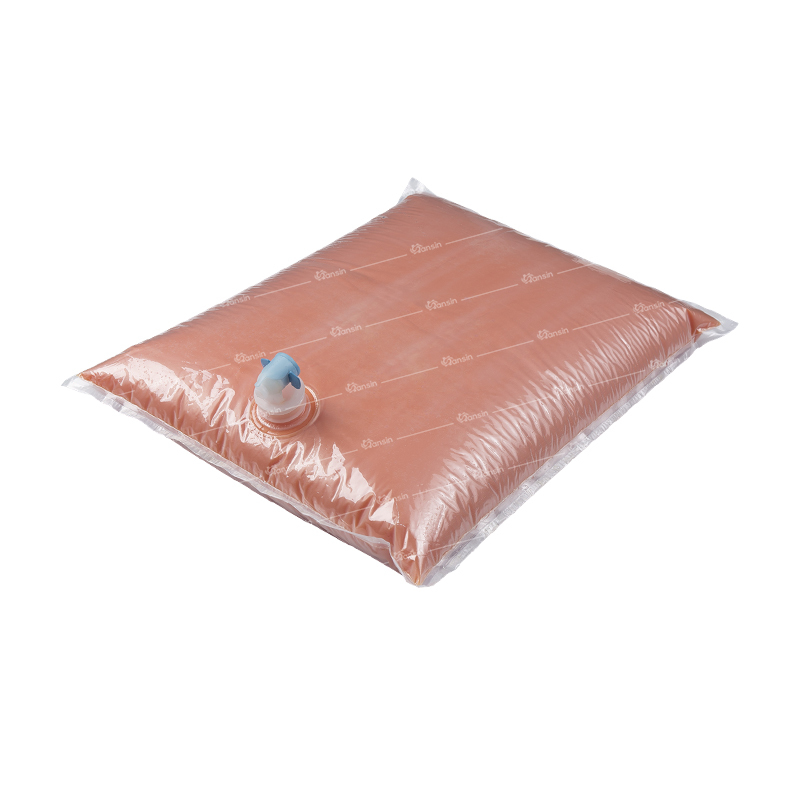
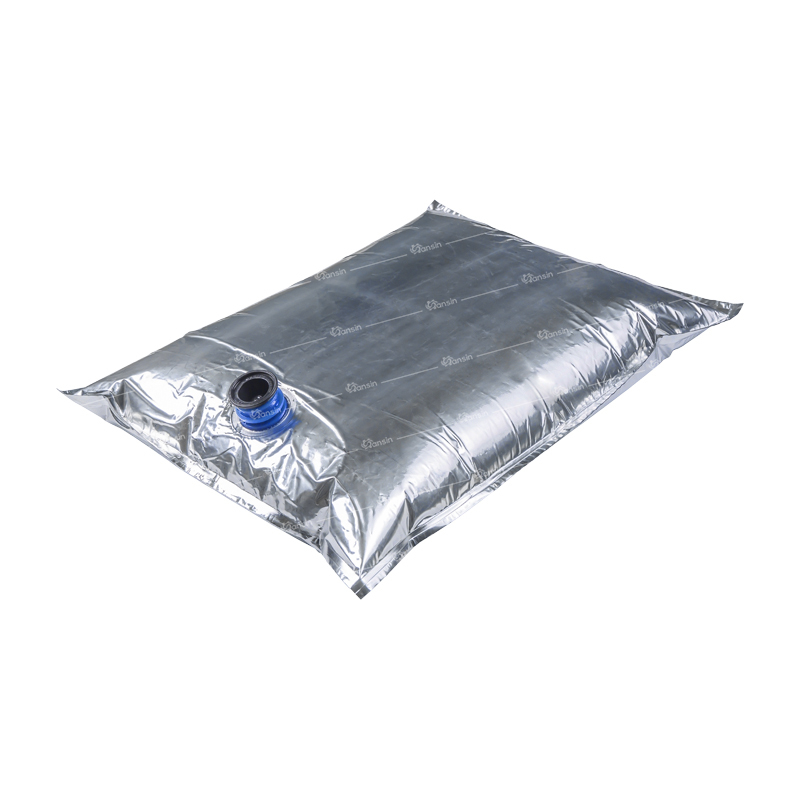
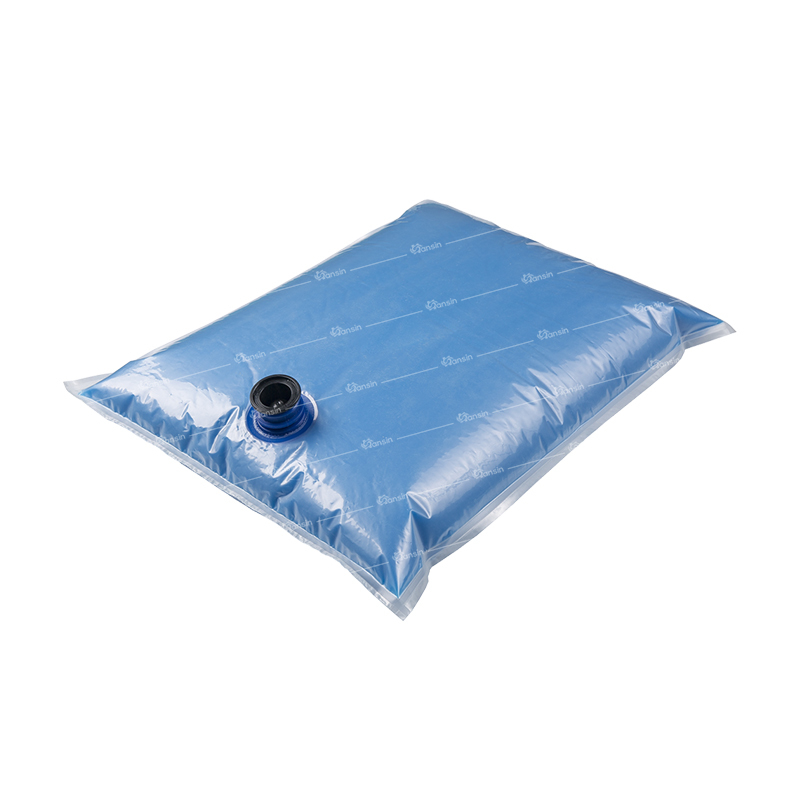
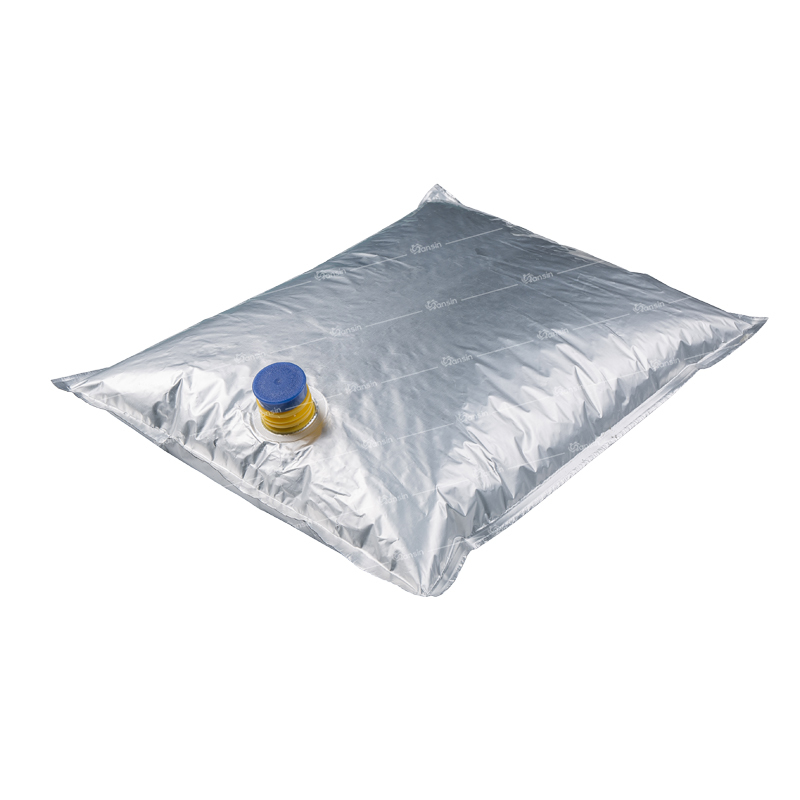
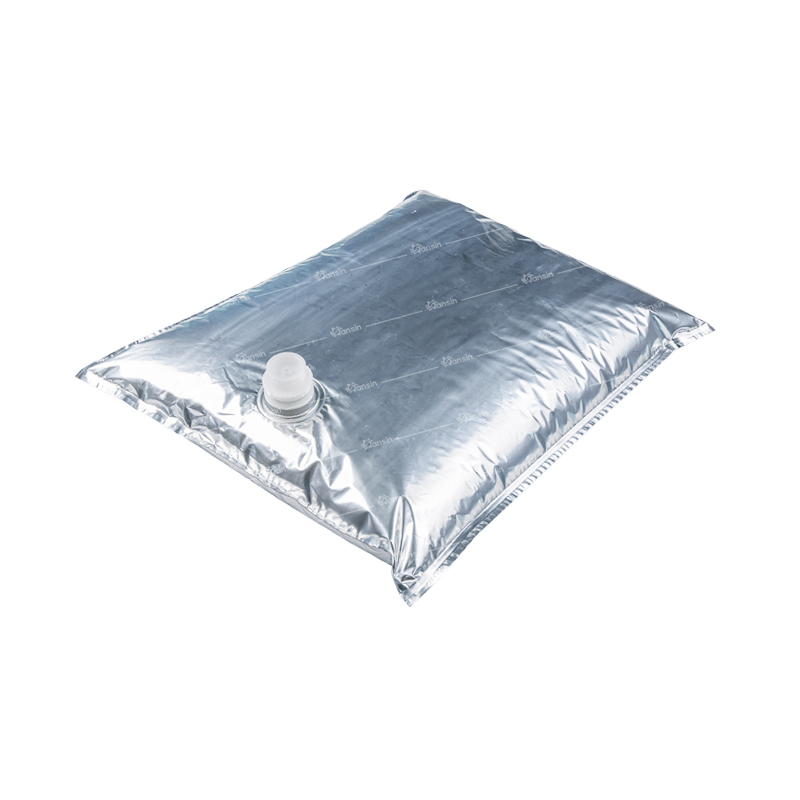
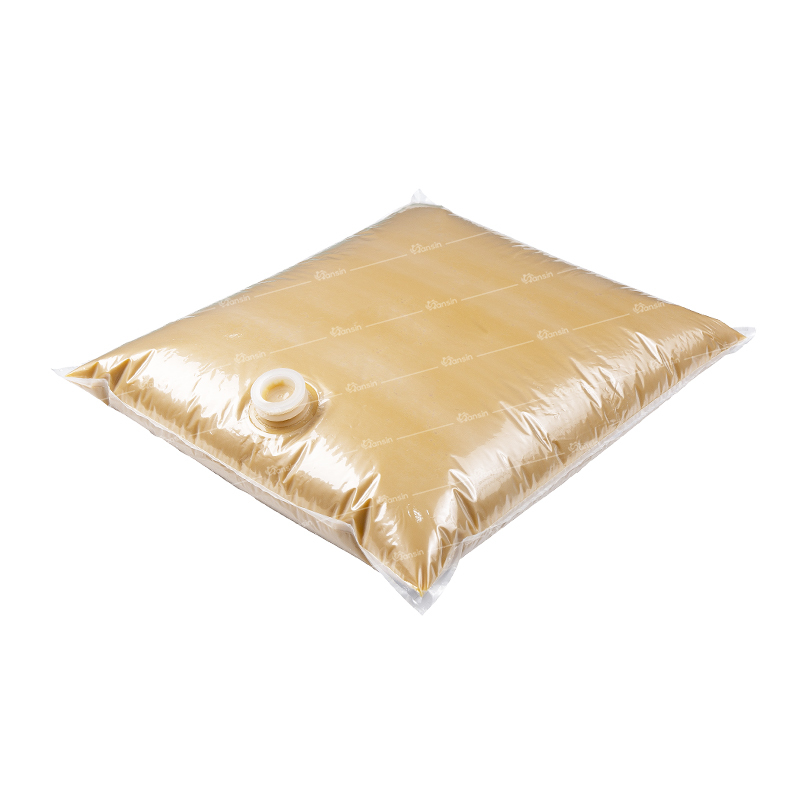
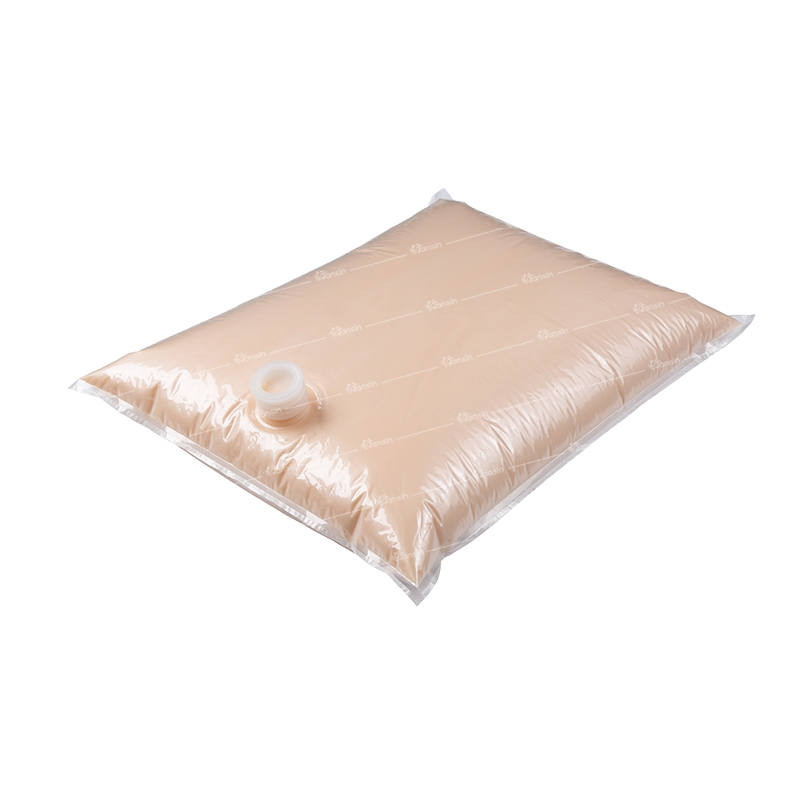
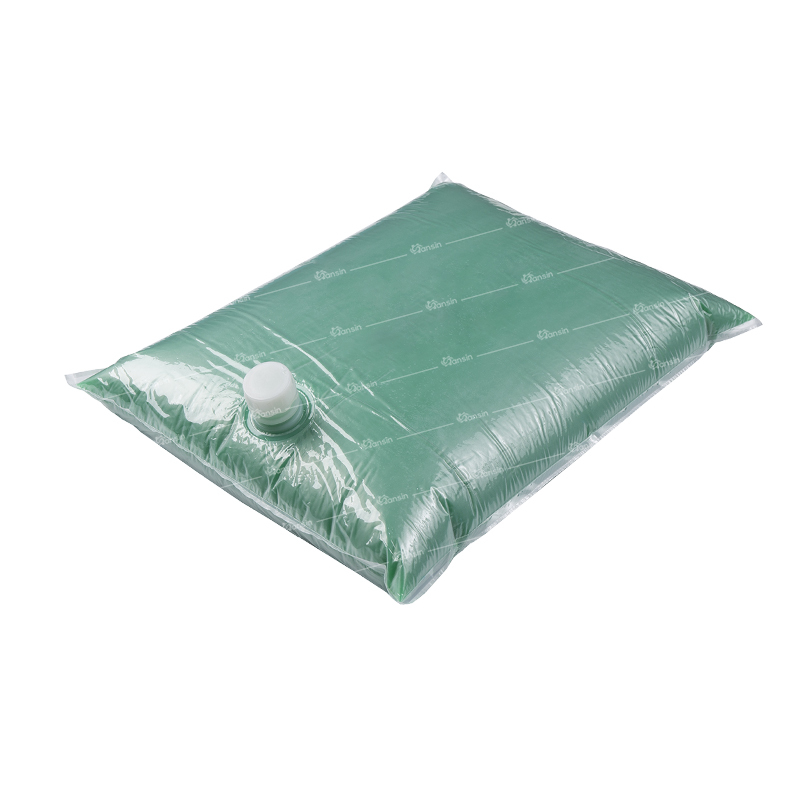
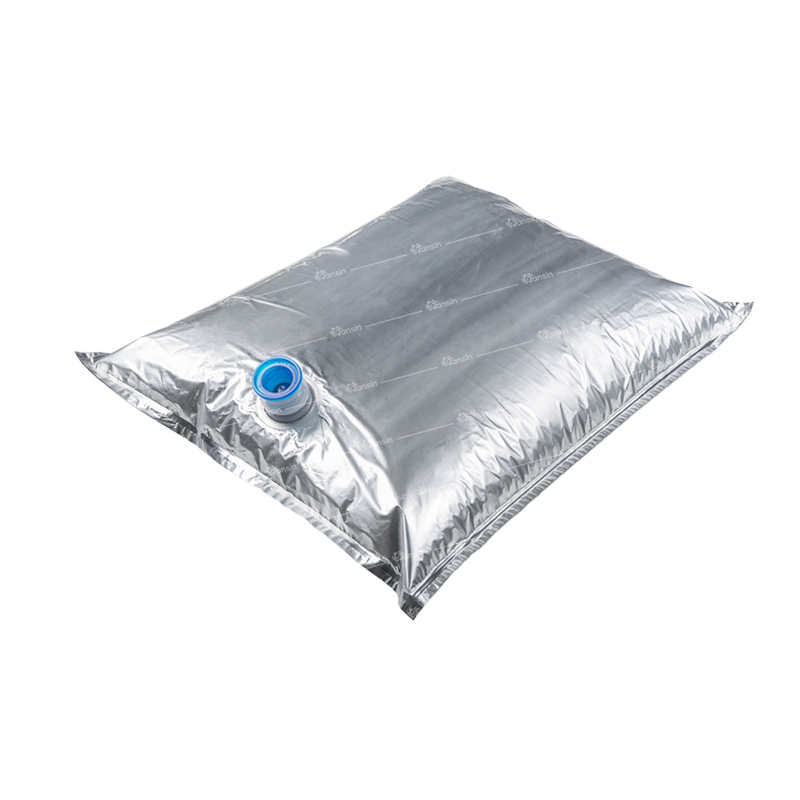
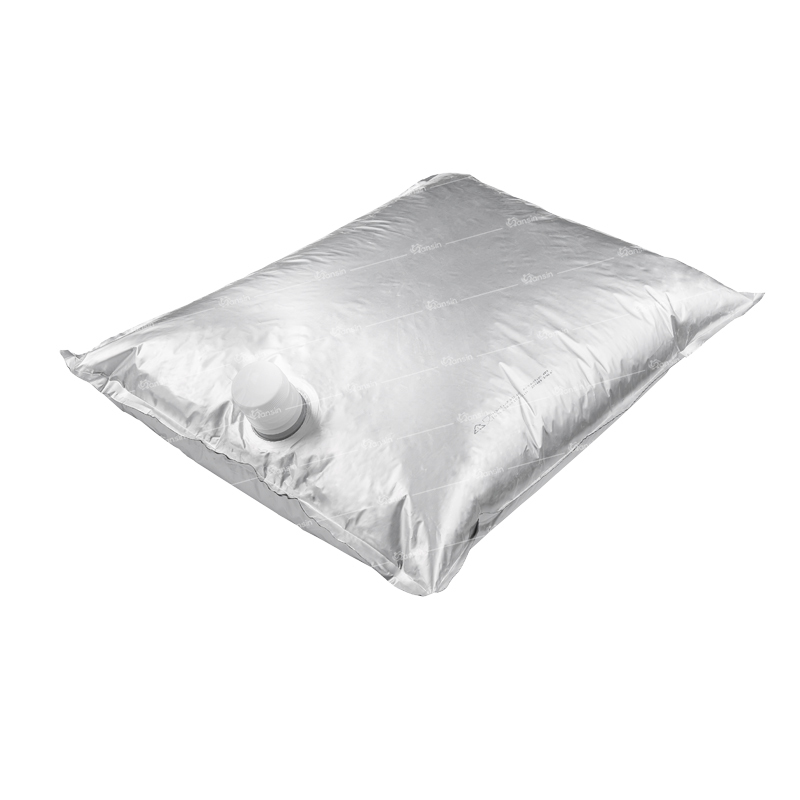
For decades, the global food industry has grappled with a persistent challenge: how to safely transport and store liquid food products—from tomato paste to fruit juices—without compromising quality, reducing waste, or incurring excessive costs. Traditional packaging options like glass jars, metal drums, and even basic plastic bags have long fallen short, either due to their weight (increasing logistics costs), limited barrier properties (leading to spoilage), or environmental impact (contributing to plastic waste). Today, a new generation of aseptic packaging is changing the game, and at the forefront of this revolution is a 220-liter drum bag designed specifically for high-demand liquid foods like tomato paste. This innovative solution combines advanced material science, rigorous sterilization processes, and sustainable design to address every pain point in the liquid packaging chain, setting a new standard for efficiency, safety, and environmental responsibility.
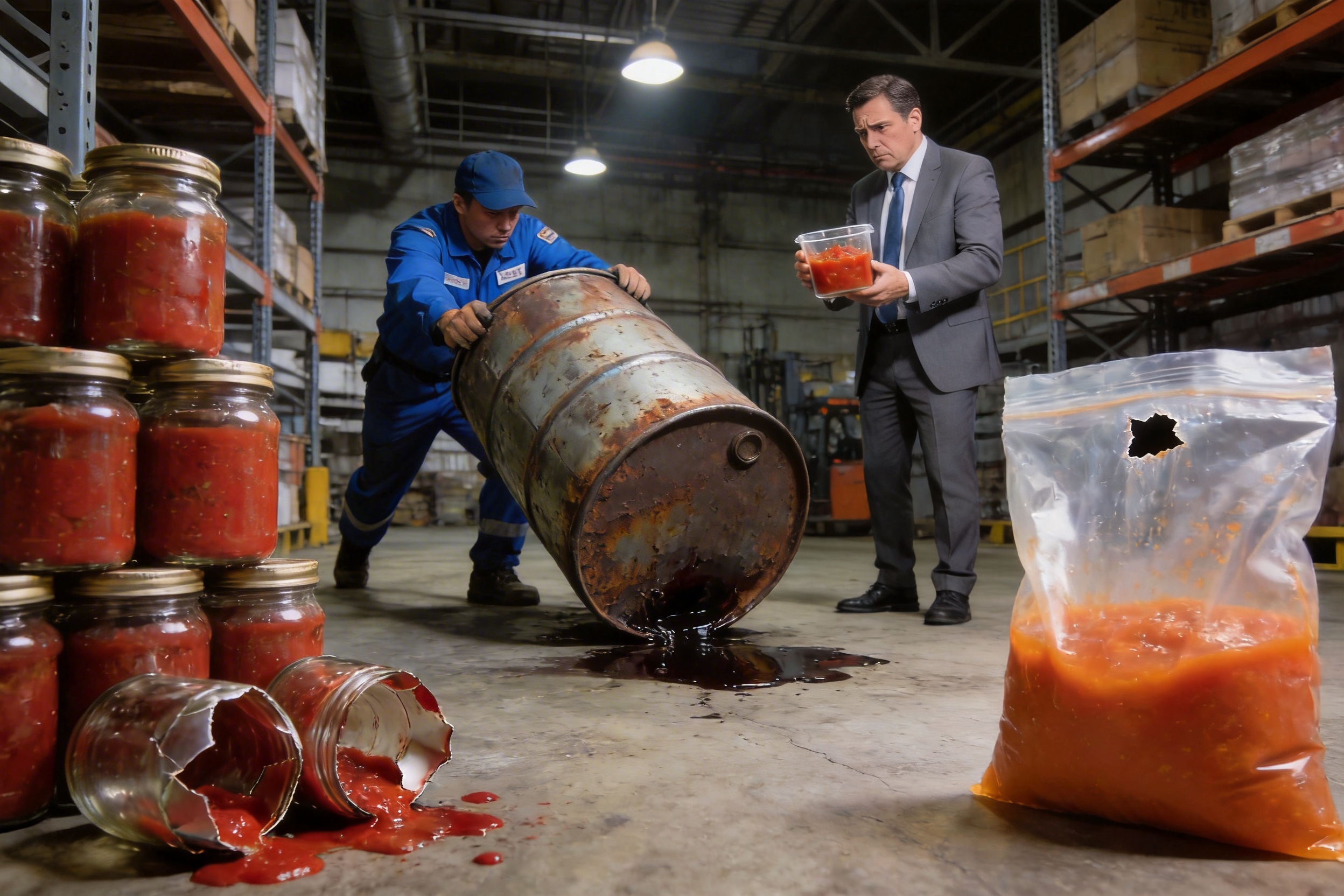
To understand the significance of this aseptic bag, it’s first necessary to contextualize the evolution of aseptic packaging. Aseptic packaging refers to the process of placing a sterilized product into a sterilized container in a sterile environment, then sealing it to prevent recontamination. This method eliminates the need for post-packaging sterilization (like retorting), which can degrade the nutritional value and flavor of heat-sensitive foods like tomato paste. While aseptic packaging has been around for decades, recent advancements in multi-layer film technology and manufacturing processes have elevated its performance to new heights—making it the go-to choice for food manufacturers looking to balance quality, cost, and sustainability.
The 220L Aseptic Drum Bag: A Deep Dive into Its Core Features
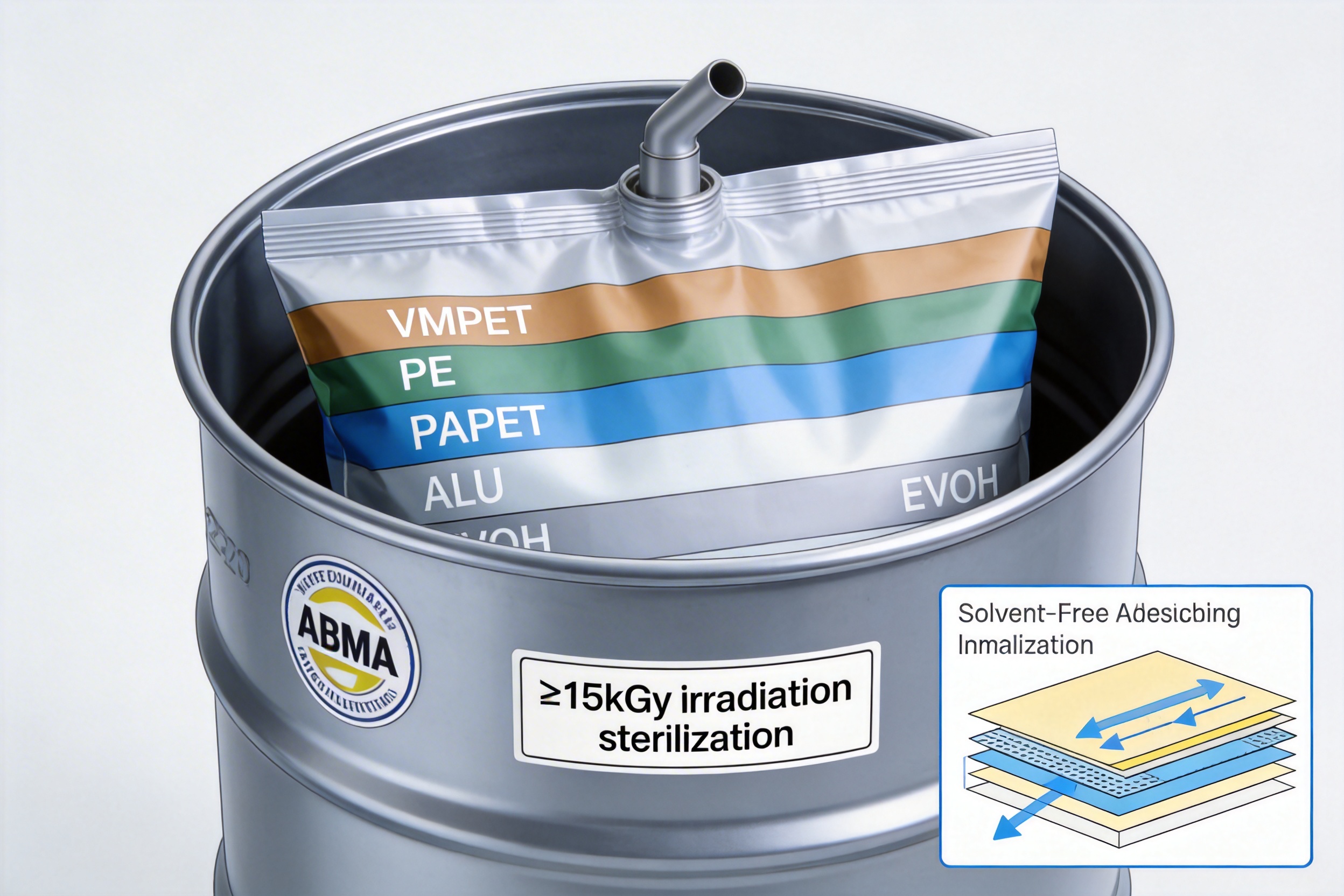
At the heart of this innovative packaging solution is its multi-layer material structure, which is engineered to provide optimal protection against oxygen, moisture, and light—three of the primary factors that cause liquid foods to spoil. The bag’s material composition includes VMPET (Vacuum Metallized Polyethylene Terephthalate), PE (Polyethylene), PAPET (Printed Polyethylene Terephthalate), ALU (Aluminum), and EVOH (Ethylene Vinyl Alcohol Copolymer). Each layer serves a specific purpose: VMPET adds strength and light barrier properties; PE provides flexibility and heat sealability; ALU enhances oxygen and moisture barrier performance; and EVOH offers ultra-high oxygen barrier capabilities for products that are particularly sensitive to oxidation (like tomato paste, which can lose its vibrant color and flavor if exposed to oxygen).
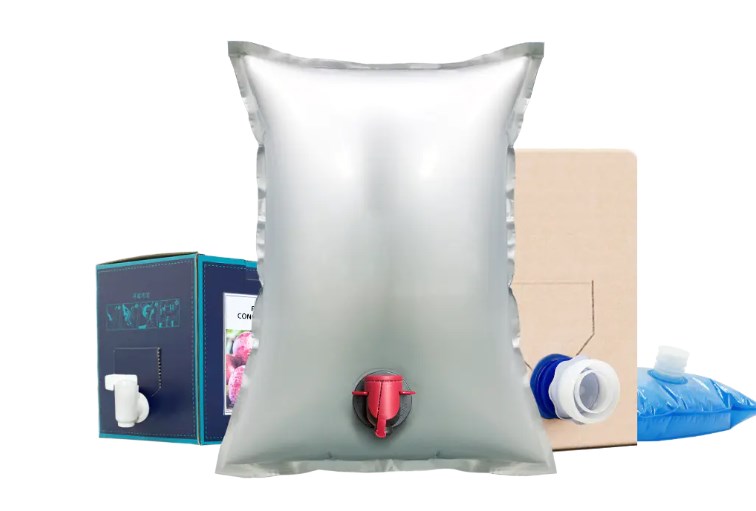
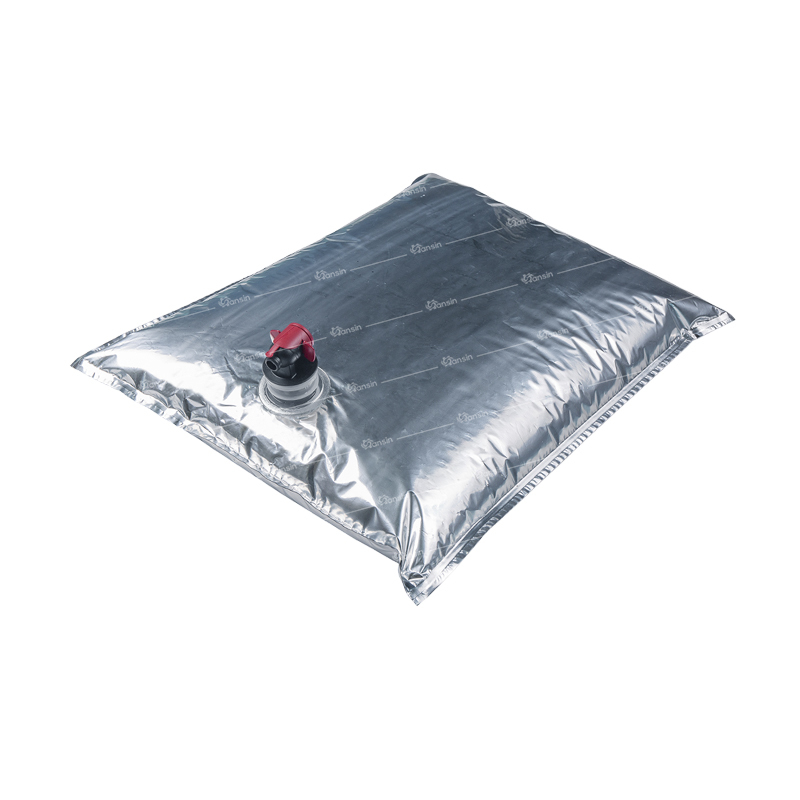
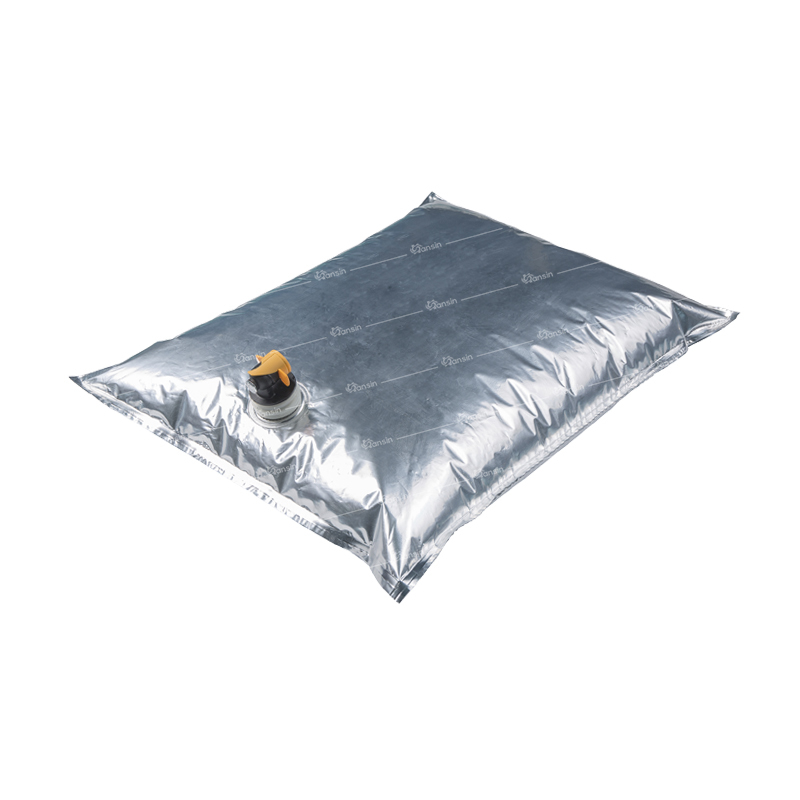
Beyond its material structure, the 220L aseptic drum bag boasts a range of features that set it apart from conventional packaging options: - Product Size: Designed to fit standard 200L or 220L drums, making it compatible with existing logistics and storage infrastructure. This compatibility eliminates the need for manufacturers to invest in new equipment, reducing operational costs. - Barrier Options: Available in three barrier levels—standard, high, and ultra-high—allowing manufacturers to choose the level of protection that best suits their product. For tomato paste, which requires a high oxygen barrier to maintain its quality, the ultra-high barrier option is ideal. - Bag Type: Equipped with a spout for easy filling and dispensing, reducing the risk of spillage and contamination during handling. - Key Features: Offers two critical benefits—barrier protection (to preserve product quality) and aseptic safety (to prevent microbial growth). - Standards Compliance: Adheres to ABMA (European Aseptic Bag Manufacturers Association) standards, which are widely recognized as the gold standard for aseptic packaging in Europe and beyond. This compliance ensures that the bag meets the highest safety and quality requirements. - Sterilization Method: Uses irradiation sterilization with a dose of ≥15kGy, which is highly effective at killing microorganisms without compromising the integrity of the bag or the product inside. Unlike chemical sterilization (which can leave residues), irradiation is a cold process that preserves the nutritional value and flavor of heat-sensitive foods. - Lamination Process: Utilizes solvent-free lamination, which eliminates the risk of harmful solvent residues leaching into the product. This is a critical advantage for food packaging, as it ensures compliance with strict food safety regulations. - Film Advantages: The film used in the bag is top flex crack resistant, meaning it can withstand the rigors of transportation and storage without developing cracks or leaks. This reduces the risk of product loss due to packaging failure. - Raw Materials: All raw materials are food-safe, ensuring that the bag meets the highest standards for food contact. This is particularly important for products like tomato paste, which are consumed directly by consumers.
Advantages Over Competitors: Why This Aseptic Bag Stands Out
To appreciate the value of this 220L aseptic drum bag, it’s essential to compare it to the traditional packaging options that have dominated the liquid food industry for decades. Below is a detailed comparison of key features:
| Feature | 220L Aseptic Drum Bag | Glass Jars | Metal Drums | Standard Aseptic Bags |
|---|---|---|---|---|
| Barrier Level | Ultra-high (EVOH + ALU layers) | High (but prone to breakage) | High (but can rust) | Standard (limited EVOH use) |
| Sterilization Method | Irradiation (≥15kGy, no residues) | Heat sterilization (post-packaging) | Chemical sterilization (residues possible) | Chemical or low-dose irradiation |
| Empty Weight | ~1.5 kg (lightweight) | ~5 kg (heavy) | ~10 kg (very heavy) | ~2 kg (slightly heavier) |
| Waste Generation | Minimal (recyclable via Better-recycle initiative) | High (breakage during transport) | High (rust, disposal challenges) | Moderate (limited recyclability) |
| Customizability | High (barrier levels, spout types, sizes) | Low (fixed sizes, limited design) | Low (fixed volumes, heavy) | Moderate (limited barrier options) |
| Cost Efficiency | High (lower transport costs, less waste) | Low (high transport, breakage costs) | Low (high transport, disposal costs) | Moderate (higher waste than our product) |
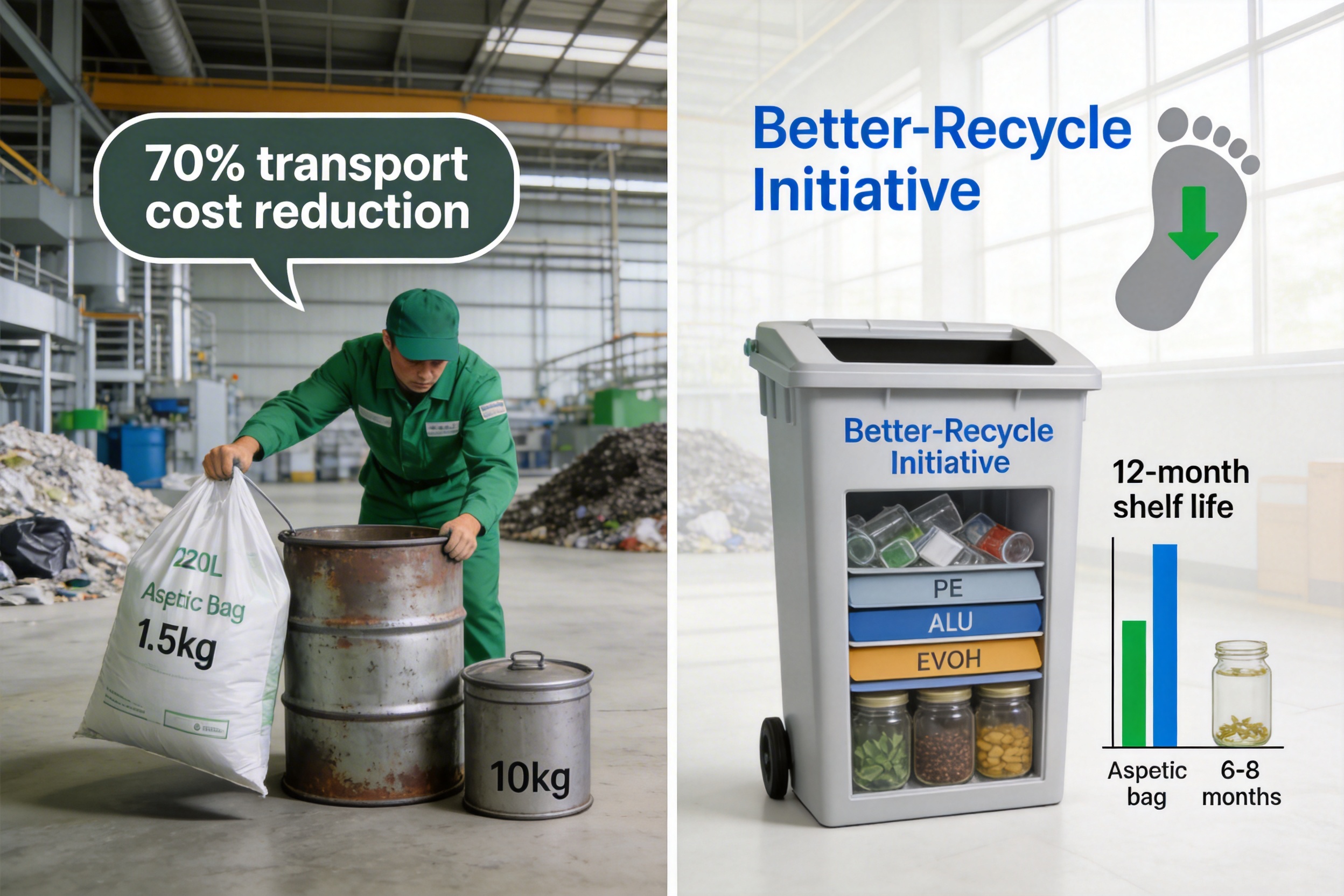
From this comparison, several key advantages emerge: 1. Superior Barrier Protection: The multi-layer structure (including EVOH and ALU) provides a significantly higher barrier against oxygen and moisture than standard aseptic bags, glass jars, or metal drums. This means that tomato paste and other liquid foods retain their flavor, color, and nutritional value for longer—extending their shelf life by up to 12 months (compared to 6-8 months for standard aseptic bags). 2. Safe and Effective Sterilization: The irradiation sterilization method (≥15kGy) is more effective than chemical sterilization (which can leave residues) or heat sterilization (which degrades product quality). This ensures that the bag is completely free of microorganisms, reducing the risk of foodborne illness. 3. Lightweight and Cost-Efficient: The bag’s lightweight design (1.5 kg empty) reduces transport costs by up to 70% compared to metal drums (10 kg empty). This is a critical advantage for manufacturers operating on tight margins, as it directly impacts their bottom line. 4. Minimal Waste: Unlike glass jars (which break easily) or metal drums (which rust and are difficult to recycle), the 220L aseptic bag generates minimal waste. Additionally, the company’s Better-recycle initiative ensures that the bag is recyclable, reducing its environmental footprint. 5. High Customizability: Manufacturers can choose from three barrier levels, different spout types, and even custom sizes to suit their specific needs. This flexibility is particularly valuable for companies that produce a range of liquid foods with varying shelf life requirements. 6. One-Stop Solution: Unlike many competitors who only offer packaging, the manufacturer provides a seamless one-stop solution for both filling and packaging. This means that manufacturers can receive high-quality packaging and filling services under one roof, saving time and resources.
Advanced Manufacturing Processes: The Backbone of Quality
The exceptional quality of the 220L aseptic drum bag is not accidental—it is the result of rigorous manufacturing processes that adhere to the highest international standards. Below is a detailed look at the key processes:
1. GMP 100,000-Level Clean Workshop
The manufacturing facility is equipped with a GMP (Good Manufacturing Practice) 100,000-level clean workshop, which means that the air in the workshop contains no more than 100,000 particles of 0.5 microns or larger per cubic meter. This level of cleanliness is essential for aseptic packaging, as it prevents contamination during the production process. Every step of production—from injection molding of fitments to film extrusion, lamination, and bag making—is carried out in this clean environment, ensuring that the final product is free of microorganisms and impurities.
2. Solvent-Free Lamination
The multi-layer film used in the bag is produced using solvent-free lamination, a process that eliminates the need for harmful solvents (like toluene or methyl ethyl ketone) that are commonly used in traditional lamination. Instead, the layers are bonded together using a water-based adhesive or a hot-melt adhesive, which is safer and more environmentally friendly. This process ensures that there are no solvent residues in the bag, which is critical for food safety.
3. Irradiation Sterilization
After the bags are produced, they undergo irradiation sterilization with a dose of ≥15kGy. This process uses gamma rays or electron beams to kill all microorganisms (including bacteria, viruses, and fungi) without heating the bag or the product inside. Irradiation is a cold process, which means that it does not affect the nutritional value or flavor of heat-sensitive foods like tomato paste. The sterilization process is validated using biological indicators (like Bacillus atrophaeus spores), which ensure that the bag is completely sterile.
4. Quality Control
Every batch of bags undergoes rigorous quality control tests to ensure that it meets the highest standards. These tests include: - Barrier Test: Measures the oxygen and moisture transmission rates of the film to ensure that it provides the required level of protection. - Sterility Test: Uses biological indicators to verify that the bag is completely sterile. - Leak Test: Checks for leaks or cracks in the bag to ensure that it can withstand the rigors of transportation and storage. - Food Contact Test: Ensures that the bag meets the strict food safety regulations for contact with food products. The manufacturer also adheres to ABMA standards, which are the gold standard for aseptic packaging in Europe. Additionally, the company contributed to the formulation of China’s national standard for “Composite Bags for Aseptic Packaging of Liquid Foods” in 2018, demonstrating its expertise and leadership in the industry.
Sustainability: A Core Focus of the Solution
In today’s global market, sustainability is no longer an option—it is a necessity. The 220L aseptic drum bag is designed with sustainability in mind, addressing the environmental concerns associated with traditional packaging options. Below are the key sustainability features:
1. Better-Recycle Initiative
The manufacturer has launched a Better-recycle initiative, which ensures that the bags are recyclable. The multi-layer film used in the bag is designed to be easily separated into its individual components (PE, ALU, EVOH) for recycling. This reduces the amount of plastic waste sent to landfills and conserves natural resources.
2. Reduced Carbon Footprint
The lightweight design of the bag reduces transport costs and, consequently, carbon emissions. For example, transporting 1000 bags (each 1.5 kg empty) generates 70% less carbon emissions than transporting 1000 metal drums (each 10 kg empty). This is a significant contribution to reducing the carbon footprint of the liquid food industry.
3. Minimal Waste
The bag’s flex crack-resistant film reduces the risk of product loss due to packaging failure. This means that less product is wasted, which is both economically beneficial for manufacturers and environmentally responsible. Additionally, the bag is 100% emptyable, meaning that no product is left behind in the bag—maximizing product yield.
4. Eco-Friendly Materials
The manufacturer uses eco-friendly raw materials wherever possible. For example, the PE used in the bag is made from recycled plastic (where feasible), and the adhesive used in lamination is water-based (instead of solvent-based). This reduces the environmental impact of the production process.
Real-World Applications: Beyond Tomato Paste
While the 220L aseptic drum bag is specifically designed for tomato paste, it has a wide range of applications in the liquid food and non-food industries. Below are some of the key applications:
1. Liquid Foods
- Fruit Juices: The high barrier properties of the bag prevent oxidation, preserving the flavor and nutritional value of fruit juices. - Jam and Jelly: The bag’s moisture barrier prevents jam from drying out, extending its shelf life. - Cooking Oil: The ultra-high barrier option protects cooking oil from rancidity, which is caused by oxidation. - Milk and Dairy Products: The aseptic properties of the bag ensure that milk and dairy products remain safe and fresh for longer.2. Liquid Non-Foods
- Paints and Coatings: The bag’s barrier properties prevent paints from drying out or deteriorating. - Cosmetics and Personal Care Products: The aseptic properties of the bag ensure that cosmetics remain free of microorganisms. - Pharmaceuticals: The bag’s food-safe materials and aseptic properties make it suitable for packaging liquid pharmaceuticals.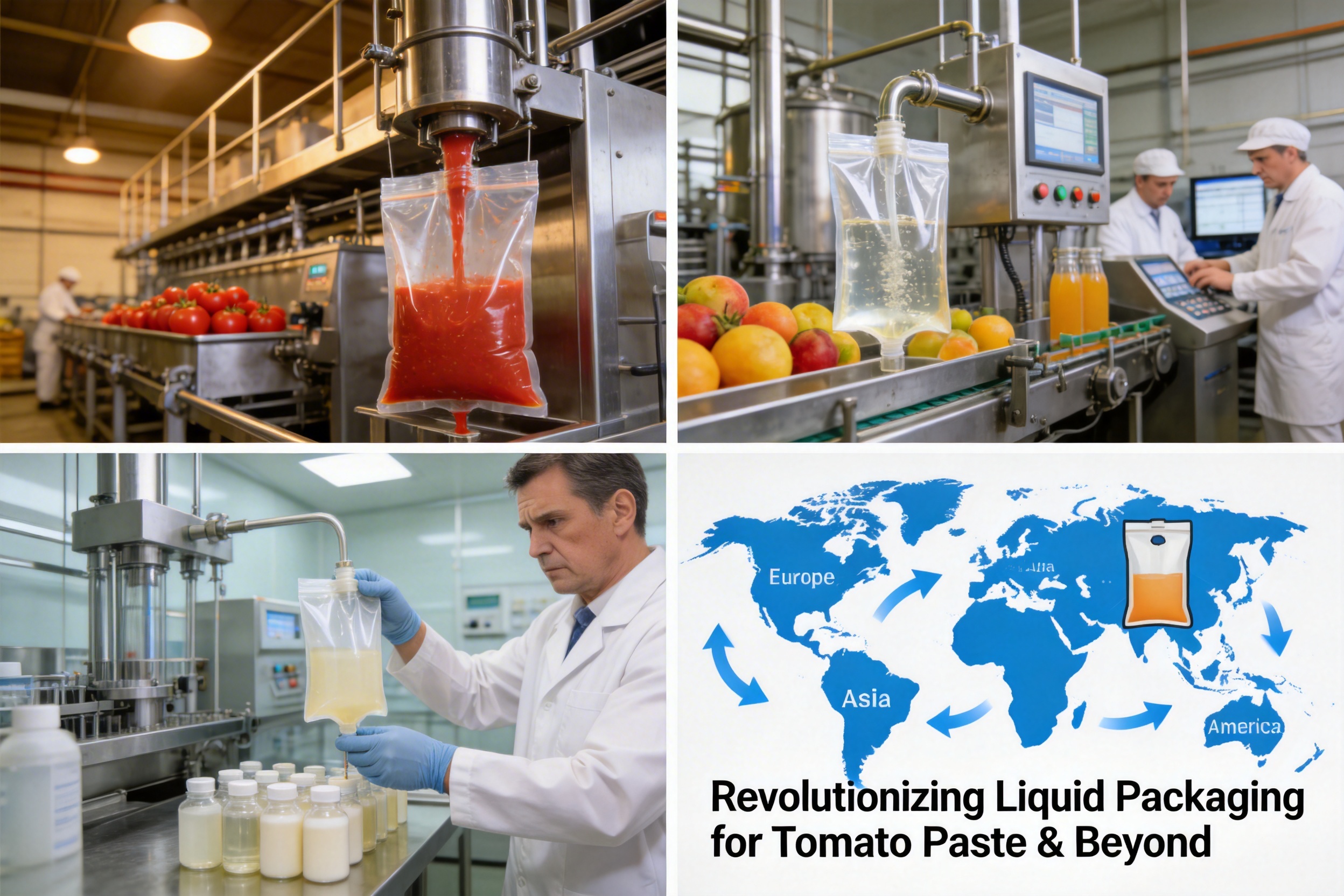
Q&A Section: Addressing Common Questions
To help readers better understand the 220L aseptic drum bag and its benefits, we’ve compiled a list of common questions and answers:
Q1: What is the shelf life of tomato paste packaged in this bag?
A: The shelf life of tomato paste packaged in this bag depends on the barrier level chosen. With the ultra-high barrier option, the shelf life can be up to 12 months when stored in a cool, dry place. This is significantly longer than the shelf life of tomato paste packaged in glass jars (6-8 months) or standard aseptic bags (8-10 months).
Q2: Is the bag compatible with existing filling equipment?
A: Yes, the bag is designed to fit standard 200L or 220L drums, which are widely used in the liquid food industry. It is also compatible with most filling equipment, eliminating the need for manufacturers to invest in new equipment.
Q3: What certifications does the bag have?
A: The bag adheres to ABMA (European Aseptic Bag Manufacturers Association) standards, which are the gold standard for aseptic packaging in Europe. It also meets China’s national standard for “Composite Bags for Aseptic Packaging of Liquid Foods” (GB 18454-2018), which was formulated with the manufacturer’s input. Additionally, the bag has been tested and certified to meet food safety regulations in the United States (FDA) and the European Union (EU).
Q4: Can the bag be customized for different volumes?
A: Yes, the manufacturer offers custom sizes ranging from 1 liter to 1500 liters. This means that manufacturers can choose the size that best suits their specific needs, whether it’s a small 1-liter bag for retail or a large 1500-liter bag for industrial use.
Q5: How does the Better-recycle initiative work?
A: The Better-recycle initiative is a program that allows manufacturers to return used bags to the manufacturer for recycling. The bags are then processed to separate the multi-layer film into its individual components (PE, ALU, EVOH), which are then recycled into new products. This reduces the amount of plastic waste sent to landfills and conserves natural resources.
Q6: What is the minimum order quantity (MOQ) for the bag?
A: The MOQ depends on the size and customization of the bag. For the standard 220L aseptic drum bag, the MOQ is 1000 units. However, the manufacturer also offers smaller MOQs for custom sizes and designs.
Q7: Does the manufacturer offer filling services?
A: Yes, the manufacturer offers a one-stop solution for both filling and packaging. This means that manufacturers can send their liquid products to the manufacturer’s facility, where they are filled into the aseptic bags. This saves time and resources, as manufacturers do not need to invest in their own filling equipment.
Q8: How does the solvent-free lamination process benefit food safety?
A: Solvent-free lamination eliminates the risk of harmful solvent residues leaching into the food product. Traditional lamination processes use solvents like toluene, which can leave residues in the bag. These residues can be harmful to human health if they come into contact with food. Solvent-free lamination ensures that the bag is completely safe for food contact.
Q9: What is the difference between standard, high, and ultra-high barrier levels?
A: The barrier level refers to the bag’s ability to prevent oxygen and moisture from entering the bag. Standard barrier is suitable for products with a short shelf life (3-6 months). High barrier is suitable for products with a medium shelf life (6-9 months). Ultra-high barrier is suitable for products with a long shelf life (9-12 months) or products that are particularly sensitive to oxidation (like tomato paste).
Q10: Where is the bag manufactured?
A: The bag is manufactured in China, in a facility that is equipped with a GMP 100,000-level clean workshop. The manufacturer has two manufacturing plants in China and branches in Europe, allowing it to serve customers worldwide.
Conclusion: The Future of Liquid Food Packaging
The 220L aseptic drum bag represents a significant advancement in liquid food packaging. Its superior barrier properties, safe sterilization process, lightweight design, and sustainability features make it the ideal solution for manufacturers looking to improve their bottom line, reduce waste, and meet the growing demand for safe, high-quality food products. With the manufacturer’s advanced manufacturing processes, one-stop solution, and commitment to sustainability, this bag is poised to revolutionize the liquid food industry—setting a new standard for efficiency, safety, and environmental responsibility.
As the global population continues to grow, the demand for safe, affordable, and sustainable food products will only increase. The 220L aseptic drum bag is a testament to the power of innovation in addressing these challenges, and it is likely to play a key role in the future of liquid food packaging.
References
1. European Aseptic Bag Manufacturers Association (ABMA). (2023). Guidelines for Aseptic Packaging of Liquid Foods. Brussels, Belgium.
2. China National Standardization Administration. (2018). GB 18454-2018: Composite Bags for Aseptic Packaging of Liquid Foods. Beijing, China.
3. World Health Organization (WHO). (2022). Food Safety and Aseptic Packaging: Best Practices for Developing Countries. Geneva, Switzerland.
4. Sustainable Packaging Coalition (SPC). (2023). Eco-Friendly Flexible Packaging: Trends and Innovations in 2023. Virginia, USA.
5. Journal of Food Engineering. (2021). “Multi-Layer Flexible Films for Aseptic Packaging: A Review of Barrier Properties and Applications.” Vol. 305, Issue 2, pp. 114-126.
6. Food and Drug Administration (FDA). (2022). Guidance for Industry: Aseptic Processing of Food Products. Silver Spring, MD, USA.
7. European Commission. (2021). Regulation (EU) 2021/1234 on Food Contact Materials. Brussels, Belgium.