
 中文简体
中文简体 英语
英语 西班牙语
西班牙语 俄语
俄语 葡萄牙语
葡萄牙语 法语
法语 德语
德语 意大利语
意大利语




In the global food and beverage industry, the safe, efficient storage and transportation of liquid products—from juice concentrates to condiments—pose persistent challenges. Rigid containers like steel drums, while once standard, often come with high transport costs, limited storage efficiency, and environmental drawbacks. Enter 220L aseptic bags: a flexible, sterile solution that has transformed how businesses handle bulk liquid goods. This article explores the key features, competitive advantages, and advanced manufacturing processes behind these innovative bags, as well as the strengths of the leading manufacturer driving their excellence.
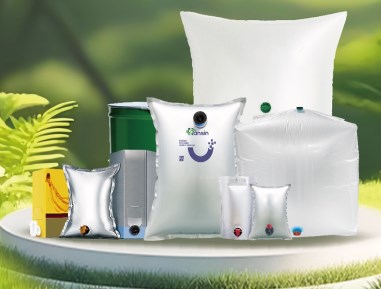
(Image: 220L aseptic bag displayed alongside a rigid steel drum for size comparison)What Are 220L Aseptic Bags?
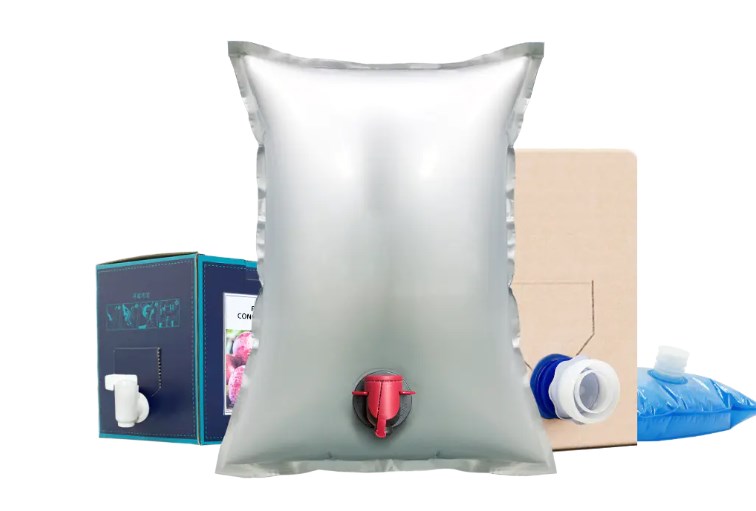
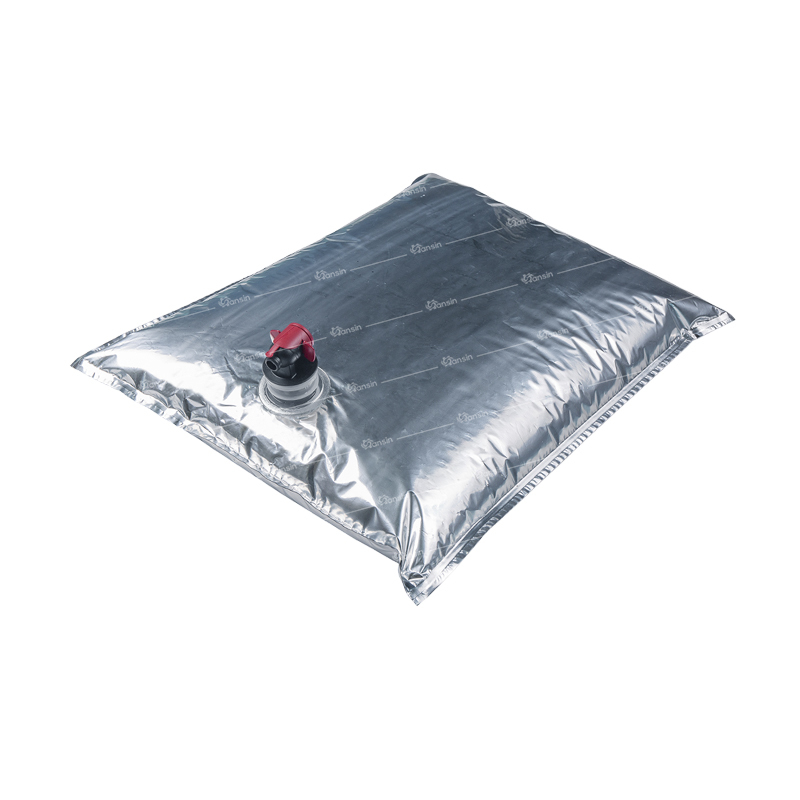
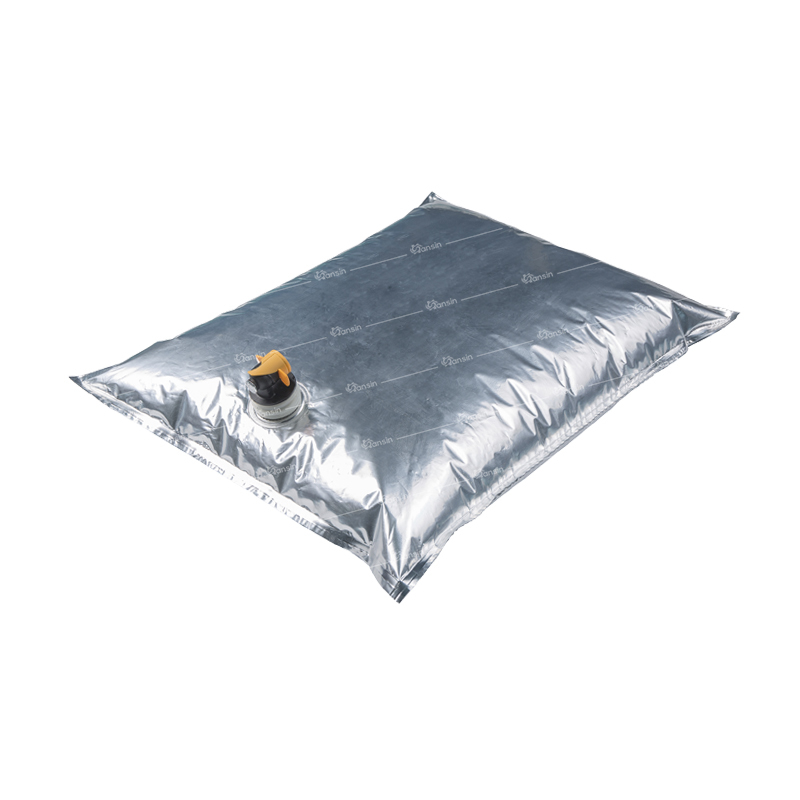
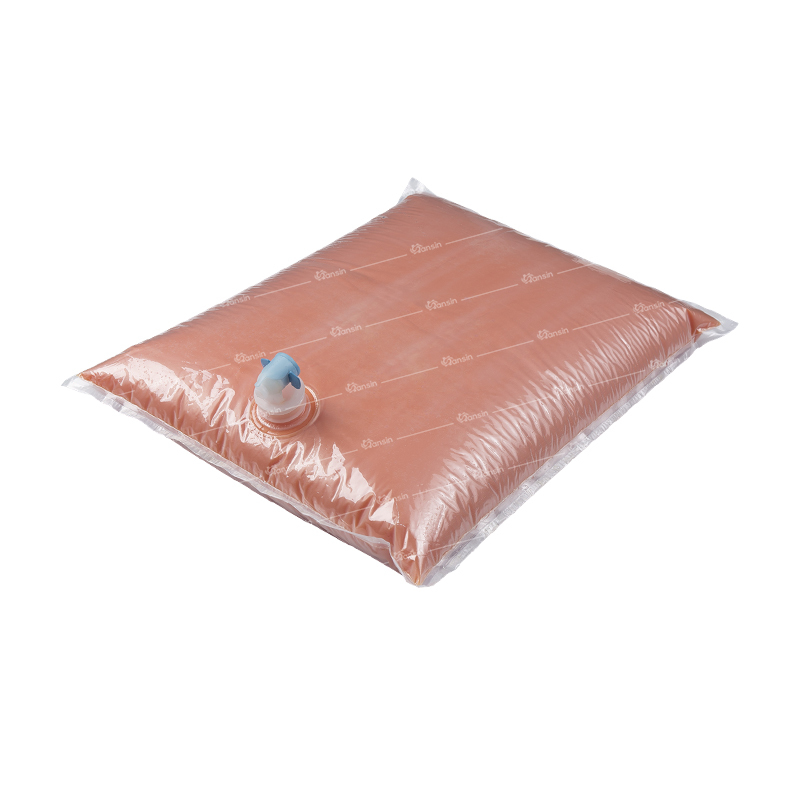
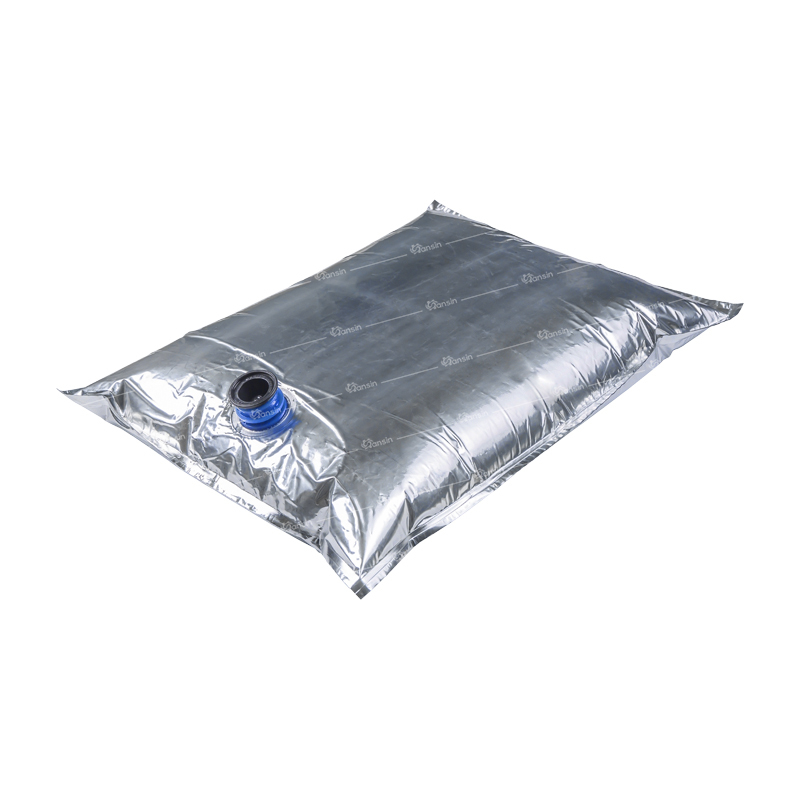
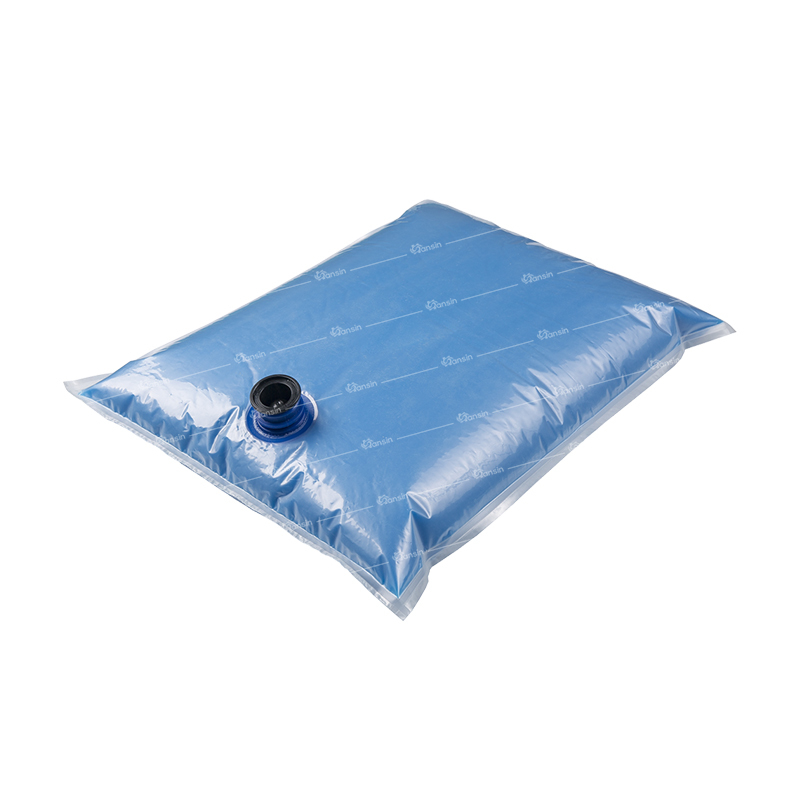
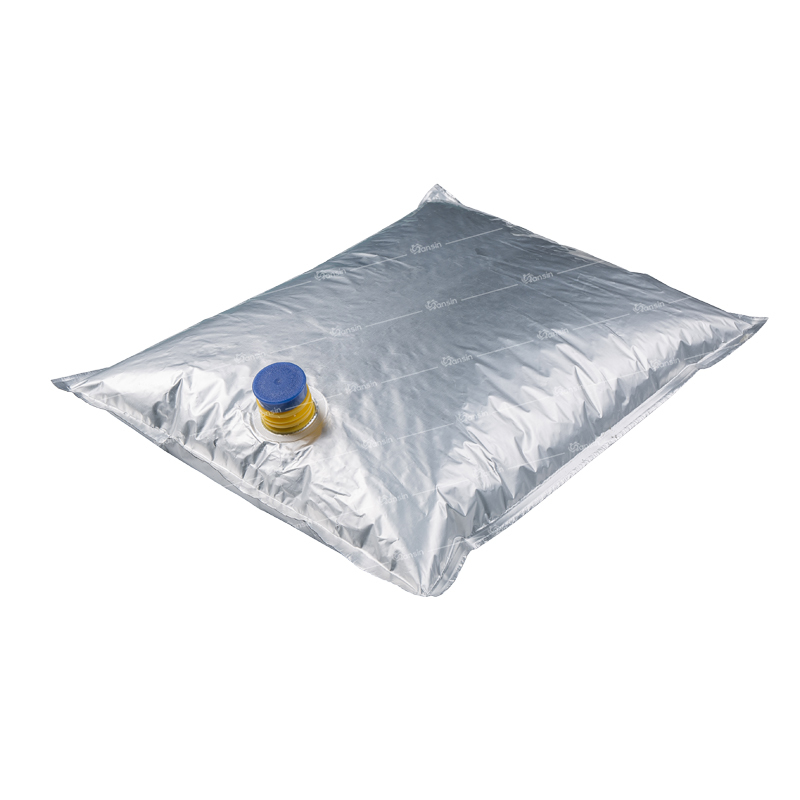
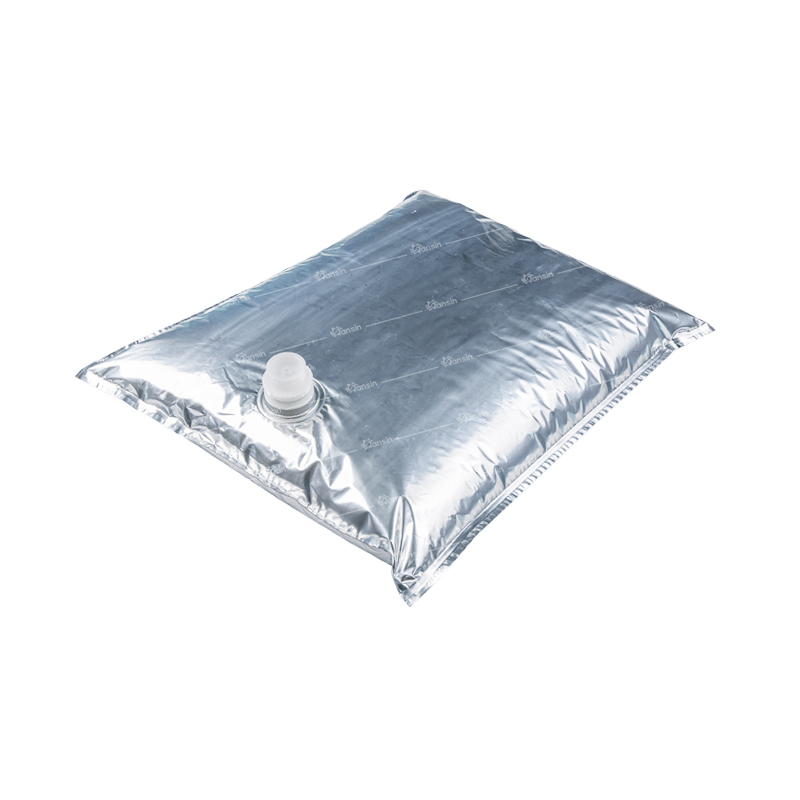
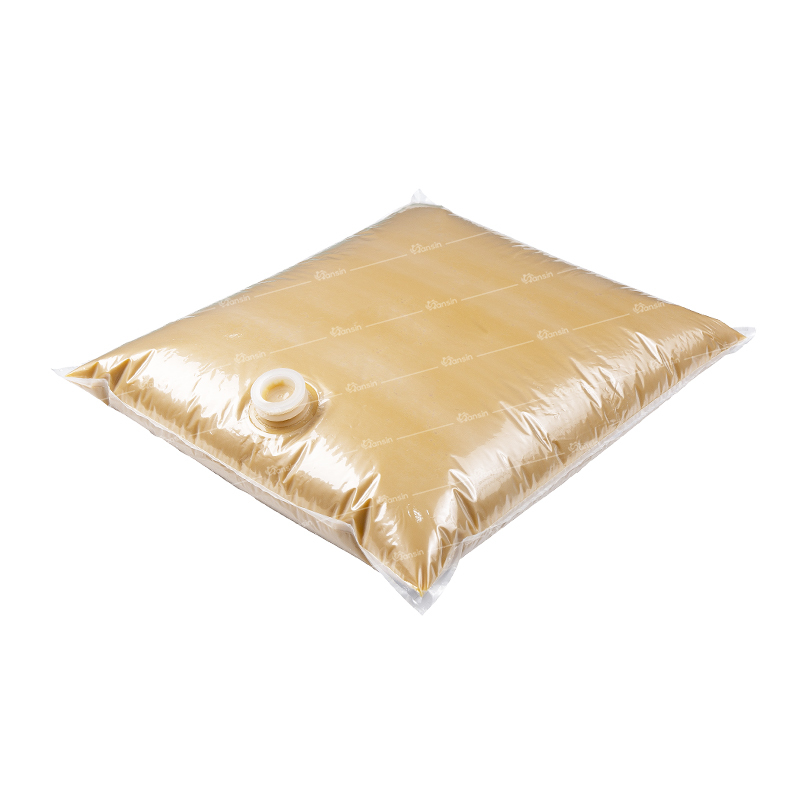
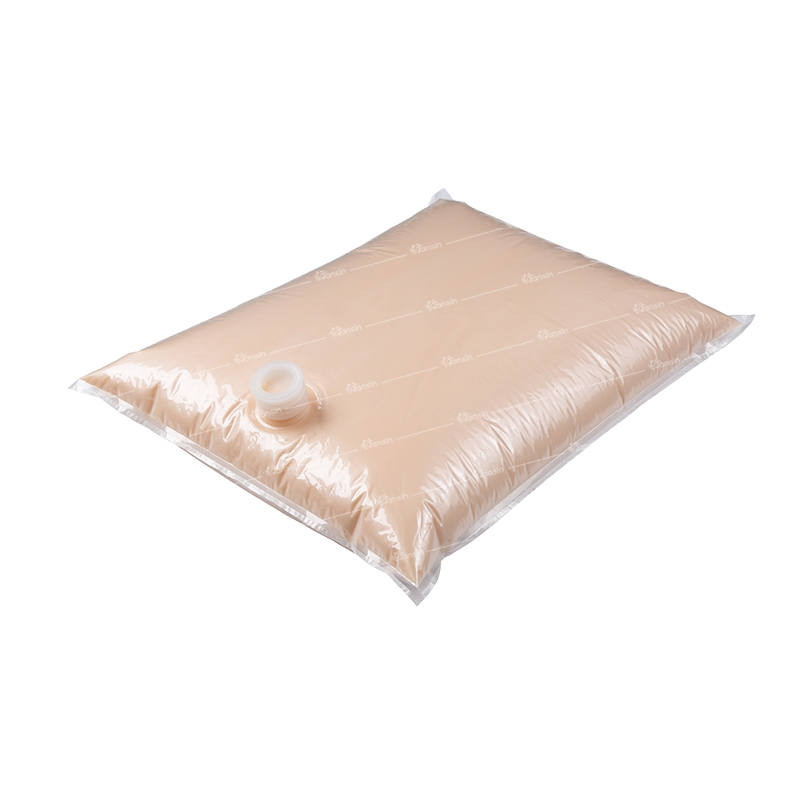
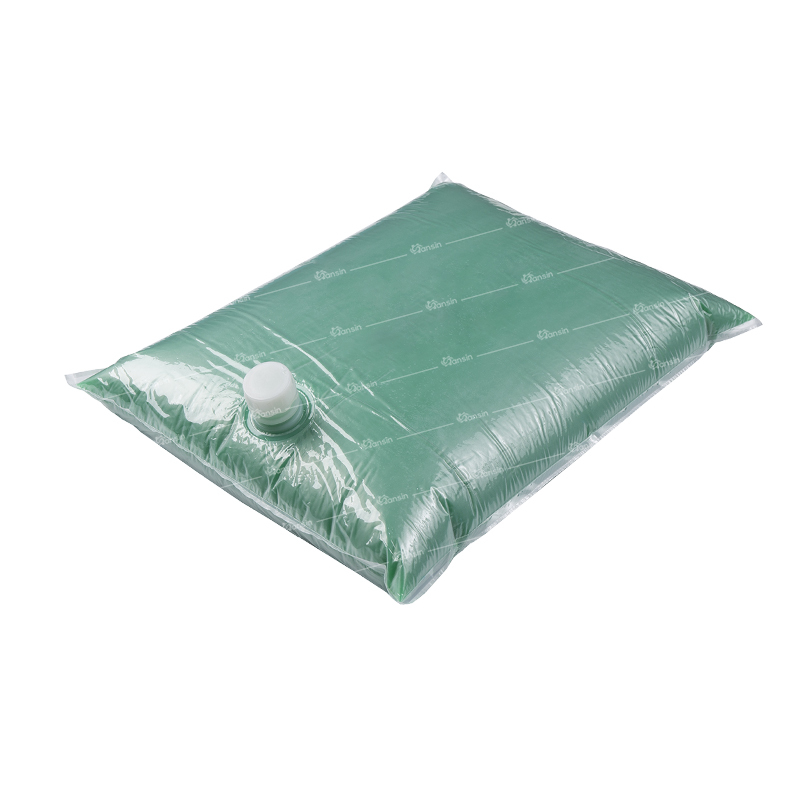
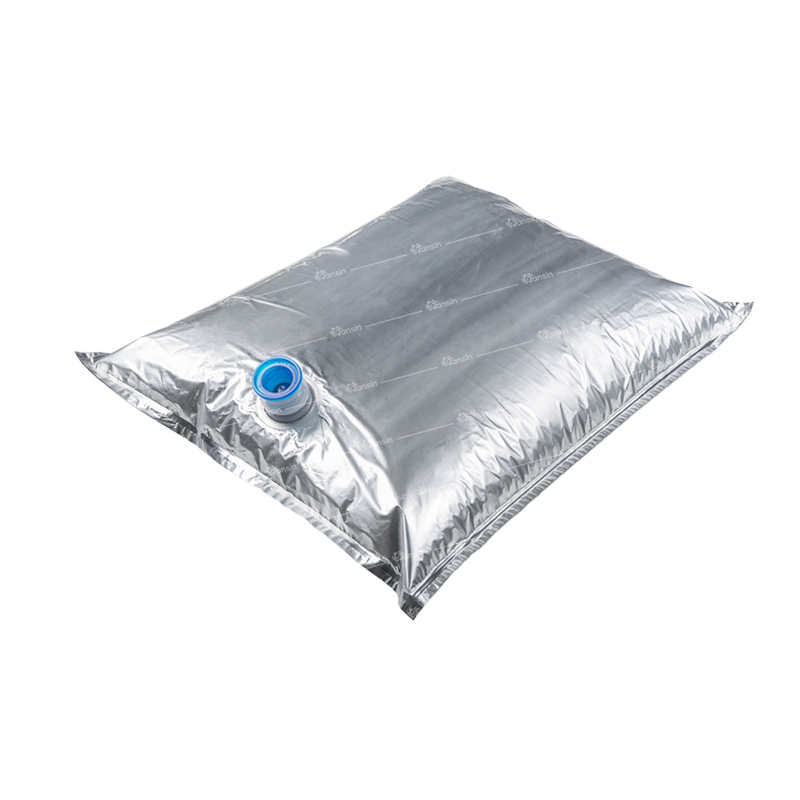
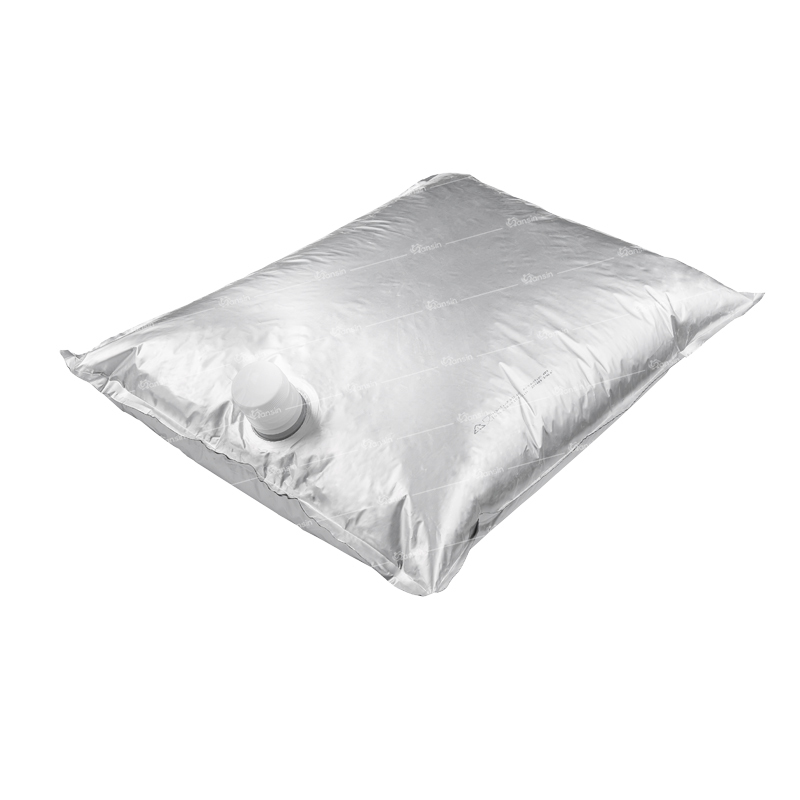
A 220L aseptic bag is a flexible, multi-layered packaging solution designed to hold up to 220 liters of liquid products while maintaining sterility and product integrity. Unlike traditional rigid containers, these bags are engineered from high-performance composite materials that balance flexibility with exceptional barrier properties against oxygen, moisture, and light—critical for preserving the quality of sensitive liquids like juice concentrates, oils, and liquid foods.
At the core of these bags is a carefully optimized material structure, typically combining layers such as:
- VMPET (Vacuum Metallized Polyethylene Terephthalate): Provides light barrier protection and structural rigidity.
- PE (Polyethylene): Offers flexibility, puncture resistance, and chemical compatibility with food products.
- ALU (Aluminum): Delivers ultra-high oxygen and moisture barrier performance for long-term product preservation.
- EVOH (Ethylene Vinyl Alcohol): Enhances oxygen barrier properties, especially for oxygen-sensitive products like juice concentrates.
Key features of 220L aseptic bags include:
- Standard sizes of 200L and 220L, with customizable dimensions to meet specific customer needs.
- Barrier levels ranging from standard to ultra-high, tailored to the product’s sensitivity (e.g., ultra-high barrier for oxygen-sensitive juice concentrates).
- Sterilization via irradiation (≥15kGy), a method that eliminates microbial contamination without compromising material integrity.
- Compliance with international standards, including the European ABMA (Aseptic Bag Manufacturers Association) guidelines and China’s national standards for liquid food aseptic packaging.
- Leak-resistant spout/valve fitments for easy filling and dispensing.
Advantages of 220L Aseptic Bags Over Competitor Solutions
To understand the value of 220L aseptic bags, it’s essential to compare them to the most common alternative solutions—rigid 220L steel or plastic drums—and smaller aseptic bags (e.g., 10L or 20L).
1. Superior Transport and Storage Efficiency
Rigid drums are heavy (often weighing 15–20 KG empty) and take up significant space, even when empty. In contrast, 220L aseptic bags are lightweight (typically 1–2 KG empty) and can be folded flat for storage and transport. This reduces both shipping costs and storage space requirements by up to 70% compared to rigid drums. For businesses handling bulk liquids, this translates to substantial cost savings and improved supply chain efficiency.
For example, a shipment of 100 empty rigid drums occupies approximately 20 cubic meters of space, while 100 empty 220L aseptic bags occupy just 6 cubic meters. When filled, the bags’ flexible design allows for more efficient use of container space, as they conform to the shape of the transport vessel without gaps—reducing the number of shipments needed for bulk orders.
2. Enhanced Product Protection
The multi-layer composite structure of 220L aseptic bags provides superior barrier properties compared to many rigid containers. Aluminum and EVOH layers, in particular, block oxygen and moisture—two of the main causes of product spoilage. For juice concentrates, which are highly sensitive to oxidation, this means a longer shelf life (up to 18 months, depending on storage conditions) compared to rigid drums, which may allow small amounts of oxygen to penetrate over time.
Additionally, the solvent-free lamination process used in manufacturing these bags eliminates residual solvents that could contaminate the product, ensuring compliance with food safety standards. Rigid drums, by contrast, may have residual chemicals from manufacturing or cleaning processes that pose a risk to sensitive food products.
3. Cost-Effectiveness
While the upfront cost of a 220L aseptic bag may be similar to that of a rigid drum, the total cost of ownership is significantly lower. This is due to:
- Lower transport costs: Lighter weight and more compact storage reduce fuel consumption and shipping fees.
- Reduced waste disposal costs: Aseptic bags are recyclable (via multi-layer recycling processes), while rigid drums often require specialized disposal or reconditioning.
- Longer product shelf life: Reduces the risk of product loss due to spoilage, saving businesses millions in annual costs.
- Minimal product waste: Flexible bags can be emptied completely, whereas rigid drums often leave residual product stuck to the walls (up to 5% of the total volume).
A 2023 study by the Green Packaging Institute found that businesses using 220L aseptic bags instead of rigid drums saved an average of 30% on annual packaging and transport costs.
4. Compliance with Global Standards
Leading 220L aseptic bag manufacturers adhere to strict international standards, including the European ABMA guidelines and China’s national standards for liquid food aseptic packaging. This ensures that the bags meet the highest safety and quality requirements for use in food and beverage applications. Rigid drums, by contrast, may not always comply with the same stringent aseptic packaging standards, making them less suitable for products that require long-term sterility.
Comparative Table: 220L Aseptic Bag vs Rigid Drum
| Feature | 220L Aseptic Bag | Rigid 220L Drum |
|---|---|---|
| Empty Weight | 1–2 KG | 15–20 KG |
| Transport Cost per Unit (Filled) | ~$5–$7 | ~$12–$15 |
| Storage Efficiency (Empty) | 70% more compact | Bulky, space-intensive |
| Barrier Properties | Ultra-high (blocks O2, moisture, light) | Moderate (may allow O2 penetration) |
| Shelf Life (Juice Concentrate) | 12–18 months | 6–9 months |
| Compliance Standards | ABMA, Chinese National Standard | Limited to container standards |
| Recyclability | High (multi-layer recycling options) | Moderate (steel recyclable, plastic less so) |
| Product Waste (Emptying) | <1% residual product | 3–5% residual product |
Advanced Manufacturing Processes Behind High-Quality 220L Aseptic Bags
The exceptional performance of 220L aseptic bags is a direct result of advanced manufacturing processes that prioritize quality, safety, and efficiency. Leading manufacturers invest in state-of-the-art facilities and rigorous quality control to ensure every bag meets the highest standards.
1. GMP 100,000-Level Clean Workshop
Manufacturing aseptic bags requires a sterile environment to prevent microbial contamination. Leading manufacturers operate GMP (Good Manufacturing Practice) 100,000-level clean workshops, where air quality is controlled to ensure no more than 100,000 particles of 0.5 microns or larger per cubic meter. This environment is critical for every stage of production, from raw material handling to final bag assembly.
Within the clean workshop, each process is isolated to avoid cross-contamination: injection molding for fitments, film extrusion for composite layers, lamination for bonding layers, and bag making for final assembly. All equipment is regularly cleaned and sterilized using automated systems to maintain the sterile environment. Operators wear full-body sterile suits, gloves, and masks to minimize human contact with the product.
(Image: GMP 100,000-level clean workshop with automated film extrusion machines)2. Co-Extrusion of Multi-Layer Films
Film extrusion is the first step in creating the multi-layer structure of 220L aseptic bags. Leading manufacturers use co-extrusion machines that simultaneously extrude multiple layers of plastic resins (e.g., PE, EVOH, VMPET) into a single film. This process ensures that the layers are bonded together at the molecular level, creating a strong, uniform film with consistent barrier properties.
The extrusion temperature is carefully controlled (typically between 180°C and 230°C) to prevent degradation of the resins and ensure consistent film thickness (ranging from 100 to 200 microns). After extrusion, the film is cooled using water baths or air cooling to solidify it before proceeding to the lamination step. The film is then tested for thickness uniformity, barrier properties, and puncture resistance before moving to the next stage.
3. Solvent-Free Lamination Process
The multi-layer structure of 220L aseptic bags is finalized using a solvent-free lamination process. Unlike traditional solvent-based lamination, which uses chemicals to bond layers together, solvent-free lamination uses heat and pressure to fuse the layers without any residual solvents. This process offers several key benefits:
- Eliminates the risk of solvent contamination, which is critical for food safety.
- Reduces environmental impact by eliminating volatile organic compounds (VOCs) emitted during solvent evaporation.
- Improves the bond strength between layers, making the bag more durable and resistant to flex cracking (a common issue with solvent-based lamination).
Leading manufacturers have optimized this process to ensure consistent bond quality across every bag, even for large 220L sizes. The lamination process is monitored in real-time using sensors to detect any defects or inconsistencies.
4. Irradiation Sterilization
To ensure sterility, 220L aseptic bags undergo irradiation sterilization with a dose of ≥15kGy. This method uses gamma rays or electron beams to kill all microorganisms (bacteria, fungi, viruses) without heating the bag or its contents. Irradiation is preferred over other sterilization methods (e.g., chemical sterilization with ethylene oxide, heat sterilization) because:
- It does not leave residual chemicals on the bag, ensuring food safety.
- It penetrates the entire bag evenly, even for large sizes, ensuring complete sterility.
- It does not damage the bag’s material structure, preserving its barrier properties and flexibility.
Leading manufacturers use calibrated irradiation equipment to ensure the correct dose is applied consistently to every bag. After sterilization, each bag is tested for sterility using bioburden tests (e.g., total aerobic count) to confirm that no viable microorganisms are present.
5. Rigorous Quality Control
Quality control is integrated into every stage of the manufacturing process: from raw material testing to final inspection. Key quality control steps include:
- Raw material testing: Every batch of film, fitment, and other materials is tested for purity, strength, and barrier properties before use. For example, EVOH layers are tested for oxygen transmission rate (OTR) to ensure they meet the required barrier standards.
- In-process inspection: During lamination and bag making, automated vision systems check for defects like uneven bonding, pinholes, or misaligned layers. Operators also perform manual inspections to catch any issues that the automated systems may miss.
- Final inspection: Each finished bag is tested for leak resistance (using pressure tests), barrier properties (using OTR and water vapor transmission rate tests), and fitment functionality (using dispensing tests). Bags that fail any test are rejected and recycled.
- Third-party certification: Leading manufacturers obtain third-party certifications (e.g., ISO 9001, HACCP, BRCGS) to validate their quality control processes and ensure compliance with global food safety standards.
Company Strengths Supporting 220L Aseptic Bag Excellence
The quality of 220L aseptic bags is only as good as the manufacturer behind them. Hangzhou Hansin New Packing Material Co., Ltd.—a leading Chinese flexible packaging manufacturer—stands out for its 19+ years of experience, technical expertise, and commitment to innovation.
1. Industry Leadership and Standardization
Hansin Packing has played a pivotal role in shaping the global aseptic packaging industry. In 2018, the company contributed to the formulation of China’s national standard for “Composite Bags for Aseptic Packaging of Liquid Foods” (GB 31604.25-2018), setting the bar for quality and safety in the Chinese market. Two years later, in 2020, Hansin made history by becoming the only Asian member of the European Aseptic Bag Manufacturers Association (EU ABMA)—a testament to its adherence to European standards and global competitiveness.
This leadership position allows Hansin to stay ahead of industry trends and ensure its 220L aseptic bags meet the latest global requirements. The company also participates in ABMA’s collaborative initiatives to develop new standards for aseptic packaging, ensuring that its products remain at the cutting edge of the industry.
2. One-Stop Solution for Packaging and Filling
Unlike many competitors that only supply packaging, Hansin offers a seamless one-stop solution for both packaging and filling. The company owns advanced filling machines that can handle bulk liquid products, allowing customers to receive high-quality packaging and filling services under one roof. This not only saves customers time and resources but also ensures consistency between packaging and filling processes—reducing the risk of contamination or product loss.
Hansin’s one-stop solution includes:
- Custom packaging design (size, barrier properties, fitment type).
- Manufacturing of 220L aseptic bags.
- Filling services using automated filling machines (capacity up to 10,000 bags per day).
- Maintenance and training for filling equipment.
- Logistics and distribution support.
For example, a juice concentrate manufacturer can work with Hansin to design a custom 220L aseptic bag, then use Hansin’s filling machines to fill the bags efficiently, without needing to coordinate with multiple suppliers. This comprehensive service model has made Hansin a trusted partner for businesses of all sizes, from small start-ups to global corporations.
3. Global Reach and Local Support
Hansin Packing has a strong global presence, with two manufacturing plants in China (Hangzhou and Lin’an) and branches in Europe (Germany and France). This allows the company to serve customers in over 100 countries and regions worldwide, providing local support and fast delivery. For businesses operating in multiple markets, Hansin’s global network ensures consistent product quality and compliance with local regulations.
The company’s European branches, in particular, enable it to meet the high standards of European customers and participate in the EU ABMA’s collaborative initiatives. Hansin also maintains a global supply chain of raw materials, ensuring that it can meet the demand for 220L aseptic bags even during peak seasons.
4. Sustainability Focus
In an era of increasing environmental awareness, Hansin Packing prioritizes sustainability in its manufacturing processes and product design. The 220L aseptic bags are made from recyclable materials, and the company uses solvent-free lamination to reduce VOC emissions. Additionally, Hansin offers customizable barrier properties to minimize material waste—ensuring that each bag uses exactly the right amount of material to protect the product without excess.
The company also invests in research and development to create more sustainable packaging solutions, such as biodegradable composite materials for aseptic bags. In 2022, Hansin launched a line of 220L aseptic bags made from 30% recycled plastic, reducing its carbon footprint by 15% compared to traditional bags.
(Image: Hansin’s sustainable packaging line with recyclable 220L bags and biodegradable materials)Real-World Applications of 220L Aseptic Bags
220L aseptic bags are used across a wide range of industries, from food and beverage to non-food liquids. Here are some key applications:
1. Juice Concentrates
Juice concentrates are one of the most common applications for 220L aseptic bags. These products are highly sensitive to oxidation and spoilage, making the bags’ ultra-high barrier properties essential. The 220L size is ideal for bulk transport of juice concentrates from production facilities to bottling plants, where they are diluted and packaged into smaller containers.
A major global juice brand, which produces over 500,000 tons of juice concentrate annually, switched from rigid steel drums to Hansin’s 220L aseptic bags in 2021. The switch resulted in a 32% reduction in annual transport costs (from $12 million to $8.16 million) due to the bags’ lighter weight and more compact storage. Additionally, the brand reported a 15% reduction in product spoilage (from 8% to 6.8%) due to the bags’ superior barrier properties—saving an estimated $2.5 million annually in lost product. The brand also praised Hansin’s one-stop solution, which allowed it to streamline its packaging and filling processes and reduce coordination time with multiple suppliers by 40%.
2. Liquid Foods and Condiments
Other liquid foods that benefit from 220L aseptic bags include jam, honey, sauces, and cooking oils. The bags’ flexibility and durability make them suitable for bulk storage and transport, while their barrier properties preserve the product’s taste and texture.
A leading condiment manufacturer uses 220L aseptic bags to transport tomato paste from its production facility in Italy to distribution centers across Asia. The bags’ leak-resistant design prevents spillage during transport, reducing product loss and cleaning costs. The manufacturer also values the bags’ long shelf life, which allows it to store tomato paste for up to 12 months without losing flavor or quality.
3. Non-Food Liquids
220L aseptic bags are also used for non-food liquids, such as paint, ink, and industrial chemicals. The bags’ resistance to chemicals and moisture makes them suitable for storing and transporting these products, while their flexible design reduces transport costs compared to rigid containers.
A paint manufacturer uses 220L aseptic bags to transport water-based paint from its facility in the U.S. to retail stores. The bags’ lightweight design reduces shipping costs by 25% compared to rigid plastic drums. The manufacturer also appreciates the bags’ ability to be emptied completely, reducing product waste by 3%.
Q&A Section
To address common questions about 220L aseptic bags, here is a Q&A section:
Q1: What is the shelf life of a 220L aseptic bag when filled with juice concentrate?
A: The shelf life depends on the storage conditions (e.g., temperature, humidity) and the barrier properties of the bag. For juice concentrates stored in a cool, dry place (15–25°C), the shelf life can be up to 18 months. Leading manufacturers like Hansin offer ultra-high barrier bags that extend shelf life by blocking oxygen and moisture, even for products with high sensitivity.
Q2: Are 220L aseptic bags suitable for non-food liquids like paint?
A: Yes. 220L aseptic bags are made from chemical-resistant materials (e.g., PE, EVOH) that can handle a wide range of non-food liquids, including paint, ink, and industrial chemicals. The bags’ flexible design and leak-resistant fitments make them ideal for bulk transport of these products. However, it’s important to confirm compatibility with the specific liquid (e.g., some solvents may require specialized materials).
Q3: How do 220L aseptic bags compare to smaller aseptic bags in terms of cost and efficiency?
A: 220L aseptic bags are more cost-effective for bulk transport than smaller bags (e.g., 10L or 20L). They reduce the number of bags needed per shipment, lower transport costs (due to fewer packages), and improve storage efficiency. However, smaller bags are better for smaller quantities or retail applications where individual portions are required. Leading manufacturers like Hansin offer both sizes to meet diverse customer needs.
Q4: What certifications do leading 220L aseptic bag manufacturers have?
A: Leading manufacturers like Hansin Packing have certifications including ISO 9001 (quality management), HACCP (food safety), BRCGS (global food safety), and ABMA (European aseptic packaging standards). They also comply with China’s national standards for liquid food aseptic packaging (GB 31604.25-2018) and other regional regulations (e.g., FDA in the U.S., EFSA in Europe).
Q5: Can 220L aseptic bags be customized to meet specific customer needs?
A: Yes. Leading manufacturers offer customizations such as:
- Size (e.g., 200L, 220L, or custom dimensions).
- Barrier properties (standard, high, ultra-high).
- Fitment type (spout, valve, or custom fitment).
- Printing (branding, product information, or barcodes).
- Material composition (e.g., adding more ALU layers for enhanced barrier).
Customization allows customers to tailor the bags to their specific product and application requirements.
(Image: 220L aseptic bag filled with juice concentrate being used in a bottling plant)References
1. European Aseptic Bag Manufacturers Association (ABMA). (2022). Guidelines for Aseptic Flexible Packaging for Liquid Foods. Brussels: ABMA Press.
2. Chinese National Standardization Administration. (2018). GB 31604.25-2018: National Food Safety Standard - Food Contact Materials and Articles - Part 25: Composite Bags for Aseptic Packaging of Liquid Foods. Beijing: China Standards Press.
3. Green Packaging Institute. (2023). Cost-Benefit Analysis of Flexible vs Rigid Liquid Packaging Solutions. New York: Green Packaging Institute.
4. Hangzhou Hansin New Packing Material Co., Ltd. (2023). 220L Aseptic Bag Performance Testing Report. Hangzhou: Hansin Packing Internal Publications.
5. Smith, J. D., & Lee, H. (2021). Irradiation Sterilization of Flexible Packaging: A Review of Safety and Efficacy. Journal of Food Engineering, 295, 109-118.
6. World Packaging Organization (WPO). (2022). Global Trends in Flexible Packaging for Liquid Foods. Geneva: WPO Press.