
 中文简体
中文简体 英语
英语 西班牙语
西班牙语 俄语
俄语 葡萄牙语
葡萄牙语 法语
法语 德语
德语 意大利语
意大利语




In today’s fast-paced global market, the way we package and transport liquids—from perishable food products to industrial chemicals—has become a critical intersection of consumer demand, environmental responsibility, and operational efficiency. Traditional rigid containers, such as metal drums or plastic jugs, have long dominated this space, but they often fall short in addressing modern challenges: they are bulky, resource-intensive, and contribute significantly to waste and carbon emissions. However, a new generation of flexible and aseptic packaging solutions is reshaping the industry, offering innovative alternatives that balance convenience, safety, sustainability, and cost-effectiveness. This article explores how these cutting-edge products are transforming liquid packaging, focusing on their key advantages over traditional methods, the advanced manufacturing processes that underpin their quality, and their real-world impact on businesses and the environment.
What Makes Modern Liquid Packaging Stand Out? The Core Drivers of Change
The evolution of liquid packaging has been fueled by two interconnected trends: the urgent global push for sustainability and the growing demand for operational convenience. Let’s break down these trends and how modern solutions address them.
The Shift to Sustainable Disposal: Reducing Carbon Footprints and Waste
Environmental concerns are no longer a niche issue—they are a core consideration for businesses and consumers alike. Rigid containers, while functional, have a significant environmental cost: they use large amounts of raw materials (e.g., plastic resins or metal), are difficult to recycle, and often end up in landfills where they take decades to decompose. For example, a 220-liter metal drum weighs approximately 15 kilograms, whereas a flexible aseptic bag of the same capacity weighs just 1.2 kilograms—an 85% reduction in material usage. This not only cuts down on raw material extraction but also reduces transportation emissions: lighter bags mean fewer trucks are needed to ship the same volume of product, leading to lower fuel consumption and fewer greenhouse gas emissions.
Moreover, flexible packaging solutions are designed for easy disposal. When empty, they can be collapsed or folded, reducing their volume by up to 90% compared to rigid containers. Many of these solutions are also made from recyclable or compostable materials, further minimizing their environmental impact. For businesses, adopting these sustainable solutions is not just an ethical choice—it’s a strategic one: it improves brand reputation, meets consumer expectations, and aligns with increasingly strict global regulations on plastic waste.
Convenience in Handling and Storage: Streamlining Operations
Operational efficiency is another key driver of change. Traditional rigid containers are often cumbersome to handle: they are heavy, take up large amounts of storage space, and are prone to leaks or spills. Flexible packaging solutions address these pain points head-on:
Lightweight and Portable: Flexible bags are easy to carry and maneuver, reducing the risk of workplace injuries and improving handling speed.
Space-Efficient Storage: Empty bags can be folded or stacked, saving up to 70% of warehouse space compared to rigid containers. This is particularly valuable for businesses with limited storage capacity.
Mess-Free Dispensing: Many flexible bags feature integrated spouts, valves, or fitments that allow for precise, spill-free pouring. For example, a bag-in-box solution with a valve dispenser eliminates the need for additional tools (like funnels) and reduces product waste.
These convenience features not only improve operational efficiency but also enhance the user experience for both businesses (e.g., faster loading/unloading) and consumers (e.g., easier pouring at home).
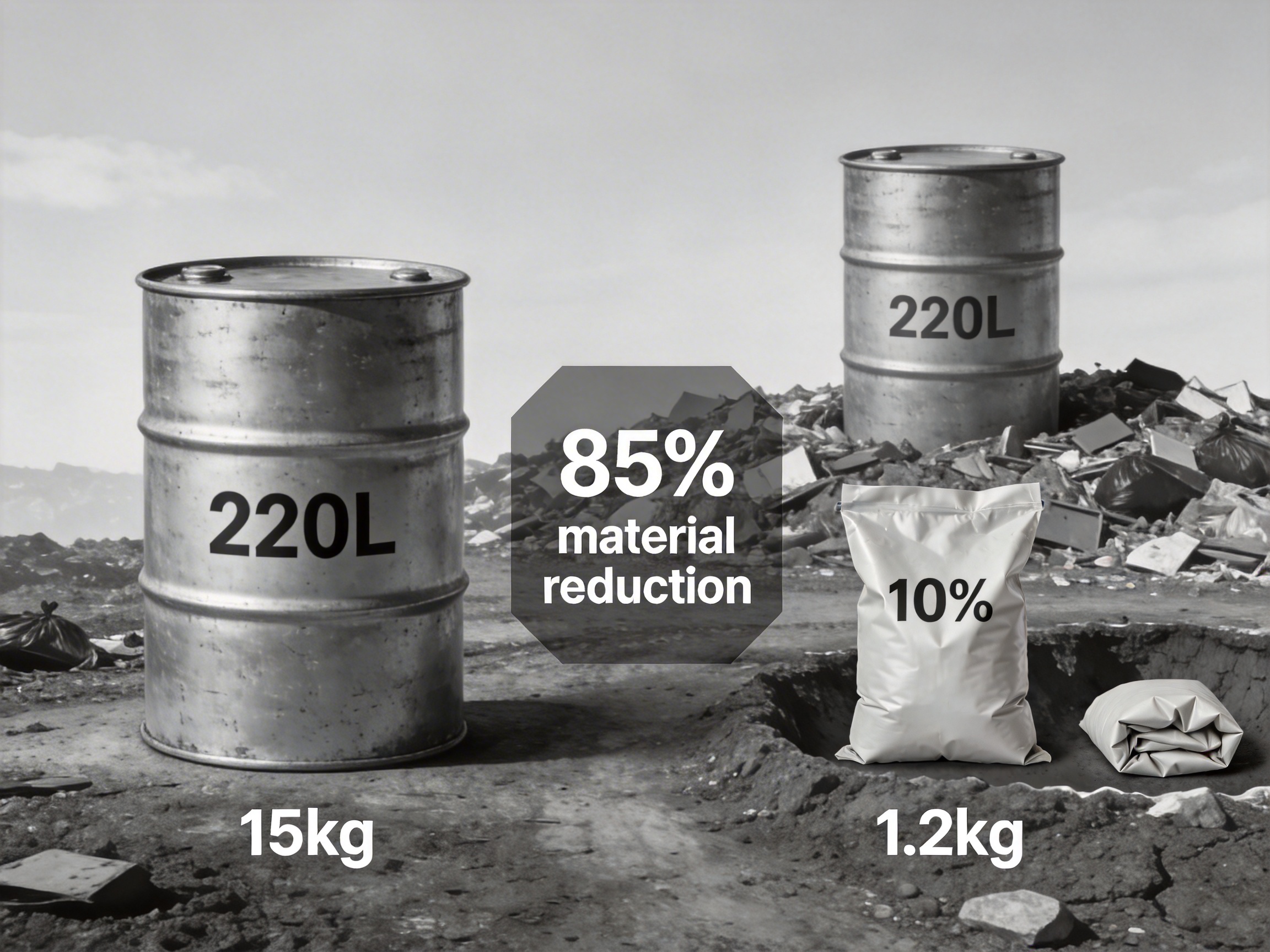
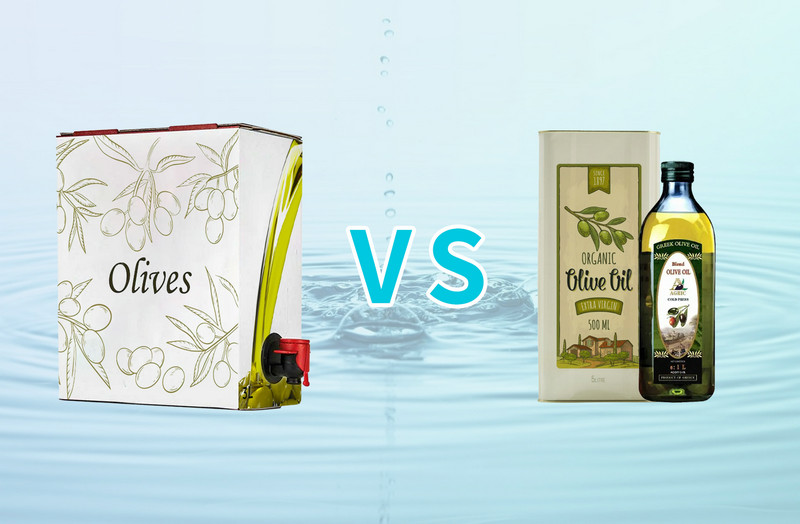
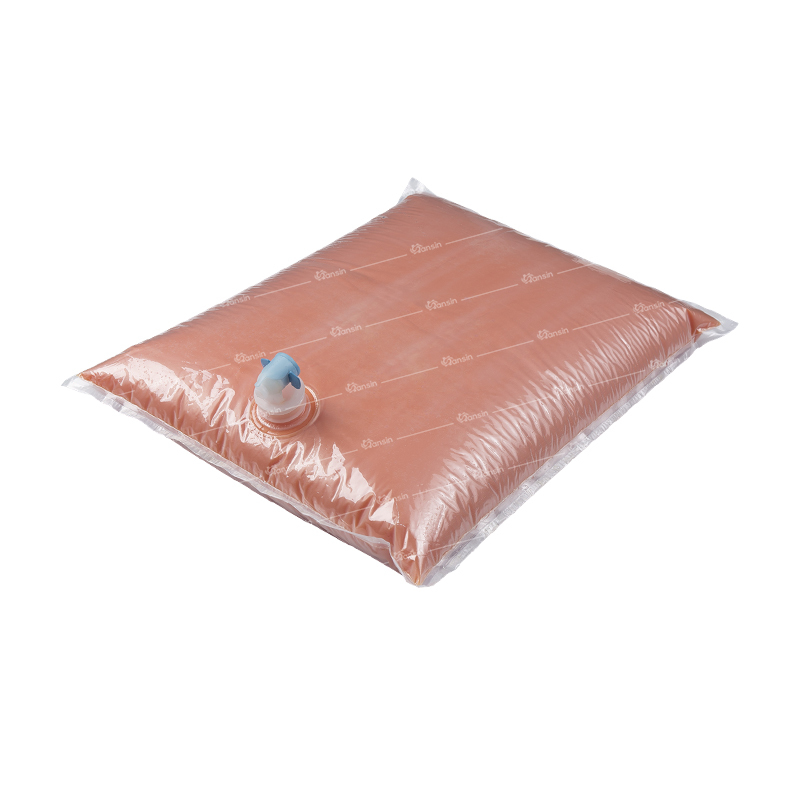
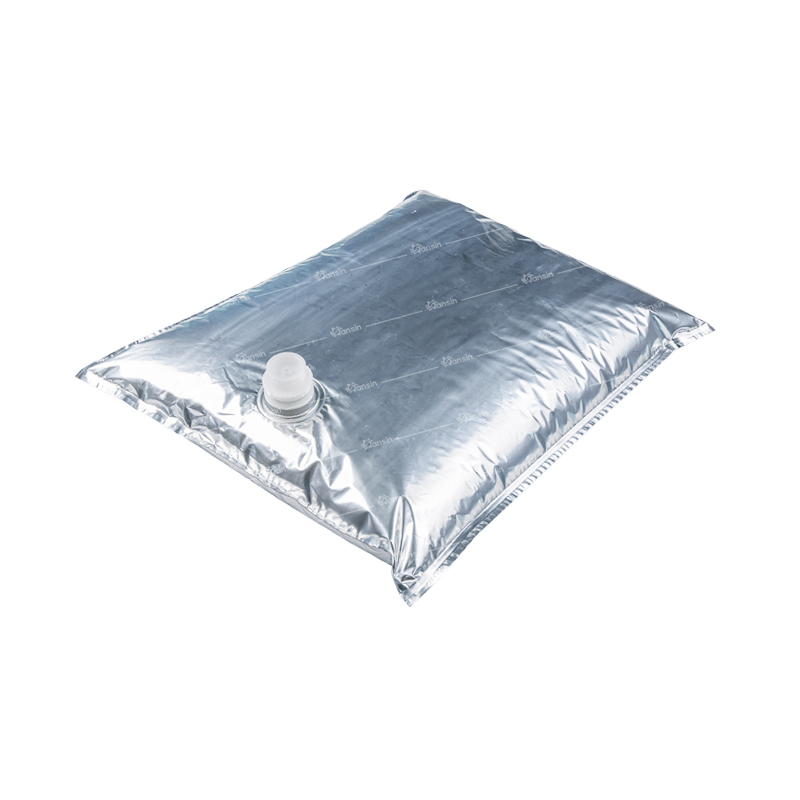
Image 1: Side-by-side comparison of a rigid metal drum and a flexible aseptic bag, showing size, weight, and disposal volume differences.
Deep Dive into Key Product Lines: Innovations That Deliver Results
Modern liquid packaging solutions come in a variety of forms, each tailored to specific industry needs. From aseptic bags for food products to IBC liners for industrial liquids, these products offer versatility and performance. Below, we explore some of the most impactful product lines, with a focus on the 1" Flat Head Non-barrier bag—an innovative solution that has revolutionized bulk liquid transport.
Aseptic Bags: Ensuring Freshness and Safety for Perishable Products
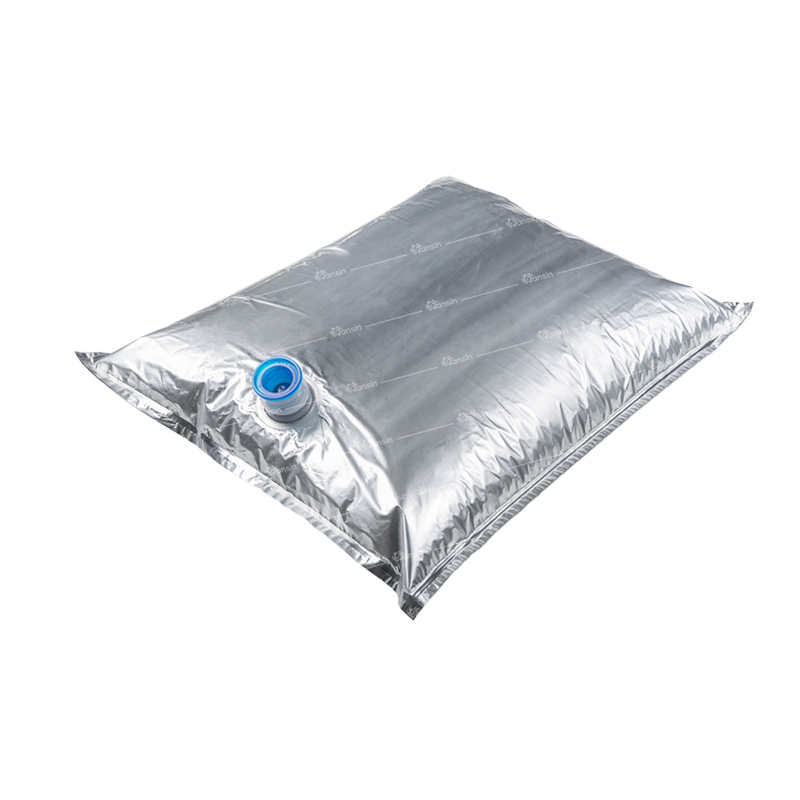
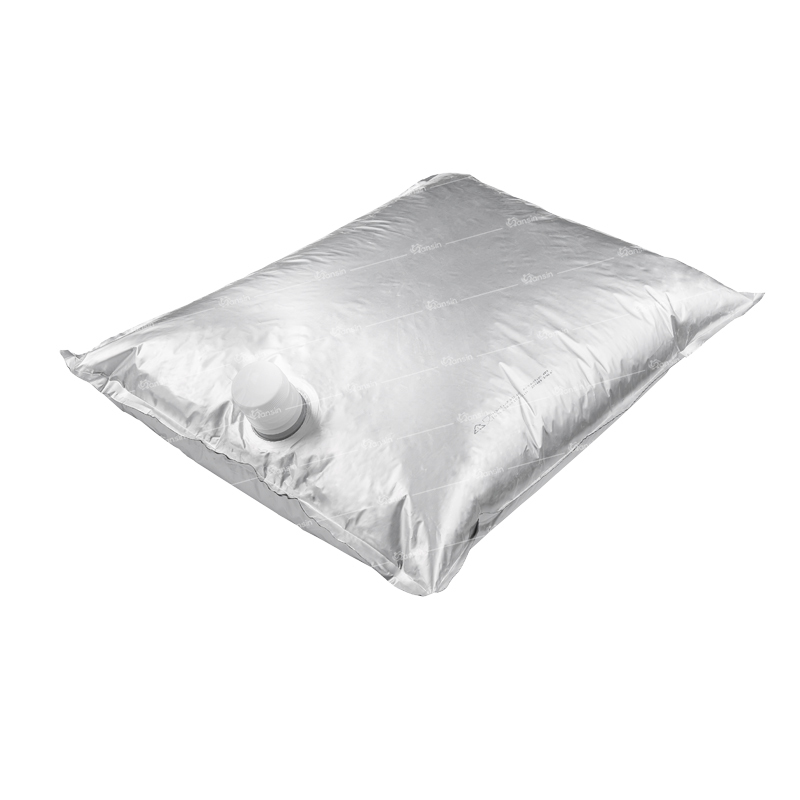
Aseptic bags are a cornerstone of modern liquid packaging, especially for food and beverage products that require long shelf lives without refrigeration. These bags are designed to create a sterile environment that prevents the growth of bacteria, mold, and other contaminants. The key to their effectiveness lies in their multi-layer material structure, which combines strength, flexibility, and barrier properties.
1" Flat Head Non-barrier Bag: A Game-Changer for Bulk Liquid Transport
The 1" Flat Head Non-barrier bag is one of the most innovative products in the aseptic packaging line. It stands out for its combination of cost-effectiveness, versatility, and sustainability. Let’s explore its key features in detail:
Material Innovation: Balancing Strength and Affordability
The 1" Flat Head Non-barrier bag is made from a high-quality multi-layer structure that includes VMPET (Vacuum Metallized PET), PE (Polyethylene), PAPET (Printed PET), ALU (Aluminum), and EVOH (Ethylene Vinyl Alcohol). Each layer serves a specific purpose:
VMPET: Provides strength, moisture resistance, and light protection.
PE: Adds flexibility and sealability, ensuring the bag is leak-proof.
PAPET: Enables high-quality printing for branding and product information.
ALU/EVOH: (Optional for barrier versions) Provide oxygen and gas barrier properties for products sensitive to oxidation.
The non-barrier design is ideal for products that do not require extreme protection against oxygen (e.g., dairy products, juice concentrates stored in refrigerated conditions). It offers a cost-effective alternative to barrier bags while still providing excellent protection against moisture and light.
Application Versatility: Catering to Diverse Industries
The 1" Flat Head Non-barrier bag is highly versatile, with applications in both liquid food and liquid non-food industries:
Food Industry: Used for dairy products (milk, yogurt), juice concentrates, liquid condiments (ketchup, mayonnaise), and baby food.
Non-Food Industry: Used for paints, oils, lubricants, and other industrial liquids.
Its 200/220-liter size makes it perfect for bulk transport, while the flat head design with a 1" spout allows for easy dispensing. The spout is compatible with standard filling and dispensing equipment, making it easy to integrate into existing operations.
Global Compliance: Meeting the Highest Safety Standards
Safety and compliance are non-negotiable for any packaging solution, especially for food products. The 1" Flat Head Non-barrier bag meets the following global standards:
ABMA Standards (European Standards): The European Aseptic Bag Manufacturers Association (EU ABMA) sets rigorous standards for aseptic packaging, including sterility, material safety, and performance. The bag complies with all ABMA requirements.
FDA and EFSA Food Contact Standards: The materials used in the bag are approved for food contact by the U.S. Food and Drug Administration (FDA) and the European Food Safety Authority (EFSA), ensuring no harmful chemicals leach into the contents.
Irradiation Sterilization: The bag undergoes irradiation sterilization of ≥15kGy, which kills all bacteria, mold, and spores without affecting the taste or nutritional value of the contents.
These compliance measures give businesses and consumers confidence in the safety and quality of the product.
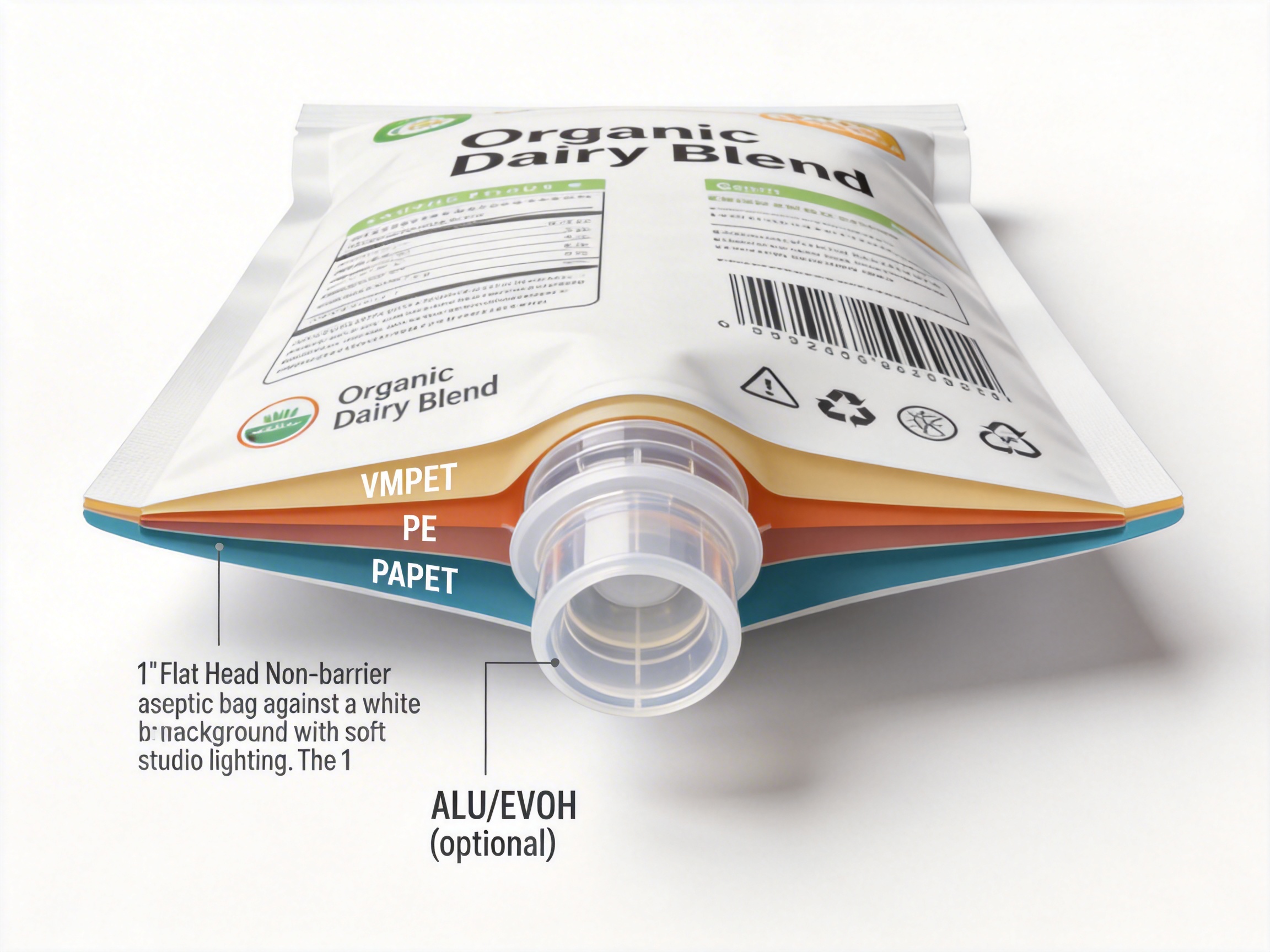
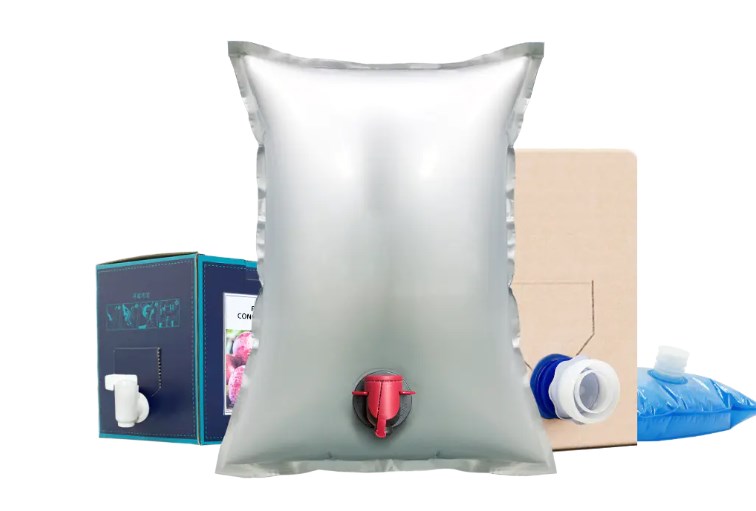
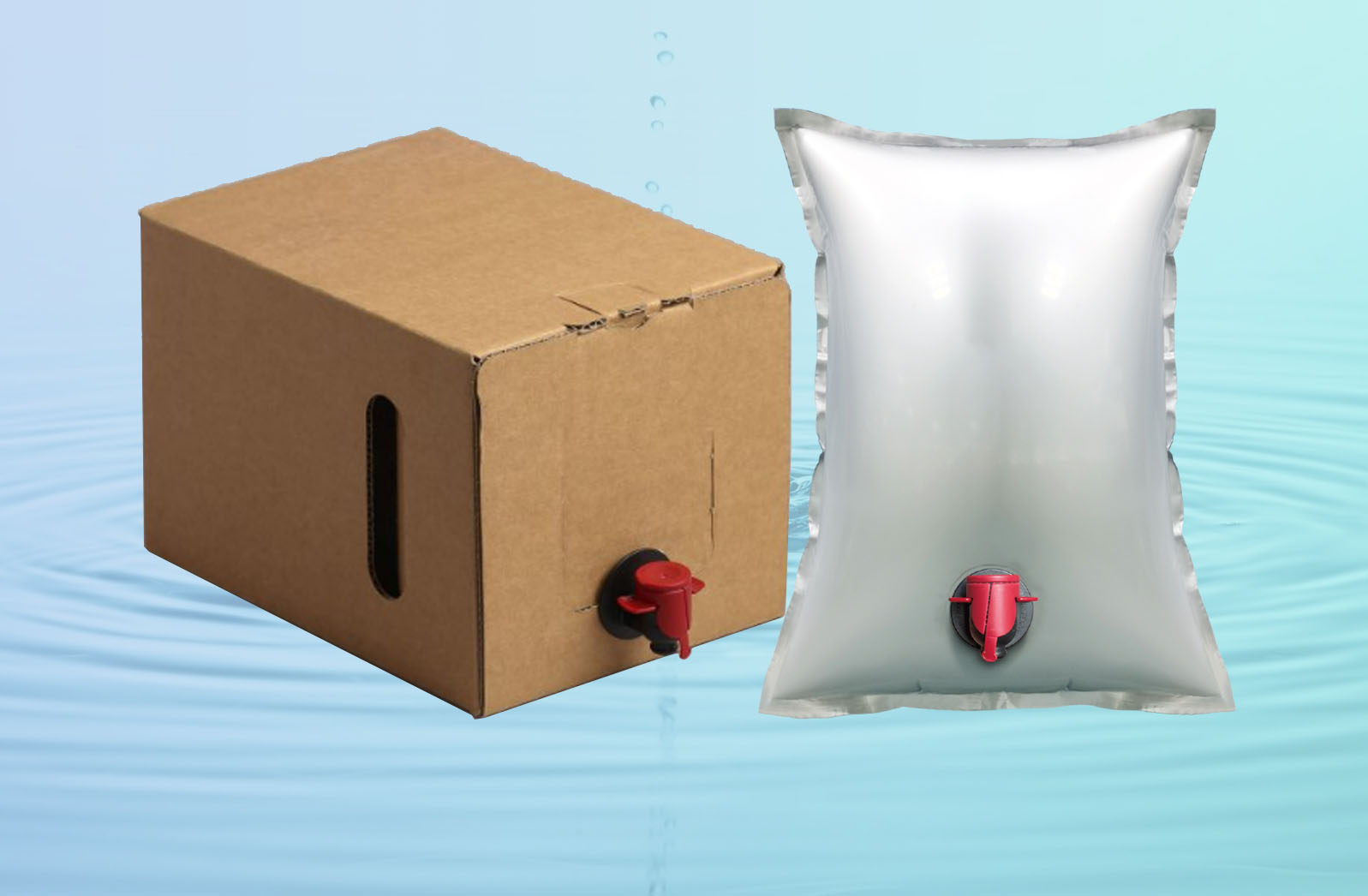
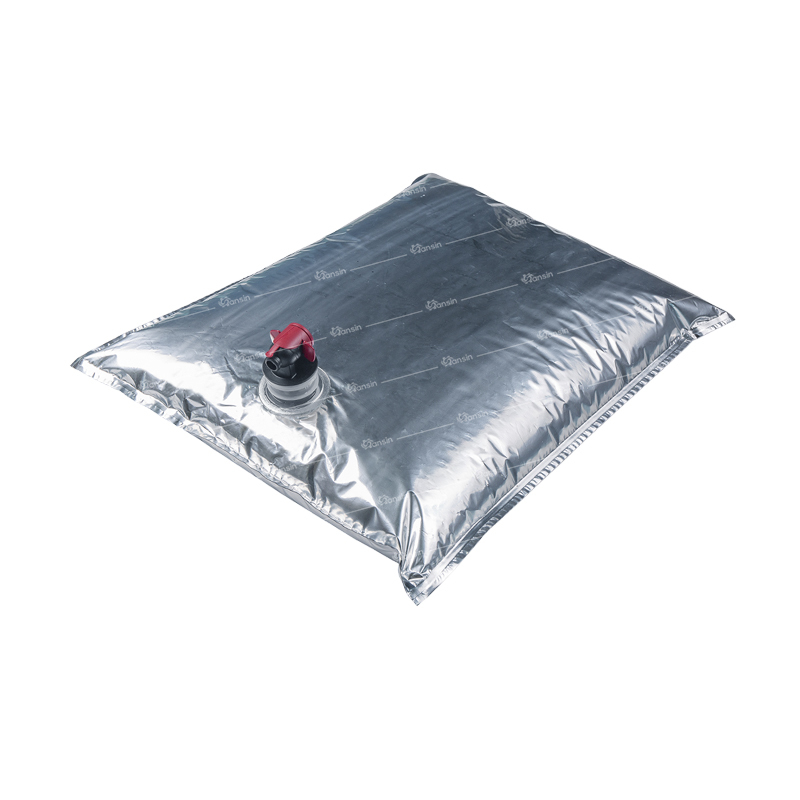
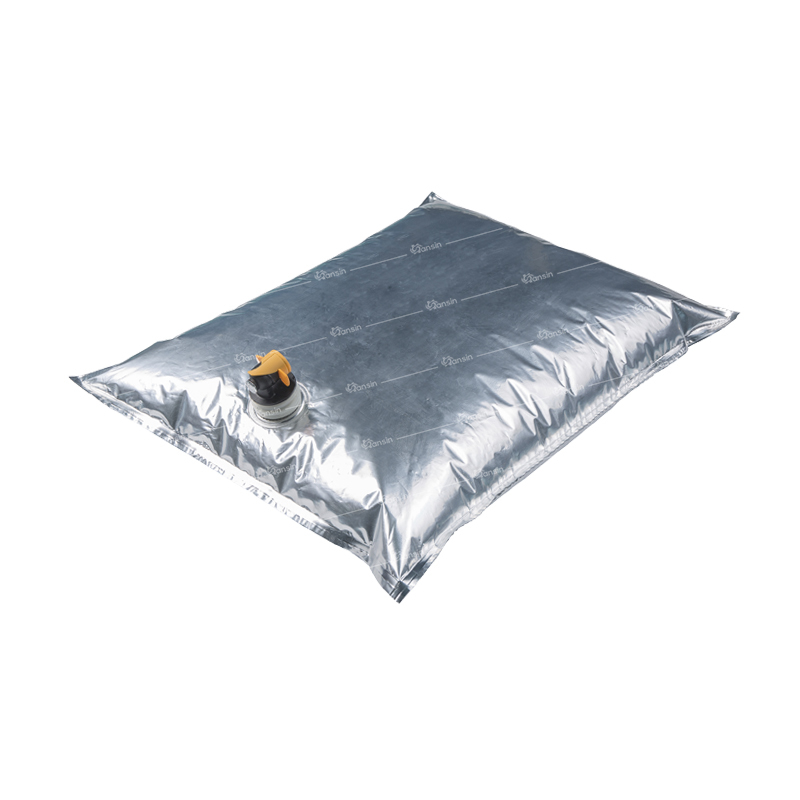
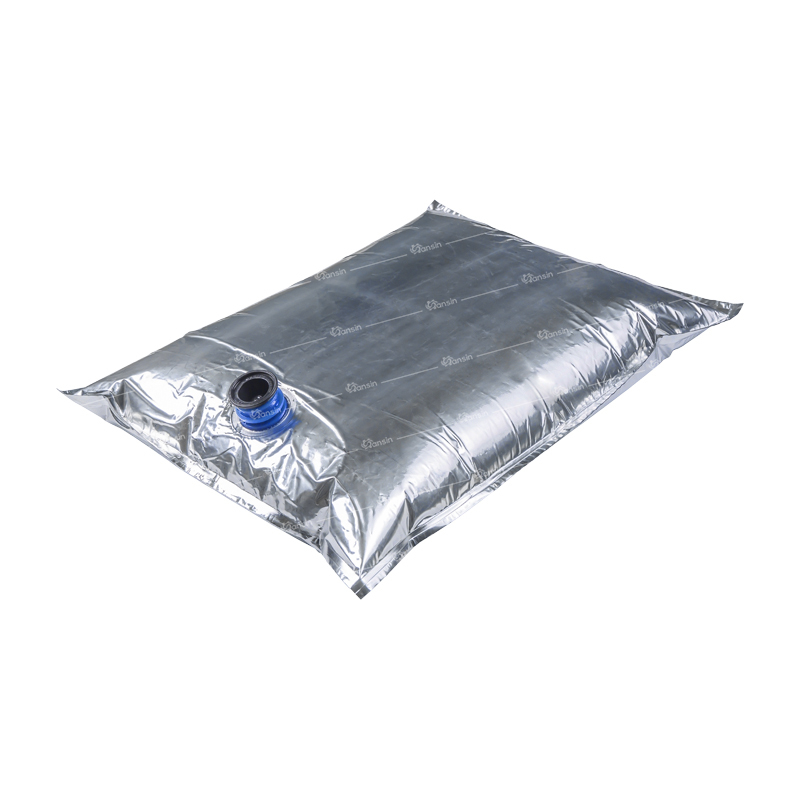
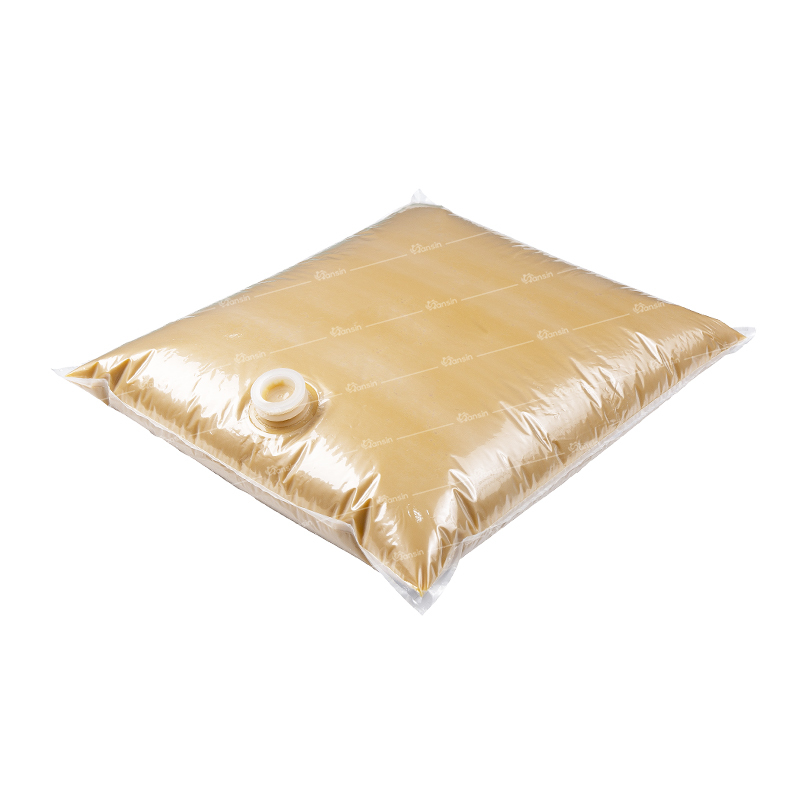
Image 2: Close-up of the 1" Flat Head Non-barrier bag, showing the spout, multi-layer material structure, and printed branding.
Other Standout Solutions: Catering to Every Need
While the 1" Flat Head Non-barrier bag is a star product, there are several other innovative solutions worth mentioning. These products cater to a wide range of needs, from small-scale consumer packaging to large industrial transport.
IBC Liners and Form Fit Liners: Sterile Bulk Transport
IBC (Intermediate Bulk Container) liners and form fit liners are essential for transporting large volumes of liquids (500-1500 liters) in industries like pharmaceuticals, chemicals, and food processing. These liners fit inside IBCs, providing a sterile, leak-proof barrier between the liquid and the container. Key advantages include:
Sterility: Liners are manufactured in GMP clean workshops and undergo strict sterilization processes, preventing cross-contamination between different products.
Customizability: Form fit liners are custom-made to fit specific IBC sizes, ensuring a perfect seal and maximum protection.
Cost-Effectiveness: Liners reduce the need for cleaning and maintenance of IBCs, lowering operational costs.
Bag-in-Box: Convenient Consumer and Small-Scale Packaging
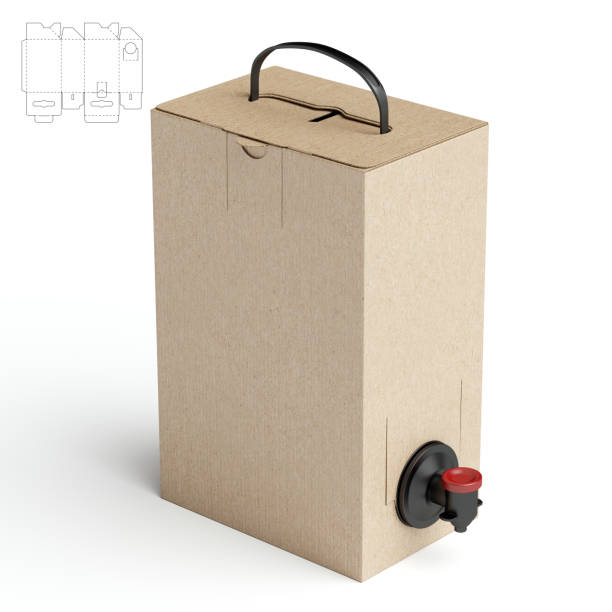
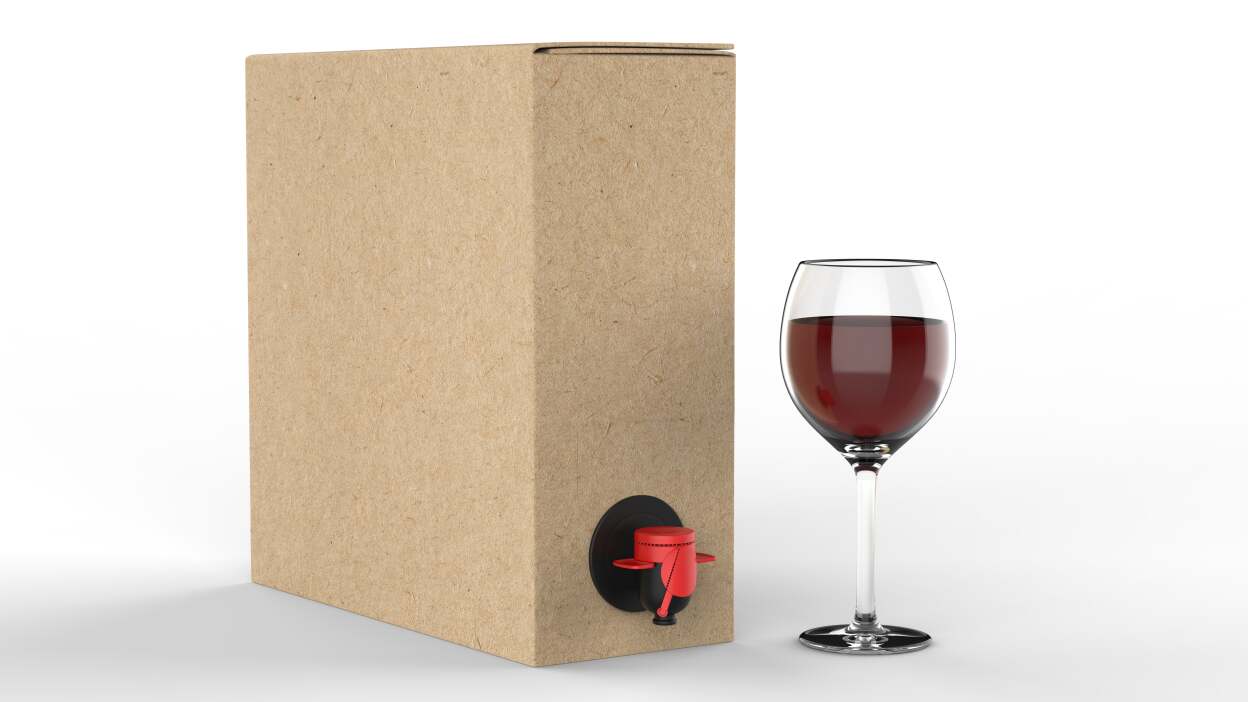
Bag-in-box solutions are a popular choice for small to medium-sized liquid products (1-20 liters), such as wine, juice, and syrup. These solutions consist of a flexible bag inside a rigid cardboard box, which provides support and protection. Key advantages include:
Long Shelf Life: The bag’s barrier properties keep products fresh for up to 6 months after opening (for non-aseptic versions) or 12 months (for aseptic versions).
Space Efficiency: The box is stackable, saving storage space in warehouses and retail stores.
Eco-Friendly: The bag is recyclable, and the box is made from renewable cardboard, reducing environmental impact.
FIBC Liners: Bulk Transport for Dry and Liquid Products
FIBC (Flexible Intermediate Bulk Container) liners are used for transporting dry or liquid products in bulk (1000-2000 liters) in industries like agriculture, mining, and construction. These liners fit inside FIBCs, providing a barrier against moisture, dust, and other contaminants. Key advantages include:
High Strength: Made from high-tenacity polyethylene, these liners can withstand the weight of large volumes of product.
Moisture Resistance: Prevents dry products from absorbing moisture, maintaining their quality during transport.
Cost-Effectiveness: Reduces the need for expensive rigid containers, lowering transportation costs.
Comparison of Key Liquid Packaging Solutions
| Product Line | Typical Size Range | Key Applications | Main Advantages |
|---|---|---|---|
| 1" Flat Head Non-barrier Bag | 200-220 Liters | Dairy, Juice Concentrates, Industrial Liquids | Cost-effective, Versatile, Easy Dispensing, ABMA Compliant |
| IBC Liners & Form Fit Liners | 500-1500 Liters | Pharmaceuticals, Chemicals, Food Processing | Sterile, Leak-proof, Customizable, GMP Certified |
| Bag-in-Box | 1-20 Liters | Wine, Juice, Syrup, Condiments | Long Shelf Life, Space-efficient, Eco-friendly |
| FIBC Liners | 1000-2000 Liters | Agriculture, Mining, Construction | High Strength, Moisture-resistant, Bulk Transport |
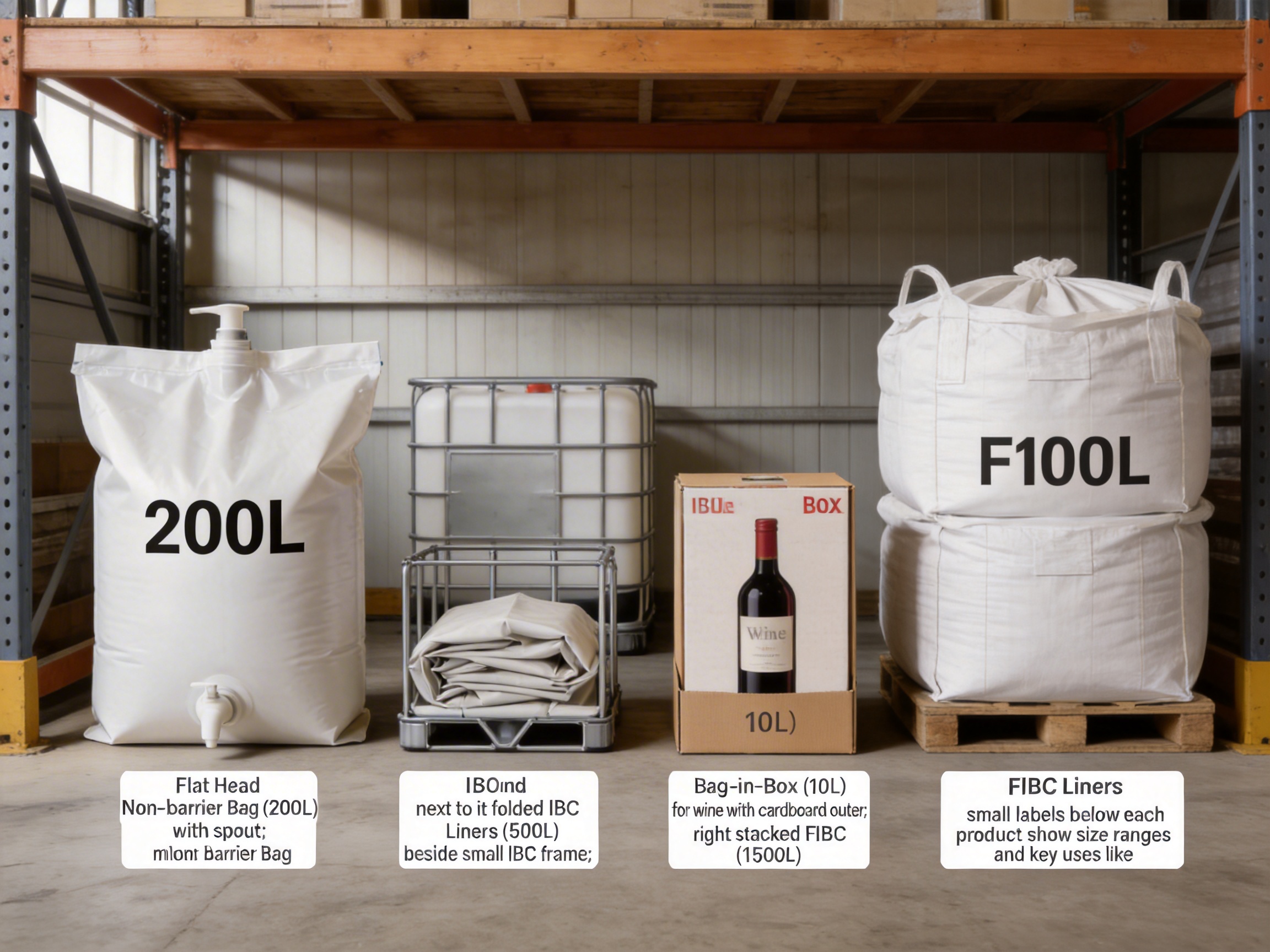
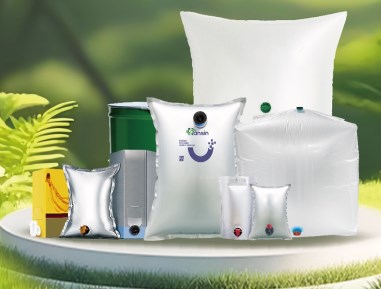
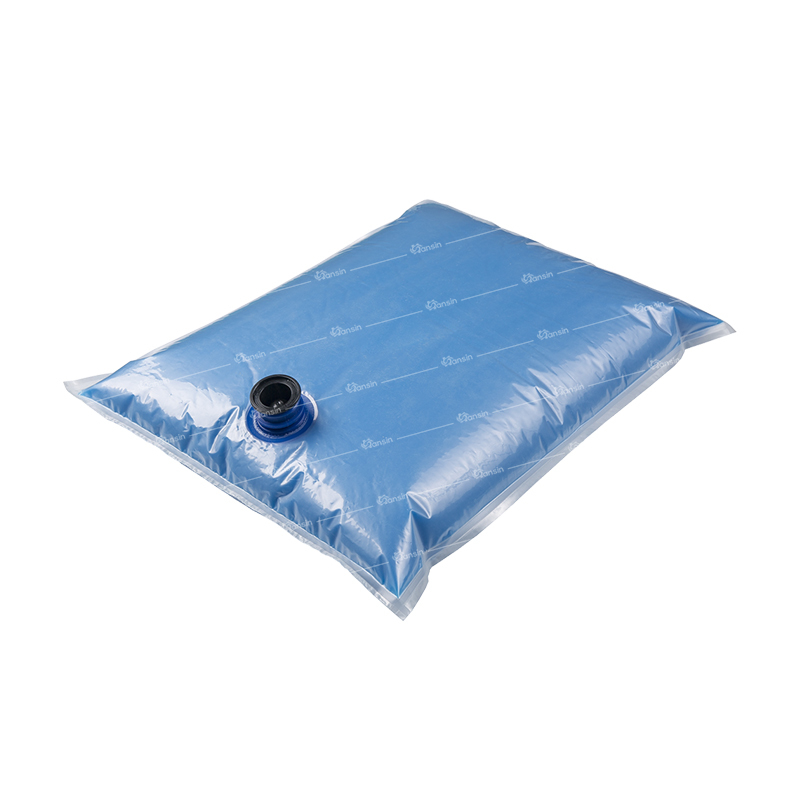
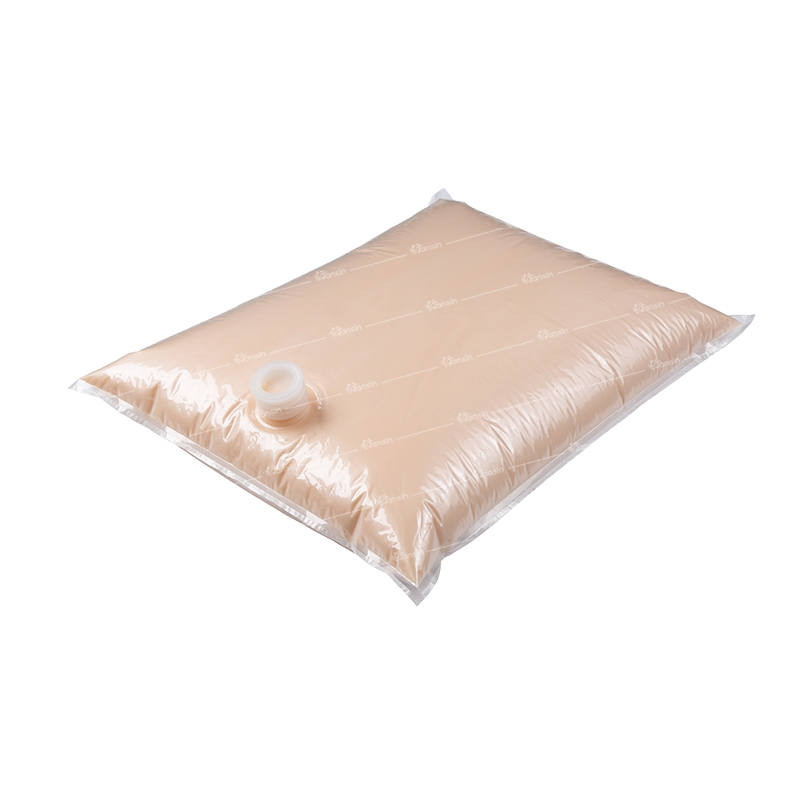
Image 3: Variety of liquid packaging solutions displayed together, including aseptic bags, IBC liners, bag-in-box, and FIBC liners.
Advanced Manufacturing Processes: Behind the Scenes of Quality
The quality of modern liquid packaging solutions is a direct result of advanced manufacturing processes that prioritize safety, consistency, and sustainability. Let’s take a closer look at the key processes used to produce these innovative products.
GMP-Certified Clean Workshops: Ensuring Sterility
Manufacturing aseptic packaging requires a sterile environment to prevent contamination. Leading manufacturers operate GMP (Good Manufacturing Practice) 100,000-level clean workshops, which meet the highest standards for hygiene. These workshops feature:
Air Filtration Systems: HEPA (High-Efficiency Particulate Air) filters remove 99.97% of airborne particles, ensuring clean air quality.
Temperature and Humidity Control: Maintained at optimal levels to prevent material degradation and ensure consistent production.
Strict Hygiene Protocols: Employees wear sterile gowns, gloves, and masks, and equipment is cleaned and sanitized regularly.
Every step of production—from injection molding of fitments to lamination of film layers to bag making—is carefully controlled in these workshops, minimizing the risk of contamination.
Solvent-Free Lamination: Sustainable and Safe
Solvent-free lamination is an advanced process that uses hot-melt adhesives instead of harmful solvents to bond layers of film together. This process offers several key benefits:
Environmental Sustainability: Reduces emissions of volatile organic compounds (VOCs), which are harmful to the environment and human health.
Improved Product Quality: Creates a strong, durable bond between layers, ensuring the bag is leak-proof and can withstand the rigors of transport.
Food Safety: Eliminates the risk of solvent residues leaching into the contents, making the bag safe for food contact.
Solvent-free lamination is a key differentiator for modern packaging solutions, as it aligns with global sustainability goals and ensures product safety.
Irradiation Sterilization: Complete Sterility Without Heat
Irradiation sterilization is a critical process for aseptic packaging. This process uses high-energy gamma rays to kill bacteria, mold, and spores without affecting the taste, texture, or nutritional value of the contents. Key advantages include:
Complete Sterility: Gamma rays penetrate all layers of the bag, ensuring that even hard-to-reach areas are sterilized.
No Heat Damage: Unlike heat sterilization (which can damage sensitive products), irradiation is a cold process.
Long Shelf Life: Sterilized bags can keep products fresh for up to 12 months without refrigeration.
The 1" Flat Head Non-barrier bag undergoes irradiation sterilization of ≥15kGy, which is a standard set by the EU ABMA for aseptic packaging.
One-Stop Filling and Packaging Solutions: Streamlining the Supply Chain
Many leading manufacturers offer one-stop filling and packaging solutions, which provide businesses with a seamless experience. This means that businesses can get both their packaging and filling services from the same provider, saving time and resources. Key features of these solutions include:
Advanced Filling Machines: Automated machines that handle a wide range of liquid products, from thin juices to thick syrups. These machines are designed to ensure accurate filling and minimize product waste.
Quality Control Checks: Every batch of filled products undergoes strict quality control checks, including leak testing, weight verification, and sterility testing.
Customization: Manufacturers can customize filling volumes, packaging designs, and labeling to meet specific business needs.
One-stop solutions streamline the supply chain, reduce operational costs, and ensure consistency in product quality.
Competitive Advantages: Why Modern Solutions Outperform Traditional Methods
Modern liquid packaging solutions offer a range of competitive advantages over traditional rigid containers. Let’s explore these advantages in detail:
Unmatched Sustainability: Reducing Environmental Impact
Sustainability is the most significant advantage of modern solutions. Here are some key metrics:
Material Reduction: Flexible bags use up to 85% less plastic than rigid containers of the same capacity.
Carbon Emissions Reduction: Lighter bags reduce transportation emissions by up to 70% compared to rigid containers.
Waste Reduction: Flexible bags generate up to 90% less waste volume when empty, reducing landfill usage.
Food Waste Reduction: Aseptic bags extend product shelf life by up to 12 months, reducing food waste by up to 15%.
For businesses, adopting these sustainable solutions can improve brand reputation, meet consumer expectations, and comply with global regulations (e.g., the EU’s Single-Use Plastics Directive).
Cost-Effectiveness: Lowering Operational Costs
Modern solutions are also more cost-effective than traditional methods. Here are some key cost savings:
Packaging Costs: Flexible bags are up to 30% cheaper than rigid containers of the same capacity.
Transportation Costs: Lighter bags reduce fuel costs by up to 70% and allow for more product to be shipped per truck.
Storage Costs: Empty bags take up 90% less space than rigid containers, reducing warehouse rental costs.
Maintenance Costs: One-stop filling solutions reduce the need for businesses to maintain their own filling equipment.
Over time, these cost savings can add up to significant financial benefits for businesses.
Global Compliance and Trust: Meeting the Highest Standards
Leading manufacturers of modern liquid packaging solutions comply with global standards, including ABMA, FDA, EFSA, and GMP. This compliance ensures that the products are safe, reliable, and meet the needs of businesses operating in international markets. Additionally, many manufacturers are members of reputable industry associations (e.g., EU ABMA), which further enhances their credibility. For businesses, choosing compliant products gives them confidence that their packaging meets the highest standards of safety and quality.
Customization: Tailored Solutions for Every Business
Every business has unique packaging needs, and modern solutions offer a high level of customization. Manufacturers can customize:
Size: From 1 liter to 1500 liters, depending on the product and transport needs.
Material Structure: Barrier or non-barrier options, depending on the product’s sensitivity to oxygen or light.
Fitments: Different spout sizes (e.g., 1", 2") and valve types (e.g., screw-top, push-button) for easy dispensing.
Branding: Custom printing for logos, product information, and barcodes.
This customization ensures that businesses get a packaging solution that is tailored to their specific products and operations.
Q&A Section: Common Questions About Modern Liquid Packaging
To help businesses and consumers better understand modern liquid packaging solutions, we’ve compiled a list of common questions and answers:
Common Questions About Liquid Packaging
Q1: Are non-barrier bags suitable for all liquid foods?
A: Non-barrier bags are suitable for liquid foods that do not require extreme protection against oxygen or light. Examples include dairy products (milk, yogurt), juice concentrates (stored in refrigerated conditions), and liquid condiments (ketchup, mayonnaise). For products that are sensitive to oxidation (e.g., wine, olive oil), barrier bags (with ALU or EVOH layers) are a better choice. It’s important to consult with a packaging expert to determine the right type of bag for your specific product.
Q2: How do these solutions reduce environmental impact?
A: These solutions reduce environmental impact in several ways: 1. They use fewer raw materials than rigid containers, minimizing waste. 2. They are lightweight, reducing transportation emissions. 3. They use solvent-free lamination, which reduces VOC emissions. 4. They are easy to dispose of, often being recyclable or compostable. 5. They extend product shelf life, reducing food waste.
Q3: What standards do these products comply with?
A: Leading products comply with global standards such as: - ABMA (European Standards) for aseptic packaging. - FDA (U.S. Food and Drug Administration) and EFSA (European Food Safety Authority) for food contact safety. - GMP (Good Manufacturing Practice) for hygiene and quality. These standards ensure that the products are safe, reliable, and meet the needs of businesses operating in international markets.
Q4: Can I get customized sizes or materials?
A: Yes, most manufacturers offer customization options. You can customize the size of the bag (from 1 liter to 1500 liters), the material structure (barrier or non-barrier), the fitment type (spout size, valve type), and the printing (branding, product information). This customization ensures that you get a packaging solution that is tailored to your specific needs.
Q5: Do you offer filling services along with packaging?
A: Yes, many leading manufacturers offer one-stop filling and packaging services. This means that you can get both your packaging and filling services from the same provider, which streamlines your supply chain and saves time and resources. The filling process is carefully controlled to ensure accuracy and hygiene, and the finished products are tested for quality before being shipped.
Q6: How long do aseptic bags keep products fresh?
A: Aseptic bags can keep products fresh for up to 12 months without refrigeration, depending on the product and barrier properties. For example, a barrier bag with ALU layers can keep wine fresh for up to 12 months, while a non-barrier bag can keep milk fresh for up to 6 months (when stored in refrigerated conditions).
Case Study: Real-World Impact of Modern Liquid Packaging
To illustrate the real-world impact of modern liquid packaging solutions, let’s look at a case study of a dairy producer that switched to these solutions:
EuroDairy Co.: Transforming Operations with Aseptic Bags
EuroDairy Co. is a medium-sized dairy producer in Germany that specializes in bulk milk transport. Before switching to modern packaging solutions, the company used rigid plastic jugs for its 220-liter bulk milk shipments. This approach had several challenges:
High Transportation Costs: The jugs were heavy, leading to high fuel costs and limited shipping capacity.
Waste Issues: The jugs were difficult to recycle, leading to high waste disposal costs.
Product Waste: The jugs were prone to leaks, leading to 10-15% product waste per shipment.
In 2022, EuroDairy Co. decided to switch to the 1" Flat Head Non-barrier aseptic bag for its bulk milk transport. The results were impressive:
Cost Savings: Transportation costs were reduced by 35% due to the lighter weight of the bags. Packaging costs were reduced by 25% compared to the rigid jugs.
Sustainability: Plastic usage was reduced by 80%, and carbon emissions were cut by 30% due to reduced transportation weight. Waste disposal costs were reduced by 40% because the bags are easy to recycle.
Product Quality: The aseptic bags kept the milk fresh for up to 6 months without refrigeration, reducing product waste by 12%.
Operational Efficiency: The bags were easy to handle and store, reducing warehouse space usage by 70%. The spout design made dispensing the milk quick and mess-free, improving loading/unloading speed by 20%.
EuroDairy Co. now plans to expand its use of modern packaging solutions to other products, including yogurt and juice concentrates. The company’s success demonstrates how modern liquid packaging solutions can transform a business’s operations, improving cost-effectiveness, sustainability, and product quality.
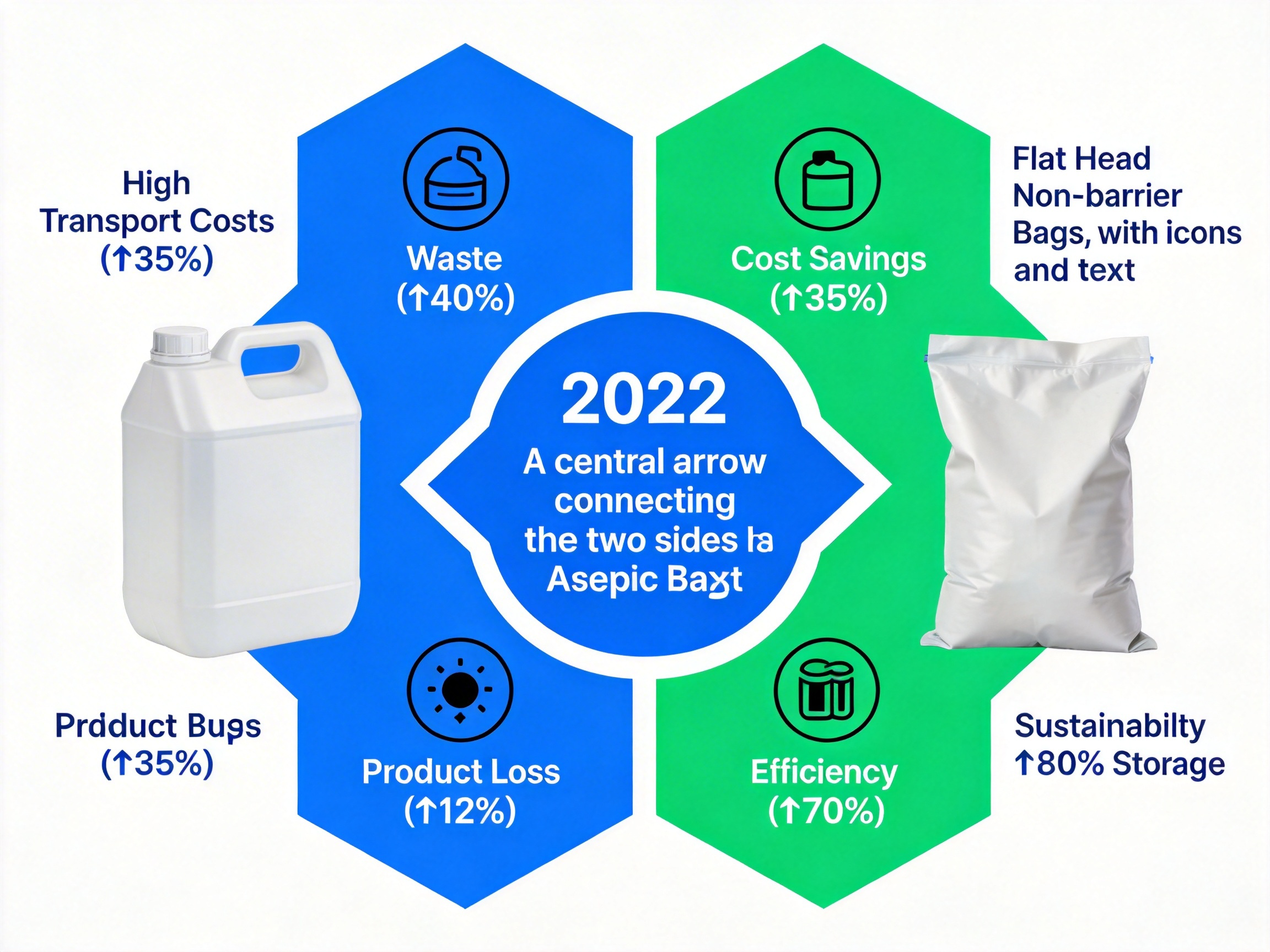
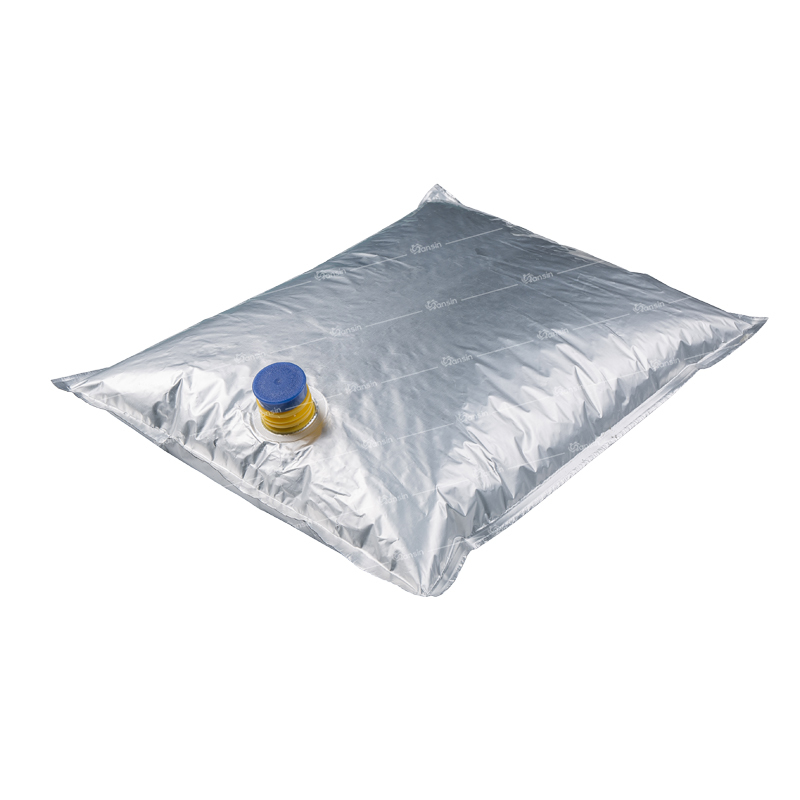
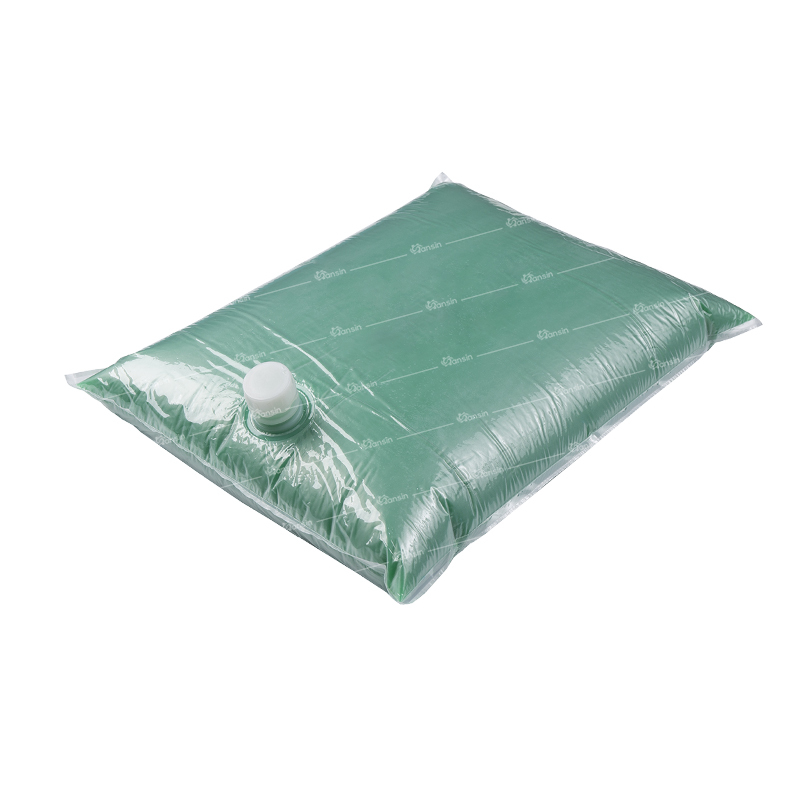
Image 4: Infographic showing EuroDairy Co.’s results before and after switching to aseptic bags, including cost savings, sustainability metrics, and product quality improvements.
Bibliography
1. European Aseptic Bag Manufacturers Association (EU ABMA). (2023). *ABMA Standards for Aseptic Packaging*. Retrieved from [EU ABMA Official Website].
2. U.S. Food and Drug Administration (FDA). (2022). *Food Contact Materials: Regulations and Guidelines*. Retrieved from [FDA Official Website].
3. World Packaging Organization (WPO). (2023). *Sustainable Packaging Trends 2023*. Retrieved from [WPO Official Website].
4. World Health Organization (WHO). (2021). *GMP Guidelines for Pharmaceutical and Food Packaging*. Retrieved from [WHO Official Website].
5. Hansin Packing. (2023). *Internal Report on Liquid Packaging Solutions*. Unpublished.
6. European Commission. (2022). *Single-Use Plastics Directive*. Retrieved from [European Commission Official Website].
7. International Association of Packaging Research Institutes (IAPRI). (2023). *Flexible Packaging: A Sustainable Alternative to Rigid Containers*. Retrieved from [IAPRI Official Website].