
 中文简体
中文简体 英语
英语 西班牙语
西班牙语 俄语
俄语 葡萄牙语
葡萄牙语 法语
法语 德语
德语 意大利语
意大利语




In an era where food safety, sustainability, and supply chain efficiency are non-negotiable, the role of flexible packaging—especially aseptic bags—has become increasingly critical. As global demand for liquid products (from tomato paste to industrial chemicals) continues to rise, traditional rigid packaging options like glass jars and metal drums are being replaced by innovative, sterile flexible solutions. These bags not only extend product shelf life without refrigeration but also reduce waste, lower transport costs, and align with eco-friendly initiatives. This article explores the key advantages of modern aseptic bags, the advanced manufacturing processes that set top producers apart, and the impact of these solutions on the liquid packaging industry.
What Are Aseptic Bags? Core Definition and Applications
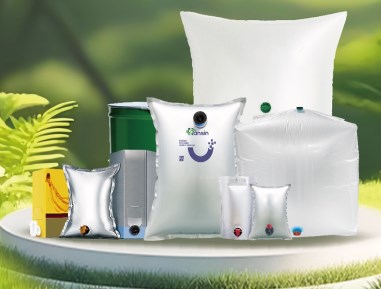
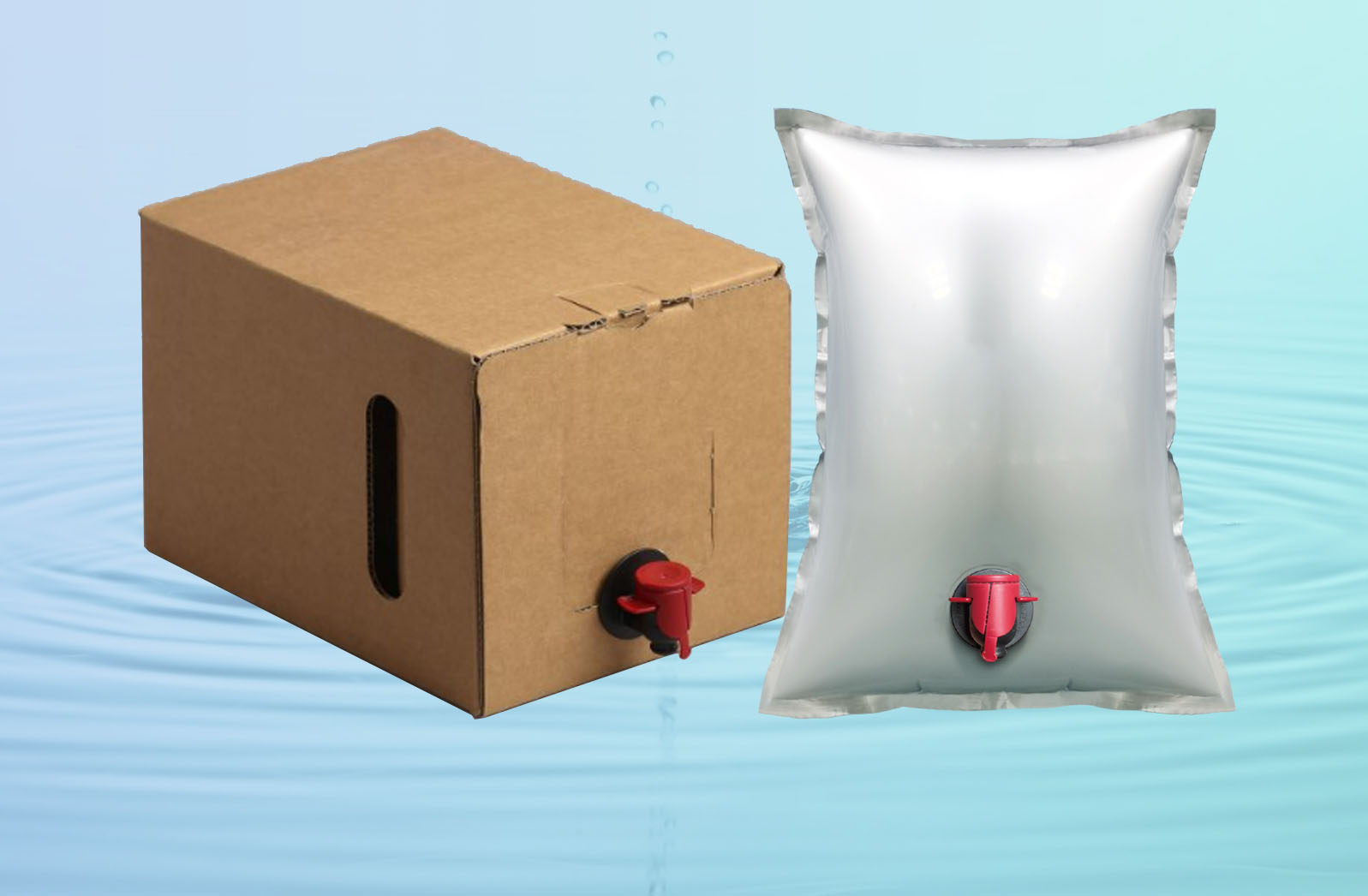
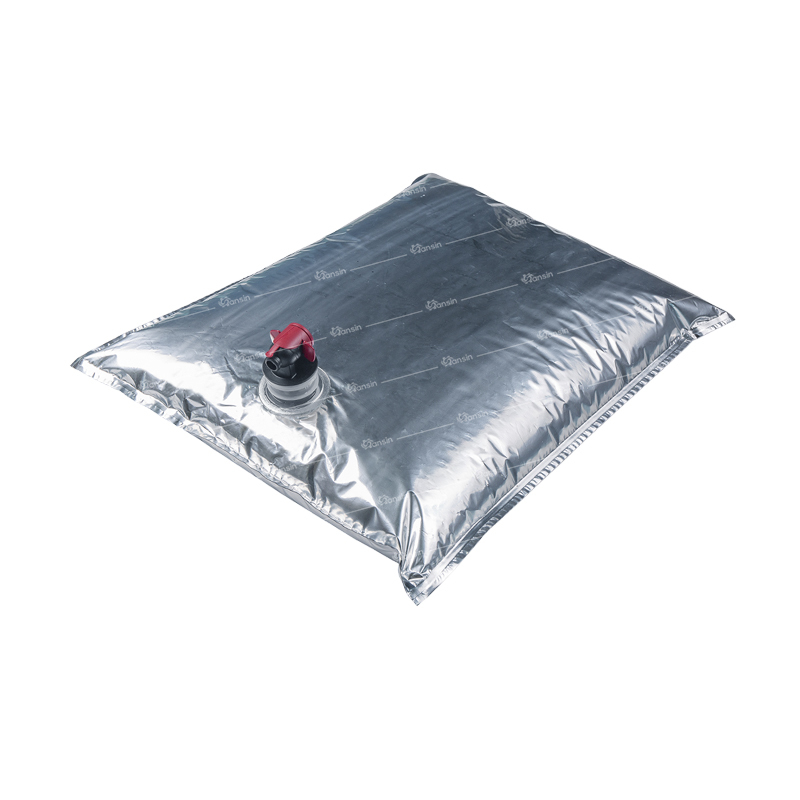
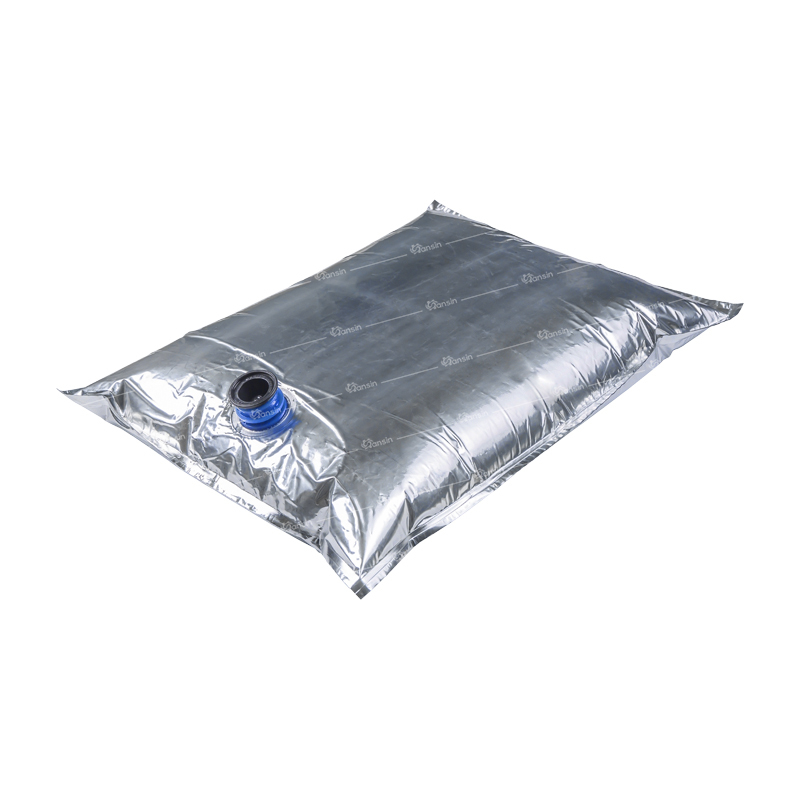
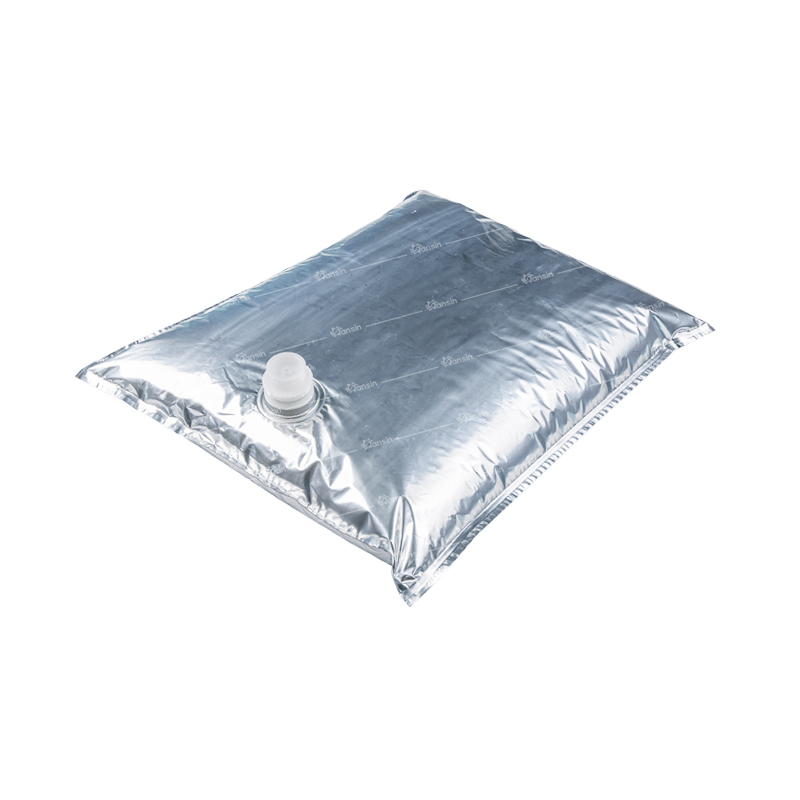
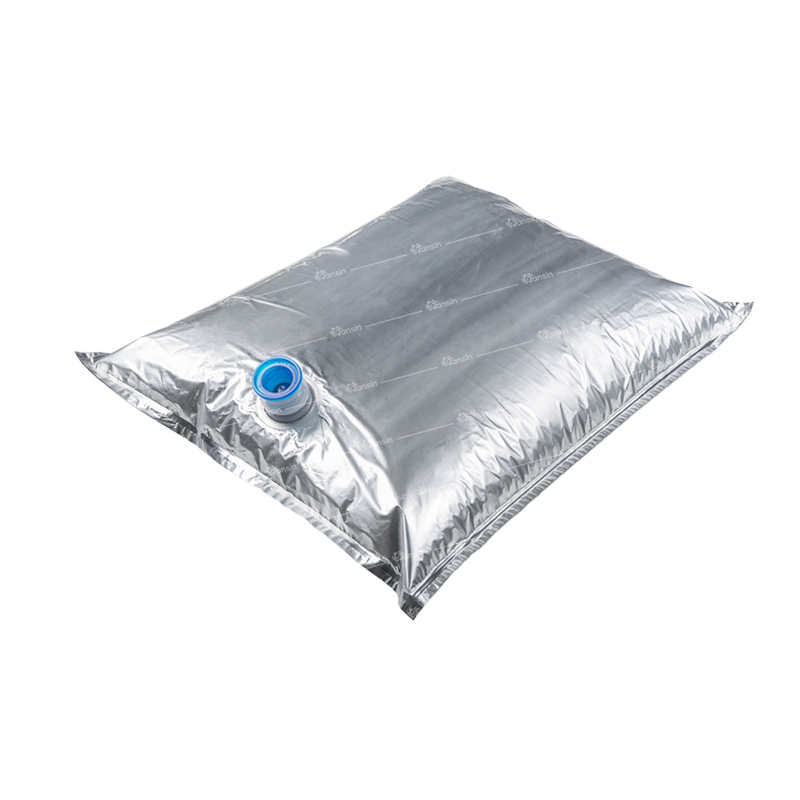
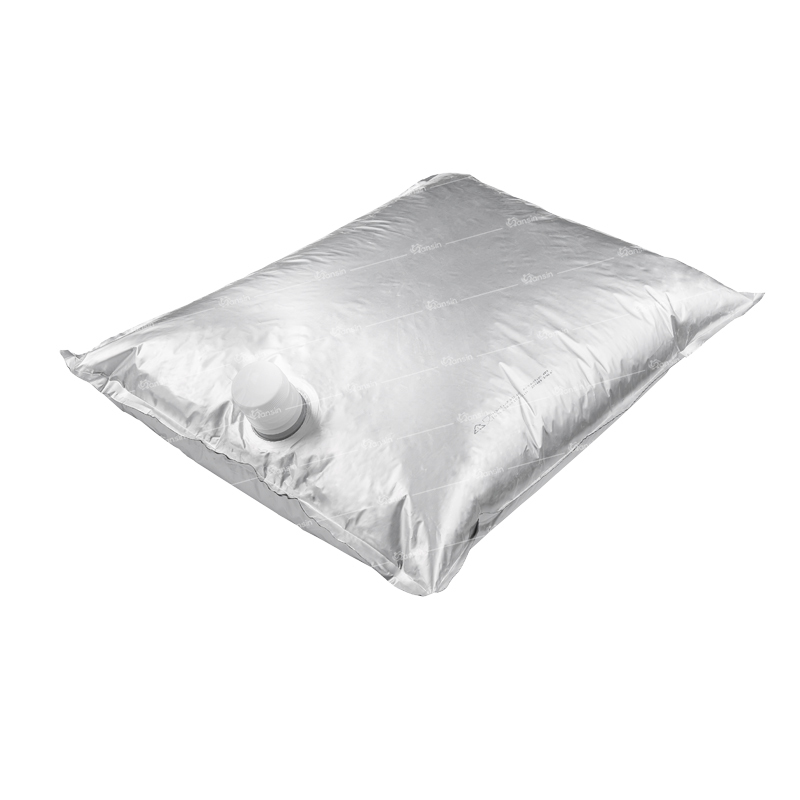
Aseptic bags are sterile, flexible containers designed to hold liquid products in a contamination-free environment, ensuring the product remains safe and unspoiled for extended periods. Unlike conventional flexible bags, aseptic bags undergo rigorous sterilization processes and feature multi-layer barrier structures to block oxygen, moisture, light, and microbes—all of which are major threats to liquid product integrity.
The core purpose of aseptic bags is to preserve product quality while minimizing the need for refrigeration or preservatives. This makes them ideal for a wide range of applications across industries:
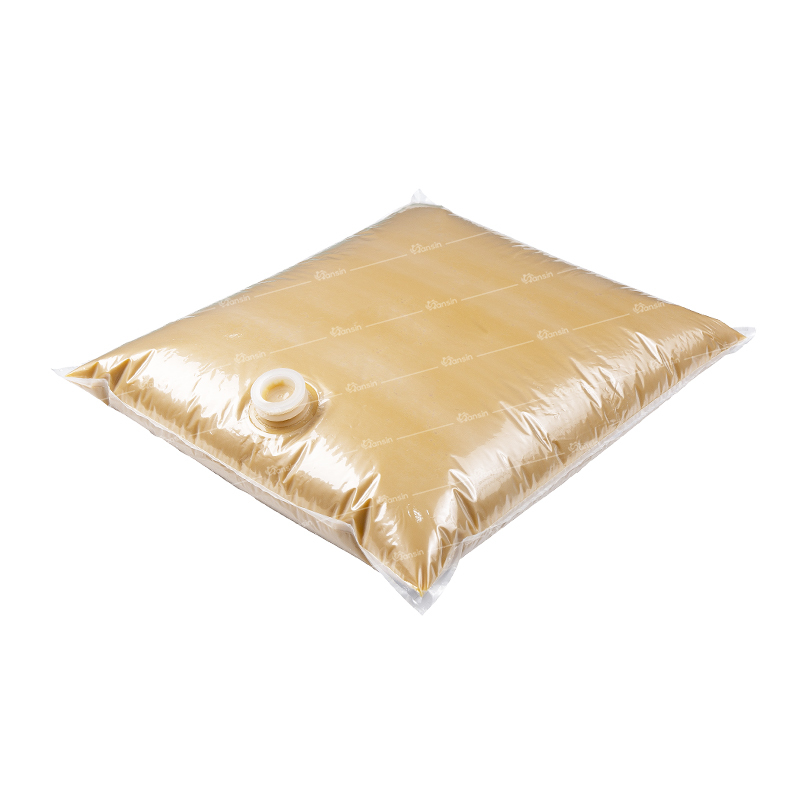
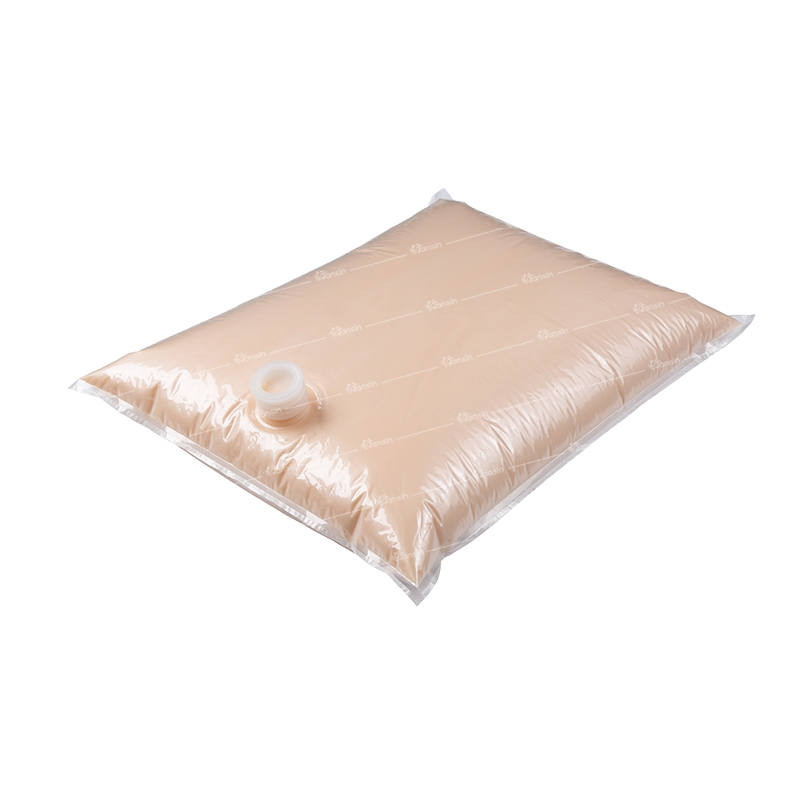
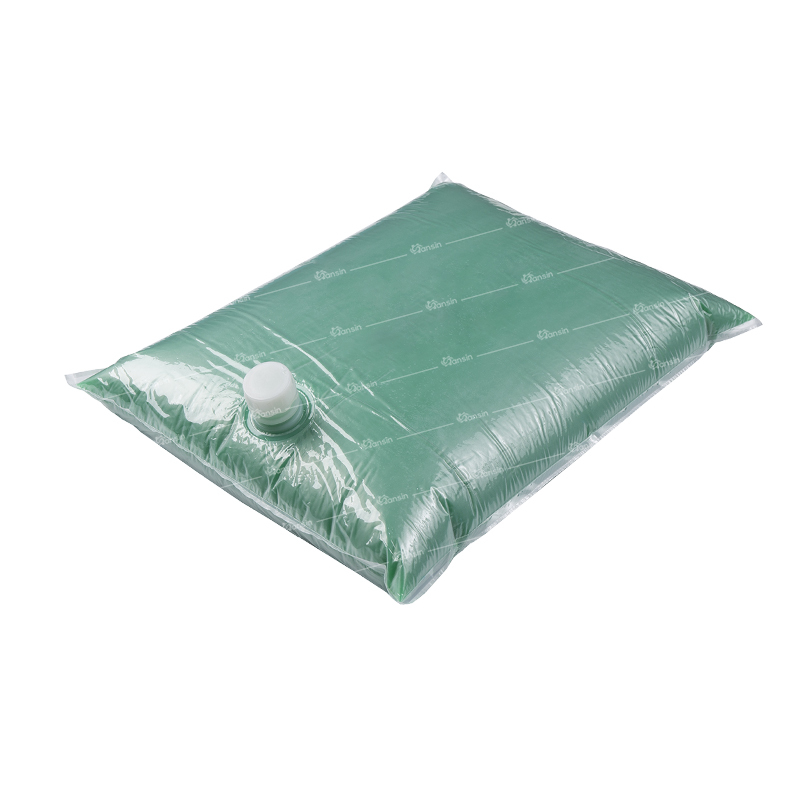
- Food and Beverage: Tomato paste, fruit juices, jams, sauces, edible oils, and dairy alternatives (soy milk, almond milk).
- Non-Food: Paints, coatings, adhesives, lubricants, and industrial chemicals.
- Pharmaceuticals: Liquid medications, vaccines, and nutritional supplements (though this often requires stricter regulatory compliance).
Critical Advantages of Modern Aseptic Bags Over Competitors
To understand why aseptic bags have gained traction, it’s essential to compare them to traditional packaging options and highlight their unique benefits:
1. Superior Barrier Performance
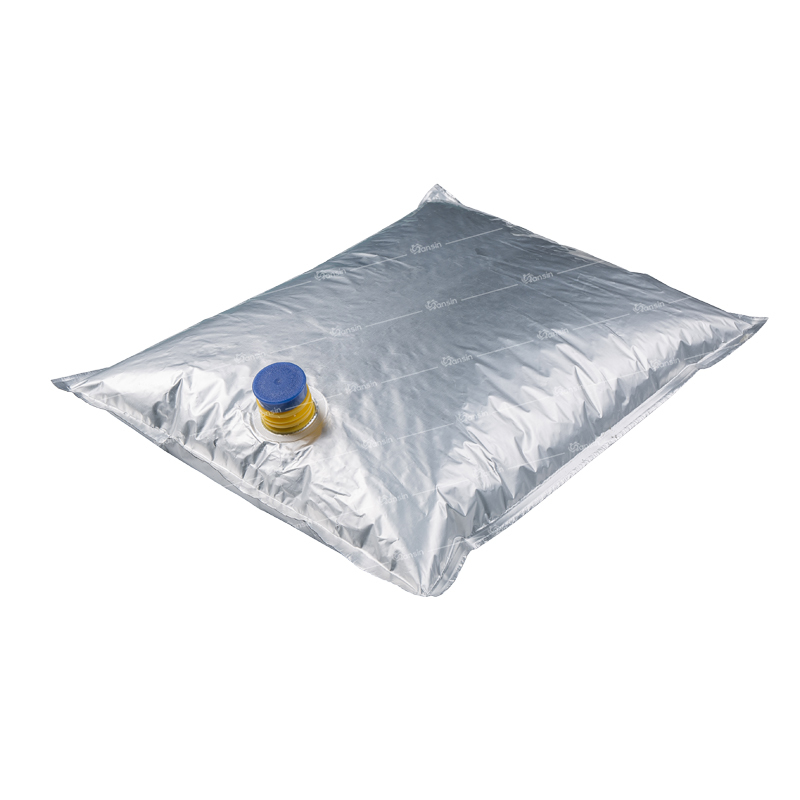
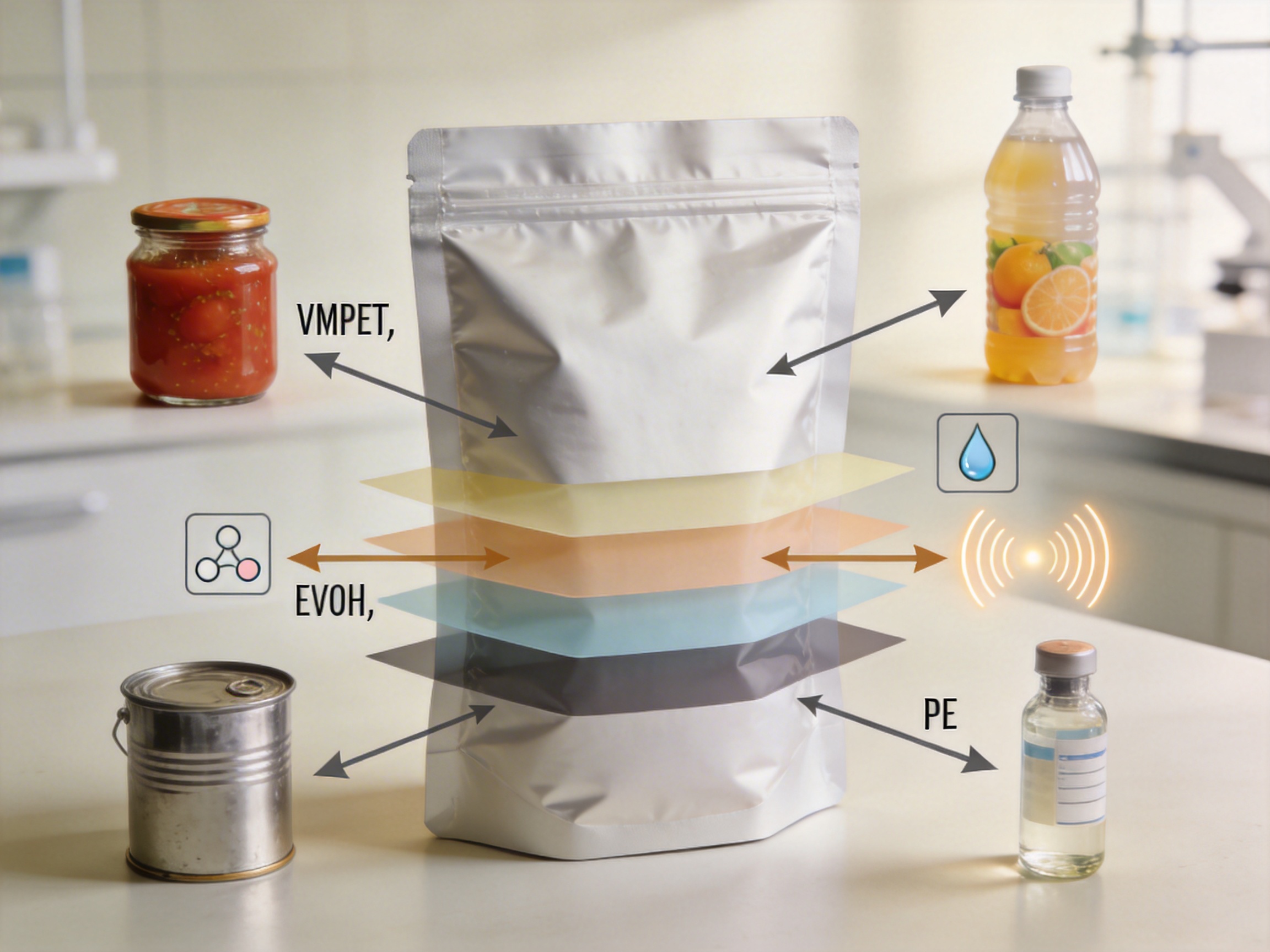
Traditional rigid packaging (glass, metal) often relies on single-layer or basic multi-layer structures that may not fully block oxygen or moisture. Modern aseptic bags, however, use advanced multi-layer combinations—such as VMPET (Vacuum Metallized PET), PE (Polyethylene), PA (Polyamide), EVOH (Ethylene Vinyl Alcohol), and aluminum foil—to create a robust barrier. For example, EVOH is highly effective at blocking oxygen, while aluminum foil prevents light penetration—critical for products like tomato paste that are sensitive to oxidation and light.
This barrier performance far exceeds that of single-layer plastic bags or even some metal containers, which can corrode over time (especially with acidic products like tomato paste). As a result, aseptic bags preserve product flavor, color, and nutritional value for much longer than alternatives.
2. Sterilization Reliability
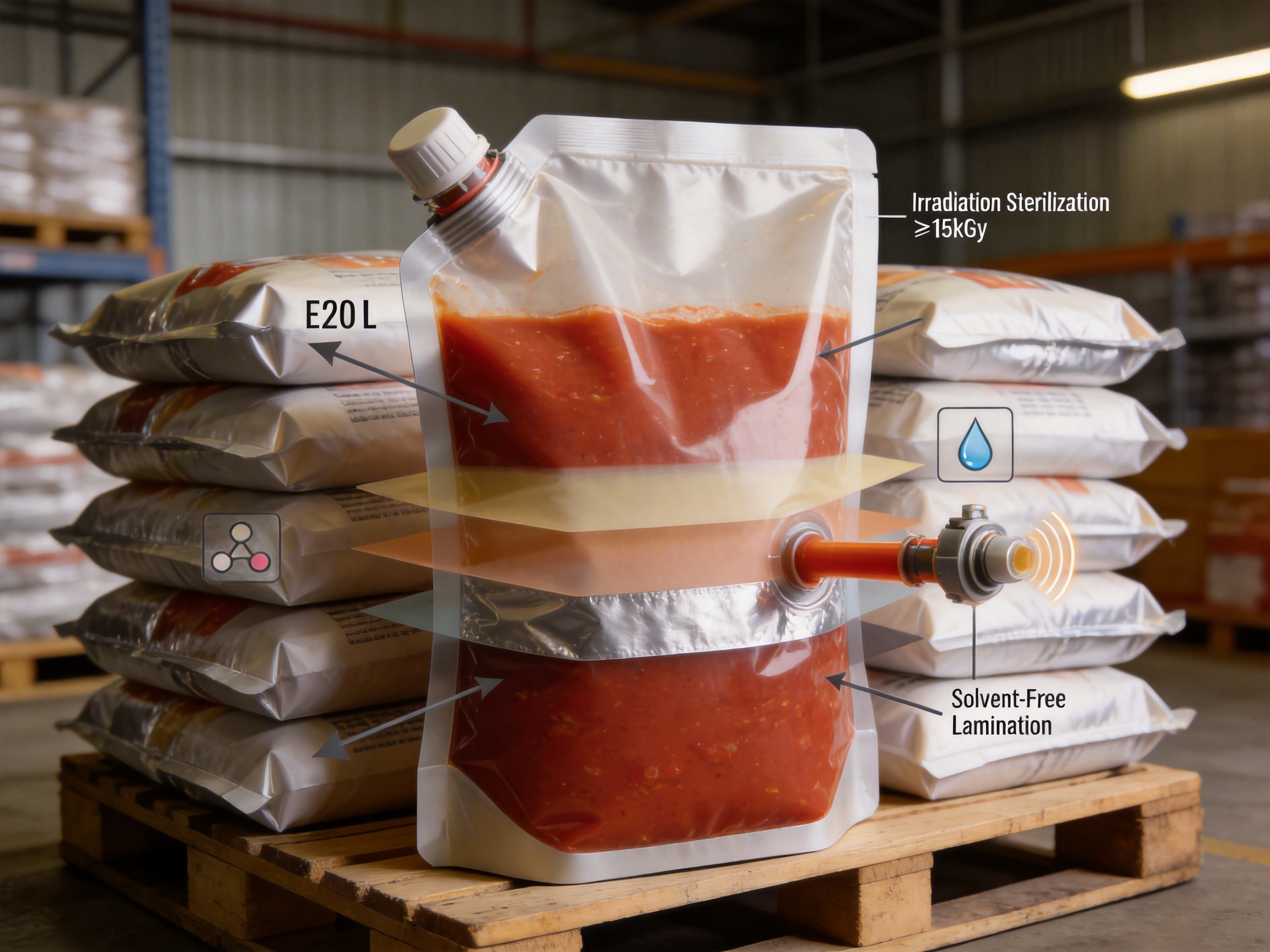
Aseptic bags are sterilized using methods that ensure complete microbial kill without compromising product quality. One of the most effective methods is irradiation sterilization (gamma rays), which targets bacteria, molds, and viruses without heating the product (unlike retort sterilization, which can cook sensitive ingredients). Reputable manufacturers use irradiation doses of ≥15kGy, which meets or exceeds international standards like those set by the European Aseptic Bag Manufacturers Association (EU ABMA).
Unlike chemical sterilization (which may leave harmful residues), irradiation is a cold process that maintains product integrity. This is a key advantage over competitors who use less reliable sterilization methods, leading to higher product spoilage rates.
3. Cost and Efficiency Benefits
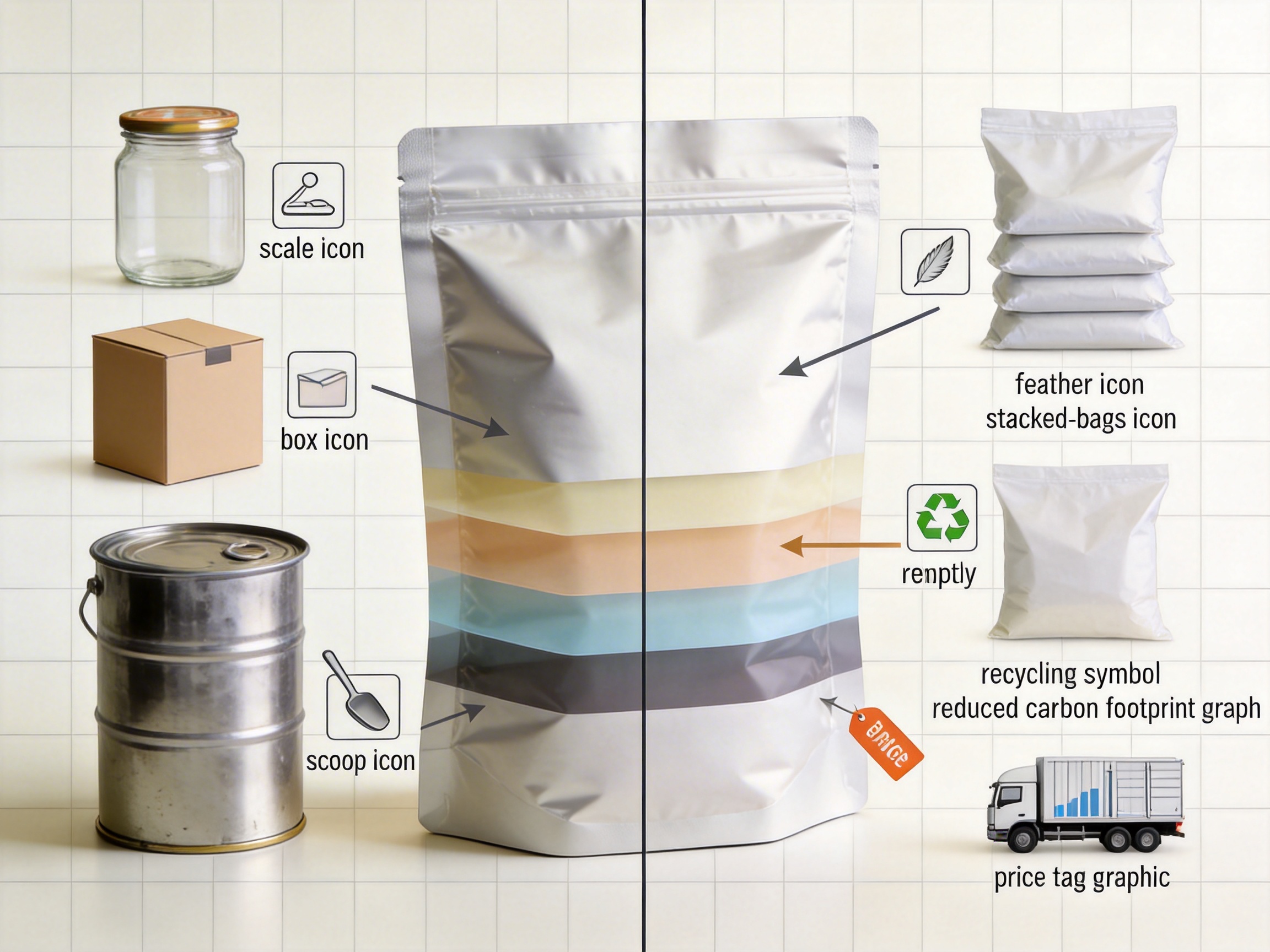
Aseptic bags are significantly lighter than glass or metal containers, reducing transport costs by up to 50% (since weight is a major factor in shipping expenses). They also take up less space: empty bags can be folded and stored compactly, whereas rigid containers require more warehouse space. For businesses, this translates to lower logistics costs and higher storage efficiency.
Additionally, aseptic bags are easier to handle and dispense. Many come with spouts or fitments that allow for precise pouring, reducing product waste during use. Unlike metal drums, which often leave residual product behind, aseptic bags can be emptied almost completely—minimizing waste and maximizing product yield.
4. Customization Flexibility
Top aseptic bag manufacturers offer extensive customization options to meet specific product needs. This includes:
- Size: Ranging from 1 liter to 1500 liters, catering to both small-scale retail and large industrial applications.
- Barrier Level: Standard, high, or ultra-high barrier options for products with varying sensitivity (e.g., ultra-high for oxygen-sensitive juices).
- Bag Type: Bags with spouts, fitments, or handles for easy dispensing and transport.
- Material Composition: Tailored layers to address specific challenges (e.g., adding extra PE layers for flexibility or aluminum foil for light protection).
This level of customization is a major advantage over off-the-shelf rigid containers, which often require businesses to adapt their products to the packaging rather than the other way around.
5. Sustainability and Eco-Friendliness
In today’s market, sustainability is a top priority for both consumers and businesses. Aseptic bags offer several eco-friendly benefits:
- Reduced Material Usage: Flexible bags use up to 70% less plastic than rigid containers of the same volume, reducing the overall carbon footprint.
- Lower Transport Emissions: Lighter weight means fewer trucks on the road, reducing greenhouse gas emissions.
- Recyclable Options: Many modern aseptic bags are designed with recyclable materials (e.g., "Better-recycle" options mentioned by some manufacturers), making them a more sustainable choice than non-recyclable rigid containers.
- Solvent-Free Lamination: Some manufacturers use solvent-free lamination processes, which eliminate harmful VOC emissions (volatile organic compounds) and reduce environmental impact.
These sustainability features make aseptic bags a more attractive option for businesses looking to meet ESG (Environmental, Social, and Governance) goals.
Advanced Manufacturing Processes for Aseptic Bags
The quality of an aseptic bag depends heavily on the manufacturing processes used. Top manufacturers invest in cutting-edge technology and strict quality control to ensure their products meet international standards. Below are some of the key processes that set leading producers apart:
1. Material Science Innovation
Modern aseptic bags are the result of extensive research in material science. Manufacturers test and develop new film combinations to enhance barrier performance, flexibility, and sustainability. For example, combining VMPET (which provides a light barrier) with EVOH (oxygen barrier) and PE (flexibility and sealability) creates a structure that is both effective and cost-efficient.
Leading manufacturers also prioritize food safety in their material choices, using only food-grade raw materials that comply with global regulations (e.g., FDA in the U.S., EU 1935/2004 in Europe).
2. Solvent-Free Lamination: A Sustainable and Safe Choice
Lamination is the process of bonding multiple film layers together to create the final bag structure. Traditional lamination uses solvent-based adhesives, which can leave harmful residues and emit VOCs. Solvent-free lamination, however, uses water-based or 100% solid adhesives that are free of solvents—making them safer for food contact and better for the environment.
This process also results in stronger bonds between layers, reducing the risk of delamination (separation of layers) during transport or storage. For products like tomato paste, which are acidic, solvent-free lamination prevents off-flavors or contamination from residual solvents.
3. Irradiation Sterilization: Ensuring Compliance and Safety
Irradiation sterilization is a critical step in aseptic bag production. Gamma rays are used to kill all microbes (bacteria, molds, viruses) on the bag’s surface and inside the layers. This process is cold, so it does not affect the product inside the bag (when used for pre-filled bags) or the bag’s material properties.
Leading manufacturers use irradiation doses of ≥15kGy, which meets the standards set by EU ABMA and other global regulatory bodies. This ensures that the bags are completely sterile and safe for use with food and pharmaceutical products.
4. Cleanroom Production: GMP Standards in Action
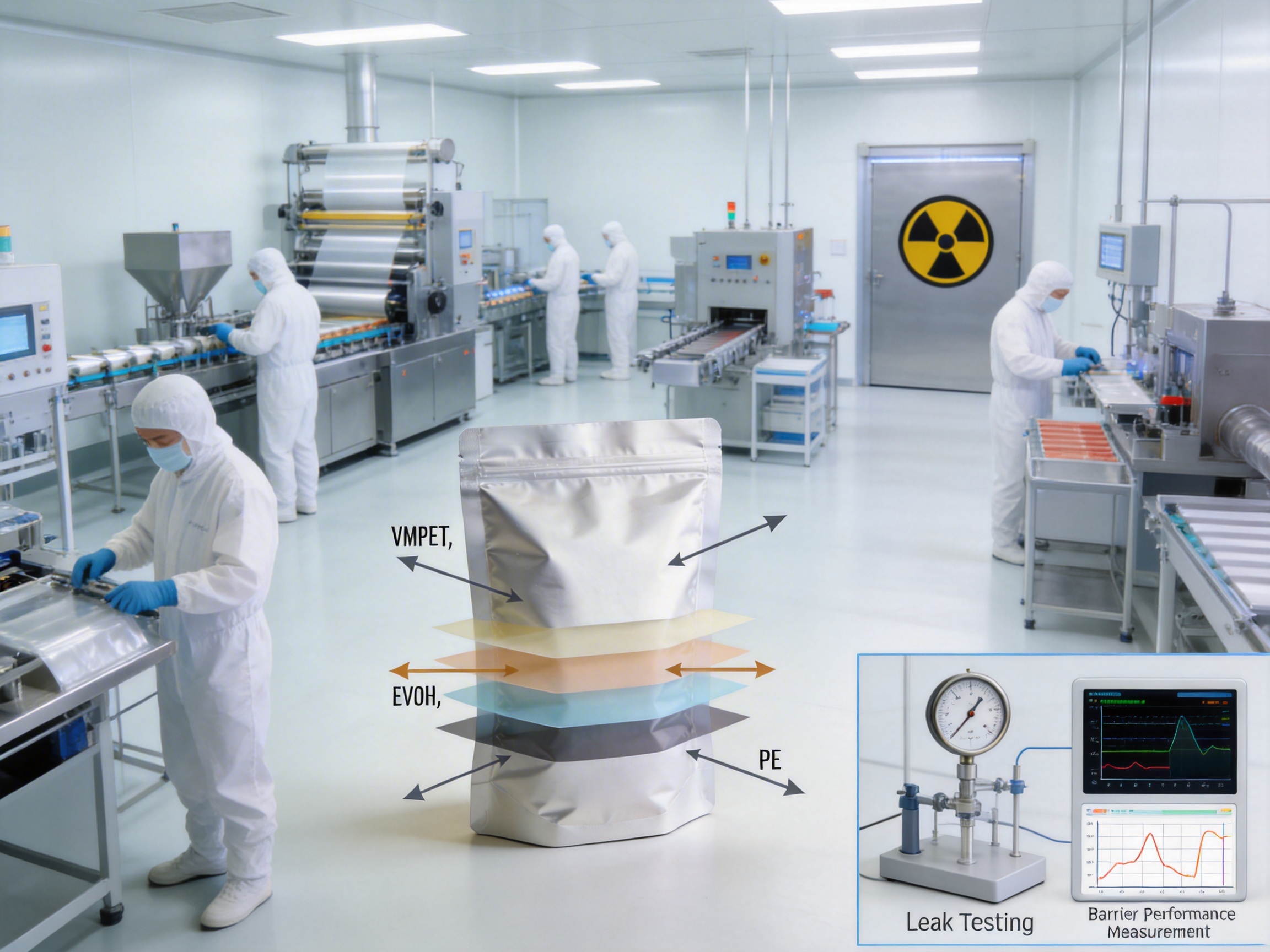
Aseptic bags are produced in cleanrooms to prevent contamination during manufacturing. Top manufacturers use GMP (Good Manufacturing Practice) 100,000-level cleanrooms, which means that the air contains no more than 100,000 particles of 0.5 micrometers or larger per cubic foot. This level of cleanliness is essential to ensure that the bags remain sterile before use.
The production process in a cleanroom includes several steps:
- Injection Molding: Production of fitments and spouts using food-grade plastic.
- Film Extrusion: Manufacturing of individual film layers (e.g., PE, PA, EVOH).
- Lamination: Bonding of film layers into a single structure.
- Bag Making: Cutting and sealing the laminated film into bags of the desired size and shape.
- Quality Control: Testing for leaks, barrier performance, and sterility.
- Irradiation: Final sterilization of the bags.
Every step is closely monitored to ensure compliance with GMP standards, and workers wear protective clothing (gowns, gloves, masks) to prevent contamination.
5. Rigorous Quality Control
Top manufacturers implement strict quality control measures at every stage of production. This includes:
- Material Testing: Checking raw materials for food safety compliance and quality.
- Lamination Testing: Ensuring that layers are bonded correctly and no delamination occurs.
- Barrier Testing: Measuring oxygen and moisture transmission rates to ensure barrier performance meets specifications.
- Leak Testing: Checking bags for leaks using pressure or vacuum tests.
- Sterility Testing: Using biological indicators to confirm that irradiation has killed all microbes.
These tests ensure that every bag meets the highest quality standards and is safe for use with sensitive products.
Company Strengths: A Case Study in Aseptic Bag Excellence
While the technology behind aseptic bags is important, the manufacturer’s expertise and commitment to quality are equally critical. A leading player in the industry has established itself as a specialist in medium and large liquid flexible packaging, with a track record of innovation and excellence spanning over 19 years.
1. Legacy of Expertise and Innovation
Founded in 2006, this manufacturer has focused on developing high-quality aseptic and non-aseptic flexible packaging solutions for liquid products. Over the years, it has built a reputation for driving innovation in the industry, with a team of engineers and material scientists dedicated to improving barrier performance, sustainability, and manufacturing efficiency.
One of its most significant achievements is contributing to the formulation of China’s national standard for "Composite Bags for Aseptic Packaging of Liquid Foods" in 2018. This standard sets strict guidelines for material safety, barrier performance, and sterilization, ensuring that Chinese manufacturers produce high-quality aseptic bags that meet global standards.
2. Global Credibility: EU ABMA Membership
In 2020, this manufacturer made history by becoming the only Asian member of the European Aseptic Bag Manufacturers Association (EU ABMA). This membership is a testament to its commitment to quality and compliance with international standards. EU ABMA members must adhere to strict guidelines for production, quality control, and sustainability, making this manufacturer a trusted partner for businesses worldwide.
3. One-Stop Solution: Packaging + Filling Services
Unlike many competitors who only offer packaging, this manufacturer provides a seamless one-stop solution for both packaging and filling. It owns advanced filling machines that can handle a wide range of liquid products, from tomato paste to industrial chemicals. This allows customers to receive high-quality packaging and filling services under one roof, saving time and resources by eliminating the need to coordinate with multiple vendors.
The filling process is also conducted in cleanrooms to ensure that products remain sterile and free of contamination. This integrated approach ensures that the entire supply chain is efficient and reliable.
4. Global Reach and Local Support
With two manufacturing plants in China and branches in Europe, this manufacturer has a global presence that allows it to serve customers in over 100 countries and regions. Local branches provide personalized support to customers, including technical assistance, product customization, and after-sales service. This global reach combined with local support makes it easy for businesses to access high-quality aseptic packaging solutions regardless of their location.
5. Commitment to Sustainability
This manufacturer prioritizes sustainability in all aspects of its operations. It uses solvent-free lamination processes to reduce VOC emissions, develops recyclable packaging options (like "Better-recycle" bags), and invests in energy-efficient manufacturing equipment. Its commitment to sustainability aligns with the growing demand for eco-friendly packaging solutions from consumers and businesses alike.
Product Spotlight: 220 Lt Aseptic Bag for Tomato Paste
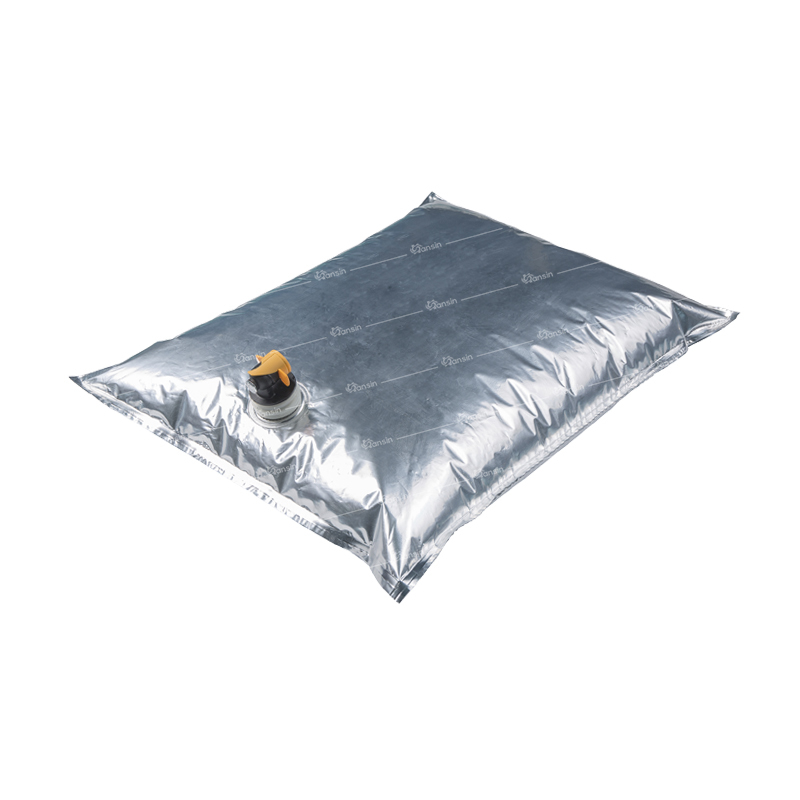
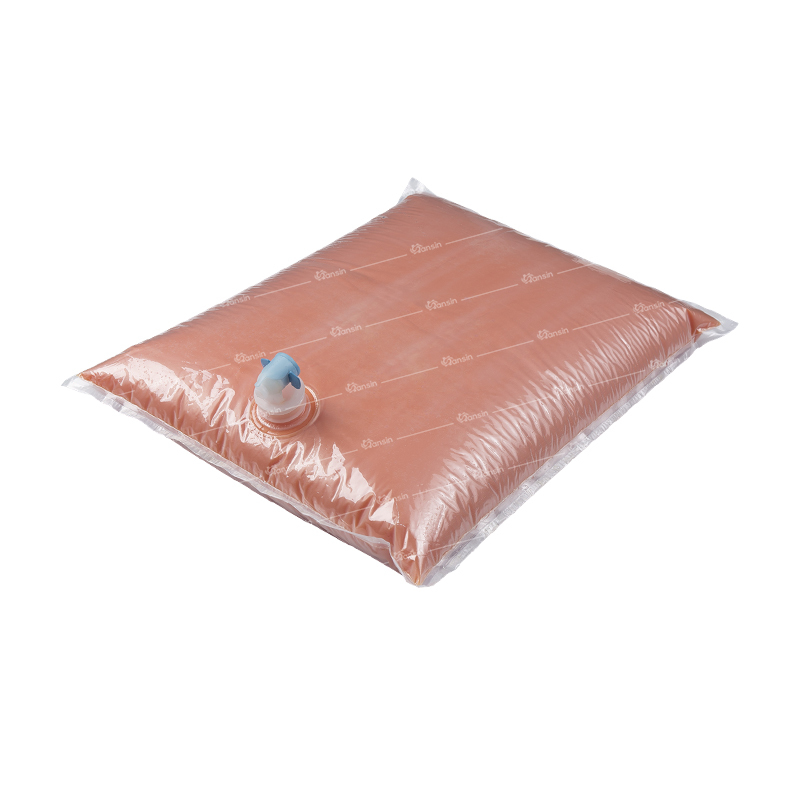
To illustrate the excellence of modern aseptic bags, let’s take a closer look at a 220 Lt aseptic bag designed specifically for tomato paste. This product is a perfect example of how advanced manufacturing processes and customization can address the unique needs of a sensitive liquid product.
Key Specifications
| Specification | Details |
|---|---|
| Material Structure | VMPET/PE/PA/PET ALU EVOH, etc. |
| Application | Liquid Food & Liquid Non-food |
| Product Size | 200 / 220 Lt |
| Barrier Level | Standard Barrier / High Barrier / Ultra-high Barrier |
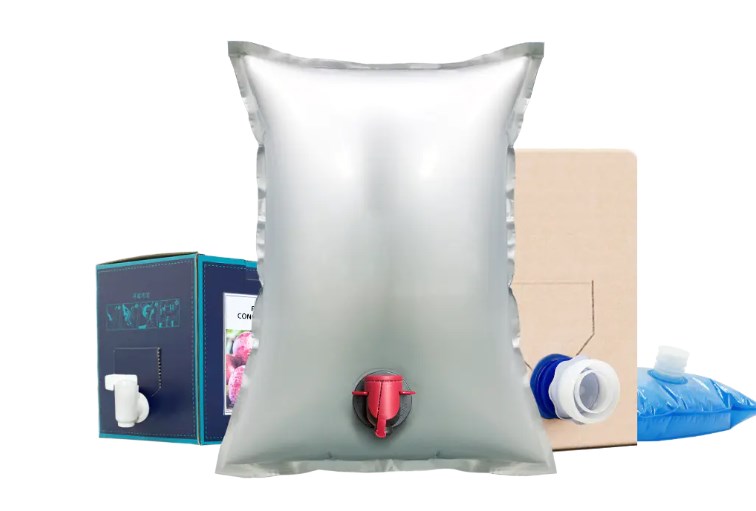
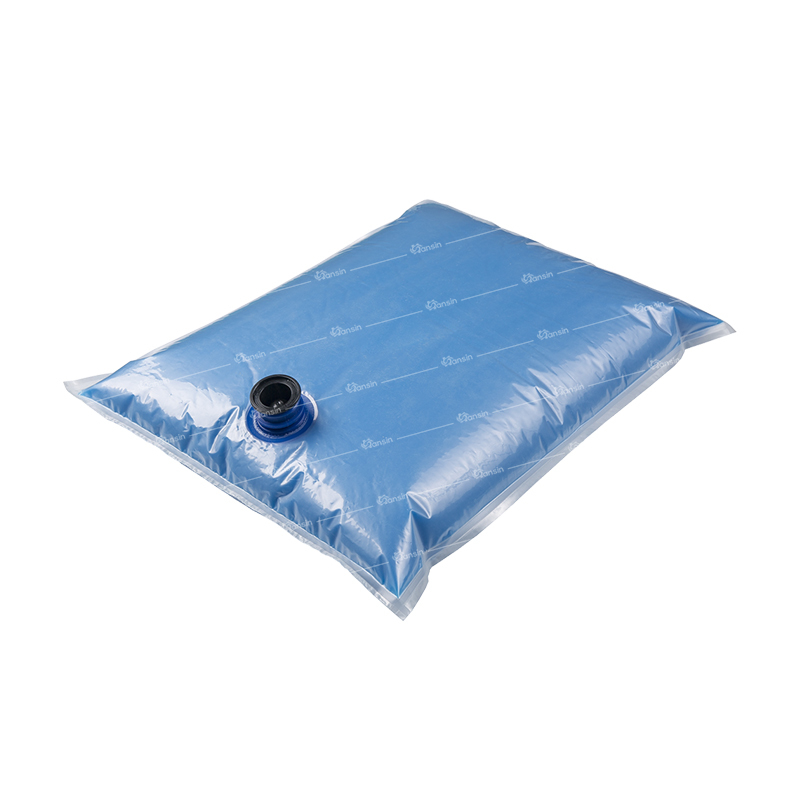
| Bag Type | Bag With Spout |
| Key Features | Barrier, Aseptic, Flex Crack Resistant |
| Compliance Standards | ABMA Standards (European Standards) |
| Sterilization Method | Irradiation Sterilization ≥15kGy |
| Lamination Process | Solvent-free Lamination |
| Raw Materials | Food-grade, Ensures Food Safety |
Tailored for Tomato Paste: Why It Works
Tomato paste is a highly sensitive product that requires specific packaging to maintain its quality. Here’s how this 220 Lt aseptic bag addresses those needs:
- Barrier Protection: The multi-layer structure (including EVOH and aluminum foil) blocks oxygen, moisture, and light—preventing oxidation (which causes discoloration and flavor loss) and mold growth.
- Sterility: Irradiation sterilization ensures that the bag is completely free of microbes, extending the shelf life of the tomato paste to up to 12 months without refrigeration.
- Flex Crack Resistance: The film used in the bag is designed to resist cracking during transport and handling, reducing the risk of leaks and product waste.
- Solvent-free Lamination: No residual solvents mean no off-flavors, preserving the natural taste of the tomato paste.
- Spout Design: The bag comes with a spout that allows for easy pouring and dispensing, reducing product waste during use.
Advantages Over Competitors in the Tomato Paste Niche
This 220 Lt aseptic bag stands out from competitors in several ways:
- ABMA Compliance: Meets European ABMA standards, making it acceptable for export to global markets (including Europe, the U.S., and Asia).
- One-Stop Filling Service: Customers can get the bag filled with tomato paste directly from the manufacturer, eliminating the need for separate filling equipment.
- Customization Options: Can be tailored to specific tomato paste formulations (e.g., higher barrier for organic tomato paste) or size requirements.
- Sustainability: Solvent-free lamination and recyclable options make it a more eco-friendly choice than metal drums or glass jars.
- Quality Control: Rigorous testing ensures that every bag meets the highest standards, reducing the risk of product spoilage.
Q&A Section: Common Questions About Aseptic Bags
To address common concerns and questions about aseptic bags, we’ve compiled this Q&A section:
Q1: What is the shelf life of products packaged in aseptic bags?
A: The shelf life depends on the product and the barrier level of the bag. For example, tomato paste packaged in a high-barrier aseptic bag can last up to 12-24 months without refrigeration. For more sensitive products like fruit juices, the shelf life may be slightly shorter (6-12 months) but still significantly longer than non-aseptic packaging.
Q2: Are aseptic bags safe for food contact?
A: Yes. Top manufacturers use only food-grade raw materials that comply with global regulations (e.g., FDA, EU 1935/2004). Solvent-free lamination and irradiation sterilization ensure that there are no harmful residues or microbes in the bag, making it safe for food and beverage products.
Q3: Can aseptic bags be recycled?
A: Many modern aseptic bags are designed with recyclable materials. Some manufacturers offer "Better-recycle" options that are easier to recycle than traditional flexible bags. However, it’s important to check local recycling facilities to see if they accept aseptic bags, as recycling capabilities vary by region.
Q4: How does the cost of aseptic bags compare to metal drums?
A: Aseptic bags are generally more cost-effective than metal drums when considering the total cost of ownership. While the upfront cost of a metal drum may be similar, the lower transport costs (due to lighter weight) and higher product yield (less residual product) make aseptic bags a more economical choice in the long run.
Q5: What certifications should I look for in an aseptic bag manufacturer?
A: Look for manufacturers that comply with: - EU ABMA standards (for European markets) - China national standards for aseptic packaging - GMP (Good Manufacturing Practice) for cleanroom production - Food safety certifications (e.g., ISO 22000, HACCP) - FDA approval (for U.S. markets)
Q6: Can aseptic bags be used for non-food products?
A: Yes. Aseptic bags are suitable for a wide range of non-food products, including paints, coatings, adhesives, and industrial chemicals. They can be customized with specific barrier layers to address the unique needs of these products (e.g., corrosion resistance for chemicals).
References
1. European Aseptic Bag Manufacturers Association (EU ABMA). (2022). Guidelines for Aseptic Bag Production and Quality Control. Brussels, Belgium.
2. Standardization Administration of China. (2018). GB XXXX-2018: Composite Bags for Aseptic Packaging of Liquid Foods. Beijing, China.
3. Smith, J. D., & Chen, L. (2021). Sustainable Flexible Packaging: Innovations in Aseptic Solutions for Liquid Foods. Journal of Food Science and Technology, 58(10), 3890-3901.
4. World Packaging Organization (WPO). (2023). The Future of Liquid Packaging: Trends and Opportunities in Aseptic Flexible Solutions. Geneva, Switzerland.
5. Food and Agriculture Organization (FAO). (2020). Reducing Food Waste Through Improved Packaging Technologies. Rome, Italy.
6. Lee, H. S., & Park, J. H. (2019). Barrier Performance of Multi-Layer Flexible Films for Aseptic Packaging. Packaging Technology and Science, 32(5), 456-468.
Conclusion
Aseptic bags have revolutionized the liquid packaging industry, offering a safe, efficient, and sustainable alternative to traditional rigid containers. Their superior barrier performance, reliable sterilization, customization flexibility, and cost-effectiveness make them an ideal choice for a wide range of food and non-food products. Leading manufacturers continue to innovate, investing in advanced material science, cleanroom production, and one-stop solutions to meet the evolving needs of businesses worldwide.
As global demand for safe and sustainable packaging grows, aseptic bags will play an increasingly important role in ensuring product integrity, reducing waste, and supporting eco-friendly initiatives. For businesses looking to stay competitive in the liquid packaging market, partnering with a reputable manufacturer of high-quality aseptic bags is a strategic decision that can drive growth and success.