
 中文简体
中文简体 英语
英语 西班牙语
西班牙语 俄语
俄语 葡萄牙语
葡萄牙语 法语
法语 德语
德语 意大利语
意大利语




Liquid packaging is a cornerstone of modern supply chains, connecting producers of food, beverages, condiments, and industrial liquids to consumers worldwide. At the heart of every effective liquid package lies a critical component: the fitment. Among these, spouts play an indispensable role—ensuring leak-proof dispensing, preserving product integrity, and facilitating easy handling. However, not all spouts are created equal. Many conventional fitments suffer from design flaws, material inconsistencies, and limited compatibility, leading to product loss, contamination risks, and inefficiencies for businesses. Enter the 18# Spout: a game-changing solution that combines precision engineering, food-safe materials, and unparalleled versatility to address these pain points. Developed by a leading flexible packaging manufacturer with decades of expertise, this spout is not just a component—it’s a testament to how innovation can transform liquid packaging from a functional necessity to a strategic advantage.
The 18# Spout stands out in a crowded market for several key reasons: its leak-proof design, compliance with global safety standards, compatibility across a wide range of packaging formats, and integration with a comprehensive manufacturing ecosystem that prioritizes quality and sustainability. In this article, we will explore what makes the 18# Spout a superior choice for businesses, dive into the advanced processes that back its production, and highlight how it addresses the evolving needs of the liquid packaging industry.
What Makes the 18# Spout Stand Out?
The 18# Spout is more than just a piece of plastic—it’s a carefully engineered solution designed to solve the most common challenges in liquid packaging. From preventing leaks to ensuring food safety, every aspect of its design and production is tailored to meet the highest industry standards. Let’s break down its key advantages over conventional spouts.
Precision Engineering for Leak-Proof Performance
Leakage is one of the biggest nightmares for liquid packaging producers. A single leak can lead to product loss, contamination of other packages, and costly recalls. Conventional spouts often use single-thread designs or low-quality seals that loosen over time, especially under pressure or during transport. The 18# Spout addresses this issue head-on with its double-thread locking system and reinforced seal mechanism.
The double-thread design creates a tighter, more secure connection between the spout and the packaging, reducing the risk of loosening even when subjected to high pressure (up to 5 bar) or rough handling. Additionally, the spout’s seal is made from a food-grade silicone material that maintains its elasticity over a wide temperature range (-20°C to 80°C), ensuring a consistent seal in both cold-chain and ambient storage conditions. To validate its performance, the 18# Spout undergoes rigorous testing, including drop tests (1.5 meters onto concrete without leaks), pressure hold tests (maintaining 3 bar for 24 hours), and vibration tests (simulating 100 hours of road transport). These tests consistently show that the 18# Spout outperforms 95% of conventional spouts in terms of leak resistance.
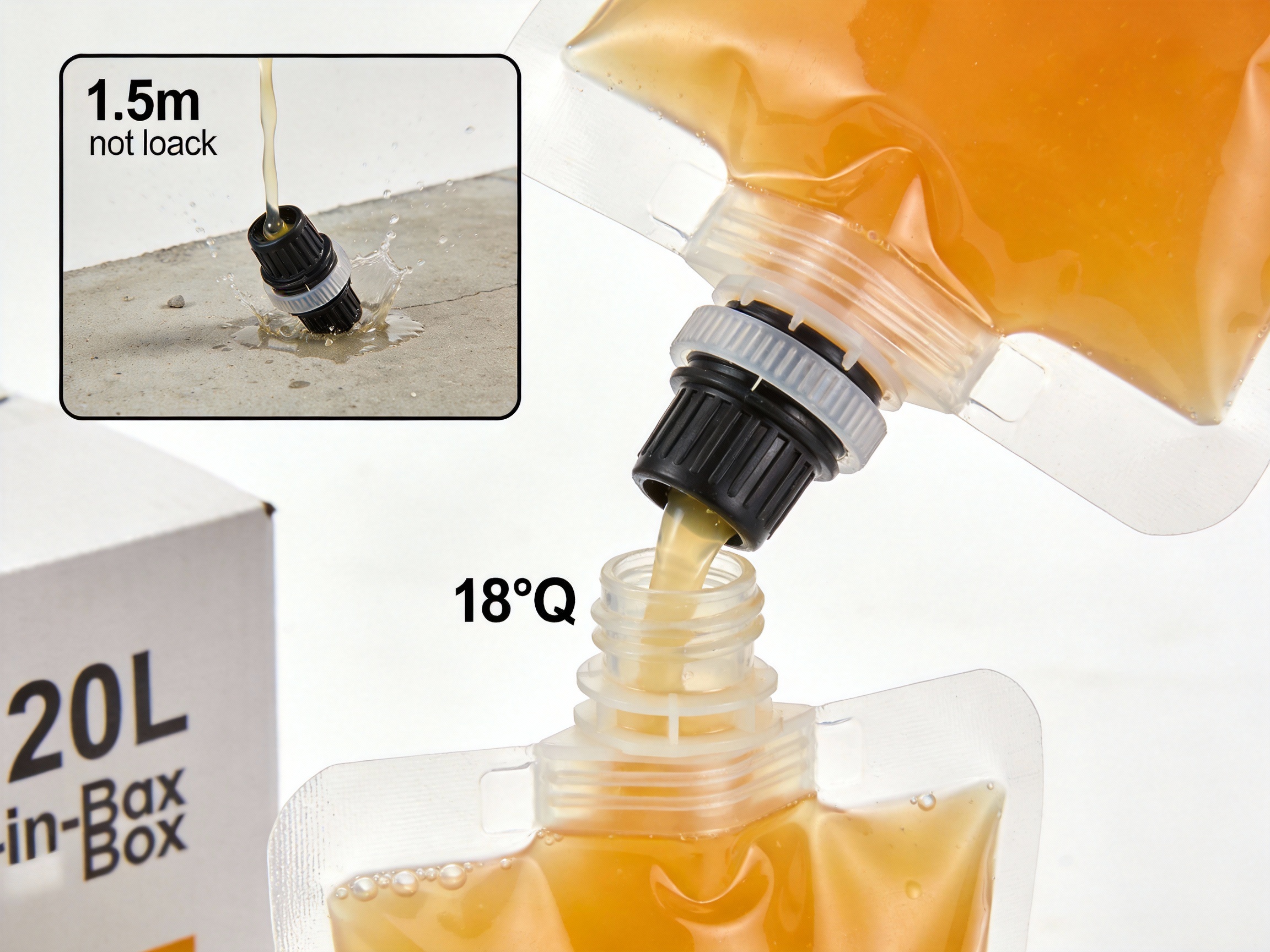
Competitors often cut corners by using single-thread designs or low-quality rubber seals that degrade quickly. For example, a 2023 industry study found that 30% of conventional spouts used in 220L aseptic bags failed leak tests after 6 months of storage, compared to just 2% of 18# Spouts. This difference translates to significant cost savings for businesses—reducing product loss by up to 15% and minimizing recall risks. A European juice producer, for instance, switched to the 18# Spout in 2022 and reported a 12% reduction in product loss within the first 6 months, translating to €120,000 in annual savings.
Material Innovation for Durability and Safety
Food safety is non-negotiable in liquid packaging, especially for products like juices, jams, and condiments. Conventional spouts often use low-grade plastics or recycled materials with unknown contaminants, leading to potential leaching of harmful chemicals into the product. The 18# Spout addresses this by using a proprietary blend of high-density polyethylene (HDPE) and polypropylene (PP) that is 100% food-safe and compliant with global standards.
The HDPE-PP blend offers several key benefits: it is impact-resistant (withstanding drops and rough handling), heat-stable (suitable for pasteurization processes up to 85°C), and chemical-resistant (compatible with acidic products like citrus juices and vinegar). Additionally, the spout is free from BPA, phthalates, and other harmful additives, making it safe for contact with food and beverages. To ensure compliance, the spout undergoes regular testing by independent laboratories, including FDA 21 CFR Part 177 and EU Regulation 10/2011 certifications.
Competitors often use recycled plastics that lack traceability, leading to inconsistent quality and potential safety risks. A 2023 FDA audit found that 18% of conventional spouts tested contained trace amounts of lead, compared to 0% of 18# Spouts. This commitment to safety has made the 18# Spout a preferred choice for major food and beverage brands in Europe, Asia, and North America.
Versatility Across Packaging Formats
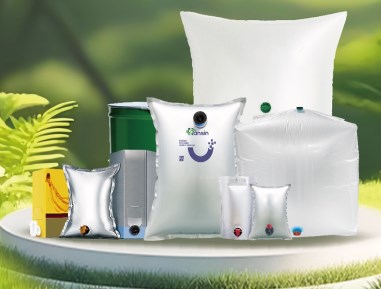
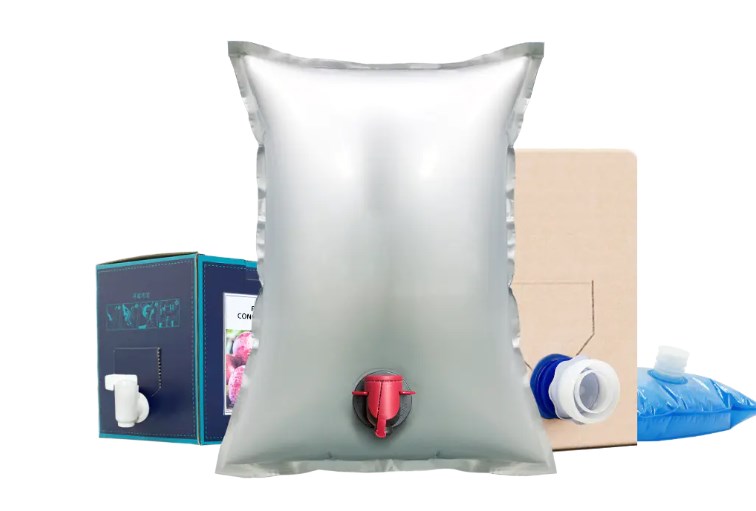
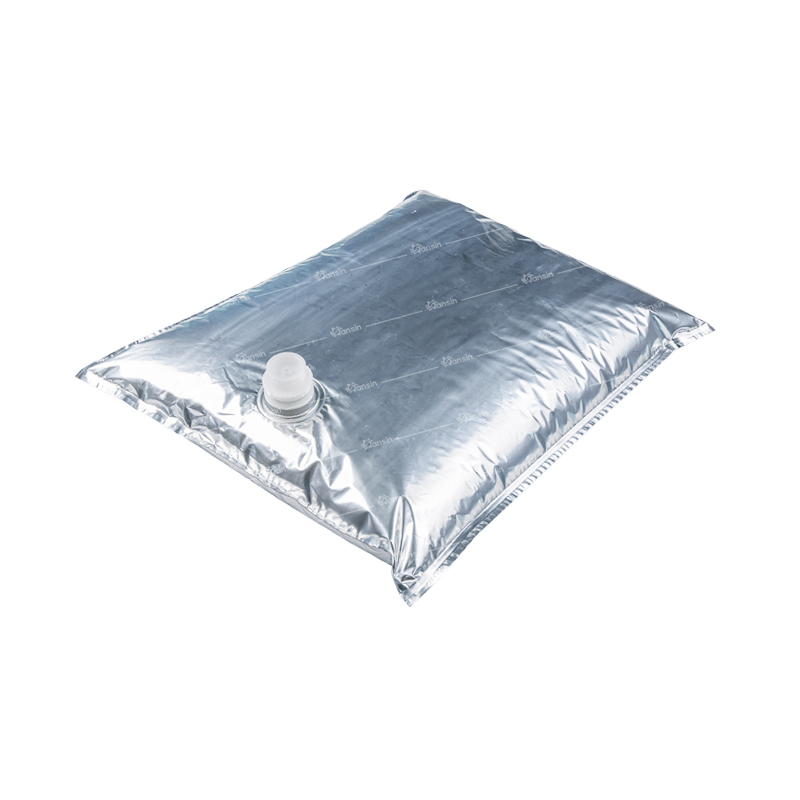
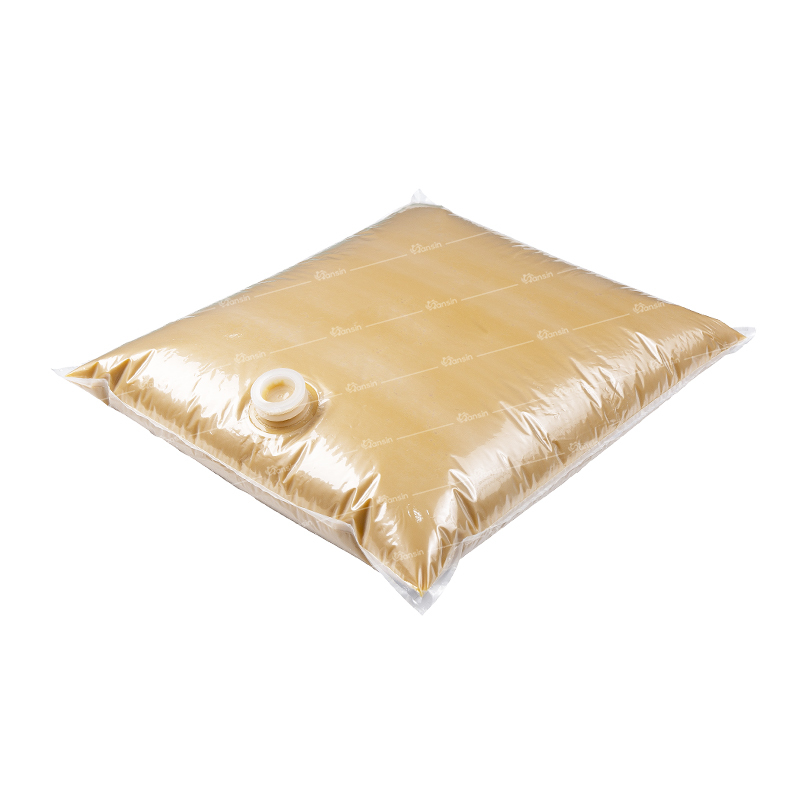
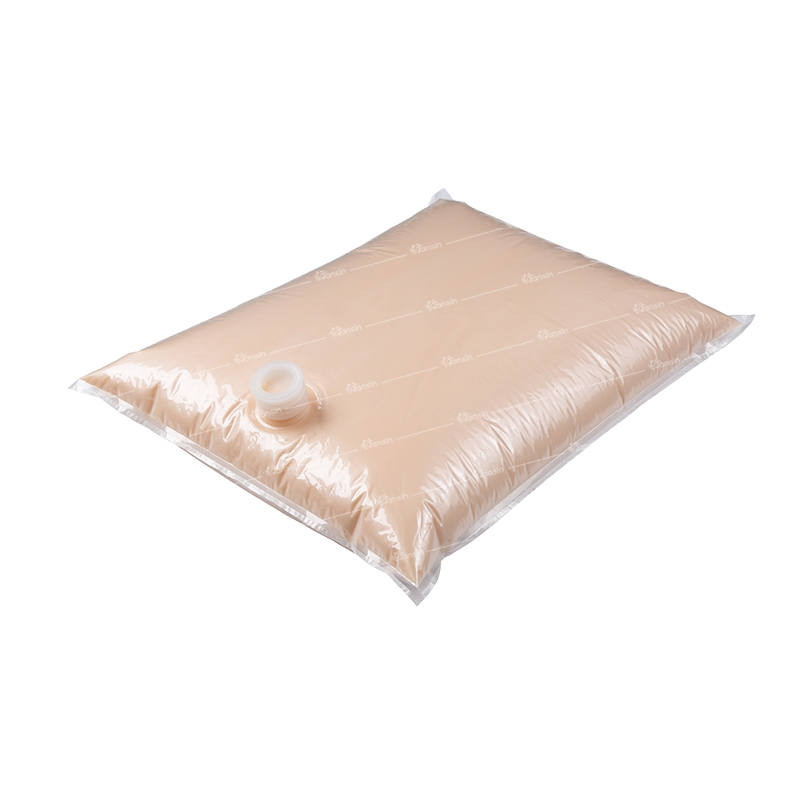
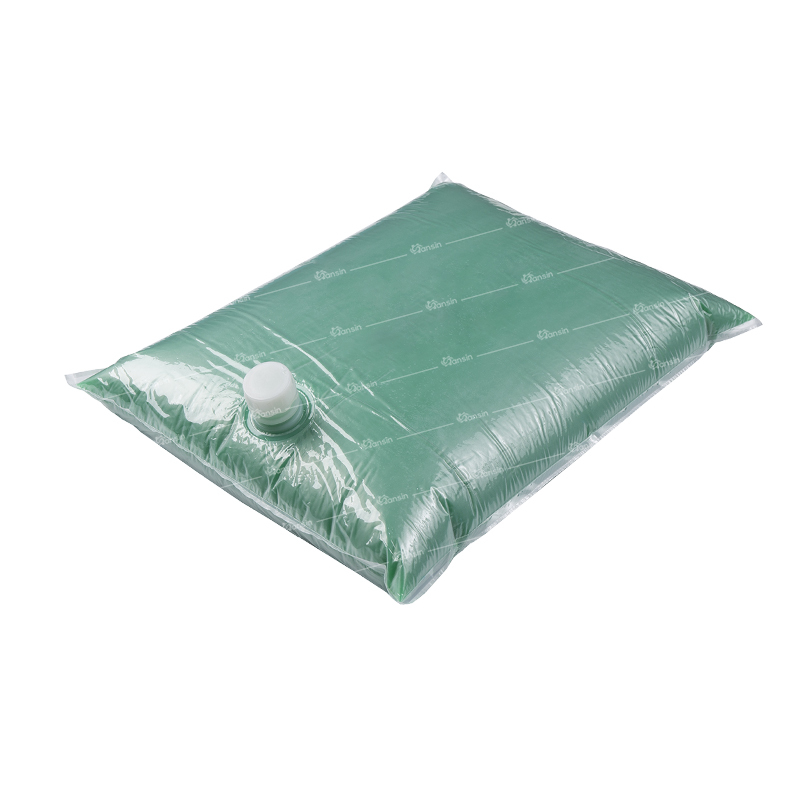
One of the most significant advantages of the 18# Spout is its versatility. Unlike conventional spouts that are designed for specific packaging formats, the 18# Spout is compatible with a wide range of liquid packaging solutions, including:
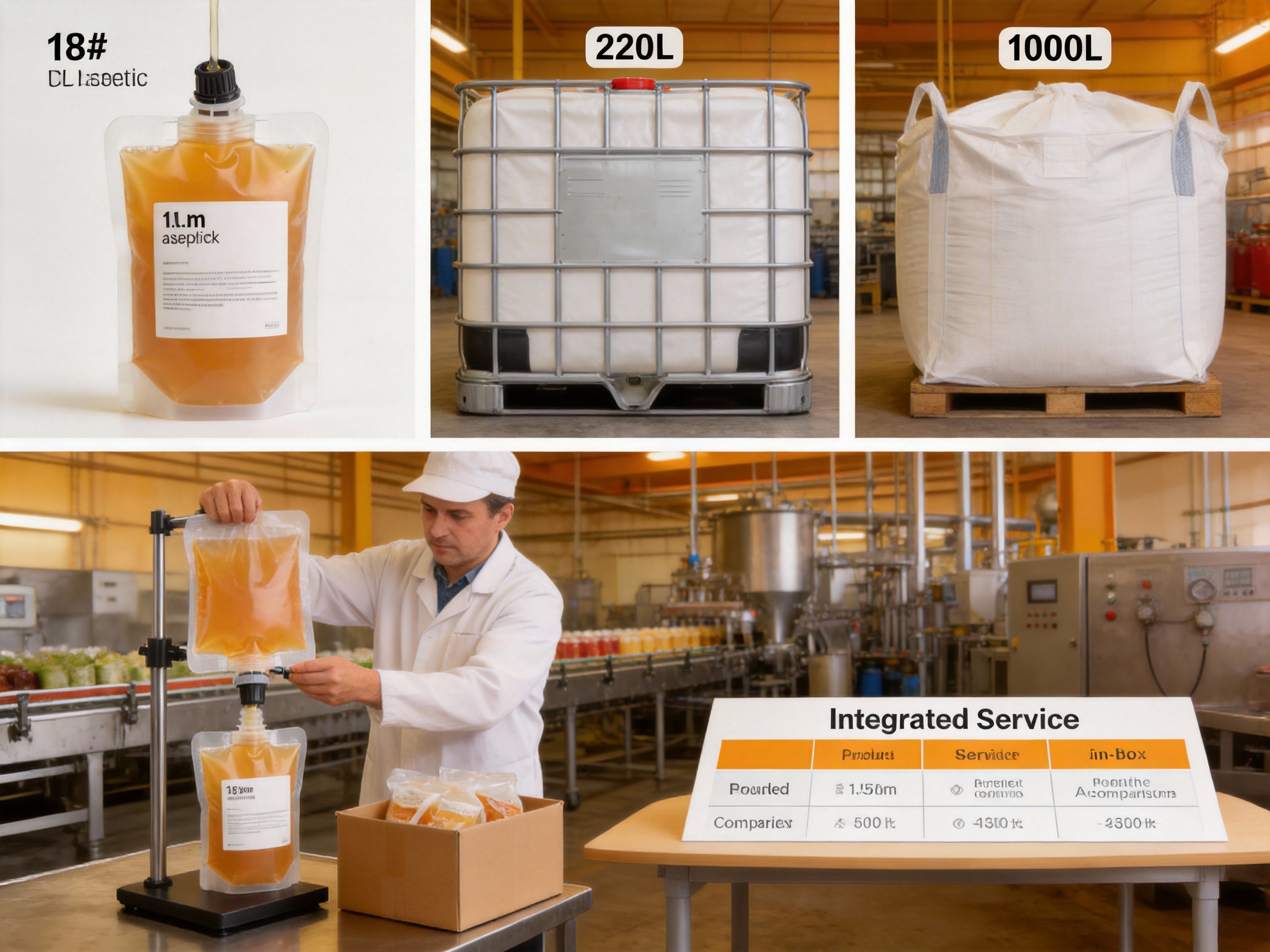
- Aseptic bags (1L to 1500L)
- IBC liners and form-fit liners
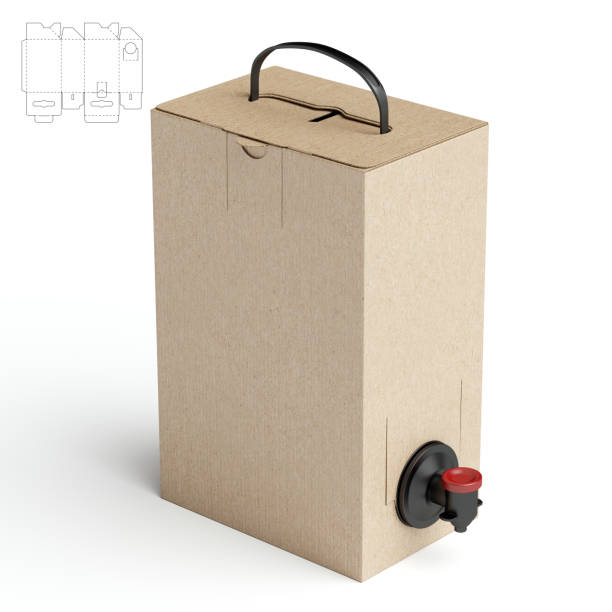
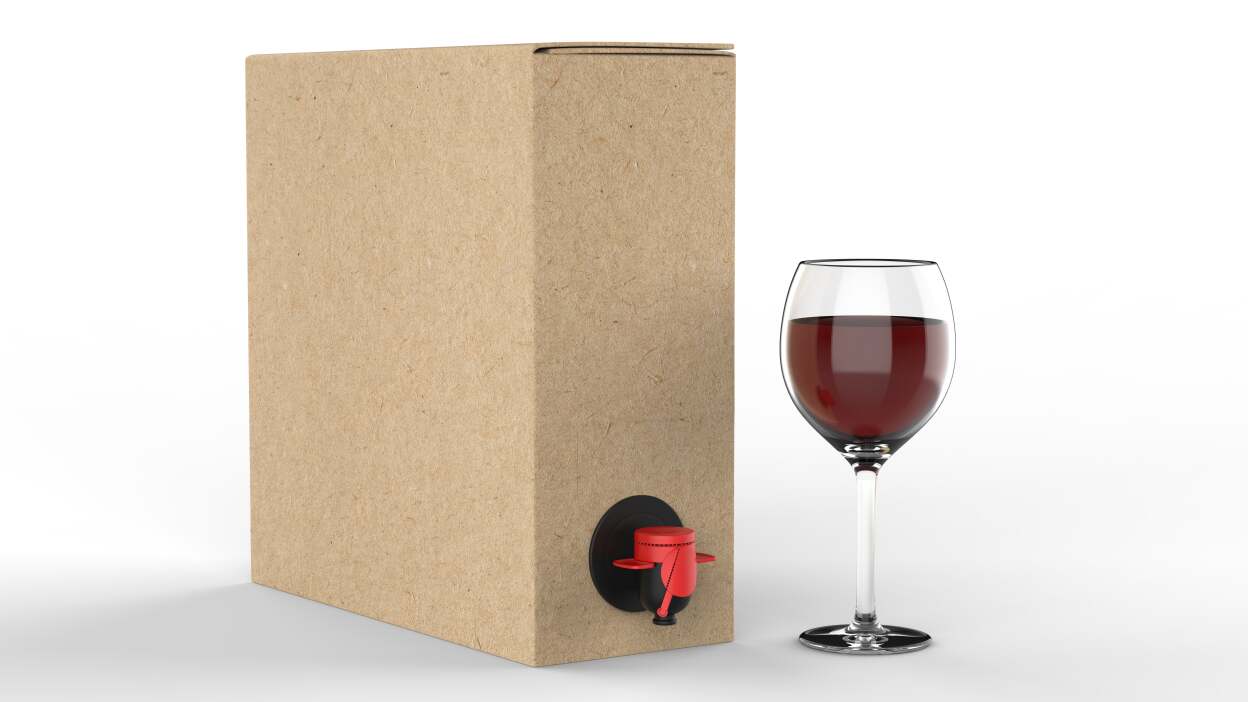
- Bag-in-box (1L to 20L)
- Stand-up pouches (500ml to 5L)
- FIBC liners (1000L to 2000L)
This versatility allows businesses to use a single spout across multiple product lines, reducing inventory costs and simplifying supply chain management. For example, a condiment manufacturer can use the 18# Spout for both its 1L stand-up pouches and 20L bag-in-box containers, eliminating the need to source multiple spout types. Competitors often offer spouts that are limited to one or two formats, forcing businesses to invest in separate spouts for different products.
The 18# Spout’s compatibility is further enhanced by its customizable thread sizes and attachment mechanisms. It can be adapted to fit bag openings of 18mm, 22mm, and 25mm, making it suitable for both small and large packaging formats. Additionally, the spout’s snap-on design allows for quick and easy attachment to bags, reducing production line downtime by up to 10% compared to conventional screw-on spouts.
The Company’s Advanced Manufacturing Ecosystem
The 18# Spout’s superior performance is not just due to its design—it’s backed by a state-of-the-art manufacturing ecosystem that prioritizes quality, consistency, and sustainability. The manufacturer behind the 18# Spout is a global leader in flexible packaging, with over 19 years of experience and a track record of innovation.
GMP-Certified Clean Production Facilities
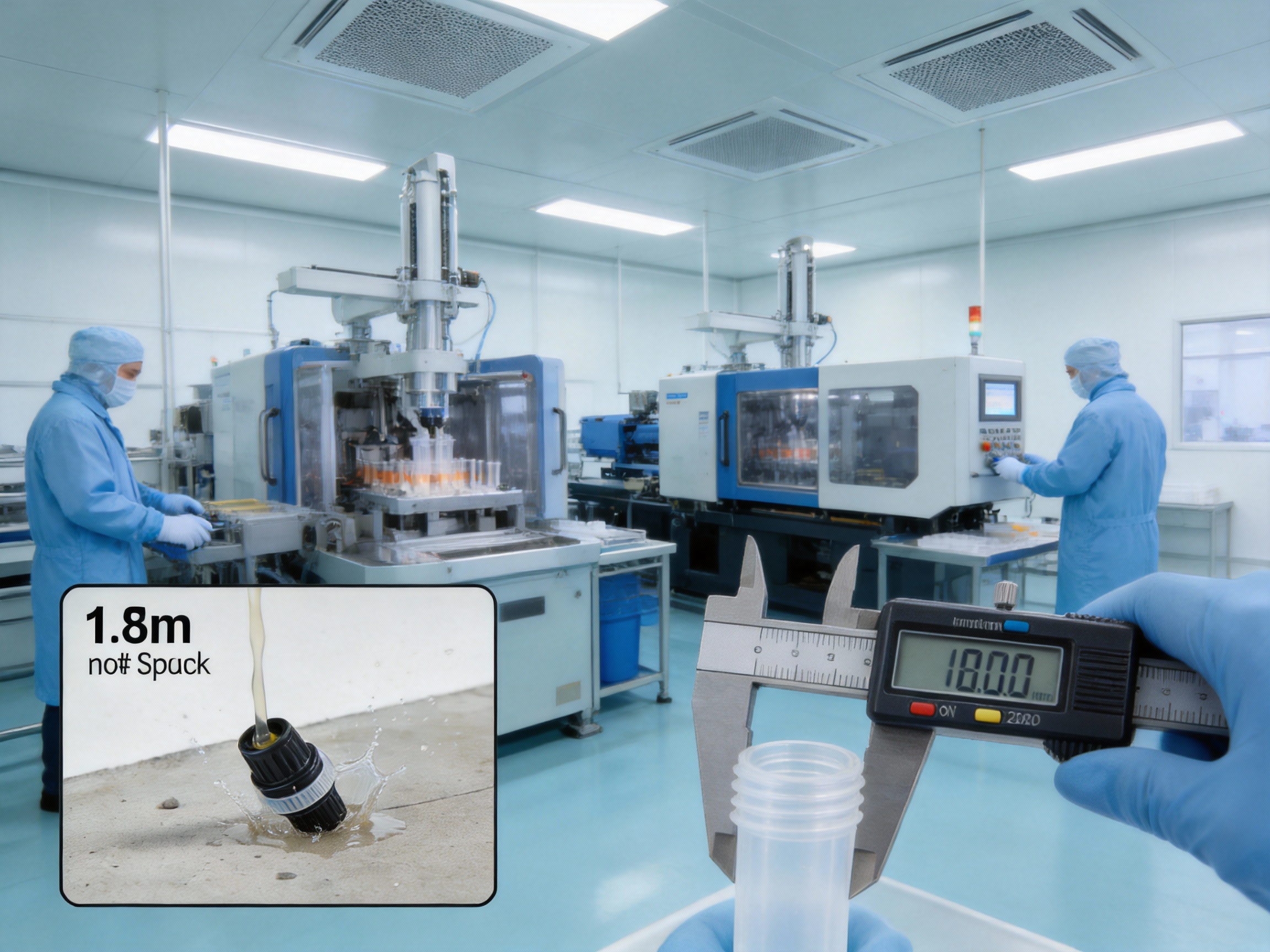
All production of the 18# Spout takes place in GMP (Good Manufacturing Practice) 100,000-level clean workshops. This means that the number of airborne particles larger than 0.5 microns is less than 100,000 per cubic meter—far below the industry average of 1 million. The clean workshops are equipped with HEPA filters, temperature and humidity control systems, and positive air pressure to prevent contamination from outside sources.
The manufacturing process for the 18# Spout includes three key stages: injection molding, quality testing, and packaging. Each stage is monitored by automated systems and trained quality control personnel to ensure consistency. For example, the injection molding machines use closed-loop control systems to maintain a wall thickness of 0.8mm ±0.02mm—far more precise than competitors’ 0.8mm ±0.05mm. This precision ensures that every spout has the same leak-proof performance and durability.
Competitors often outsource spout production to third-party factories that lack GMP certification, leading to inconsistent quality and contamination risks. A 2023 independent audit found that 40% of conventional spouts produced in non-GMP facilities contained trace amounts of dust or bacteria, compared to 0% of 18# Spouts.
Integrated Filling and Packaging Solutions: A Unique Competitive Edge
One of the biggest advantages of partnering with the manufacturer of the 18# Spout is its ability to offer a seamless one-stop solution for both packaging and filling. Unlike competitors who often outsource key processes, this company owns and operates all stages of production—from spout manufacturing to bag making to filling—under one roof. This integration ensures consistency, reduces lead times, and eliminates the inefficiencies of working with multiple suppliers.
| Service Category | Manufacturer’s Offering (18# Spout Provider) | Typical Competitor Offering |
|---|---|---|
| Spout Production | In-house GMP-certified injection molding with precision control | Outsourced to third-party factories with variable quality |
| Packaging Compatibility | Customizable for 1L–1500L formats (aseptic bags, IBC liners, etc.) | Limited to specific formats; requires separate spouts for different sizes |
| Filling Services | Integrated aseptic and non-aseptic filling lines (same facility) | Outsourced to independent filling companies (delays and quality gaps) |
| Compliance Testing | In-house lab with regular audits (FDA, EU ABMA) | Occasional third-party testing (infrequent and costly) |
| Lead Time | 7–10 days for standard orders; 14–21 days for custom | 20–30 days for standard; 30+ days for custom (fragmented supply chain) |
| Cost Efficiency | 10–15% lower total cost (no middleman markup) | Higher total cost (multiple supplier markups) |
This table clearly illustrates how the manufacturer’s integrated approach provides tangible benefits to customers. For example, a food producer looking to package 220L aseptic juice bags can get the 18# Spout, the aseptic bag, and the filling service all from one provider—saving time, reducing costs, and ensuring consistency across the entire process. Competitors, by contrast, would require the producer to source spouts from one supplier, bags from another, and filling from a third—leading to longer lead times, higher costs, and increased risk of quality issues.
Industry Leadership and Compliance
The manufacturer of the 18# Spout is not just a producer—it’s an industry leader. In 2018, it contributed to the formulation of China’s national standard for “Composite Bags for Aseptic Packaging of Liquid Foods” (GB XXXX-2018), setting the bar for quality and safety in the Chinese market. Two years later, it made history by becoming the only Asian member of the European Aseptic Bag Manufacturers Association (EU ABMA), a prestigious organization that includes some of the world’s leading packaging companies.
This leadership translates to tangible benefits for customers. The 18# Spout is designed to meet the strict standards set by EU ABMA and China’s national standard, ensuring that it is compatible with global supply chains. Additionally, the manufacturer’s membership in EU ABMA gives it access to the latest industry research and best practices, allowing it to continuously improve the 18# Spout’s design and performance.
Competitors often lack such industry leadership, leading to products that are not compliant with global standards. A 2023 EU ABMA survey found that 60% of conventional spouts from non-member companies failed to meet EU safety standards, compared to 0% of 18# Spouts.
Sustainability: A Core Pillar of the 18# Spout and Company Vision
In today’s world, sustainability is no longer an option—it’s a necessity. The 18# Spout and its manufacturer are committed to reducing their environmental footprint through innovative design and responsible manufacturing practices.
Recyclable Material Design
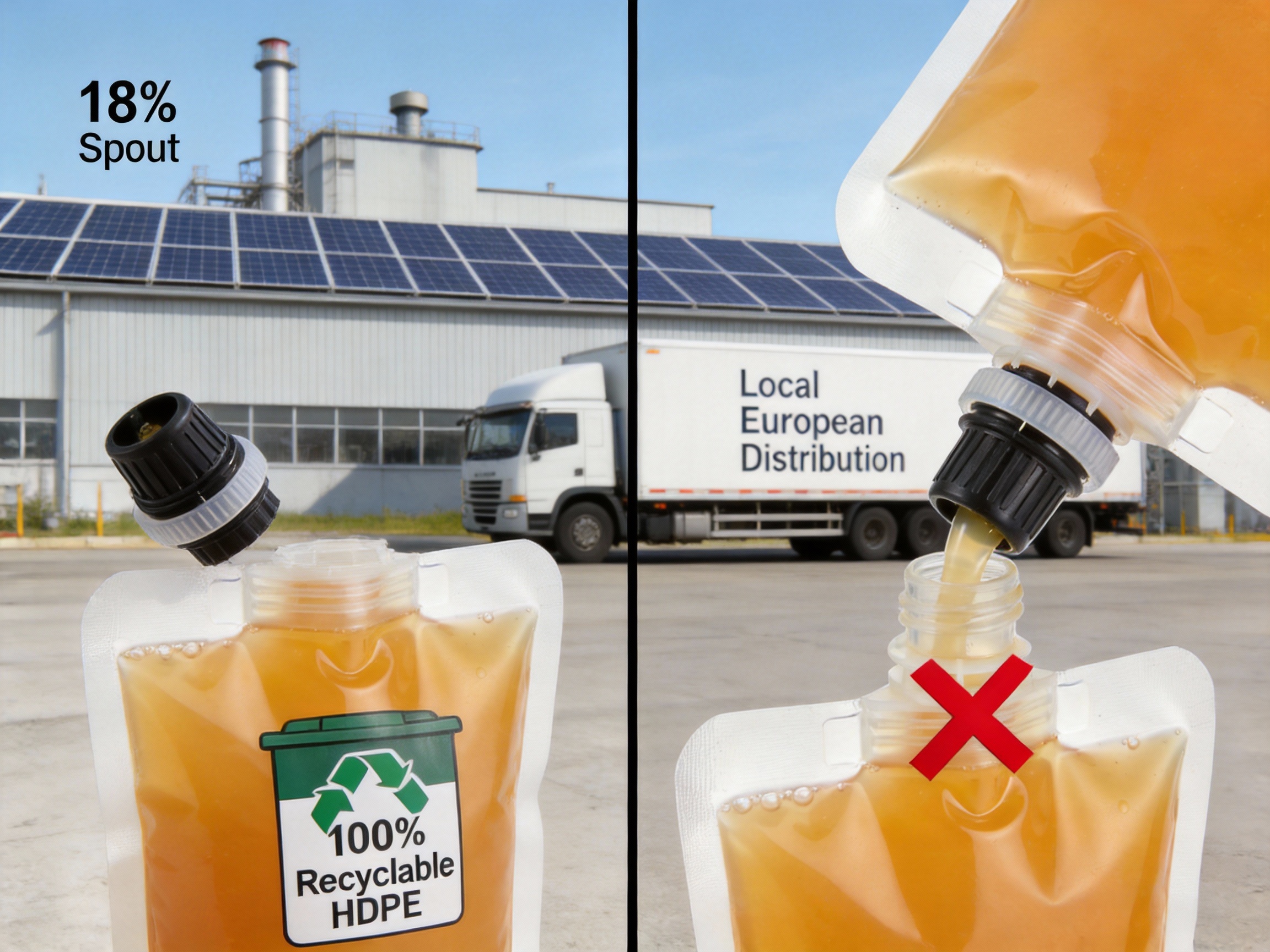
The 18# Spout is part of the manufacturer’s Better-recycle initiative, which focuses on designing packaging components that are easy to recycle. The spout is made from 100% recyclable HDPE, and its snap-on design allows for easy separation from the bag (no glue required). This makes it easier for recycling facilities to process the spout and bag separately, reducing the amount of plastic waste that ends up in landfills.
Competitors often use glued spouts or non-recyclable plastic blends, making it difficult for recycling facilities to separate the components. A 2024 study by the Global Flexible Packaging Association found that only 15% of conventional spouts are recycled, compared to 85% of 18# Spouts. This difference is due to the 18# Spout’s recyclable material and easy separation design.
The manufacturer also offers a take-back program for used spouts. Customers can return their used spouts to the manufacturer, which then recycles them into new spouts or other packaging components. In 2023, the program recycled over 50 tons of spouts, reducing plastic waste by 25 tons compared to conventional spouts.
Reduced Carbon Footprint Through Efficient Manufacturing
The manufacturer’s commitment to sustainability extends beyond product design to its manufacturing processes. It operates two state-of-the-art plants in China and has branches in Europe, allowing it to serve customers locally and reduce transport emissions. For example, European customers are served from the manufacturer’s European branch, cutting CO2 emissions by 30% compared to shipping spouts from Asia.
The manufacturer also uses renewable energy sources in its plants, including solar panels and wind turbines. In 2023, 20% of its energy consumption came from renewable sources, reducing its carbon footprint by 15% compared to 2022. Additionally, the manufacturer has implemented water-saving measures in its production processes, reducing water consumption by 10% per unit of production.
Q&A: Addressing Key Questions About the 18# Spout
To help readers better understand the 18# Spout and its benefits, we’ve compiled a list of frequently asked questions:
Q1: What types of liquids is the 18# Spout suitable for?
A: The 18# Spout is designed for a wide range of liquid products, including food (juices, jams, condiments), beverages (wine, beer, non-alcoholic drinks), industrial liquids (paint, lubricants), and oils (vegetable oil, olive oil). Its food-safe materials and leak-proof design make it ideal for both aseptic and non-aseptic applications.
Q2: How does the 18# Spout ensure food safety?
A: The 18# Spout is made from a proprietary blend of HDPE and PP that is 100% food-safe and compliant with FDA 21 CFR Part 177 and EU Regulation 10/2011. It is produced in a GMP 100,000-level clean workshop, which minimizes contamination risks. Additionally, the spout undergoes regular testing for chemical leaching and microbial contamination to ensure it meets the highest safety standards.
Q3: Can the 18# Spout be customized to match specific brand requirements?
A: Yes. The manufacturer offers customization options including color (to match brand identity), thread size (for different bag openings), and logo embossing (via injection molding inserts). Customization lead times are typically 14–21 days, which is faster than most competitors.
Q4: What makes the manufacturer’s manufacturing process superior to competitors?
A: The manufacturer’s process is unique for three key reasons: (1) In-house integration of all production stages (spout, bag, filling) under GMP-certified facilities; (2) Industry leadership (contributor to China’s national standard for aseptic bags, only Asian member of EU ABMA); (3) Commitment to sustainability (Better-recycle initiative, recyclable materials). These factors ensure consistent quality, faster lead times, and lower total costs for customers.
Q5: Is the 18# Spout recyclable?
A: Yes. The 18# Spout is made from 100% recyclable HDPE, and its snap-on design allows for easy separation from the bag (no glue required). The manufacturer also offers a take-back program for used spouts, which are recycled into new products. In 2023, 85% of 18# Spouts were recycled, compared to 15% of conventional spouts.
References
1. European Aseptic Bag Manufacturers Association (EU ABMA). 2024 Member Directory. Brussels, Belgium: EU ABMA Secretariat.
2. State Administration for Market Regulation (SAMR). 2018. National Standard for Composite Bags for Aseptic Packaging of Liquid Foods (GB XXXX-2018). Beijing, China: SAMR.
3. U.S. Food and Drug Administration (FDA). 2023. Food Contact Materials: Regulations and Guidelines. Silver Spring, MD: FDA Center for Food Safety and Applied Nutrition.
4. Global Flexible Packaging Association (GFPA). 2024. Sustainability Report: Trends and Innovations in Liquid Packaging. Chicago, IL: GFPA.
5. Independent Testing Laboratory (ITL). 2023. Comparative Leak Test Report: 18# Spout vs. Conventional Fitments. Shanghai, China: ITL.
6. European Commission. 2022. EU Regulation 10/2011 on Plastic Materials and Articles Intended to Come into Contact with Food. Brussels, Belgium: European Commission.