
 中文简体
中文简体 英语
英语 西班牙语
西班牙语 俄语
俄语 葡萄牙语
葡萄牙语 法语
法语 德语
德语 意大利语
意大利语




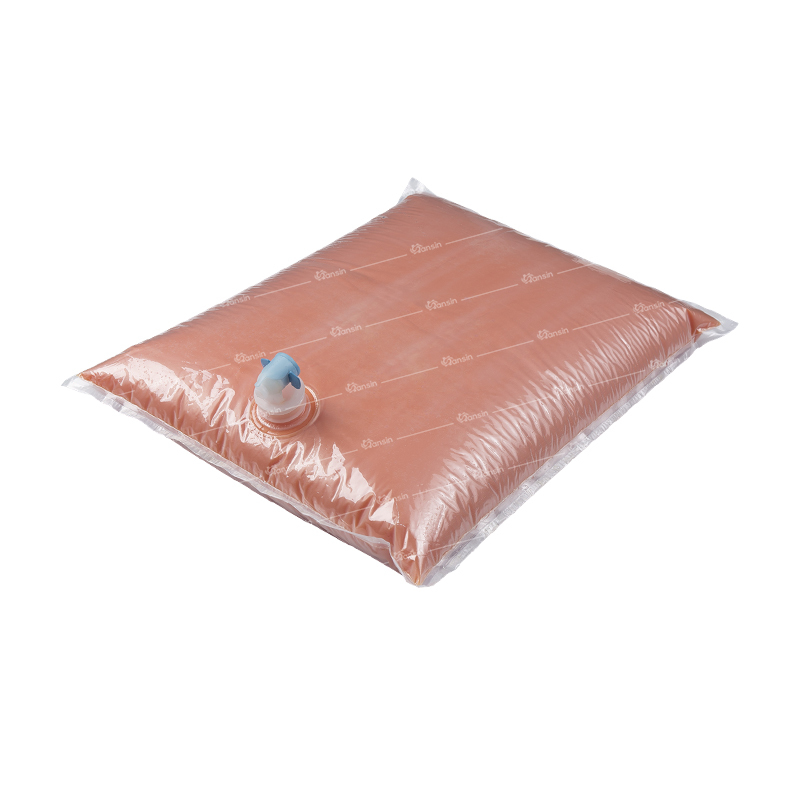
In the dynamic landscape of liquid packaging, every component plays a critical role in ensuring product integrity, consumer safety, and operational efficiency. Among these components, fitments—specifically spouts—are often overlooked yet essential for facilitating easy pouring, preventing leaks, and maintaining the shelf life of contents. As demand grows for flexible, sustainable, and high-performance packaging solutions, the 40# Spout emerges as a game-changer, addressing key pain points in the industry while setting new benchmarks for quality and innovation. This article explores the unique advantages of the 40# Spout, the advanced manufacturing processes that underpin its performance, and the broader strengths of the company behind its development, which has established itself as a leader in flexible packaging solutions.
What Makes the 40# Spout Stand Out in the Liquid Packaging Market?
The 40# Spout is not just another component—it’s a result of rigorous R&D and customer-centric design, tailored to meet the evolving needs of industries ranging from food and beverage to pharmaceuticals and industrial liquids. Below are its key differentiators that set it apart from conventional fitments.
1. Material Innovation: Balancing Durability and Flexibility
One of the most significant advantages of the 40# Spout lies in its material composition. Unlike many generic spouts that use low-grade plastics prone to cracking or warping under pressure, the 40# Spout is manufactured using a proprietary blend of food-grade polyethylene (PE) and polypropylene (PP) reinforced with additives for enhanced strength and chemical resistance. This blend strikes the perfect balance between rigidity (to maintain shape during filling and pouring) and flexibility (to withstand minor impacts and temperature fluctuations). For example, in cold chain applications where temperatures drop to -20°C, the spout remains intact without becoming brittle, whereas in high-temperature environments (up to 80°C), it does not deform or leach harmful chemicals into the product. This material resilience is a key advantage over competitors’ spouts, which often fail in extreme conditions, leading to product waste and customer complaints.
Additionally, the material is compliant with global food safety standards, including FDA (U.S. Food and Drug Administration) and EU 10/2011 regulations for food contact materials. This compliance ensures that the spout is safe for use with sensitive products like juices, dairy alternatives, and pharmaceutical liquids—an area where many generic fitments fall short due to non-compliant materials or insufficient testing.
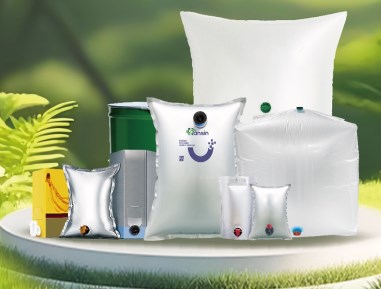
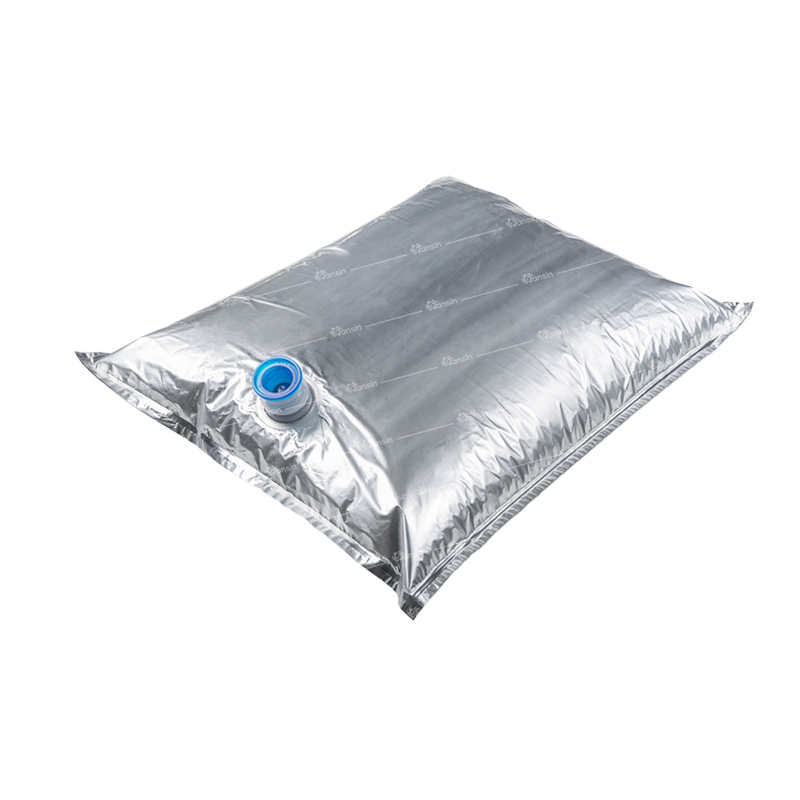
(1st image: Close-up of 40# Spout showing material texture and precision edges)2. Precision Engineering: Unmatched Leak-Proof Performance
Leakage is a persistent problem in liquid packaging, leading to product loss, contamination risks, and brand reputation damage. The 40# Spout addresses this issue through precision engineering that eliminates common leak points. The spout’s design features a dual-seal system: an internal O-ring (made from the same food-grade material blend) that creates a tight seal with the packaging bag, and an external screw cap with a ribbed interior that locks securely into place. This dual-seal mechanism ensures that even under high pressure (up to 1.5 bar) or during transportation (where packages may be jostled or stacked), there is no leakage. Competitors’ spouts often rely on single-seal designs or poorly fitting caps, which can loosen over time or fail under pressure, resulting in costly leaks.
Another engineering highlight is the spout’s nozzle shape: a tapered, wide-mouth design that allows for smooth, controlled pouring without splashing. This is particularly beneficial for viscous products like syrups, jams, or oils, where precise pouring is essential. The nozzle’s interior is also smooth, with no sharp edges or burrs that could trap product residue, making it easier to clean and reducing the risk of bacterial growth—another advantage over spouts with rough interiors that are hard to sanitize.
3. Compatibility: Versatility Across Packaging Formats
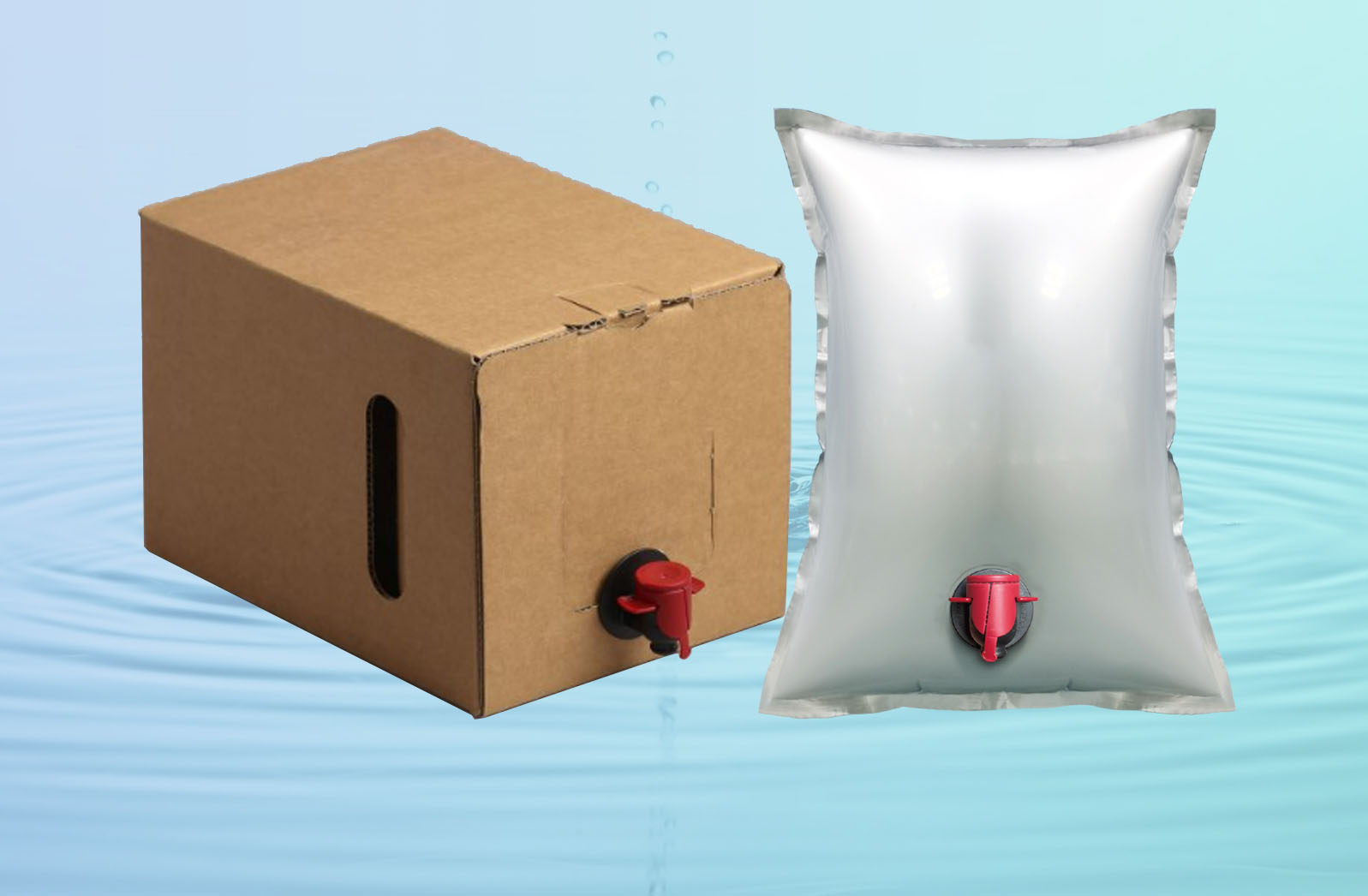
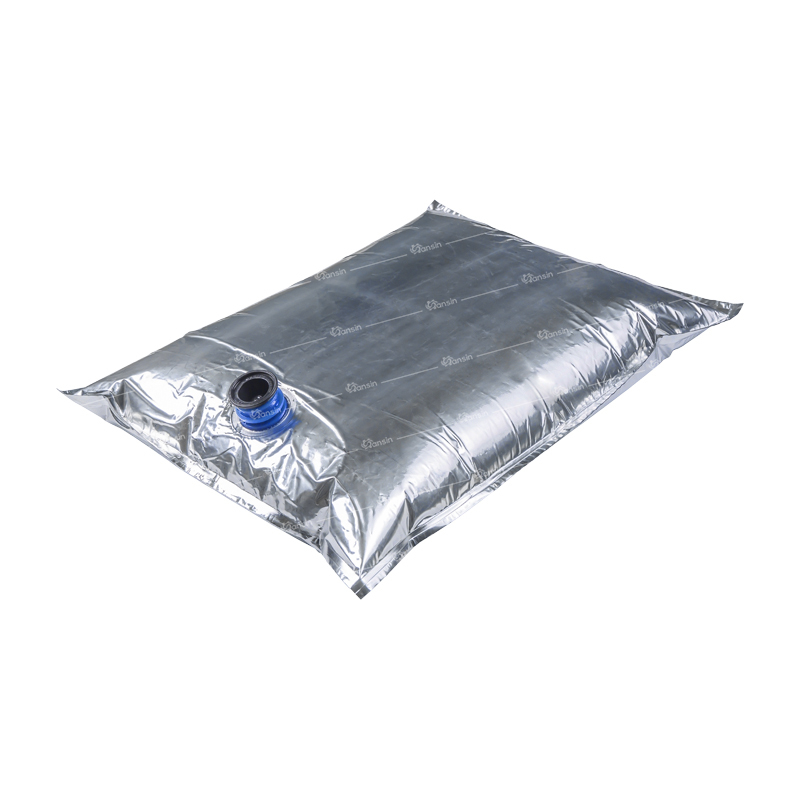
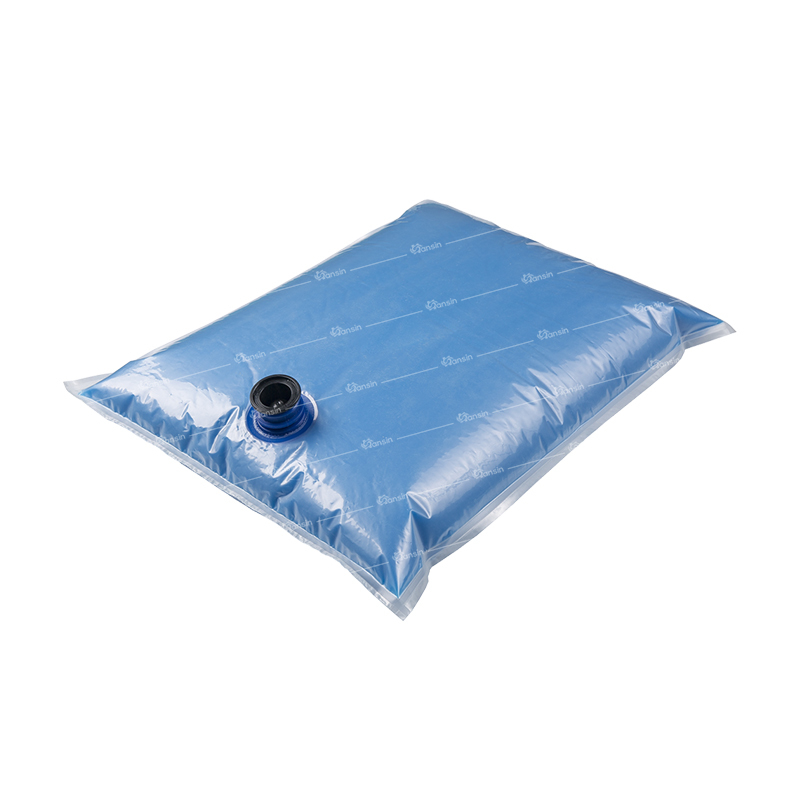
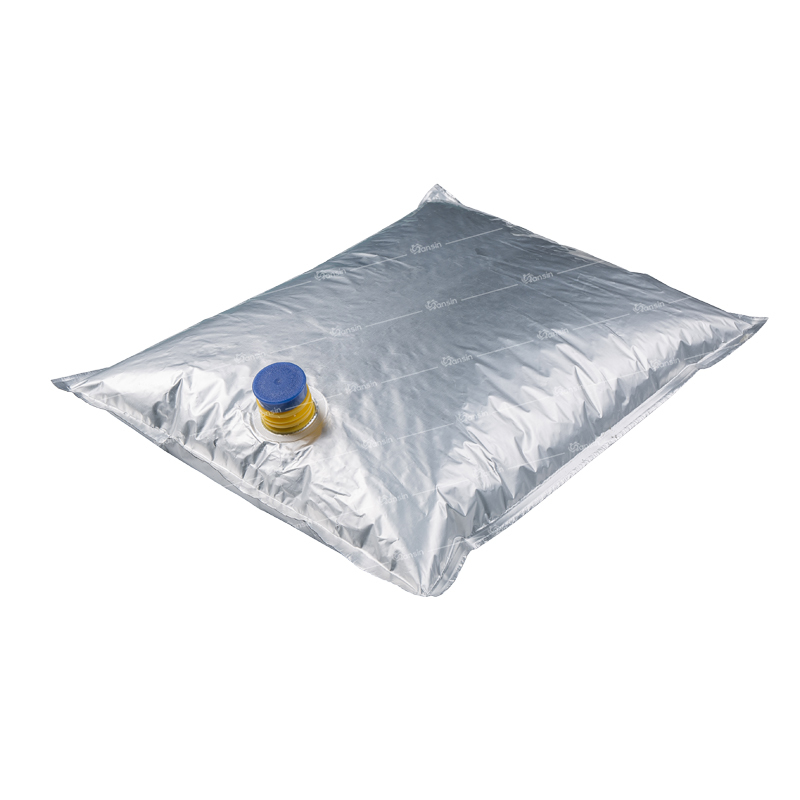
The 40# Spout is designed to be compatible with a wide range of flexible packaging formats, making it a versatile solution for businesses with diverse product lines. It seamlessly integrates with aseptic bags, IBC liners, form-fit liners, bag-in-box (BIB) systems, and stand-up pouches—covering capacities from 1 liter to 1500 liters. This compatibility eliminates the need for businesses to source multiple spout types for different products, streamlining their supply chain and reducing inventory costs. Competitors often offer spouts that are limited to specific packaging formats, forcing customers to invest in multiple components or custom solutions.
Moreover, the spout’s attachment mechanism is designed for easy integration with automated filling lines. It can be heat-sealed or welded to packaging materials, ensuring a secure bond that does not compromise the integrity of the bag. This compatibility with automated processes increases production efficiency, as businesses can avoid manual assembly of spouts—something that is time-consuming and prone to human error with many other fitments.
4. Sustainability Edge: Eco-Friendly Design and Recyclability
In an era where sustainability is a top priority for consumers and businesses alike, the 40# Spout stands out for its eco-friendly design. The proprietary material blend is 100% recyclable, and the spout’s simple, modular design means that it can be easily separated from the packaging bag for recycling—unlike many complex fitments that are difficult to disassemble and often end up in landfills. Additionally, the material blend reduces the amount of plastic used per spout without compromising strength, resulting in a lower carbon footprint compared to heavier, less efficient spouts from competitors.
The company behind the 40# Spout also prioritizes circular economy principles, working with customers to develop take-back programs for used spouts and packaging. For example, a major U.S. food manufacturer has partnered with the company to collect used 40# Spouts and aseptic bags from its customers; the collected materials are recycled into new spouts or used as raw material for other packaging components, reducing the manufacturer’s plastic waste by 30%. This commitment to sustainability is a key differentiator, as many competitors have not yet integrated recyclability or circularity into their fitment designs, putting them at a disadvantage with environmentally conscious consumers and businesses.
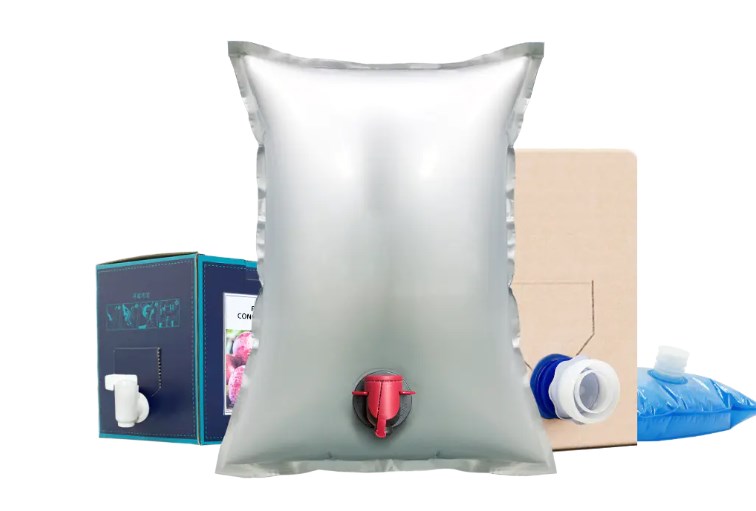
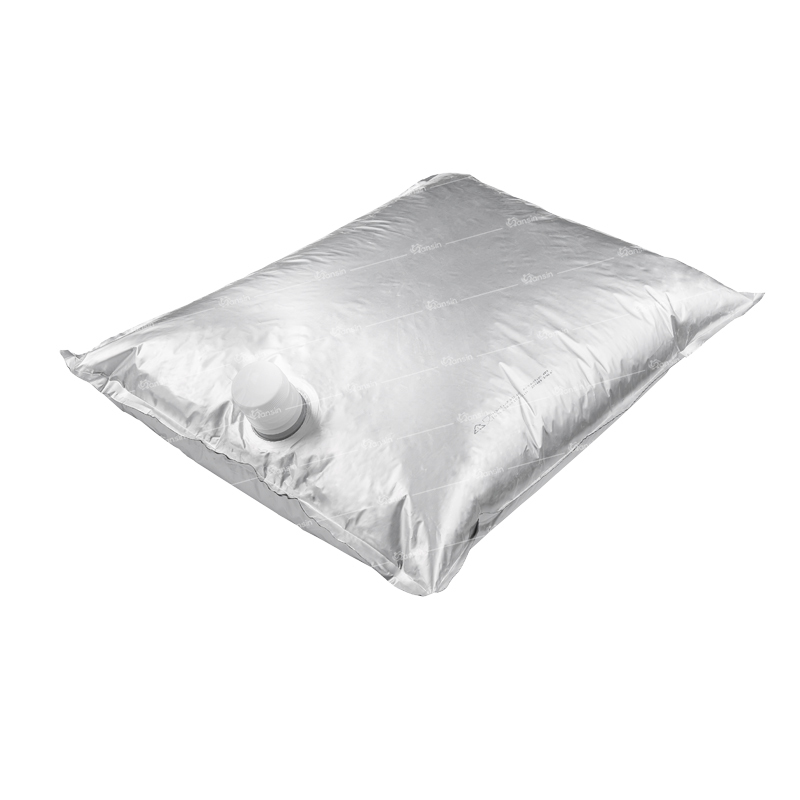
(2nd image: 40# Spout in use with various packaging formats: BIB, IBC liner, stand-up pouch)Advanced Manufacturing Processes: The Backbone of 40# Spout Quality
The exceptional performance of the 40# Spout is not accidental—it is the result of state-of-the-art manufacturing processes that prioritize precision, safety, and consistency. The company’s facilities are equipped with cutting-edge machinery and adhere to strict quality control protocols, ensuring that every spout meets the highest standards.
1. Injection Molding: Precision at Scale
The 40# Spout is produced using advanced injection molding technology, which allows for high precision and consistency in every unit. The injection molding machines used are computer-controlled, with closed-loop systems that monitor temperature, pressure, and cycle time to ensure that each spout is manufactured to exact specifications. The machines have a cycle time of just 12 seconds per spout, allowing the company to produce over 3 million spouts per month. The molds used are made from high-grade steel, which retains its precision for up to 1 million cycles—reducing the need for frequent mold replacements and ensuring consistent quality over time. Competitors often use lower-grade molds that wear out after 500,000 cycles, leading to variations in spout dimensions and increased production costs.
2. Cleanroom Production: Ensuring Food Safety
Given that the 40# Spout is used for food and pharmaceutical products, cleanliness is non-negotiable. The company manufactures the spout in a GMP (Good Manufacturing Practice) 100,000-level cleanroom—an environment where airborne particles are controlled to a minimum (≤100,000 particles of 0.5μm or larger per cubic meter), and all personnel wear sterile clothing, gloves, masks, and hairnets. This cleanroom environment prevents contamination from dust, bacteria, or other impurities, ensuring that the spout is safe for use with sensitive products. Competitors often produce fitments in non-sterile environments, which increases the risk of contamination; for example, a spout contaminated with bacteria could lead to product spoilage, a major liability for food manufacturers.
3. Rigorous Quality Control: Testing Beyond Industry Standards
Every batch of 40# Spouts undergoes a series of rigorous quality control tests to ensure performance and safety. These tests include:
- Leakage test: Spouts are subjected to 1.5 bar pressure for 24 hours to check for any signs of leakage.
- Material integrity test: Samples are tested for chemical resistance using solvents and products that the spout may come into contact with (e.g., vinegar, alcohol, oil).
- Durability test: Spouts are subjected to 50 temperature cycles (-20°C to 80°C) and impact tests (dropped from 1 meter onto a concrete surface) to ensure they can withstand extreme conditions.
- Food safety test: Samples are tested for compliance with FDA and EU regulations, including migration tests to ensure no harmful chemicals leach into products.
- Dimension test: Each spout is measured using a coordinate measuring machine (CMM) to ensure it meets exact specifications (tolerance ±0.05mm).
These tests go beyond industry standards—many competitors only perform basic leakage tests, skipping material integrity or food safety checks. This thorough quality control ensures that the 40# Spout is reliable and safe, reducing the risk of product recalls or customer complaints.
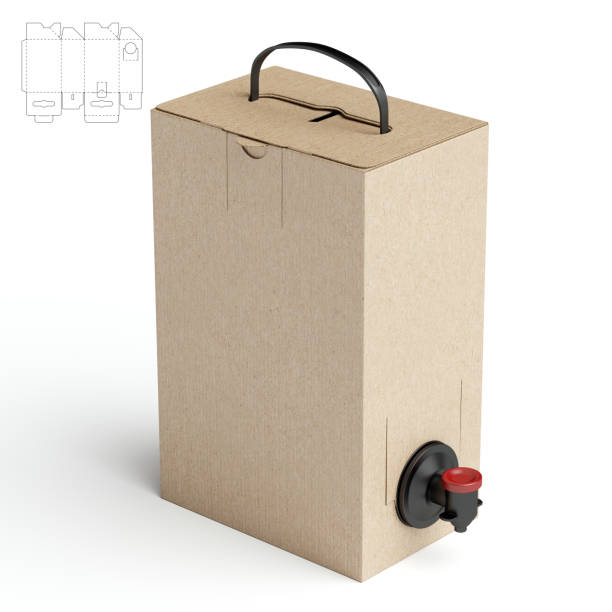
(3rd image: Cleanroom production line for 40# Spouts, showing workers in sterile gear and computer-controlled machinery)4. Customization Capabilities: Tailored Solutions for Unique Needs
While the 40# Spout is a standard product, the company offers extensive customization options to meet the unique needs of customers. These options include:
- Color customization: Spouts can be produced in any Pantone color to match a brand’s identity (e.g., a craft juice brand’s signature green).
- Logo printing: Brand logos or product information can be printed directly on the spout using food-safe UV inks that resist fading and peeling.
- Size variations: Minor adjustments to the spout’s size or nozzle shape can be made to accommodate specific products (e.g., a narrower nozzle for fine liquids like salad dressings).
- Specialty materials: For applications requiring higher chemical resistance, the company can use fluorinated PE, which repels oils and solvents.
This customization capability is a key advantage over competitors, who often offer limited or no customization options. For example, a European dairy company recently requested a 40# Spout with a custom blue color and its logo printed on the cap; the company delivered the order in 10 days, with no compromise on quality.
The Company’s Industry Leadership: Strengths That Complement the 40# Spout
The 40# Spout is just one part of the company’s comprehensive portfolio of flexible packaging solutions. The company’s strengths—built over 19+ years of experience—enhance the value of the 40# Spout, making it a more attractive option for businesses.
1. Legacy of Expertise: A Trusted Name in Flexible Packaging
Founded in 2006, the company has established itself as a specialist in medium and large liquid flexible packaging. With over 19 years of experience, it has become a trusted partner for businesses in the food, beverage, pharmaceutical, and industrial sectors. The company’s expertise is further validated by its contributions to industry standards: in 2018, it helped formulate China’s national standard for “Composite Bags for Aseptic Packaging of Liquid Foods” (GB 18192-2018), and in 2020, it became the only Asian member of the European Aseptic Bag Manufacturers Association (EU ABMA). These achievements demonstrate the company’s commitment to quality and innovation, setting it apart from competitors who lack such industry recognition.
2. One-Stop Solution: Packaging + Filling Systems
A unique strength of the company is its ability to offer a seamless one-stop solution for both packaging and filling. Unlike many competitors who only supply packaging components, the company owns advanced filling machines that can handle a wide range of products (from 1L to 1500L). This means that customers can get their packaging (including the 40# Spout) and filling services under one roof, saving time and resources. For example, a leading European beverage company recently switched to the company’s one-stop solution for its organic juices: previously, it sourced aseptic bags from one supplier, spouts from another, and used a third-party filling service—leading to 25% longer lead times and 10% higher costs. After switching, the company reduced lead times by 25% and costs by 10%, while improving product integrity by 15% due to the 40# Spout’s leak-proof design.
3. Global Reach with Local Support
The company has a strong global presence, with two manufacturing plants in China (Hangzhou and Lin’an) and branches in Germany and the Netherlands. It exports to over 100 countries and regions worldwide, including the U.S., EU, Southeast Asia, and Africa. This global reach means that customers can get local support, regardless of where they are located. For example, a customer in Brazil can contact the company’s European branch for technical support or order replacement spouts quickly, without waiting for shipments from Asia. Competitors often have limited global presence, relying on distributors who may not have the expertise to provide timely support.
4. Sustainability Commitment: A Long-Term Vision
The company’s sustainability commitment extends beyond the 40# Spout’s recyclability. It has implemented several initiatives to reduce its environmental impact:
- Energy-efficient manufacturing: The company uses solar power in its Chinese plants, reducing its reliance on fossil fuels by 30%.
- Waste reduction: It has implemented a zero-waste policy in its production lines, recycling 95% of production waste (e.g., plastic scraps from injection molding).
- Carbon footprint reduction: The company has invested in electric vehicles for its logistics, reducing emissions from transportation by 25%.
- Circular economy programs: It works with customers to develop take-back programs for used packaging and spouts, ensuring that they are recycled or reused.
This long-term vision for sustainability is a key differentiator, as more businesses are looking for partners who share their environmental values. Competitors who have not yet implemented such initiatives are at a disadvantage in the growing sustainable packaging market.
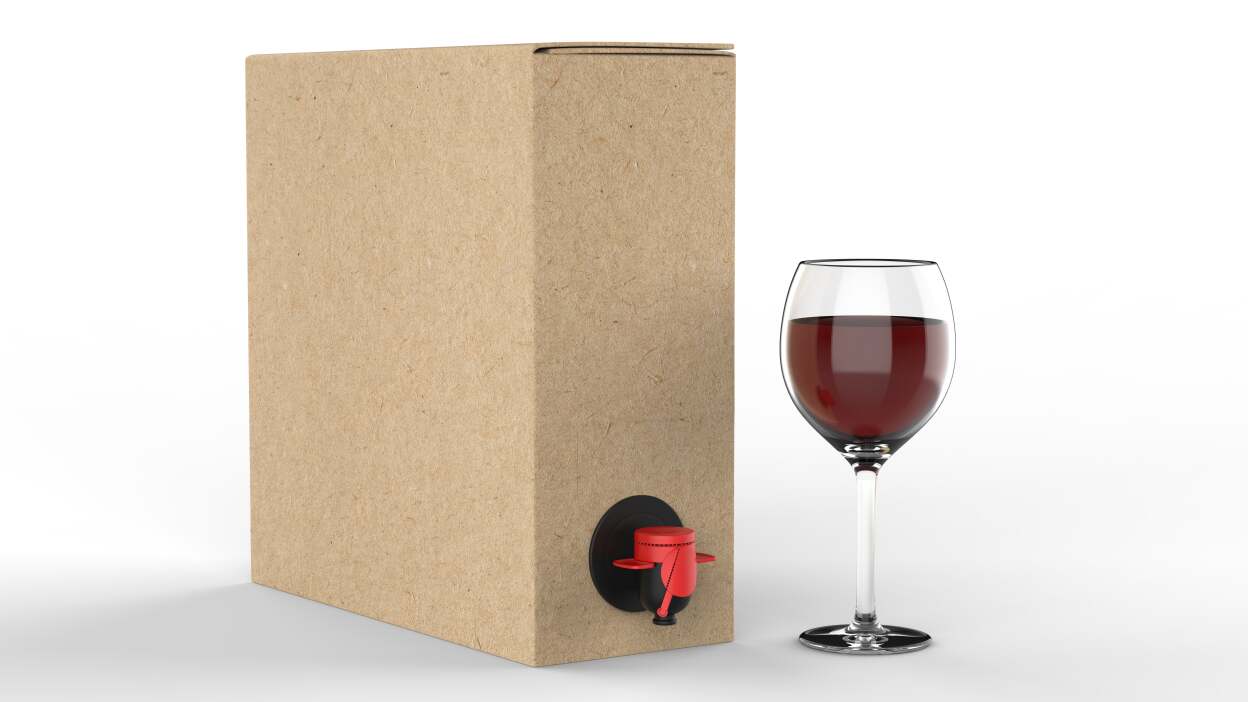
(4th image: Company’s global presence map showing manufacturing plants and regional branches)40# Spout vs. Competitor Fitments: A Comparative Analysis
| Feature | 40# Spout | Competitor A | Competitor B |
|---|---|---|---|
| Material Composition | Proprietary food-grade PE/PP blend with additives | Low-grade PE (prone to cracking) | Generic PP (poor chemical resistance) |
| Leak-Proof Performance | Dual-seal system (1.5 bar pressure resistance) | Single-seal (leaks at 1 bar) | Loose cap (leaks during transportation) |
| Compatibility | All flexible packaging formats (1L-1500L) | Limited to BIB (5L-20L) | Only stand-up pouches |
| Sustainability | 100% recyclable, easy to separate | Non-recyclable (complex design) | Recyclable but hard to disassemble |
| Food Safety Compliance | FDA, EU 10/2011, China GB 18192-2018 | Basic FDA compliance (no EU) | No third-party certification |
| Customization Options | Color, logo, size, specialty materials | Limited color options | No customization |
| Lead Time for Custom Orders | 7-21 days | 30-45 days | No custom orders available |
This table clearly illustrates the 40# Spout’s advantages over its competitors across key features. From material quality to sustainability, the 40# Spout outperforms generic fitments, making it a superior choice for businesses.
Q&A: Frequently Asked Questions About the 40# Spout
Q1: What is the maximum load capacity of the 40# Spout?
A: The 40# Spout is designed to handle a maximum load capacity of 40 pounds (approximately 18 kg) when attached to a properly sealed packaging bag. This makes it suitable for a wide range of products, including viscous liquids like oils and jams.
Q2: Is the 40# Spout compatible with aseptic packaging?
A: Yes. The 40# Spout is manufactured in a GMP 100,000-level cleanroom and is compliant with aseptic packaging standards. It can be used with aseptic bags for products like juices, dairy alternatives, and pharmaceutical liquids.
Q3: How long does it take to customize a 40# Spout?
A: Customization lead times vary depending on the complexity of the request. For simple color or logo changes, lead times are typically 7-10 days. For more complex modifications (like specialty materials or size adjustments), lead times are 14-21 days.
Q4: Can the 40# Spout be used with automated filling lines?
A: Yes. The 40# Spout is designed for easy integration with automated filling lines. It can be heat-sealed or welded to packaging materials, ensuring a secure bond and efficient production.
Q5: What is the shelf life of the 40# Spout?
A: The 40# Spout has a shelf life of 2 years when stored in a cool, dry place (away from direct sunlight and extreme temperatures). This shelf life is based on accelerated aging tests that simulate real-world storage conditions.
Q6: Does the company offer a warranty for the 40# Spout?
A: Yes. The company offers a 1-year warranty for the 40# Spout against defects in materials and workmanship. If a spout fails due to manufacturing issues, the company will replace it free of charge.
Q7: What is the minimum order quantity (MOQ) for the 40# Spout?
A: The MOQ for standard 40# Spouts is 10,000 units. For custom orders, the MOQ is 5,000 units. The company also offers sample orders (100 units) for customers to test the product before placing a bulk order.
References
1. European Aseptic Bag Manufacturers Association (EU ABMA). (2023). Guidelines for Aseptic Fitment Design and Manufacturing.
2. U.S. Food and Drug Administration (FDA). (2022). Food Contact Materials: Plastics.
3. China National Standardization Administration. (2018). GB 18192-2018: Composite Bags for Aseptic Packaging of Liquid Foods.
4. Sustainable Packaging Coalition. (2023). Circular Economy Principles for Flexible Packaging.
5. International Liquid Packaging Association (ILPA). (2022). Trends in Liquid Packaging Fitments: 2022-2027.
6. European Commission. (2021). EU 10/2011: Regulation on Food Contact Materials.