
 中文简体
中文简体 英语
英语 西班牙语
西班牙语 俄语
俄语 葡萄牙语
葡萄牙语 法语
法语 德语
德语 意大利语
意大利语




Aseptic packaging has revolutionized how liquid products—from food condiments to industrial fluids—are stored, transported, and preserved. As global supply chains grow more complex and consumer demands for safety and sustainability rise, the need for reliable, high-performance aseptic solutions has never been greater. Among the most impactful innovations in this space is the 220-liter aseptic drum bag, a product that combines advanced material science, rigorous manufacturing standards, and customer-centric design to outperform traditional packaging alternatives. This article explores the key features of this product, its advantages over competitors, the manufacturing processes that set it apart, and its role in shaping the future of liquid packaging.
What Are Aseptic Bags? A Foundation of Modern Liquid Packaging
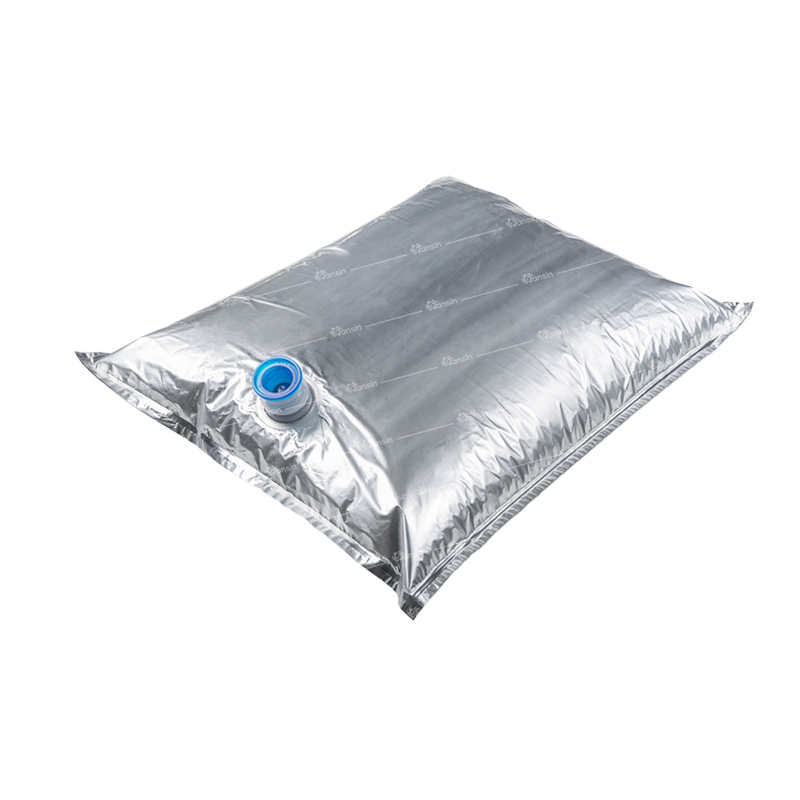
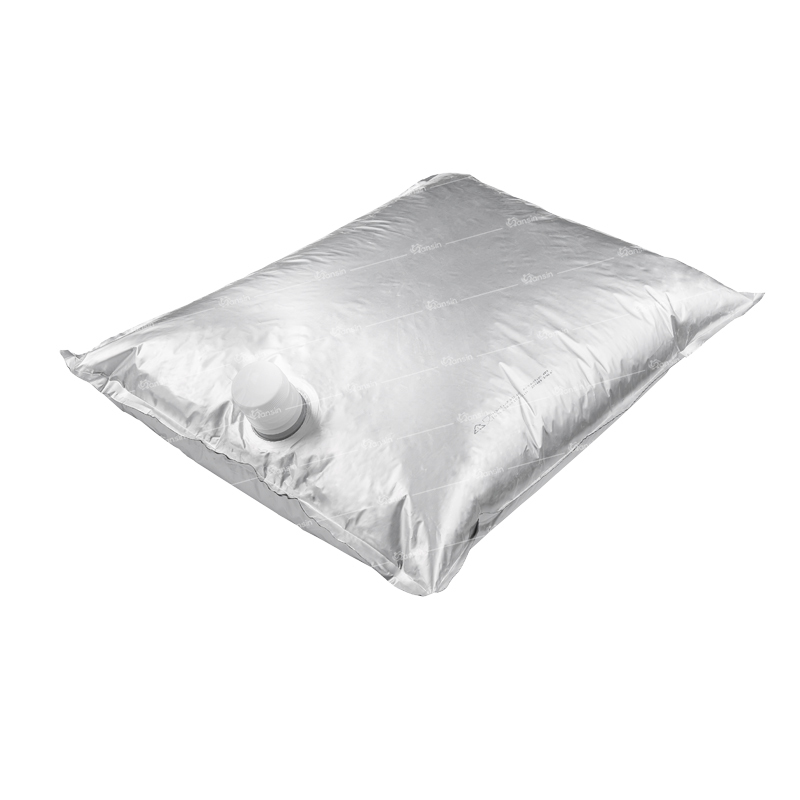
Aseptic bags are flexible, hermetically sealed containers designed to preserve liquid products without the need for refrigeration. Unlike traditional rigid packaging (e.g., metal drums, glass bottles), they are lightweight, space-efficient, and engineered to maintain product integrity by blocking oxygen, moisture, and contaminants. The core principle of aseptic packaging is to keep the product sterile throughout its shelf life, which is achieved through a combination of sterile filling environments, barrier materials, and proper sterilization of the bag itself.
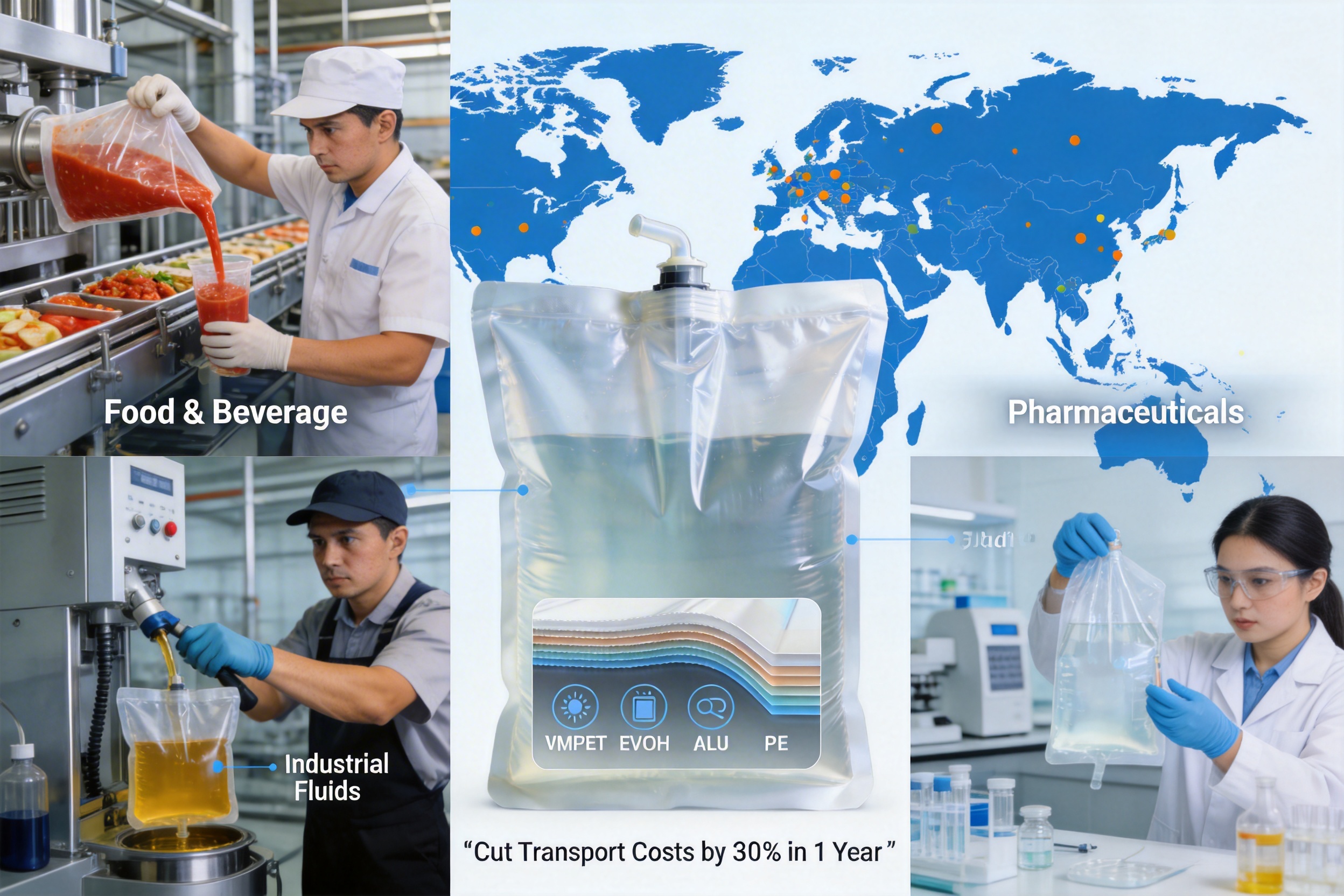
Aseptic bags are used across a wide range of industries, including food and beverage (tomato paste, juice, jam), pharmaceuticals (liquid medications), and industrial sectors (paint, lubricants). Their flexibility allows them to conform to shipping containers, maximizing load efficiency and reducing transport costs—critical benefits for businesses operating in global markets.
The Product Spotlight: 220 Lt Aseptic Drum Bag for Liquid Products
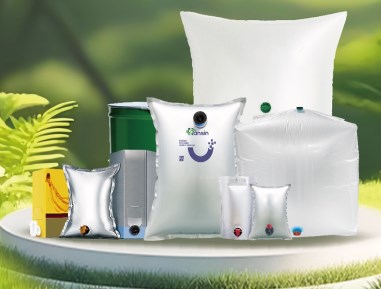
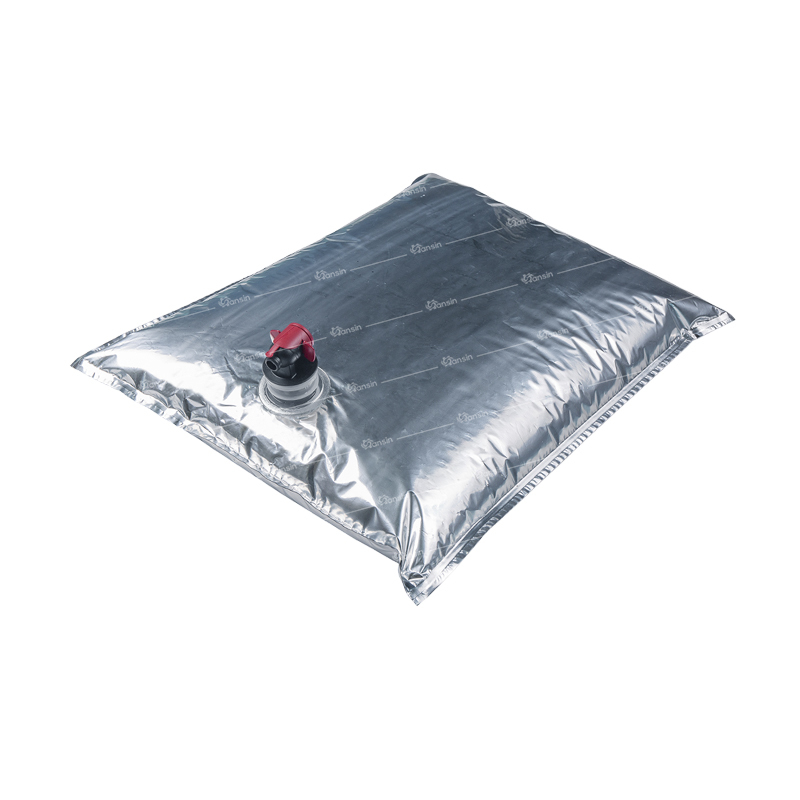
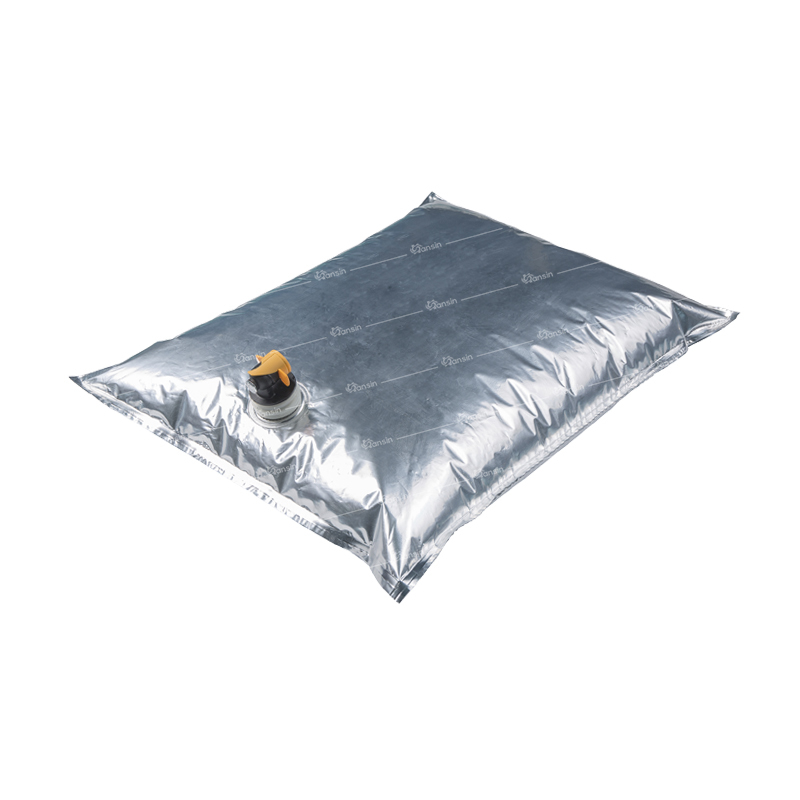
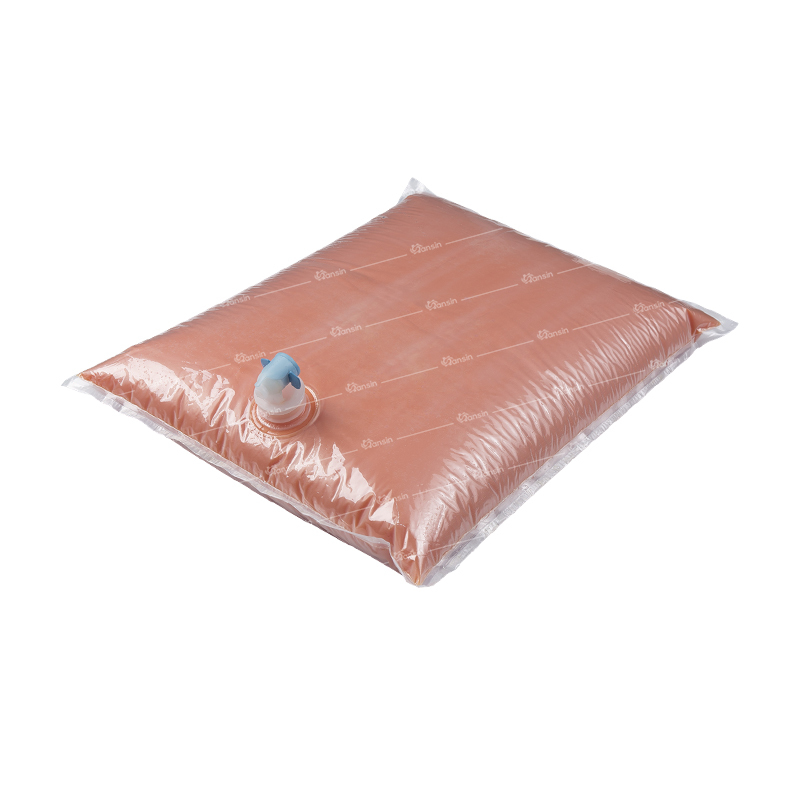
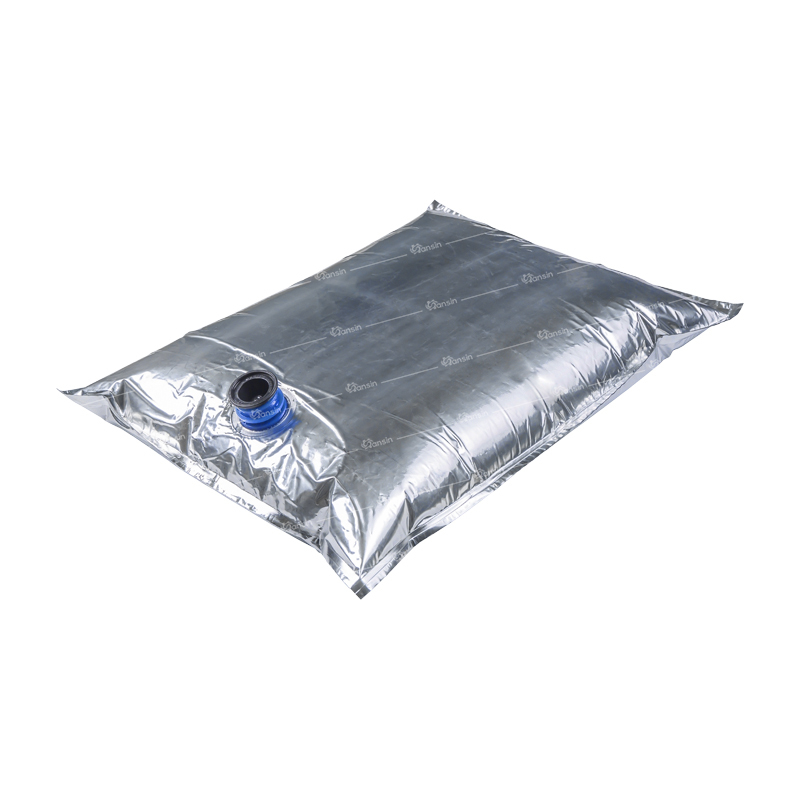
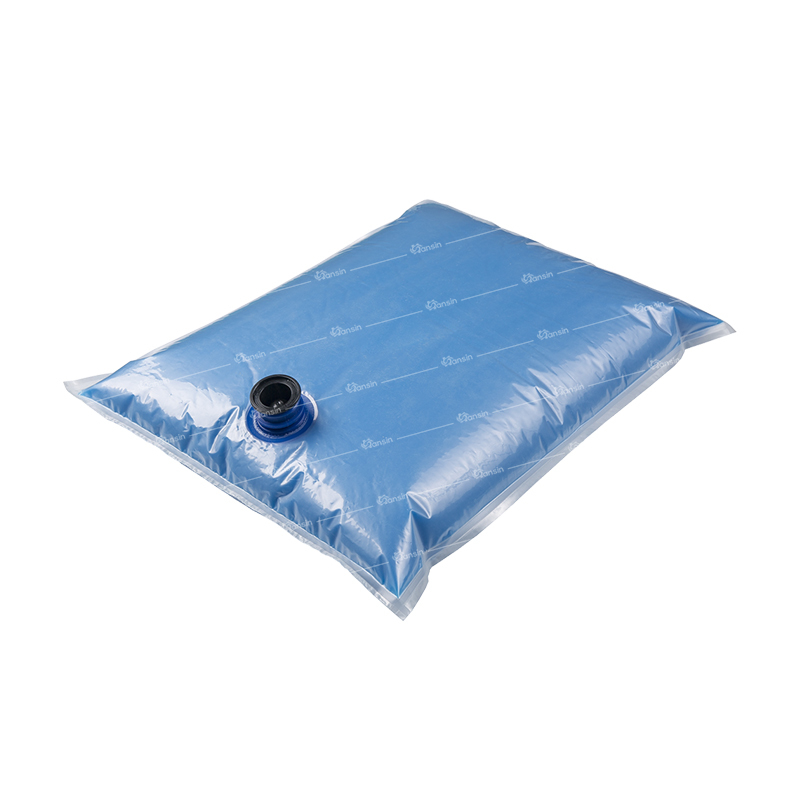
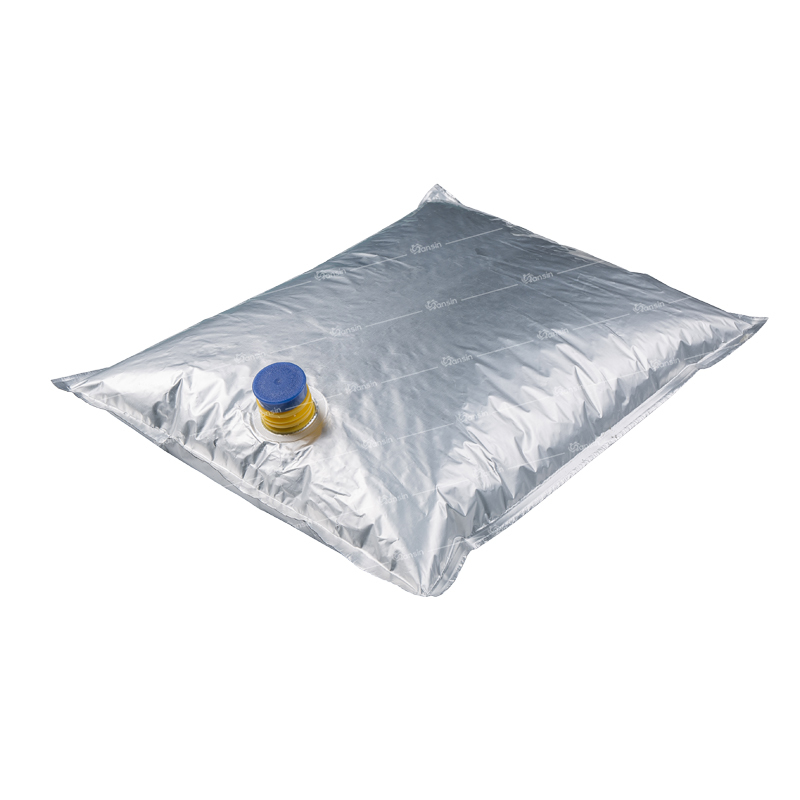
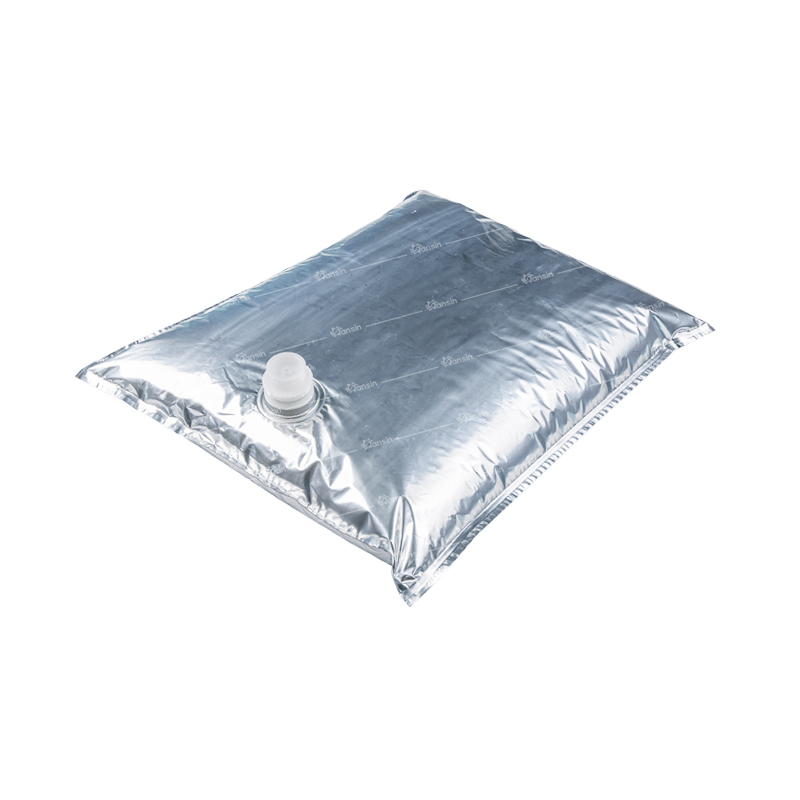
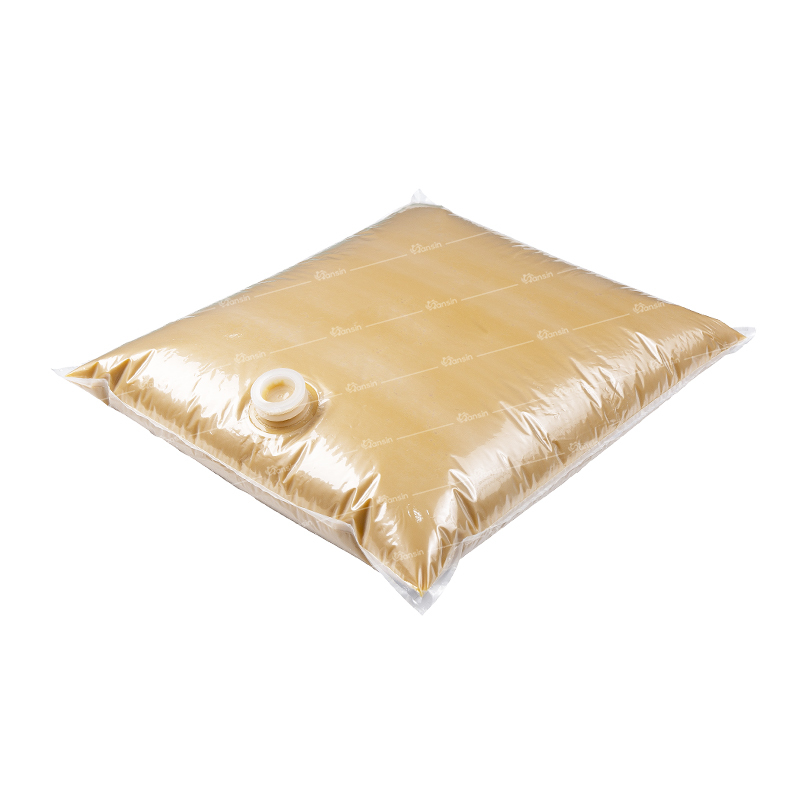
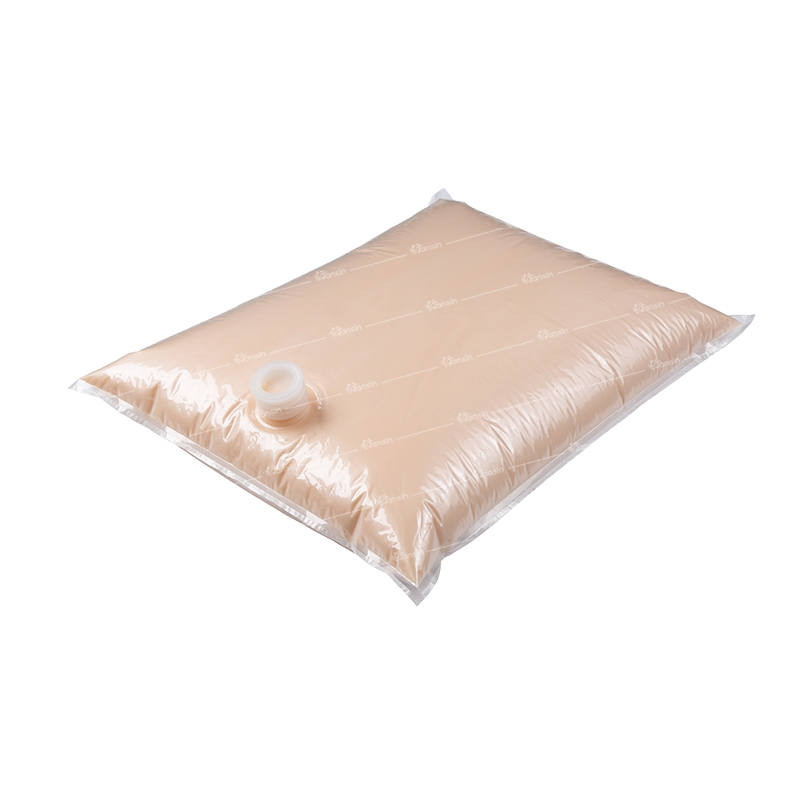
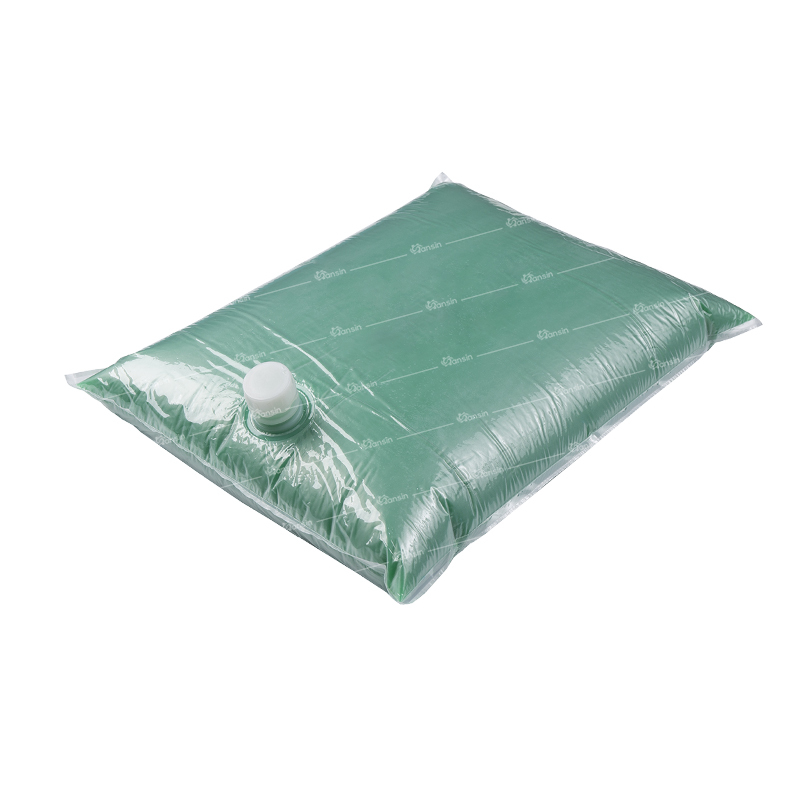
The 220-liter aseptic drum bag is a specialized solution tailored for medium-to-large volume liquid storage and transport. Designed to fit standard 220-liter drums, it offers a cost-effective, space-saving alternative to rigid containers while maintaining the highest standards of safety and preservation. Below is a detailed breakdown of its key features and advantages:
1. Material Composition: Multi-Layer Barrier for Unmatched Protection
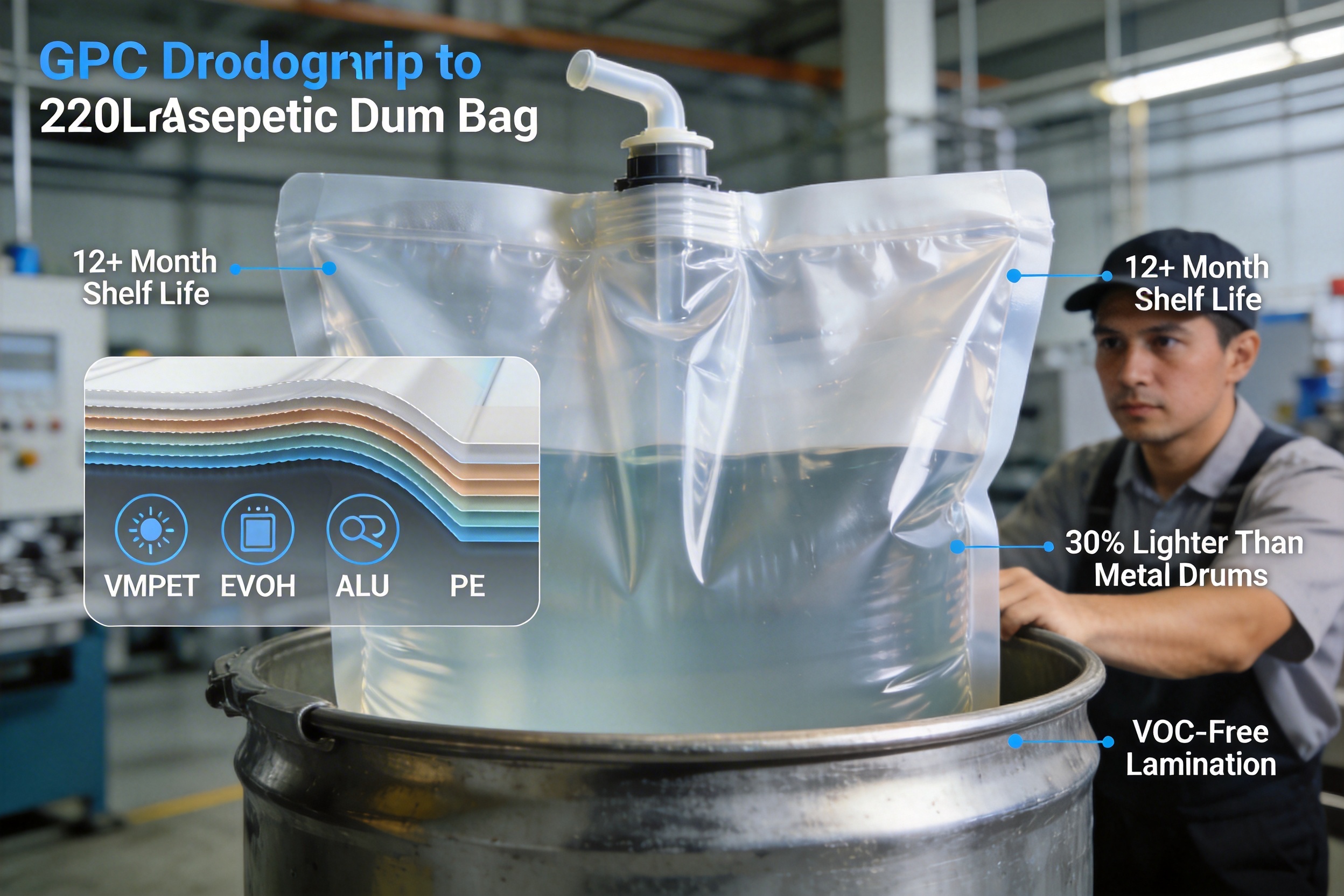
The bag’s material structure is a carefully engineered combination of layers, each serving a specific purpose to ensure product integrity: VMPET (Vacuum Metallized Polyethylene Terephthalate), PE (Polyethylene), PAPET (Printed PET), ALU (Aluminum), and EVOH (Ethylene Vinyl Alcohol). This multi-layer design provides:
- Oxygen Barrier: EVOH and ALU layers block oxygen, preventing oxidation and spoilage of oxygen-sensitive products like tomato paste or juice.
- Moisture Barrier: PE layers repel moisture, keeping products dry and free from microbial growth.
- Light Protection: VMPET and ALU layers shield products from UV light, which can degrade flavor and nutrients in food products.
- Mechanical Strength: The combination of PET and PE layers ensures the bag is durable enough to withstand transport and handling without tearing or leaking.
Competitors often use single-layer or lower-quality multi-layer materials (e.g., skipping EVOH or using thin ALU). This leads to shorter shelf lives, higher risk of contamination, and increased product waste. For example, a competitor’s bag without EVOH may allow oxygen to penetrate within 6 months, whereas the 220-liter aseptic bag maintains its barrier properties for up to 12 months or more.
2. Sterilization: Irradiation for Consistent, Non-Toxic Safety
The bag undergoes irradiation sterilization with a dose of ≥15kGy, a method recognized globally as one of the safest and most effective ways to sterilize packaging materials. Irradiation uses gamma rays or electron beams to kill pathogens (bacteria, fungi, viruses) without leaving chemical residues or altering the bag’s material properties.
Many competitors rely on chemical sterilization (e.g., ethylene oxide) or lower-dose irradiation. Chemical sterilization can leave harmful residues that contaminate food products, while lower-dose irradiation may not eliminate all pathogens, increasing the risk of product recalls. The 15kGy dose used for this bag ensures complete sterilization, meeting or exceeding international standards for food safety.
3. Lamination Process: Solvent-Free for Purity and Sustainability
The bag’s layers are bonded using a solvent-free lamination process, which eliminates the use of volatile organic compounds (VOCs) common in traditional solvent-based lamination. This process offers two key benefits:
- Purity: No VOC residues mean the bag is safe for food contact, complying with strict regulations like the European Food Safety Authority (EFSA) guidelines.
- Sustainability: Solvent-free lamination reduces carbon emissions and minimizes waste, aligning with global efforts to reduce environmental impact.
Competitors using solvent-based lamination often struggle to meet strict food safety standards and face increasing pressure from consumers and regulators to adopt more sustainable practices. The solvent-free process gives this product a distinct advantage in both safety and environmental responsibility.
4. Design Features: Spout Integration and Flexibility
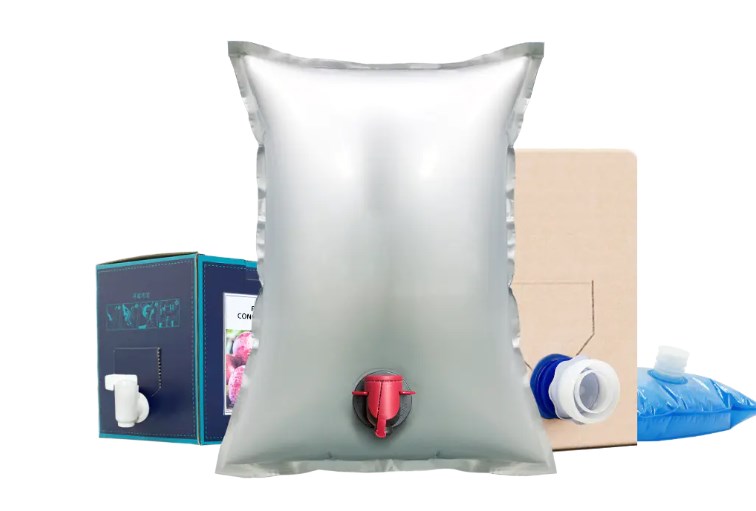
The bag is equipped with a built-in spout, which simplifies filling and dispensing. The spout is designed to be leak-proof and compatible with standard filling equipment, reducing the risk of spills and contamination during handling. Additionally, the bag’s flexible design allows it to be folded and stored compactly when empty, reducing storage costs and waste.
Competitors often offer bags without integrated spouts, requiring customers to purchase separate spouts and assemble them manually—adding time and cost to the packaging process. The integrated spout of this product streamlines operations and improves efficiency for businesses.
5. Compliance: Global Standards for Quality and Safety
The 220-liter aseptic bag complies with the European Aseptic Bag Manufacturers Association (ABMA) standards, a globally recognized benchmark for aseptic packaging. ABMA standards require strict testing for barrier properties, sterilization efficacy, and mechanical strength, ensuring the bag meets the highest quality requirements.
Furthermore, the manufacturer played a key role in formulating China’s national standard for “Composite Bags for Aseptic Packaging of Liquid Foods” (2018), demonstrating its expertise and commitment to industry-leading quality. Competitors who do not comply with ABMA or national standards may face barriers to entry in international markets and risk losing customer trust.
Advanced Manufacturing Processes: The Backbone of Quality
The quality of the 220-liter aseptic bag is directly tied to the manufacturer’s advanced manufacturing processes and facilities. Below are the key strengths that set the manufacturer apart:
1. GMP 100,000-Level Clean Workshop
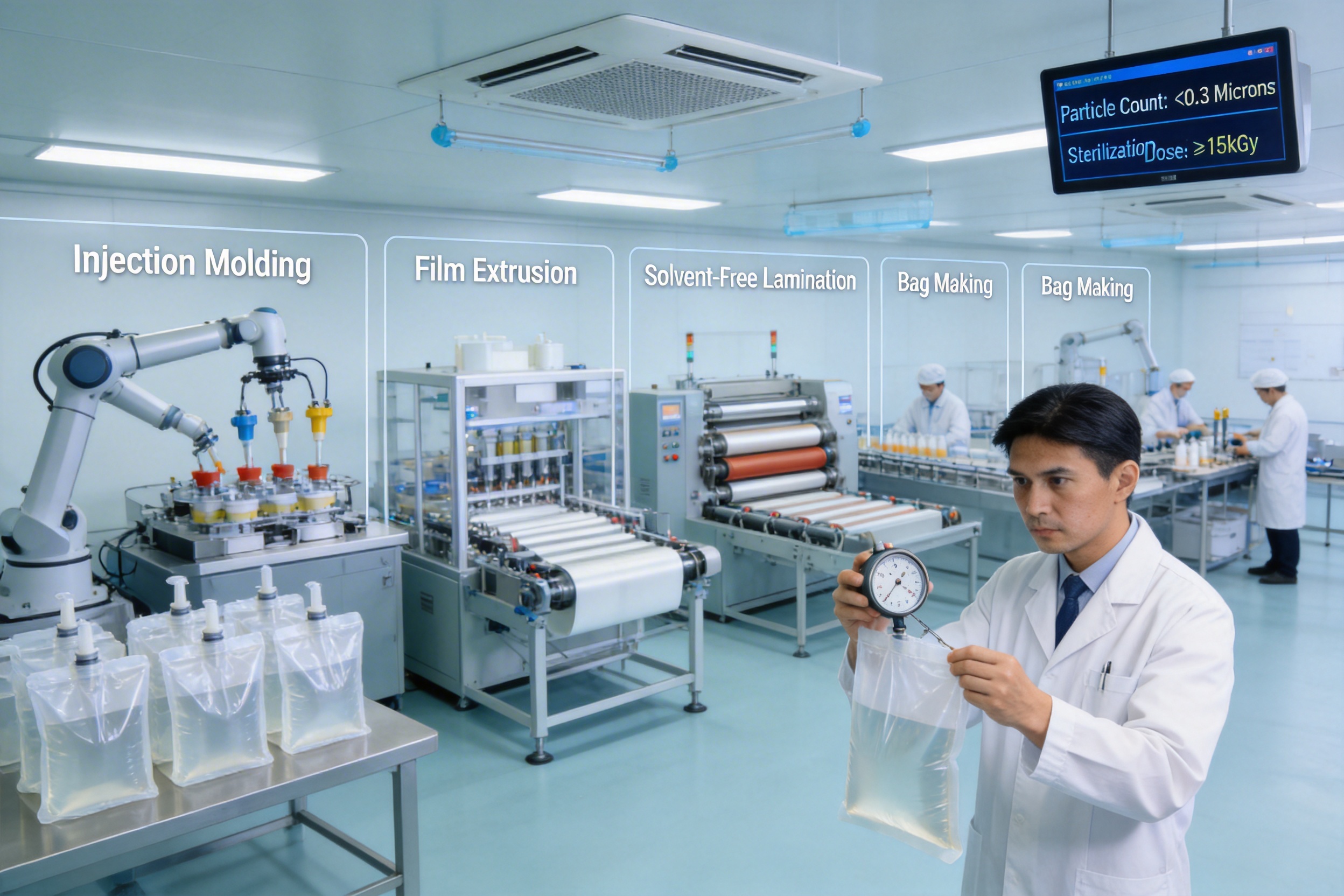
The manufacturer operates a GMP (Good Manufacturing Practice) 100,000-level clean workshop, which means the air is filtered to remove 99.97% of particles ≥0.3 microns. This level of cleanliness is critical for aseptic packaging, as it prevents contamination during production. The workshop includes dedicated areas for:
- Injection Molding: Production of spouts and fitments using food-grade plastics.
- Film Extrusion: Manufacturing of the multi-layer film used in the bag.
- Lamination: Bonding of film layers using solvent-free technology.
- Bag Making: Forming the film into bags and attaching spouts.
Each step of the production process is monitored and controlled to ensure consistency and compliance with safety standards. Competitors often use non-cleanroom facilities or lower-level cleanrooms, increasing the risk of contamination and product defects.
2. One-Stop Solution: Packaging + Filling Services
Unlike many competitors who only manufacture packaging, this manufacturer offers a seamless one-stop solution that includes both packaging and filling services. The company owns advanced filling machines that can handle a wide range of liquid products, from tomato paste to industrial fluids. This integrated approach offers several benefits to customers:
- Cost Savings: Customers avoid the cost of purchasing separate filling equipment or outsourcing filling services.
- Time Efficiency: The entire process (packaging production + filling) is streamlined, reducing lead times.
- Quality Control: The manufacturer maintains control over both packaging and filling, ensuring consistency and reducing the risk of errors.
3. Rigorous Quality Control
The manufacturer implements a comprehensive quality control system that includes:
- Raw Material Testing: All raw materials are tested for purity, safety, and compliance with food contact regulations.
- In-Process Testing: Samples are taken at each stage of production to check for defects, barrier properties, and sterilization efficacy.
- Final Product Testing: Finished bags are tested for leak resistance, burst strength, and shelf life to ensure they meet customer requirements.
Competitors often cut corners on quality control to reduce costs, leading to higher rates of product failure and customer dissatisfaction. The manufacturer’s rigorous testing ensures that every bag meets the highest standards of quality.
Industry Applications: Transforming Liquid Packaging Across Sectors
The 220-liter aseptic drum bag is used across a wide range of industries, each benefiting from its unique combination of safety, efficiency, and sustainability. Below are some key applications:
1. Food and Beverage Industry
The food and beverage industry is the largest user of aseptic bags, particularly for products like tomato paste, fruit juice, jam, and edible oil. For example, tomato paste producers often struggle with the high cost and weight of metal drums, which increase transport costs and reduce shelf life. The 220-liter aseptic bag solves these problems by:
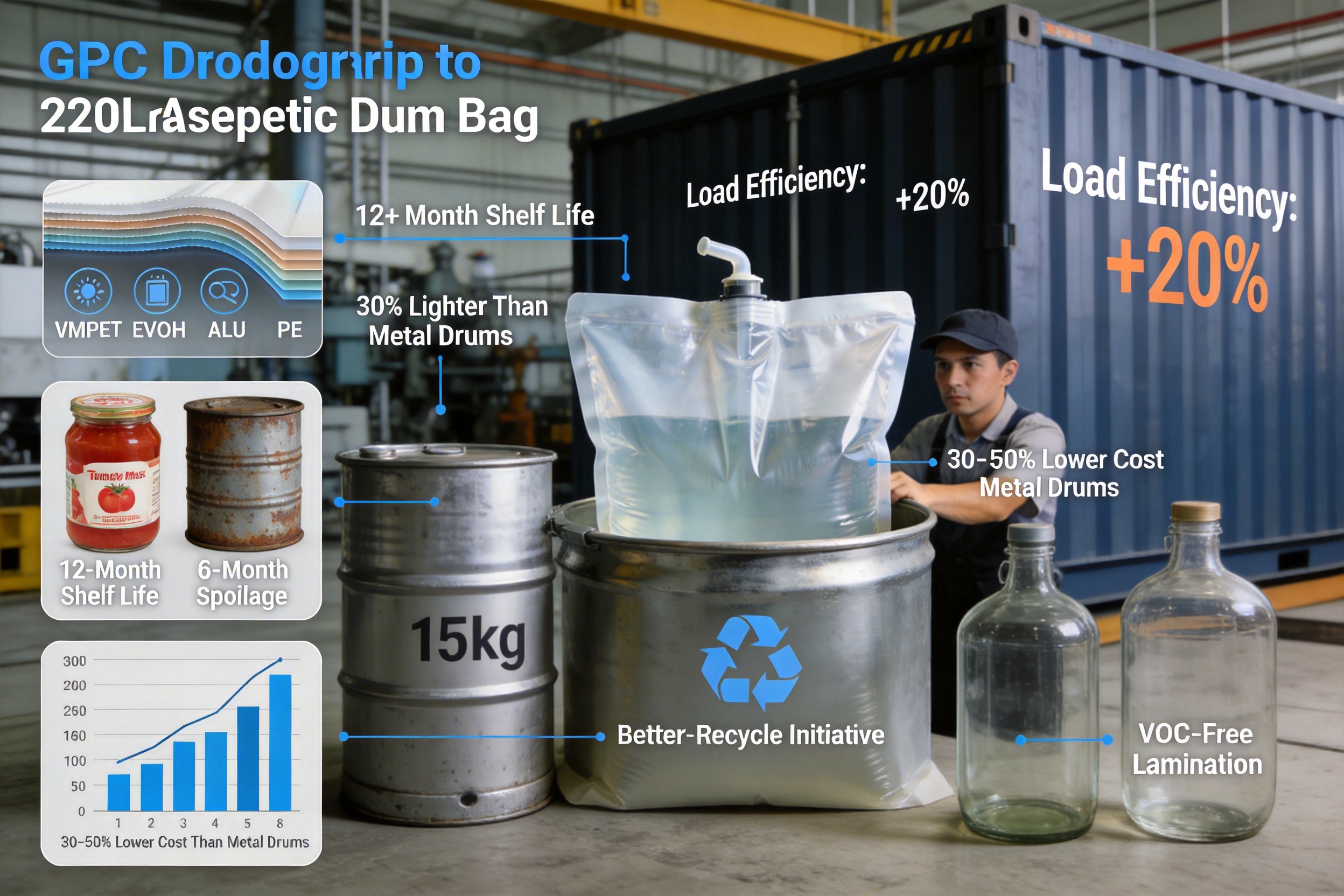
- Reducing Transport Costs: The bag is 30% lighter than a metal drum, reducing fuel consumption and shipping costs.
- Maximizing Storage Efficiency: The flexible bag fits more product per shipping container, increasing load capacity by up to 20%.
- Extending Shelf Life: The multi-layer barrier keeps tomato paste fresh for up to 12 months without refrigeration, reducing waste.
Many tomato paste producers in Europe and Asia have switched to this bag, reporting significant cost savings and improved product quality.
2. Industrial Sector
The industrial sector uses aseptic bags for products like paint, lubricants, and chemicals. These products require protection from moisture and oxygen to maintain their properties, and the 220-liter bag’s barrier properties make it an ideal solution. Additionally, the bag’s flexibility allows it to be used in tight spaces, making it suitable for industrial applications where rigid containers are impractical.
3. Pharmaceutical Industry
The pharmaceutical industry uses aseptic bags for liquid medications and vaccines, where sterility is critical. The bag’s irradiation sterilization and cleanroom production ensure that it meets the strictest pharmaceutical standards, making it a reliable choice for sensitive products.
Comparative Analysis: Aseptic Bag vs. Traditional Packaging
To better understand the advantages of the 220-liter aseptic bag, let’s compare it to traditional packaging options:
| Feature | 220 Lt Aseptic Bag | Metal Drum | Glass Container |
|---|---|---|---|
| Weight (Empty) | ~1.5 kg | ~15 kg | ~20 kg |
| Volume Efficiency | High (flexible, fits 20% more product per container) | Low (rigid, fixed volume) | Low (rigid, heavy, limits load capacity) |
| Shelf Life | 12–18 months (no refrigeration) | 6–12 months (risk of rust/contamination) | 6–12 months (fragile, risk of breakage) |
| Cost per Unit | Low (30–50% cheaper than metal drums) | High (expensive to manufacture and transport) | High (costly to produce and heavy to ship) |
| Transport Cost | Low (lightweight, reduces fuel costs) | High (heavy, increases fuel costs) | High (heavy, fragile, requires special handling) |
| Barrier Properties | Excellent (multi-layer, blocks oxygen/moisture) | Good (but risk of rust) | Excellent (but fragile, no flexibility) |
| Recyclability | High (better-recycle initiative, recyclable materials) | High (recyclable, but requires processing) | High (recyclable, but heavy and fragile) |
As the table shows, the 220-liter aseptic bag outperforms traditional packaging options in almost every category, making it a superior choice for businesses looking to reduce costs, improve efficiency, and enhance product quality.
Q&A Section: Addressing Common Questions About Aseptic Bags
Q1: What materials are used in the 220 Lt aseptic bag?
The bag uses a multi-layer structure consisting of VMPET, PE, PAPET, ALU, and EVOH. Each layer serves a specific purpose: VMPET for light protection, PE for sealability, PAPET for printing, ALU for extra barrier, and EVOH for oxygen/moisture resistance.
Q2: How does the bag ensure food safety?
The bag is sterilized using irradiation (≥15kGy) to kill all pathogens, and it is manufactured in a GMP 100,000-level clean workshop to prevent contamination. The multi-layer barrier also blocks oxygen and moisture, which prevents microbial growth and spoilage.
Q3: What certifications does the product comply with?
The bag complies with ABMA (European Aseptic Bag Manufacturers Association) standards and China’s national standard for “Composite Bags for Aseptic Packaging of Liquid Foods.” It also meets food contact regulations from EFSA (European Food Safety Authority) and FDA (U.S. Food and Drug Administration).
Q4: Can the bag be customized for different liquid products?
Yes, the bag can be customized to meet the specific needs of different products. For example, products that require higher barrier properties can use a thicker ALU layer, while products that need more flexibility can use a softer PE layer. The manufacturer also offers custom printing and spout options.
Q5: What is the shelf life of products packaged in this bag?
The shelf life depends on the product, but most food products (e.g., tomato paste, juice) have a shelf life of 12–18 months when stored in the bag. Industrial products (e.g., paint, lubricants) can have a shelf life of up to 24 months.
Q6: How does the solvent-free lamination process benefit the product?
Solvent-free lamination eliminates VOC residues, making the bag safe for food contact. It also reduces carbon emissions and minimizes waste, making it more sustainable than solvent-based lamination.
Q7: Does the company offer filling services along with packaging?
Yes, the manufacturer offers a one-stop solution that includes both packaging production and filling services. This streamlines operations and reduces costs for customers.
Q8: Is the bag recyclable?
Yes, the bag is part of the manufacturer’s “Better-Recycle” initiative, which uses recyclable materials and promotes responsible disposal. The bag can be recycled through standard plastic recycling programs.
Q9: What is the volume range of the company’s aseptic bags?
The manufacturer offers aseptic bags ranging from 1 liter to 1500 liters, including both aseptic and non-aseptic options. The 220-liter bag is one of the most popular sizes for medium-to-large volume applications.
Q10: How does the bag compare to metal drums in terms of cost?
The 220-liter aseptic bag is 30–50% cheaper than a metal drum, and it reduces transport costs by up to 30% due to its lightweight design. Over time, these savings can add up significantly for businesses.
References
1. European Aseptic Bag Manufacturers Association (ABMA). (2022). "Standard Specifications for Aseptic Liquid Packaging Bags". Brussels, Belgium.
2. National Standard of the People's Republic of China. (2018). "Composite Bags for Aseptic Packaging of Liquid Foods" (GB XXXX-XXXX). Beijing: Standardization Administration of China.
3. World Health Organization (WHO). (2021). "Guidelines for Aseptic Processing of Pharmaceutical and Food Products". Geneva: WHO Press.
4. Food and Agriculture Organization (FAO). (2020). "Sustainable Packaging Solutions for Liquid Food Products". Rome: FAO.
5. International Association of Food Protection (IAFP). (2019). "GMP Guidelines for Food Packaging Manufacturing". Des Moines, IA.
6. EFSA Journal. (2020). "Evaluation of Aseptic Packaging Materials for Food Contact". Parma, Italy: European Food Safety Authority.
Conclusion
The 220-liter aseptic drum bag represents a significant advancement in liquid packaging, offering a combination of safety, efficiency, and sustainability that outperforms traditional options. Its multi-layer barrier, irradiation sterilization, and solvent-free lamination make it a reliable choice for food, industrial, and pharmaceutical products, while its flexible design and one-stop solution reduce costs and improve efficiency for businesses. The manufacturer’s advanced manufacturing processes and commitment to quality ensure that every bag meets the highest standards, making it a trusted partner for companies around the world.
As global demand for aseptic packaging continues to grow, the 220-liter aseptic drum bag is poised to play an increasingly important role in shaping the future of liquid packaging. Its ability to meet the needs of both businesses and consumers—while reducing environmental impact—makes it a win-win solution for everyone involved.