
 中文简体
中文简体 英语
英语 西班牙语
西班牙语 俄语
俄语 葡萄牙语
葡萄牙语 法语
法语 德语
德语 意大利语
意大利语




In an era where food safety, sustainability, and supply chain efficiency are non-negotiable, liquid food preservation has emerged as a critical challenge. Traditional packaging methods—from glass bottles to rigid plastic drums—often fall short in balancing sterility, cost-effectiveness, and environmental impact. Enter high-barrier aseptic bags: a game-changing solution that not only maintains product purity but also revolutionizes how liquid foods are stored and transported. This article explores the science behind these innovative bags, their advantages over conventional alternatives, the advanced manufacturing processes that set them apart, and their role in shaping the future of liquid food packaging.
What Are High-Barrier Aseptic Bags?
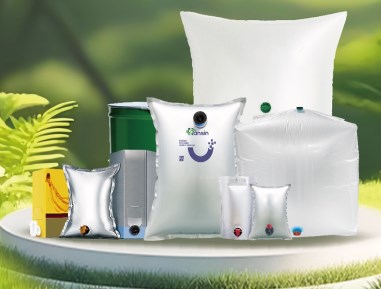
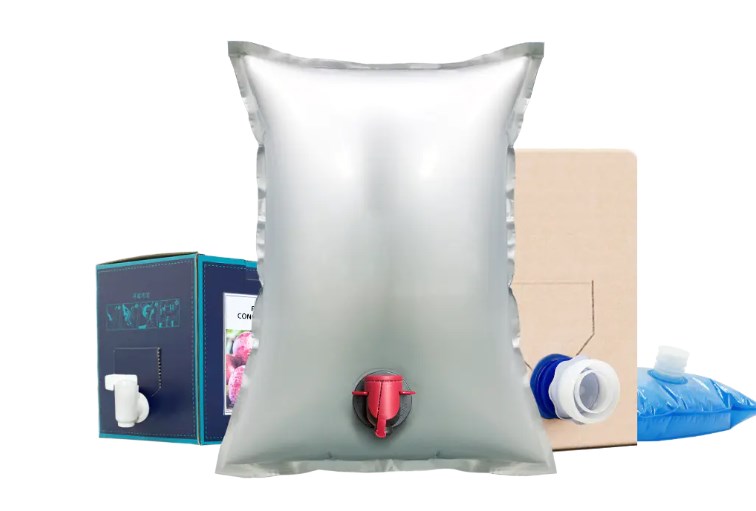
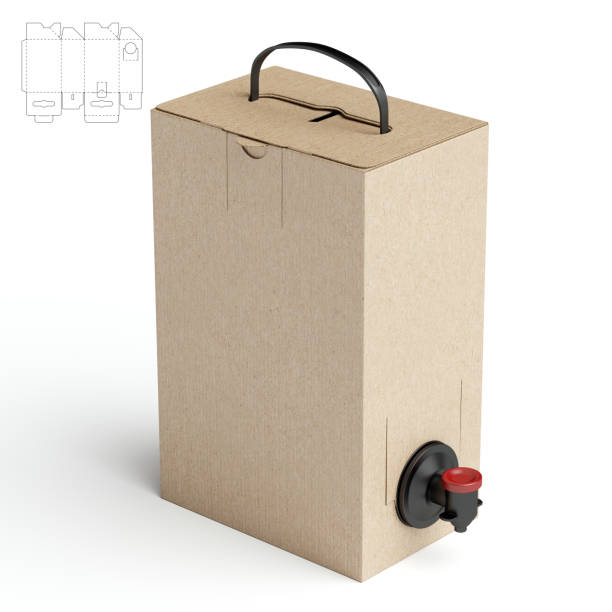
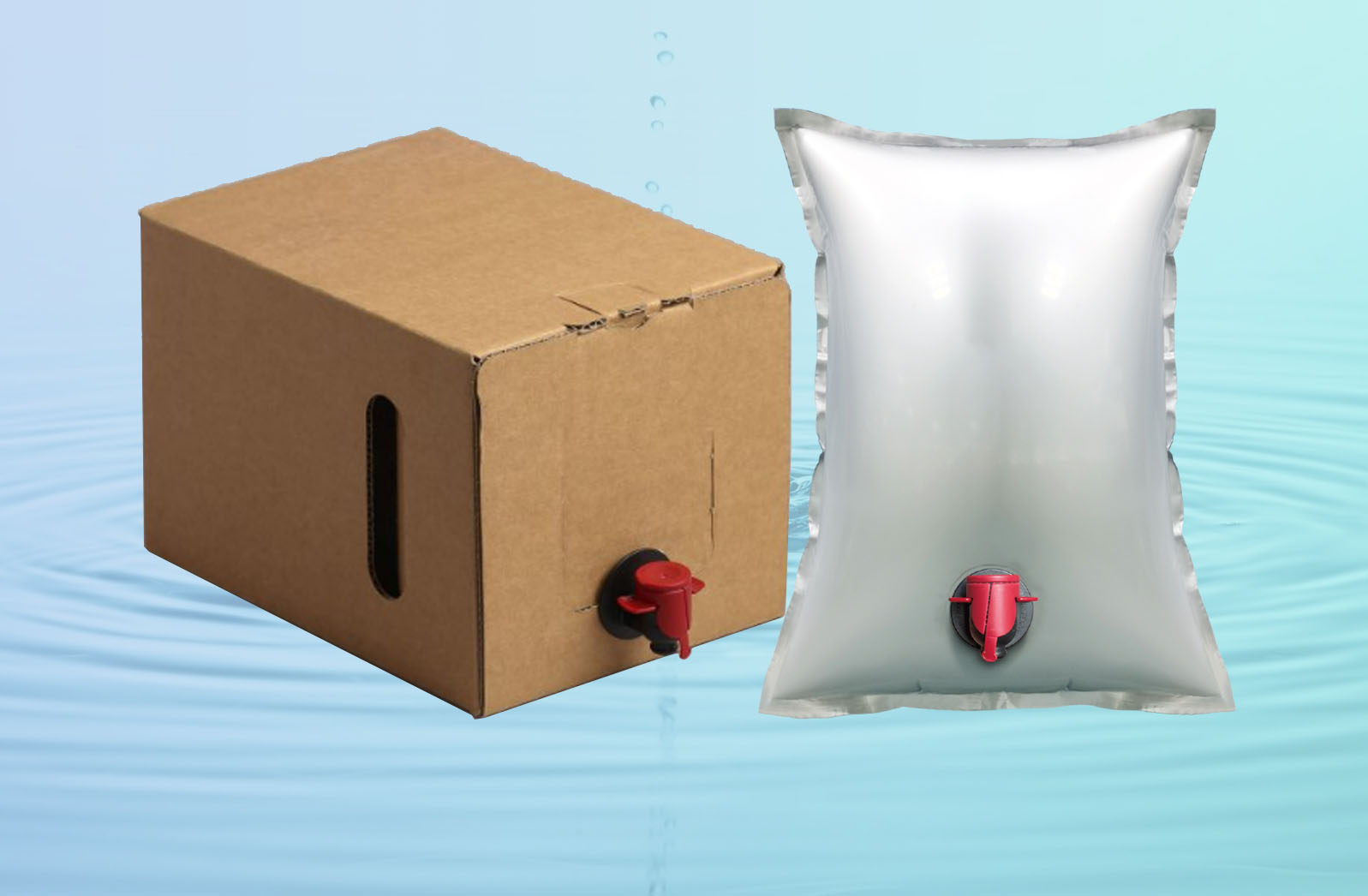
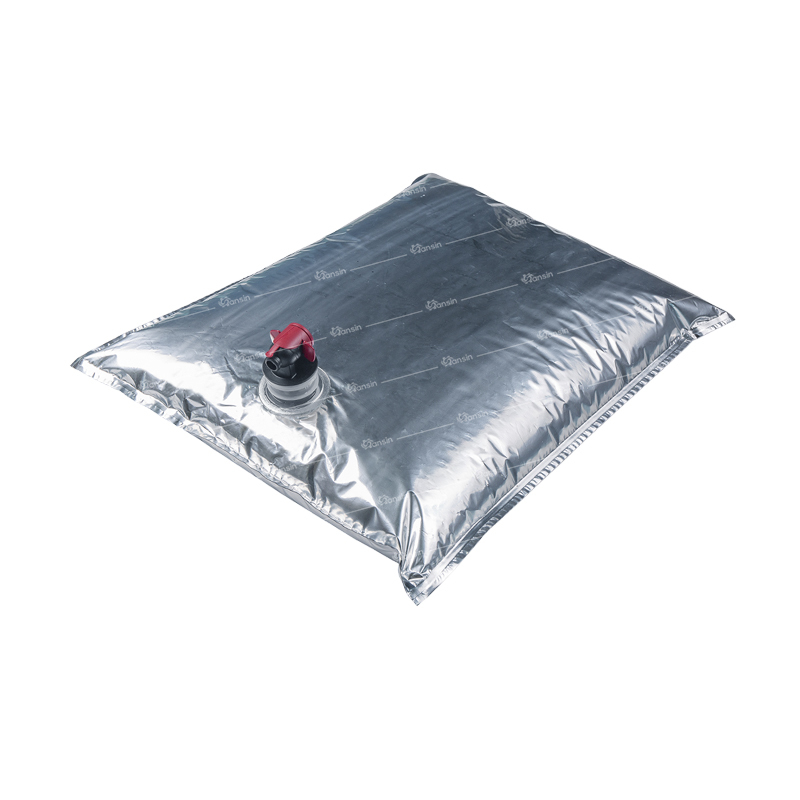
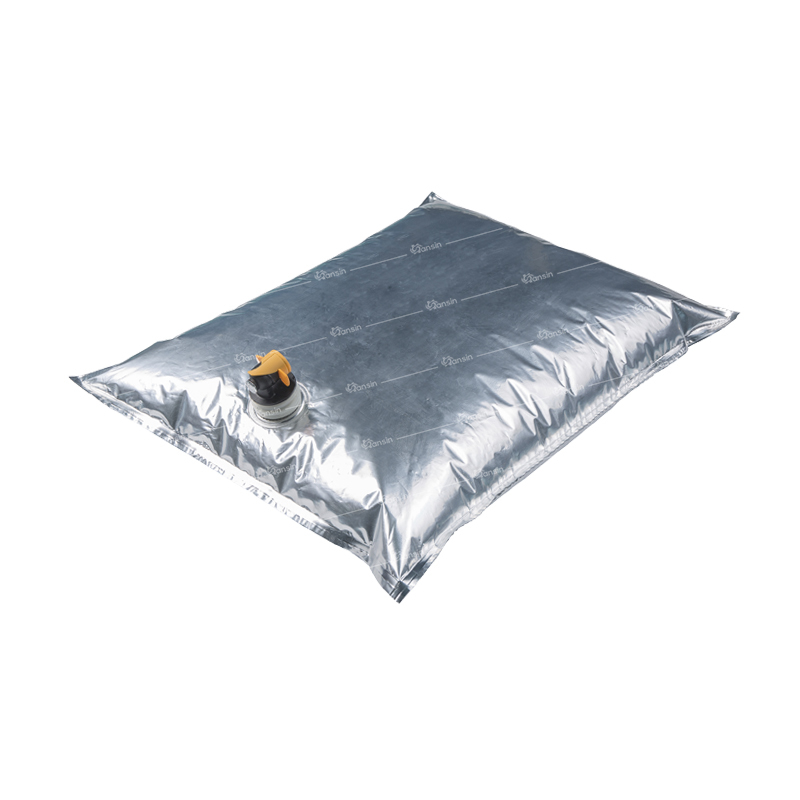
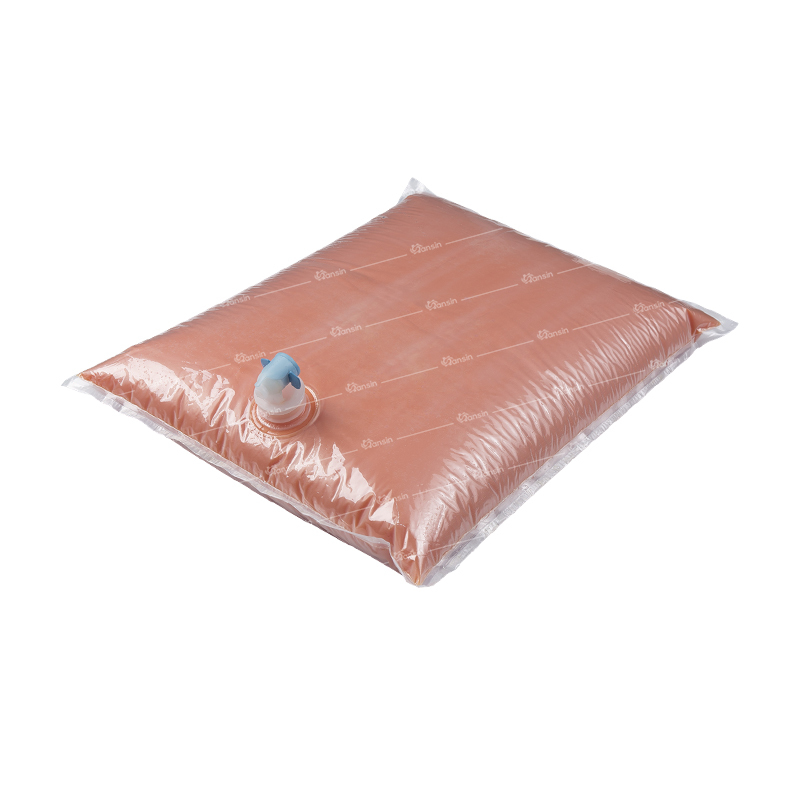
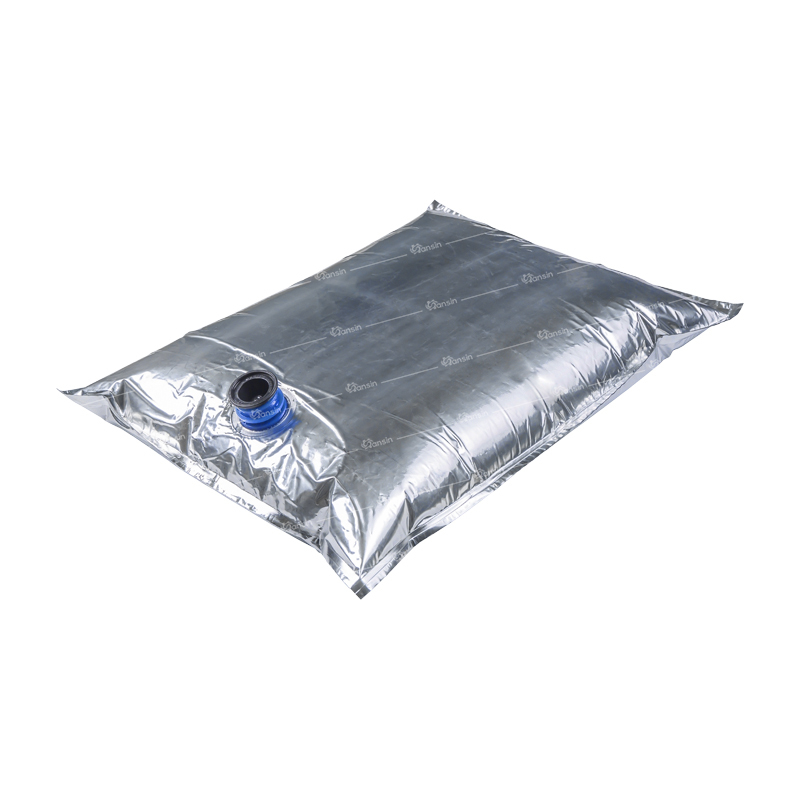
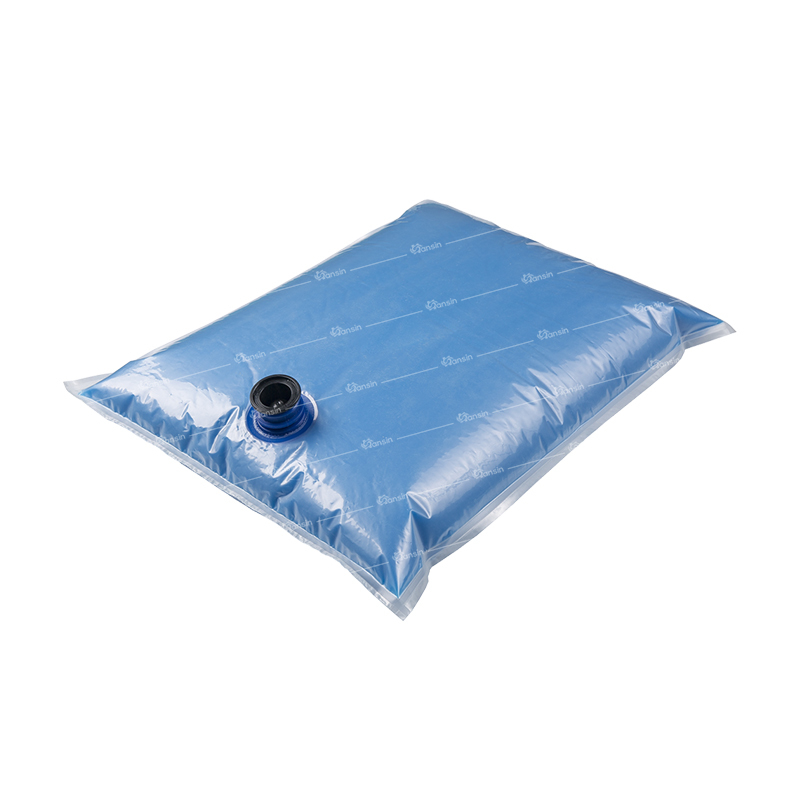
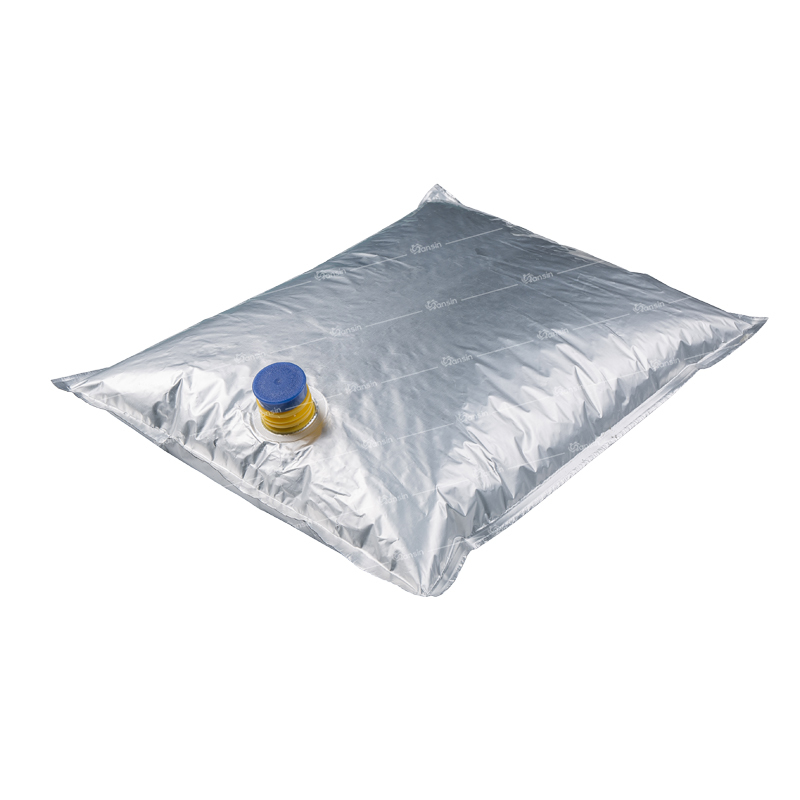
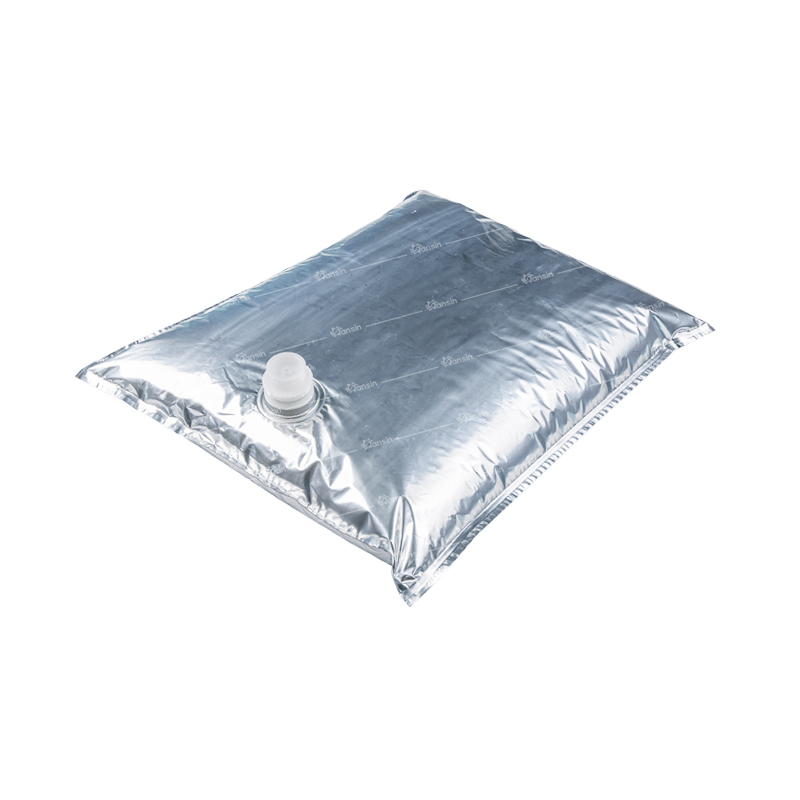
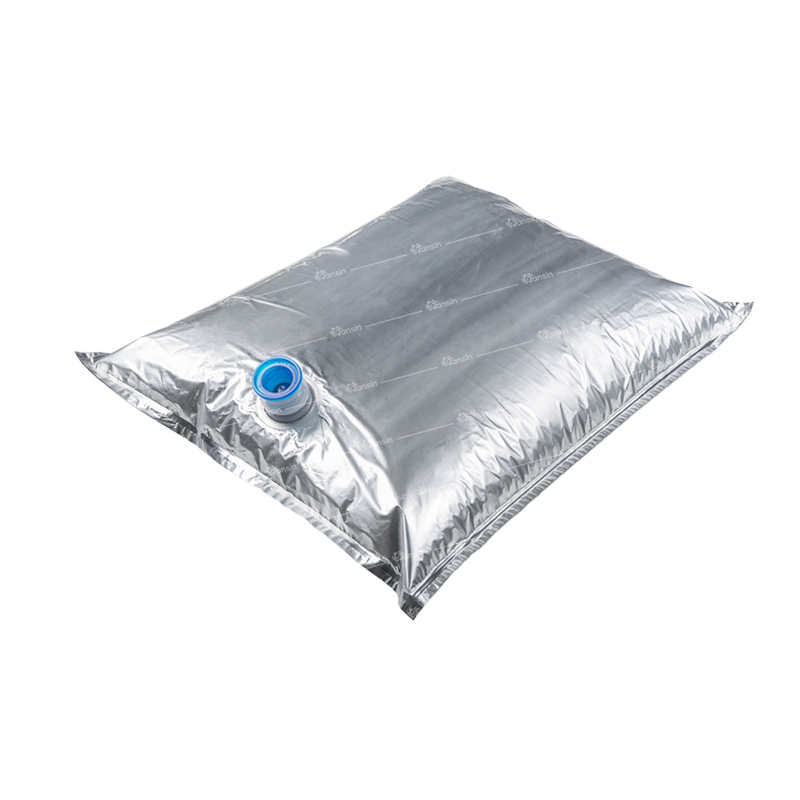
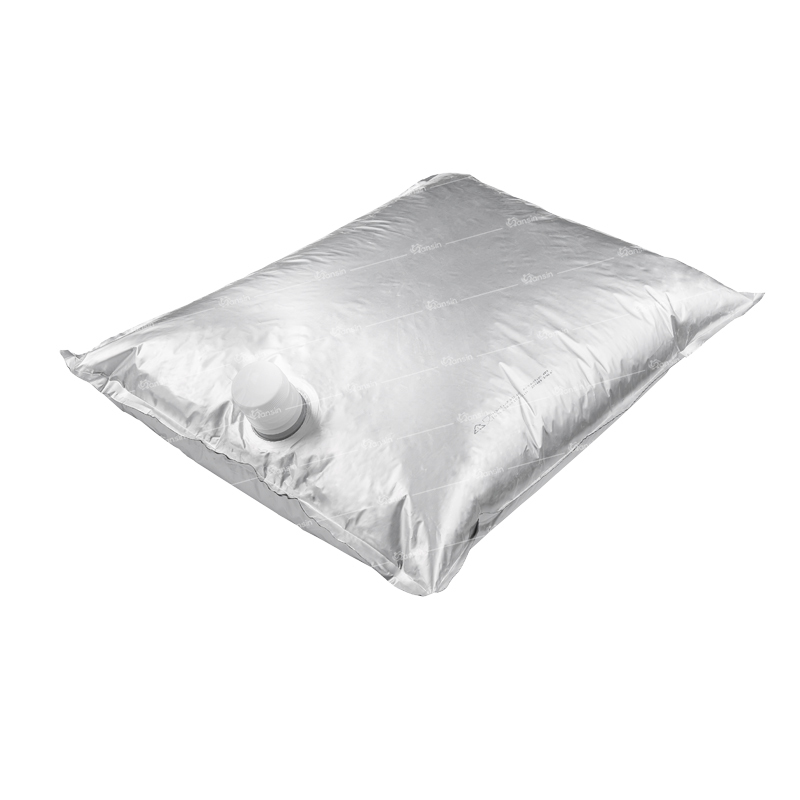
Aseptic bags are flexible packaging solutions designed to store and transport liquid foods and non-food products under sterile conditions. What distinguishes high-barrier variants from standard aseptic bags is their multi-layered material structure, engineered to block oxygen, moisture, light, and other contaminants that degrade product quality. These bags are typically used in combination with drums, IBCs (Intermediate Bulk Containers), or other rigid outer packaging to provide mechanical protection during transportation.
The core of a high-barrier aseptic bag lies in its material composition. Unlike single-layer or low-barrier bags, which use basic plastics, high-barrier bags feature a combination of layers that work in tandem to create an impenetrable barrier. Common material structures include VMPET (Vacuum Metallized Polyethylene Terephthalate), PE (Polyethylene), PA (Polyamide), PET, ALU (Aluminum), and EVOH (Ethylene Vinyl Alcohol). Each layer serves a specific purpose: VMPET and ALU block light and oxygen, PE provides flexibility and sealability, PA adds strength, and EVOH enhances moisture and gas barrier properties.
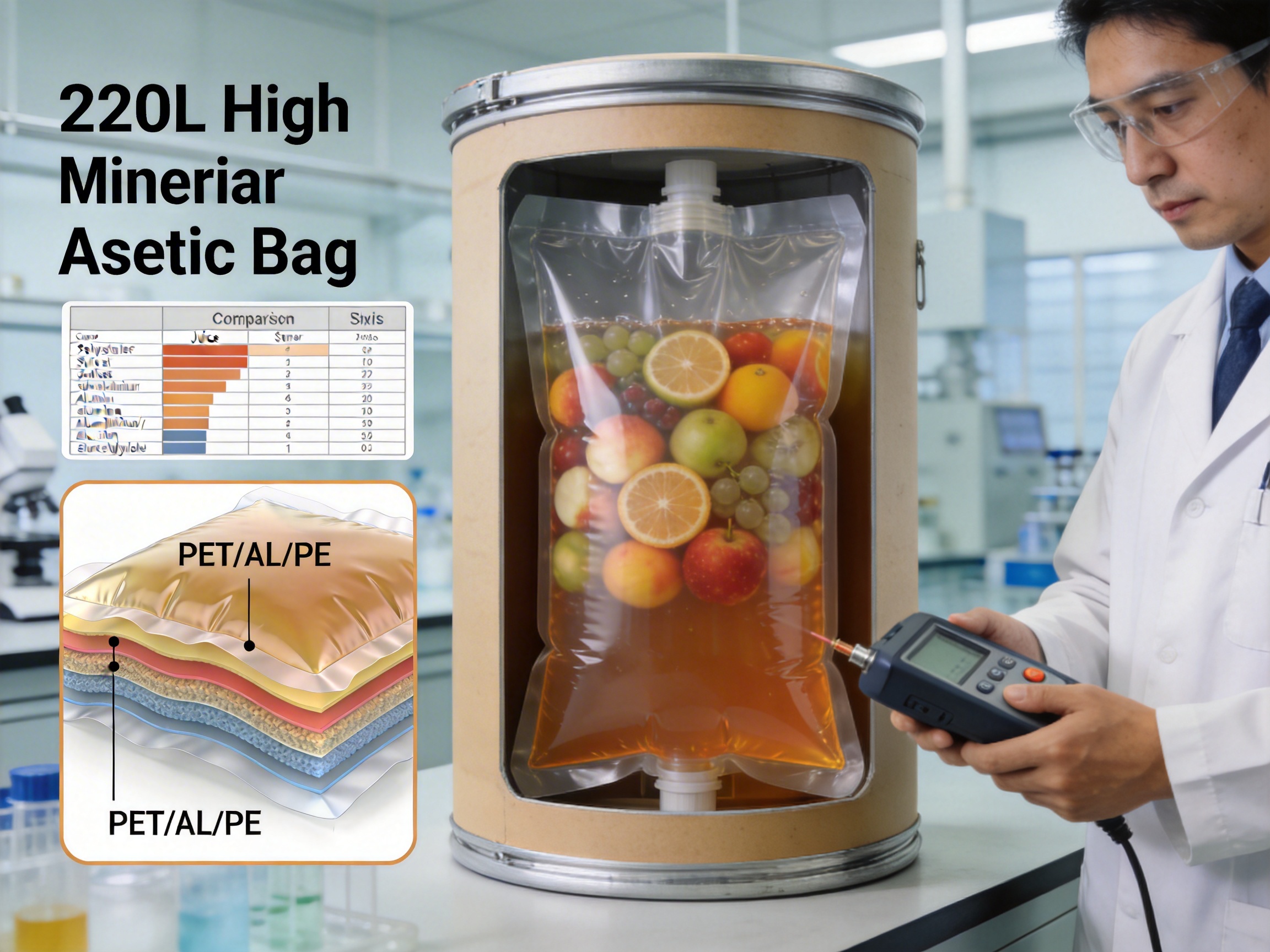
High-barrier aseptic bags are not just about blocking contaminants—they also preserve the nutritional value, flavor, and texture of the products they contain. For example, fruit purees, juice concentrates, and tomato chunks retain their freshness and taste for extended periods when packed in these bags, even without refrigeration in some cases. This is because the multi-layered structure prevents the exchange of gases and moisture between the product and its environment, which is a primary cause of spoilage.
The Science Behind Aseptic Filling: Ensuring Sterility
The effectiveness of an aseptic bag depends not only on its material but also on the filling process. Aseptic filling is a precision-controlled process that ensures the bag and its contents remain free from microbial contamination. Here’s a breakdown of how it works:
1. Sterilization of the Bag: Before filling, the aseptic bag undergoes irradiation sterilization (≥15kGy), a method that uses gamma rays or electron beams to kill all pathogens, including bacteria, viruses, and fungi. This method is preferred over heat sterilization because it does not damage the bag’s material or affect the product’s quality. Heat sterilization, by contrast, can cause the plastic layers to melt or degrade, compromising the bag’s barrier properties.
2. Sterilization of the Filling Environment: The filling line is maintained in a sterile state using a combination of steam and carefully selected chemical sterilants. Steam is used to heat surfaces to high temperatures (typically 121°C or higher) to kill microbes, while chemical sterilants (such as peracetic acid or hydrogen peroxide) are used for areas that cannot withstand high heat. The environment is also filtered to remove particulates, ensuring a GMP (Good Manufacturing Practices) compliant cleanroom. The air in the cleanroom is exchanged multiple times per hour to maintain sterility.
3. Sterile Filling: The liquid product is sterilized separately (using methods like pasteurization or ultra-high temperature (UHT) treatment) before being transferred to the aseptic bag. The filling process is carried out in a closed system to prevent any contamination from the surrounding environment. The bag is then sealed immediately after filling using heat or ultrasonic welding to maintain sterility. The seal is tested for strength and leak-proofing to ensure no contaminants can enter the bag during transportation or storage.
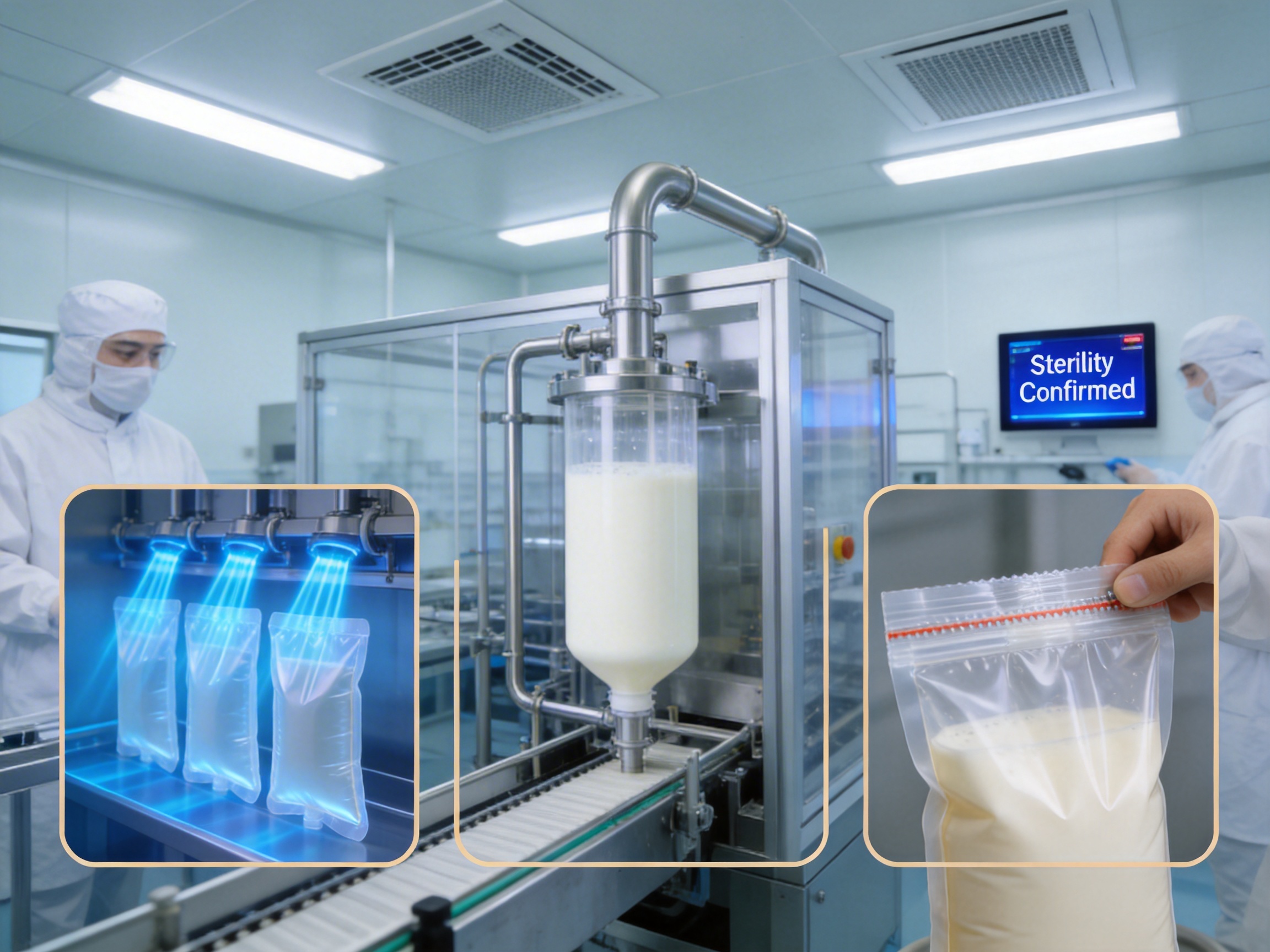
This rigorous process ensures that the product remains contamination-free for its entire shelf life. Unlike traditional canning or bottling, which requires the product to be heated after packaging (which can degrade quality), aseptic filling preserves the product’s nutritional value and flavor. For example, UHT-treated milk packed in aseptic bags retains its vitamins and minerals for up to 12 months, whereas canned milk may lose some nutrients due to post-packaging heating.
Advantages of High-Barrier Aseptic Bags Over Competitors
High-barrier aseptic bags outperform conventional packaging solutions in several key areas, making them the preferred choice for many liquid food manufacturers. Let’s compare them to common alternatives:
1. Superior Barrier Properties
Standard aseptic bags or non-barrier flexible bags lack the multi-layered structure needed to block oxygen and moisture effectively. As a result, products packed in these bags have a shorter shelf life and are prone to oxidation, spoilage, and flavor loss. High-barrier bags, with their EVOH and ALU layers, provide an oxygen transmission rate (OTR) and moisture vapor transmission rate (MVTR) that are orders of magnitude lower than standard bags. For example, a high-barrier bag may have an OTR of <0.1 cm³/m²·day, compared to 10 cm³/m²·day or higher for a standard bag. This means products like juice concentrates can retain their flavor and nutritional value for up to 18 months, whereas standard bags may only last 6-12 months.
To put this into perspective, consider a fruit juice manufacturer that uses standard bags: after 6 months, the juice may start to taste stale and lose its vitamin C content. With high-barrier bags, the juice remains fresh and nutrient-dense for 18 months, reducing waste and increasing customer satisfaction.
2. Effective Sterilization Without Product Damage
Many competitors use heat sterilization for their bags, which can cause the material to degrade or leave residues. Irradiation sterilization (≥15kGy) used in high-barrier bags kills all pathogens without affecting the bag’s structure or the product inside. This is particularly important for heat-sensitive products like fruit purees and probiotic drinks, which cannot withstand high temperatures. For example, probiotic drinks packed in heat-sterilized bags may lose up to 50% of their beneficial bacteria, whereas irradiation-sterilized bags preserve the bacteria’s viability.
3. Food Safety Compliance
High-barrier aseptic bags are manufactured using food-grade raw materials that meet strict international standards, including ABMA (European Aseptic Bag Manufacturers Association) standards and China’s national standard for aseptic liquid food packaging. Unlike some low-cost alternatives, they do not use harmful chemicals or additives that could leach into the product. Solvent-free lamination is another key advantage—this process avoids the use of volatile organic compounds (VOCs) that are common in solvent-based lamination, reducing the risk of chemical residues and making the bags safer for food contact.
For example, a low-cost bag from a competitor may use solvent-based lamination, which leaves traces of benzene or toluene in the bag. These chemicals can leach into the product, posing a health risk to consumers. High-barrier bags, by contrast, use solvent-free lamination, ensuring that the product remains safe and compliant with food safety regulations.
4. Customization and Flexibility
Competitors often offer limited size and barrier options, but high-barrier aseptic bags can be customized to meet specific product needs. For example, manufacturers can choose between standard, high, or ultra-high barrier levels depending on the product’s sensitivity (e.g., ultra-high barrier for oxygen-sensitive products like wine or olive oil). Sizes range from 1 liter to 1500 liters, and bags can be fitted with various spouts and valves for easy dispensing. This flexibility makes them suitable for a wide range of applications, from small-scale retail to large industrial bulk shipments.
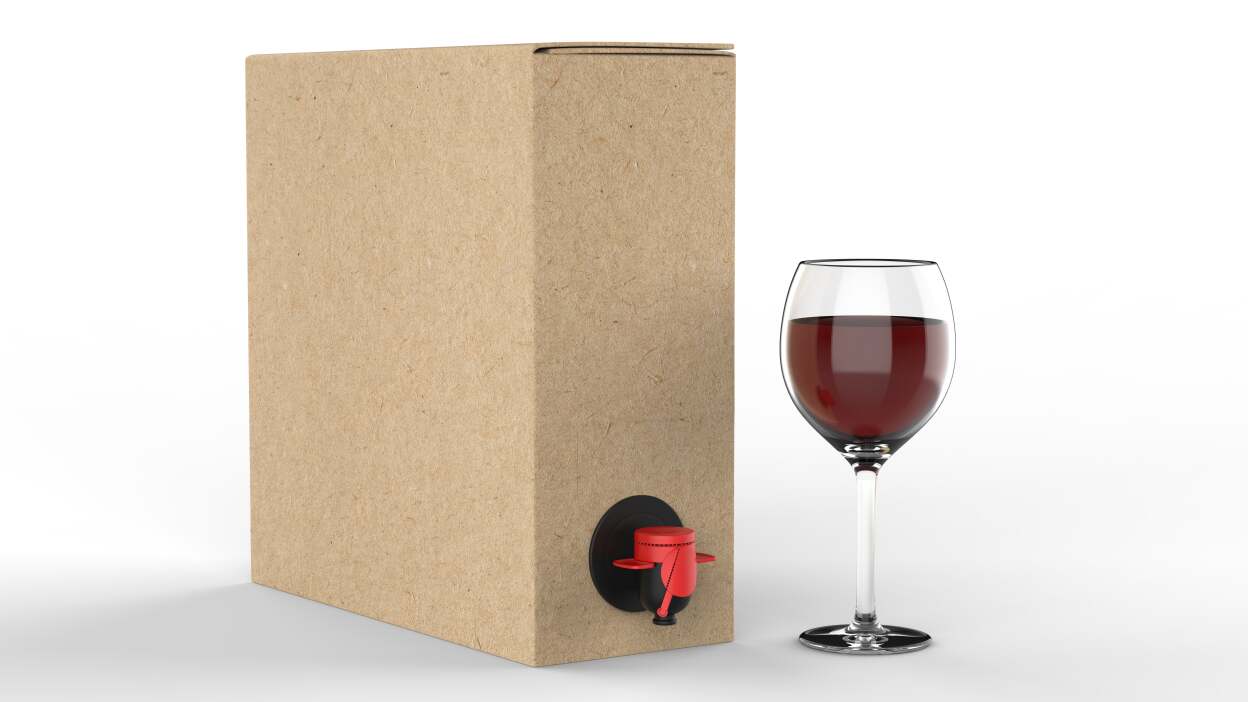
Consider a winery that needs to transport 500L of wine. A standard bag may not provide sufficient barrier protection, leading to oxidation and spoilage. A high-barrier bag with ultra-high barrier properties, however, can preserve the wine’s flavor and aroma for up to 24 months. The bag can also be fitted with a valve dispenser for easy pouring, making it ideal for both bulk and retail use.
5. Cost-Effectiveness and Supply Chain Efficiency
Rigid packaging solutions like glass bottles and plastic drums are heavy and bulky, increasing transportation costs and requiring more storage space. High-barrier aseptic bags are lightweight (typically 5-10% of the weight of a glass bottle) and flexible, so they take up less space in transit and storage. For example, a 220L aseptic bag weighs only a few kilograms, compared to a 220L plastic drum which weighs around 15kg. This reduces shipping costs by up to 30% and lowers carbon emissions.
Additionally, the bags can be folded flat when empty, further saving storage space. A single pallet can hold up to 100 empty high-barrier bags, whereas a pallet of empty plastic drums can only hold 20. This reduces warehouse costs and improves supply chain efficiency.
6. One-Stop Solution for Packaging and Filling
Many competitors only offer packaging materials, forcing manufacturers to source filling services from third parties. This can lead to delays, quality inconsistencies, and higher costs. High-barrier aseptic bag manufacturers that offer integrated filling services provide a seamless solution: customers can get both high-quality packaging and professional filling under one roof. This not only saves time and resources but also ensures that the entire process is compliant with aseptic standards.
For example, a tomato sauce manufacturer that uses a third-party filling service may experience delays due to scheduling conflicts. With an integrated solution, the manufacturer can schedule filling immediately after receiving the bags, reducing lead times and ensuring that the product reaches the market faster.
Advanced Manufacturing Processes: A Deep Dive
The quality of high-barrier aseptic bags depends on the precision and rigor of their manufacturing processes. Leading manufacturers invest in state-of-the-art facilities and adhere to strict quality control measures to ensure every bag meets the highest standards. Here’s a look at the key processes:
1. GMP 100,000-Level Clean Workshop
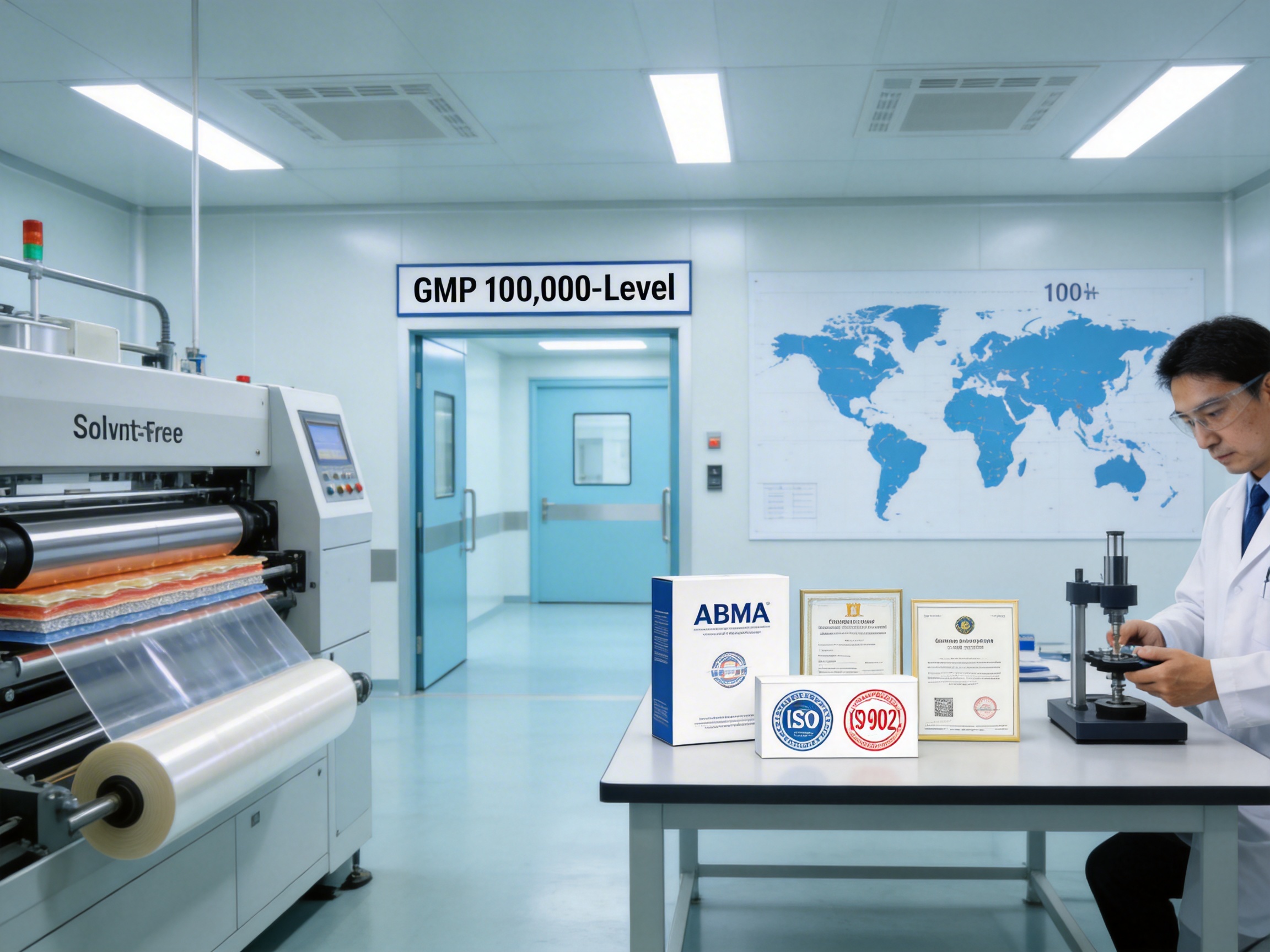
Manufacturing aseptic bags requires a controlled environment to prevent microbial contamination. Leading facilities use GMP 100,000-level cleanrooms, which means that the air contains no more than 100,000 particulates (0.5μm or larger) per cubic meter. This is achieved through HEPA (High-Efficiency Particulate Air) filters and regular air exchange. Every step of production—from injection molding of fitments to bag making—is carried out in this cleanroom, ensuring that the bags remain sterile before filling.
The cleanroom is also monitored 24/7 using sensors that measure temperature, humidity, and particulate count. Any deviation from the required standards triggers an alert, allowing technicians to address the issue immediately. This ensures that the manufacturing process remains consistent and compliant with GMP guidelines.
2. Solvent-Free Lamination
Lamination is the process of bonding multiple layers of film together to form the bag’s structure. Traditional solvent-based lamination uses chemicals that can leave residues and emit VOCs, which are harmful to the environment and product safety. Solvent-free lamination uses hot-melt adhesives or water-based adhesives that are free of solvents. This process not only improves product safety but also reduces environmental impact.
Leading manufacturers use automated lamination machines that ensure uniform bonding and consistent layer thickness. The machines are equipped with sensors that monitor the temperature and pressure of the adhesive, ensuring that the layers are bonded securely without any gaps. This results in a bag with superior barrier properties and mechanical strength.
3. Injection Molding of Fitments
Fitments (like spouts and valves) are critical components of aseptic bags, as they ensure easy dispensing and prevent contamination. Leading manufacturers use precision injection molding to produce fitments from food-grade plastics. The process involves melting plastic pellets and injecting them into molds to form the desired shape. The fitments are then sterilized (using irradiation or chemical methods) before being attached to the bags.
The injection molding machines are equipped with closed-loop control systems that ensure consistent part quality. Every fitment undergoes a visual inspection and a leak test to ensure that it is free from defects. This ensures that the fitment is compatible with the bag’s material and can withstand the pressure of the product inside.
4. Film Extrusion
Film extrusion is the process of producing the individual layers of the bag’s material. Leading manufacturers use co-extrusion machines that can produce multiple layers of film in a single pass. This ensures that the layers are uniformly thick and bonded together without the need for adhesives (in some cases). The extrusion process is closely monitored to ensure that the film meets the required barrier properties and mechanical strength.
For example, EVOH layers are extruded with precise thickness to maximize their barrier performance. The machine uses a die that controls the flow of the molten plastic, ensuring that the layer is uniform and free from defects. The film is then cooled using water or air to solidify it, and it is wound onto rolls for further processing.
5. Bag Making and Quality Control
Once the laminated film is produced, it is cut into the desired size and shape, and fitments are attached. The bags are then sealed using heat or ultrasonic welding to ensure a tight, leak-proof seal. Every bag undergoes rigorous quality control checks, including:
- Leak testing: The bag is filled with air and submerged in water to check for leaks or punctures.
- Barrier testing: The bag’s OTR and MVTR are measured using specialized equipment to verify that it meets the required standards.
- Sterility testing: A sample of the bag is tested for microbial contamination using a nutrient broth test.
- Seal strength testing: The strength of the seal is measured using a tensile tester to ensure that it can withstand transportation and handling.
Leading manufacturers also maintain detailed records of every production batch, allowing for traceability and quick resolution of any quality issues. This ensures that customers receive consistent, high-quality products every time.
Case Study: 220L High-Barrier Aseptic Bag for Liquid Foods
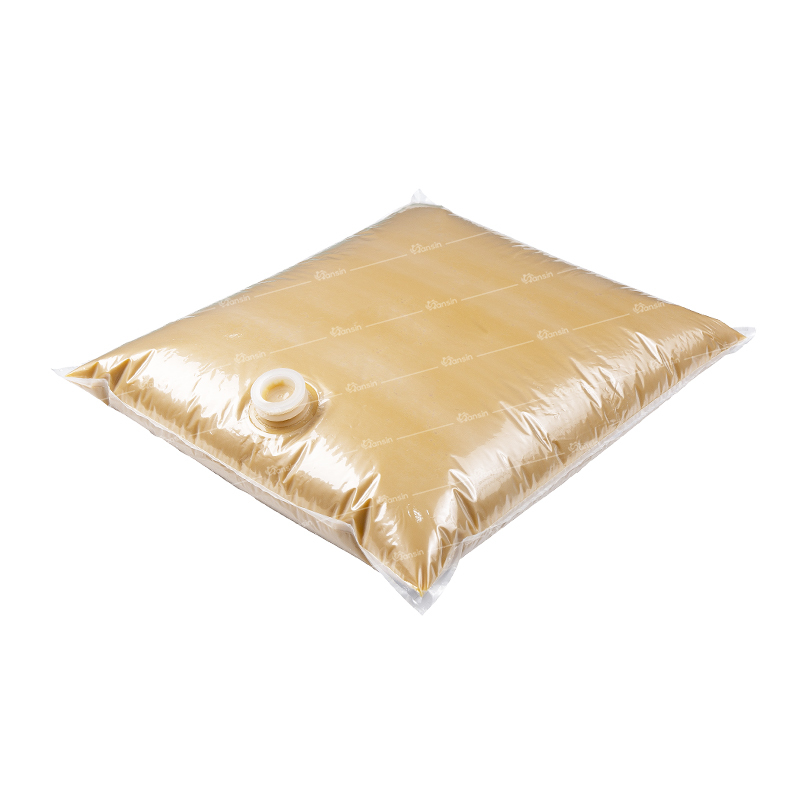
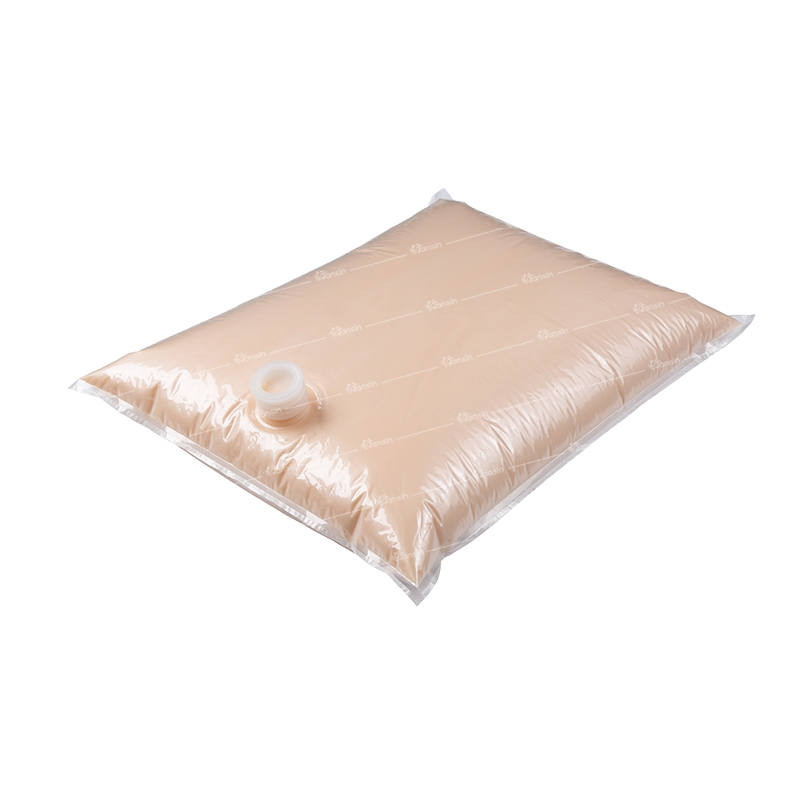
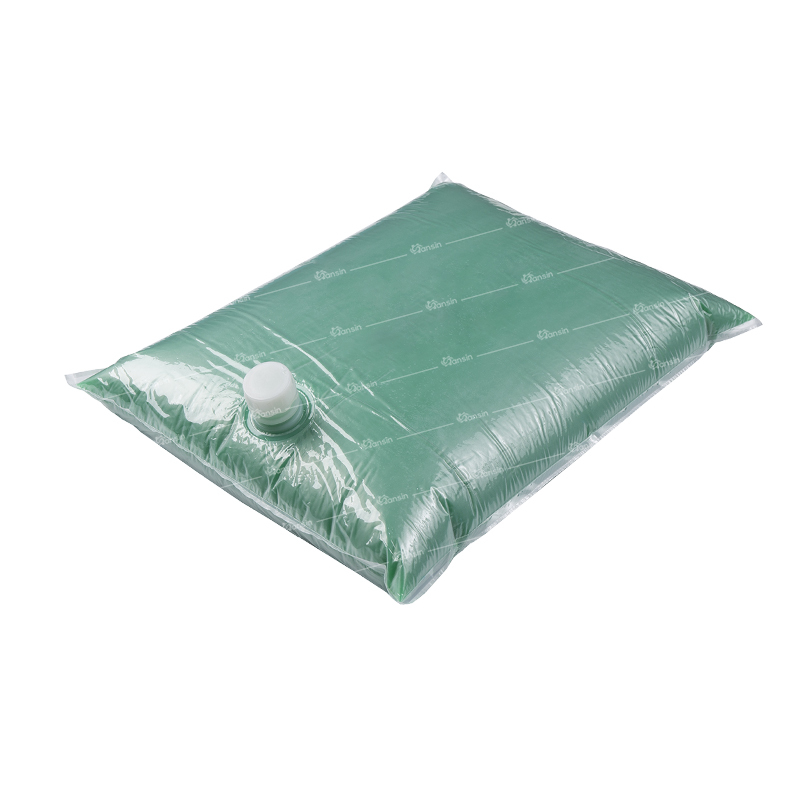
The 220L high-barrier aseptic bag is one of the most popular products in the high-barrier bag range, widely used for storing and transporting fruit purees, juice concentrates, tomato chunks, and other liquid foods. Let’s explore how this product solves real-world challenges for manufacturers:
Customer Challenge
A European fruit juice manufacturer was facing several issues with its current packaging: - Short shelf life: Its 220L plastic drums had a shelf life of only 6 months, leading to frequent product spoilage and waste. - High transportation costs: The heavy drums increased shipping costs by 25% compared to flexible packaging. - Product quality: The drums did not provide sufficient barrier protection, leading to oxidation and flavor loss in the juice concentrate.
Solution: Switch to 220L High-Barrier Aseptic Bags
The manufacturer switched to 220L high-barrier aseptic bags with ultra-high barrier properties. Here’s how the solution addressed their challenges: - Extended shelf life: The bags increased the shelf life of the juice concentrate to 18 months, reducing waste by 40%. - Lower transportation costs: The lightweight bags reduced shipping costs by 30% and carbon emissions by 28%. - Improved product quality: The ultra-high barrier layers prevented oxidation, preserving the juice’s flavor and nutritional value. - Easy dispensing: The bags were fitted with a 1" flat head spout, making it easy to dispense the juice concentrate without contamination.
Comparison with Alternative Packaging
To further illustrate the advantages of the 220L high-barrier aseptic bag, here’s a comparison with common alternatives:
| Packaging Type | Shelf Life (Months) | Weight (kg) | Barrier Protection | Transportation Cost (per 220L) | Waste Reduction Potential |
|---|---|---|---|---|---|
| 220L High-Barrier Aseptic Bag | 12-18 | 2.5 | Excellent (blocks O2, moisture, light) | $15-20 | High (foldable, recyclable) |
| 220L Plastic Drum | 6-12 | 15 | Good (but not as effective as high-barrier) | $25-30 | Low (bulky, hard to recycle) |
| Glass Bottle (220L equivalent) | 6-9 | 50 | Excellent (but heavy and breakable) | $40-50 | Medium (recyclable but high breakage) |
| Non-Barrier Aseptic Bag | 6-10 | 1.8 | Poor (limited O2 and moisture protection) | $12-15 | Medium (but short shelf life leads to waste) |
The table clearly shows that the 220L high-barrier aseptic bag offers the best balance of shelf life, cost, and performance. It outperforms plastic drums and glass bottles in terms of cost and sustainability, while providing superior barrier protection compared to non-barrier bags.
Sustainability Focus: Reducing Environmental Impact
In addition to their performance advantages, high-barrier aseptic bags are a more sustainable option than conventional packaging. Leading manufacturers are committed to reducing their environmental footprint through several initiatives:
1. Recyclable Materials
Many high-barrier aseptic bags are now made with recyclable materials, such as mono-material PE films (which can be recycled in most plastic recycling facilities). Some manufacturers also offer "Better-recycle" lines, which are designed to be easily separated and recycled. This reduces the amount of plastic waste sent to landfills.
For example, a mono-material PE bag can be recycled into new plastic products, such as plastic bottles or bags. This closes the loop on plastic waste and reduces the demand for virgin plastic.
2. Reduced Plastic Usage
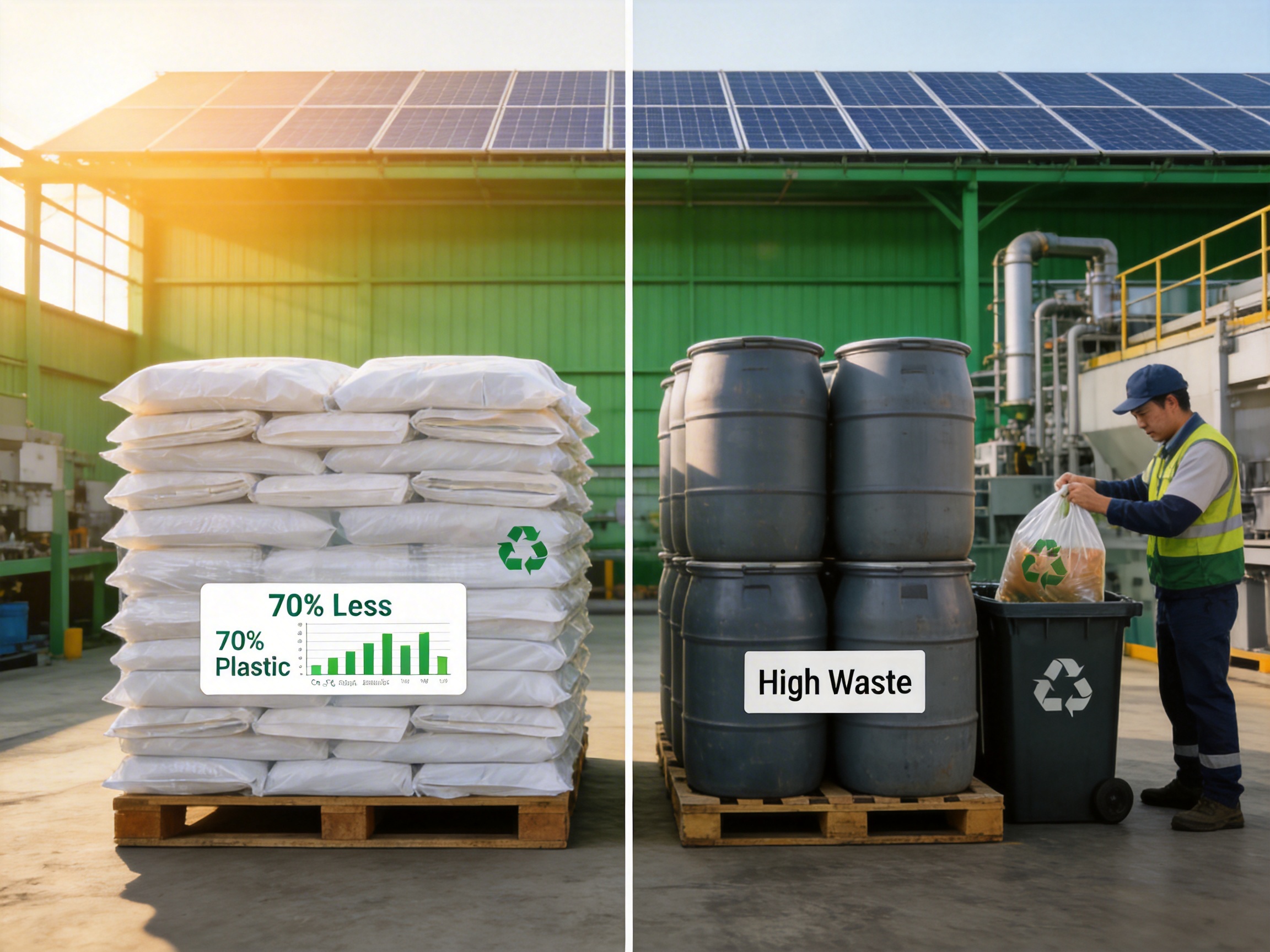
High-barrier aseptic bags use up to 70% less plastic than rigid packaging solutions like plastic drums. For example, a 220L high-barrier bag uses only 2.5kg of plastic, compared to 15kg for a 220L plastic drum. This reduces the demand for virgin plastic and lowers carbon emissions associated with plastic production.
The production of 1kg of virgin plastic emits approximately 2kg of CO₂. By using 70% less plastic, high-barrier bags reduce CO₂ emissions by 70% per unit of packaging.
3. Energy Efficiency
Leading manufacturers use energy-efficient machines in their production processes, such as solar-powered extrusion lines and low-energy cleanroom systems. This reduces their energy consumption and carbon footprint. Additionally, the lightweight nature of the bags reduces transportation-related energy use and emissions.
For example, a solar-powered extrusion line can reduce energy consumption by up to 30% compared to a traditional line. This not only saves money but also reduces the manufacturer’s carbon footprint.
4. Circular Economy Initiatives
Some manufacturers are implementing circular economy programs, such as take-back schemes for empty bags. These programs allow customers to return used bags for recycling or reprocessing, further reducing waste. Leading manufacturers also work with suppliers to source recycled materials for their bags, closing the loop on plastic waste.
For example, a manufacturer may offer a discount to customers who return empty bags. The returned bags are then recycled into new bags or other plastic products. This reduces the amount of waste sent to landfills and promotes a circular economy.
Q&A Section
To address common questions about high-barrier aseptic bags, here’s a Q&A:
Q1: What is the difference between high-barrier and standard barrier aseptic bags?
A: High-barrier bags use multi-layered materials (including EVOH and ALU) to provide superior protection against oxygen, moisture, and light. Standard barrier bags have fewer layers and offer limited protection, leading to shorter shelf life. High-barrier bags are ideal for sensitive products like juice concentrates and fruit purees, while standard barrier bags are suitable for less sensitive products like water or non-food liquids.
Q2: How does irradiation sterilization compare to other sterilization methods?
A: Irradiation sterilization (≥15kGy) is more effective than heat or chemical sterilization for aseptic bags. Heat sterilization can damage the bag’s material and the product inside, while chemical sterilization may leave residues. Irradiation kills all pathogens without affecting the bag or product, making it the preferred method for high-quality aseptic packaging.
Q3: Can high-barrier aseptic bags be customized for specific products?
A: Yes. Leading manufacturers offer customization options, including: - Barrier level: Standard, high, or ultra-high. - Size: From 1L to 1500L. - Fitments: Various spouts, valves, and caps. - Material structure: Tailored to meet specific product needs (e.g., EVOH layers for oxygen-sensitive products).
Q4: Are high-barrier aseptic bags recyclable?
A: Many modern high-barrier bags are made with recyclable materials, such as mono-material PE films. Some manufacturers also offer "Better-recycle" lines, which are designed for easy recycling. However, it’s important to check with local recycling facilities to ensure the bags are accepted.
Q5: What certifications do high-barrier aseptic bags have?
A: Leading manufacturers’ bags are certified to meet international standards, including: - ABMA (European Aseptic Bag Manufacturers Association) standards. - China’s national standard for aseptic liquid food packaging. - GMP (Good Manufacturing Practices) for food contact materials. - ISO 9001 (quality management system).
Q6: How long is the shelf life of products packed in high-barrier aseptic bags?
A: The shelf life depends on the product and barrier level. For example, juice concentrates packed in ultra-high barrier bags can have a shelf life of up to 18 months, while less sensitive products like tomato sauce may have a shelf life of 12 months. The shelf life is also affected by storage conditions (e.g., temperature and humidity).
Q7: Do manufacturers offer filling services along with packaging?
A: Yes, many leading manufacturers offer integrated filling services. This means customers can get both high-quality packaging and professional filling under one roof, ensuring compliance with aseptic standards and reducing costs.
Q8: What industries can benefit from high-barrier aseptic bags?
A: High-barrier aseptic bags are used in a wide range of industries, including: - Food and beverage: Fruit purees, juice concentrates, tomato chunks, olive oil, wine. - Pharmaceuticals: Liquid medications, vaccines. - Cosmetics: Liquid soaps, lotions. - Industrial: Chemicals, paints, lubricants.
Company Background (Leading Manufacturer)
One of the leading manufacturers of high-barrier aseptic bags is Hangzhou Hansin New Packing Material Co., Ltd. Founded in 2006, the company has over 19 years of experience in producing medium and large liquid flexible packaging. It is a trusted name in the industry, known for its high-quality products and advanced manufacturing processes.
Hansin Packing has made significant contributions to the field of aseptic packaging: - In 2018, it helped formulate China’s national standard for "Composite Bags for Aseptic Packaging of Liquid Foods." - In 2020, it became the only Asian member of the European Aseptic Bag Manufacturers Association (EU ABMA). - It owns two manufacturing plants in China and branches in Europe, exporting to over 100 countries and regions worldwide.
The company’s facilities are equipped with a GMP 100,000-level clean workshop, where every step of production—from injection molding to bag making—is carefully controlled. It also offers a seamless one-stop solution for both filling and packaging, with advanced filling machines that ensure high-quality services. Hansin Packing is committed to sustainability, offering recyclable "Better-recycle" bags and implementing circular economy initiatives to reduce its environmental footprint.
References
1. European Aseptic Bag Manufacturers Association (ABMA). (2023). Guidelines for Aseptic Flexible Packaging. Brussels, Belgium.
2. China National Standard GB 18454-2019 (Composite Bags for Aseptic Packaging of Liquid Foods). (2019). Beijing, China.
3. World Health Organization (WHO). (2022). Food Safety Guidelines for Aseptic Packaging. Geneva, Switzerland.
4. International Organization for Standardization (ISO). (2021). GMP Guidelines for Pharmaceutical and Food Packaging. Geneva, Switzerland.
5. Smith, J. et al. (2023). "Barrier Properties of Multi-Layer Flexible Packaging Materials for Liquid Foods." Journal of Food Engineering, Vol. 198, pp. 104-112.
6. European Commission. (2022). "Sustainability Criteria for Food Packaging." Brussels, Belgium.
7. United Nations Environment Programme (UNEP). (2023). "Plastic Waste Management: A Global Perspective." Nairobi, Kenya.
8. Hansin Packing Internal Report. (2024). "Sustainability Initiatives and Circular Economy Programs." Hangzhou, China.