
 中文简体
中文简体 英语
英语 西班牙语
西班牙语 俄语
俄语 葡萄牙语
葡萄牙语 法语
法语 德语
德语 意大利语
意大利语




In an era where food waste reduction and product integrity are non-negotiable, the packaging industry has emerged as a critical player in safeguarding the global supply chain of liquid foods and non-food products. Liquid concentrates—from dairy to juice—face unique challenges: exposure to oxygen, physical damage during transport, and the risk of spoilage that can erase months of production effort and contribute to environmental harm. Aseptic packaging, a technology designed to eliminate microbial contamination without the need for refrigeration, has become the gold standard for preserving these products. Among the latest innovations in this space is the non-barrier aseptic bag, a solution that balances flexibility, durability, and cost-effectiveness while delivering uncompromised protection. This article explores how advanced non-barrier aseptic bags are transforming liquid packaging, their competitive advantages over traditional alternatives, the cutting-edge manufacturing processes that ensure quality, and the role of industry leaders in driving this evolution.
Before diving into the specifics of non-barrier aseptic bags, it is essential to understand the context of their development. According to the Food and Agriculture Organization (FAO), approximately 1.3 billion tons of food are wasted globally each year, with liquid foods accounting for a significant portion due to inadequate packaging. Aseptic packaging addresses this issue by creating a hermetically sealed environment that prevents the entry of bacteria, fungi, and other contaminants. While barrier bags (which use materials like aluminum foil to block oxygen and moisture) are widely used, non-barrier aseptic bags offer a distinct set of benefits for products that do not require extreme barrier protection but still demand high levels of freshness and durability. These bags are particularly suited for applications where flexibility, cost efficiency, and ease of handling are prioritized—such as dairy concentrates, juice concentrates, and certain non-food liquids.
The Core of Modern Liquid Protection: Aseptic Non-Barrier Bags
What Are Non-Barrier Aseptic Bags?
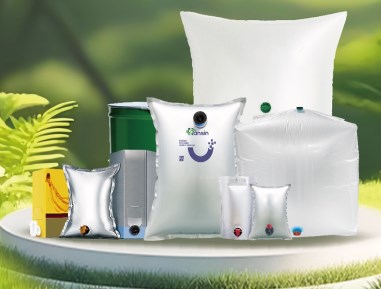
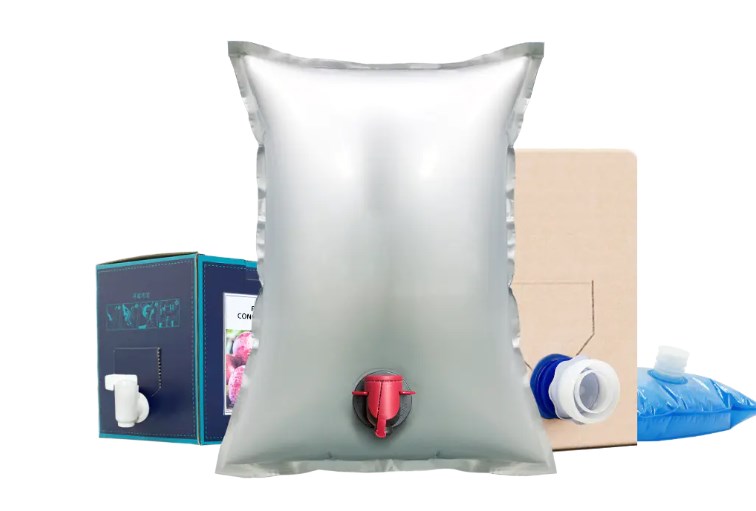
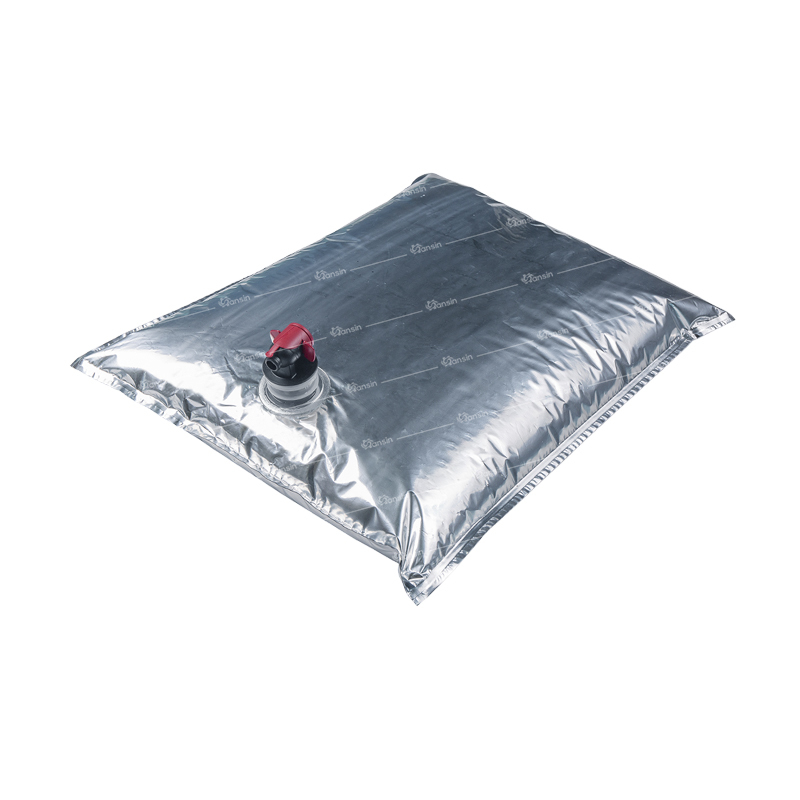
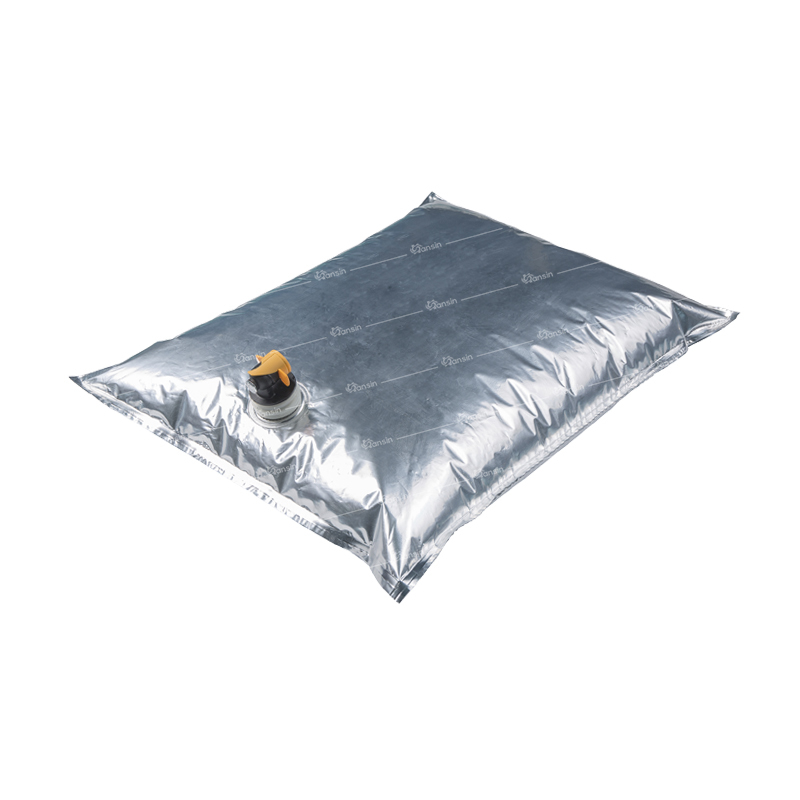
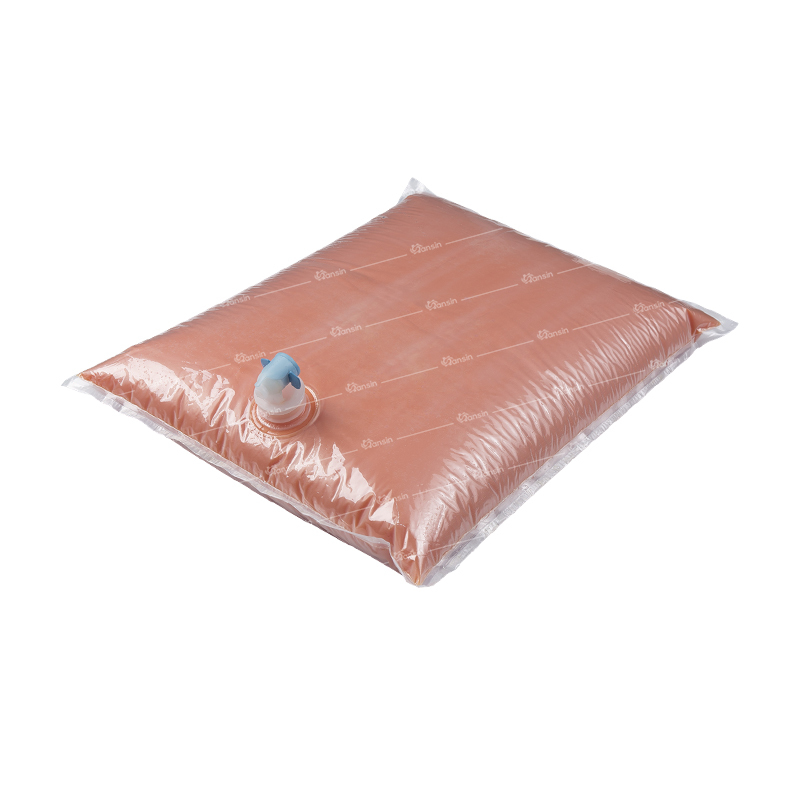
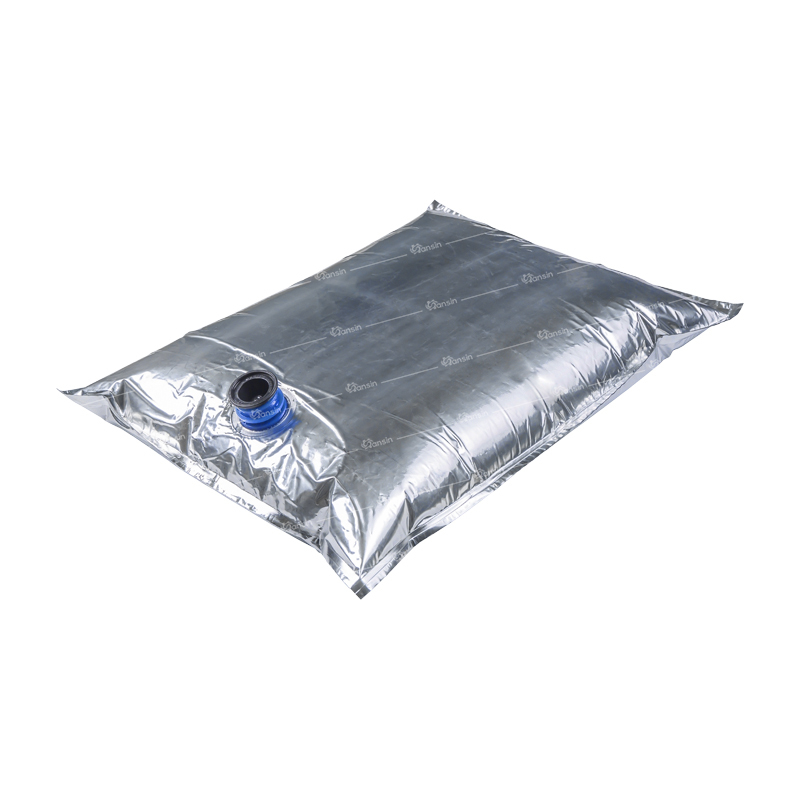
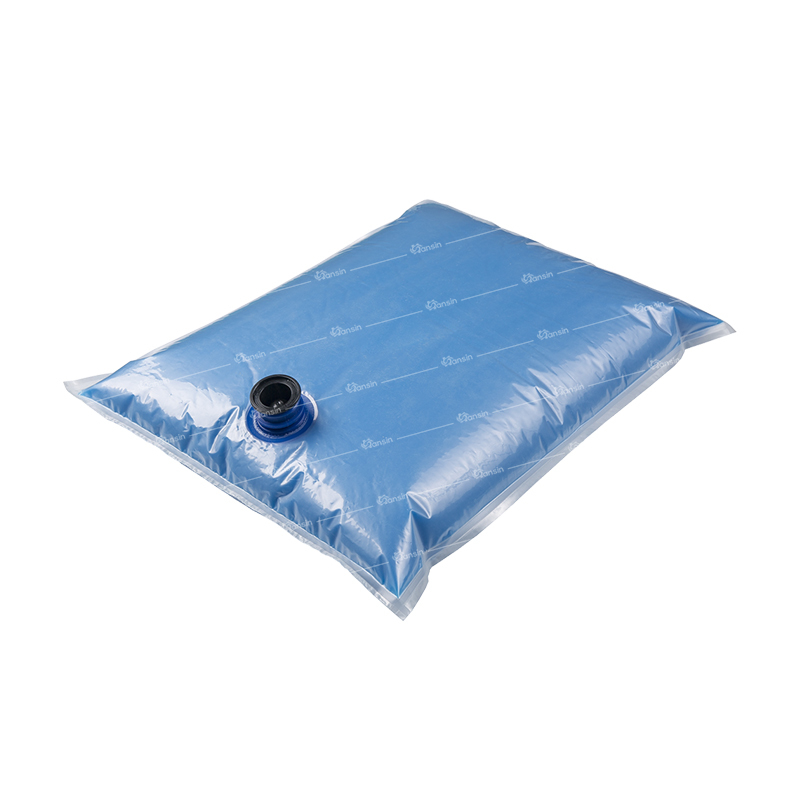
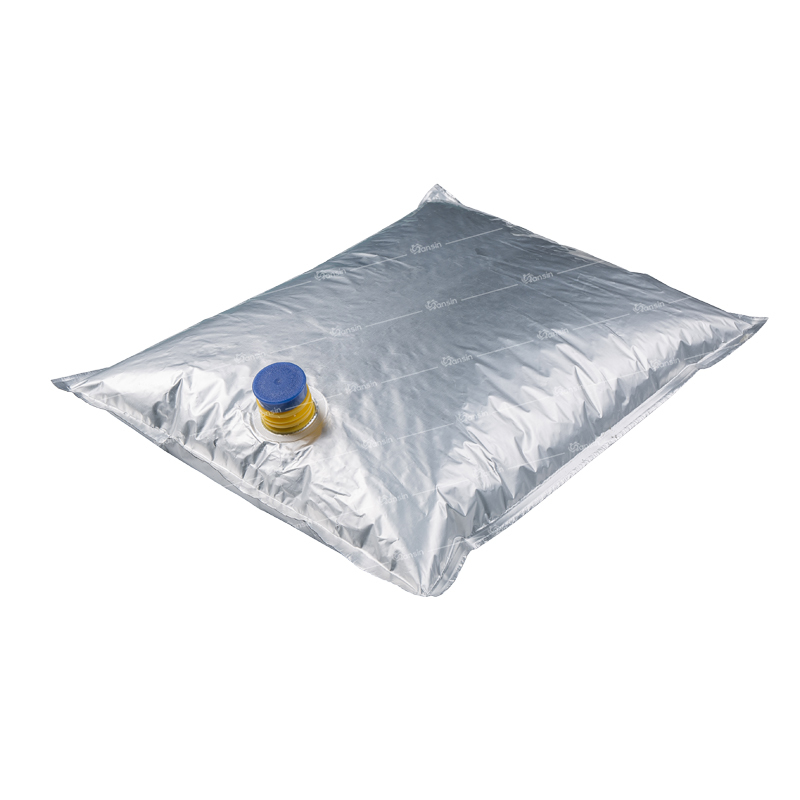
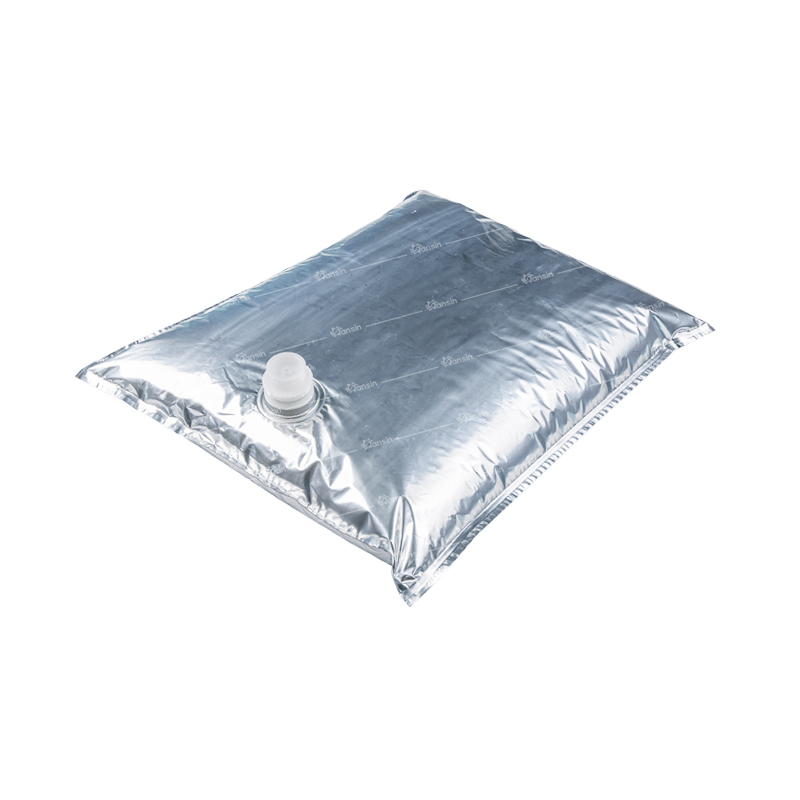
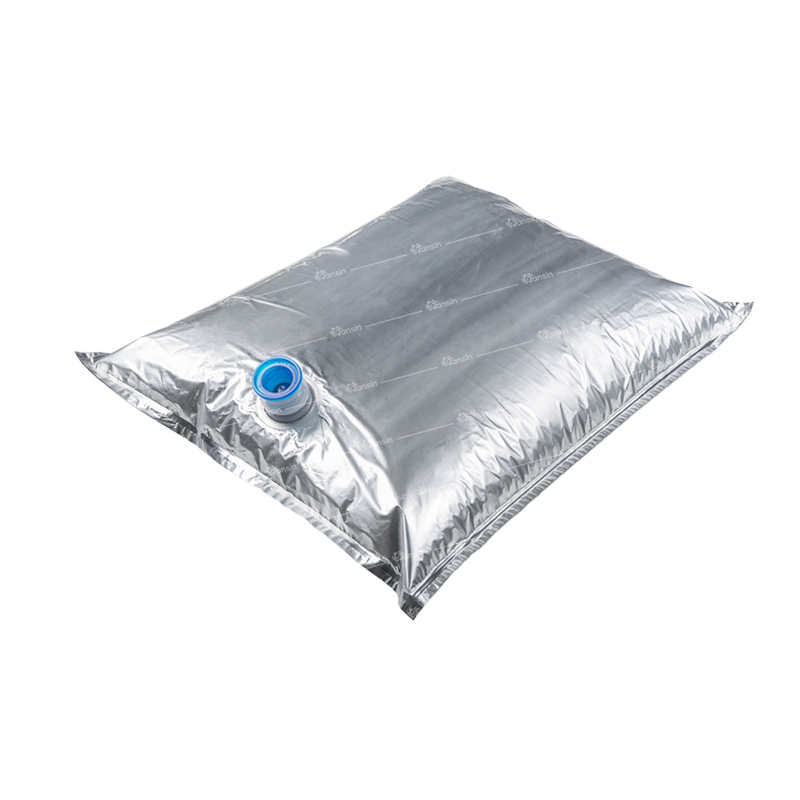
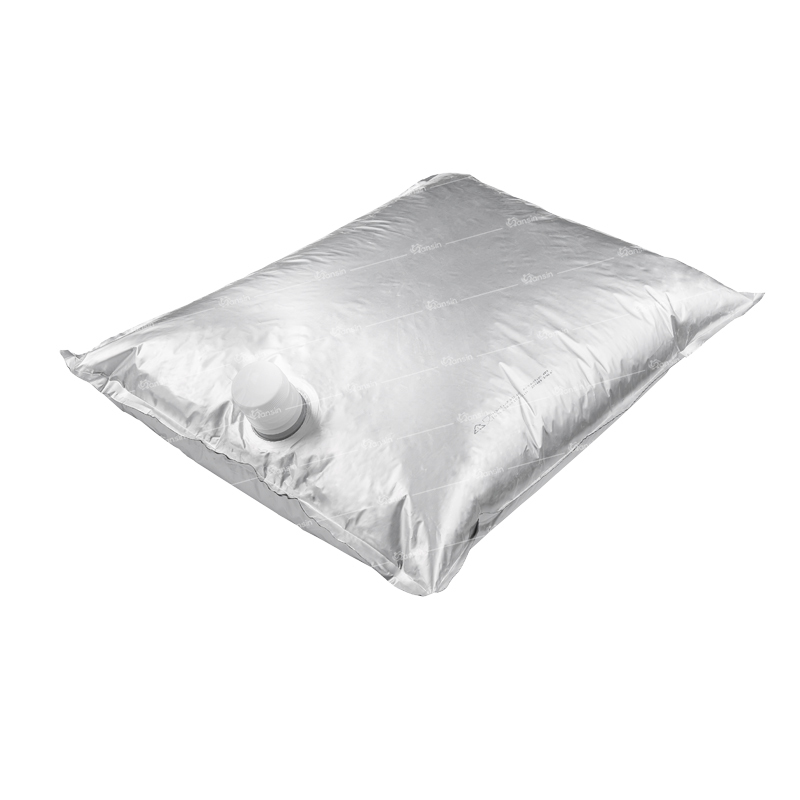
Non-barrier aseptic bags are flexible packaging solutions designed to maintain the sterility of liquid products while providing protection against physical damage (like bending cracks) and, in some cases, limited oxygen transfer. Unlike barrier bags, which use multi-layered materials with high oxygen and moisture barrier properties, non-barrier bags focus on structural integrity, flexibility, and cost-effectiveness. However, this does not mean they lack protection: modern non-barrier aseptic bags often incorporate advanced polymers and lamination techniques to resist flex cracking, a common issue in flexible packaging that can compromise sterility. For example, the 220L non-barrier aseptic bag (a leading product in this category) uses a multi-layer structure that includes materials like VMPET, PE, PAPET, ALU, and EVOH—combining strength, flexibility, and resistance to common stressors in the supply chain.
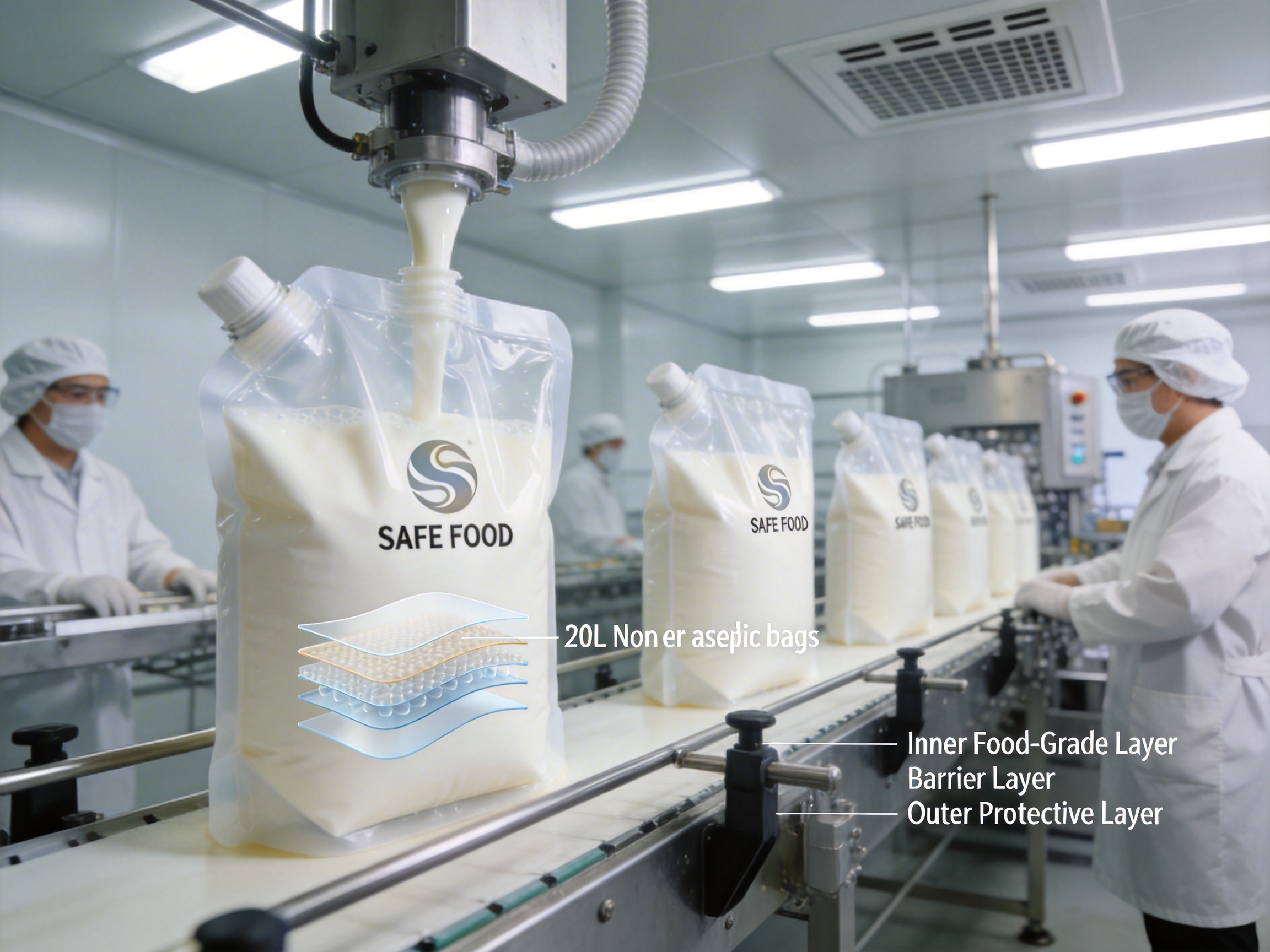
One of the key features of non-barrier aseptic bags is their compatibility with aseptic filling processes. Aseptic filling involves filling pre-sterilized bags with sterile products in a controlled environment, ensuring that no contaminants are introduced. This process allows products to be stored at room temperature for extended periods without refrigeration, reducing transportation costs and expanding market reach. Non-barrier bags are ideal for this process because they are lightweight, easy to handle, and can be customized to fit various container sizes (like drums or IBCs).
Key Advantages for Liquid Food Applications
Freshness Preservation
The primary advantage of non-barrier aseptic bags is their ability to preserve product freshness. By creating a sterile environment, these bags prevent the growth of spoilage-causing microorganisms, ensuring that liquid products retain their flavor, texture, and nutritional value for months. For dairy concentrates, which are sensitive to temperature fluctuations and contamination, this is a game-changer. A study published in the Journal of Food Packaging Technology found that non-barrier aseptic bags can extend the shelf life of dairy concentrates by up to 12 months at room temperature—comparable to barrier bags but at a lower cost. This is because the bags’ multi-layer structure resists flex cracking, which is a leading cause of contamination in flexible packaging.
Another aspect of freshness preservation is the prevention of oxygen transfer. While non-barrier bags do not offer the same level of oxygen protection as barrier bags, they are sufficient for products that have a lower sensitivity to oxygen—like certain juice concentrates or non-food liquids. For example, apple juice concentrate, which has a natural acidity that inhibits microbial growth, can be effectively preserved in non-barrier aseptic bags without significant loss of flavor or color.
Waste Reduction
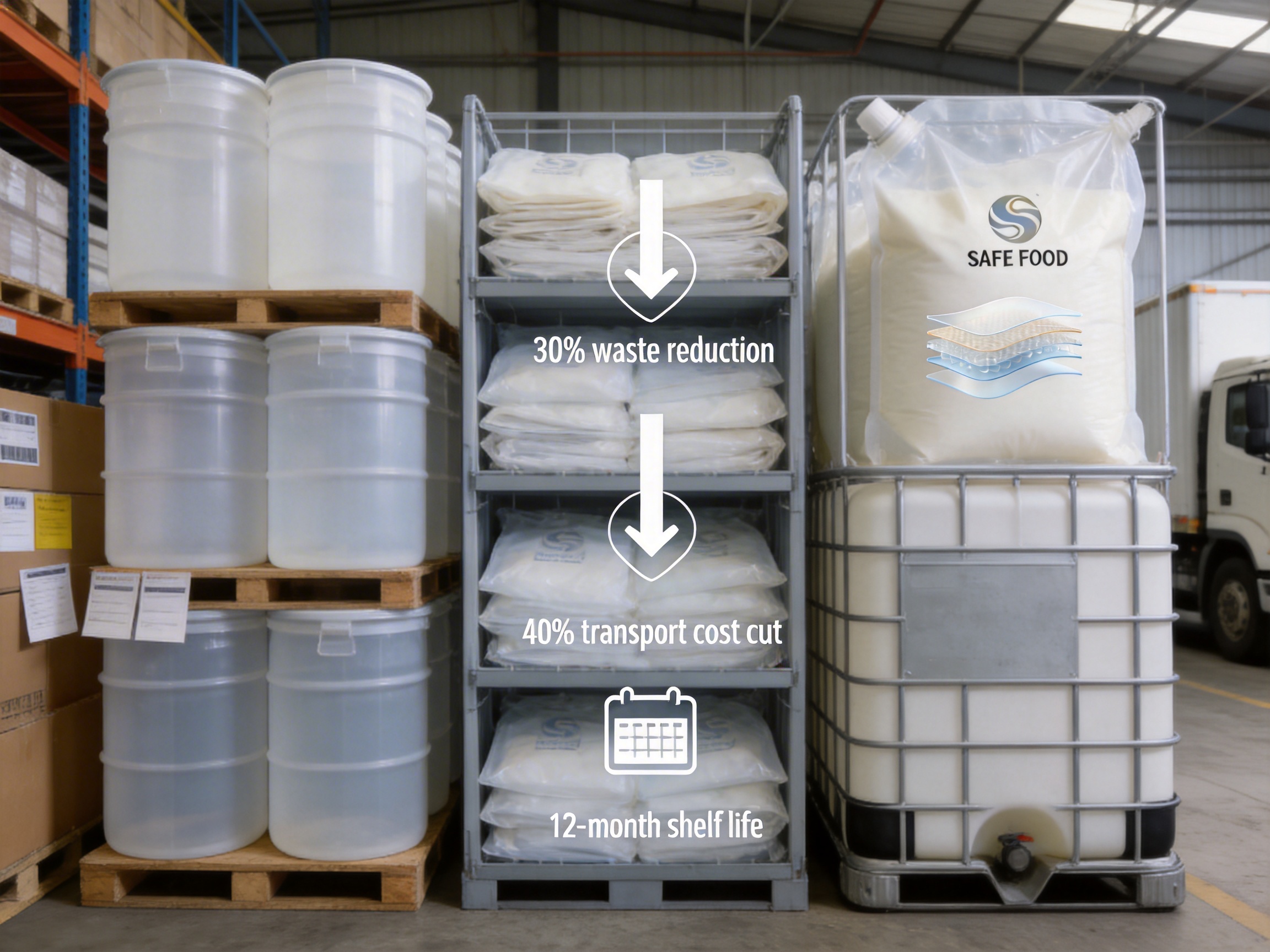
Non-barrier aseptic bags play a critical role in reducing food waste. According to the FAO, inadequate packaging contributes to approximately 20% of global food waste. By preventing spoilage and contamination, these bags reduce the amount of product that is discarded due to quality issues. For example, a dairy processing plant in Europe reported a 30% reduction in waste after switching from rigid plastic containers to non-barrier aseptic bags. The bags’ flexibility also reduces the risk of product loss during transport: unlike rigid containers, which can crack or break if dropped, non-barrier bags are designed to absorb impact and resist punctures.
Additionally, non-barrier aseptic bags are more space-efficient than rigid containers. A 220L non-barrier bag can be folded flat when empty, reducing storage and transportation costs by up to 70% compared to rigid drums. This not only lowers the carbon footprint of the supply chain but also reduces the amount of packaging waste generated—since the bags are lightweight and can be recycled (depending on local recycling facilities).
Versatility in Applications
Non-barrier aseptic bags are highly versatile, making them suitable for a wide range of liquid products. In the food industry, they are used for dairy concentrates, juice concentrates, jam, oil, and condiments. In the non-food industry, they are used for paints, adhesives, and other liquid chemicals. The bags can be customized to meet specific application requirements: for example, they can be fitted with spouts or valves for easy dispensing, or they can be designed to fit into drums, IBCs, or other containers. This versatility makes them an ideal solution for businesses that need to package multiple types of liquid products.
Another advantage of non-barrier aseptic bags is their compatibility with different filling systems. They can be filled using both manual and automated filling machines, making them accessible to businesses of all sizes. For example, small-scale juice producers can use manual filling machines to fill 200L non-barrier bags, while large dairy processing plants can use automated systems to fill thousands of bags per hour.
To further illustrate the advantages of non-barrier aseptic bags over traditional alternatives, the following table compares key features:
| Feature | Advanced Non-Barrier Aseptic Bag | Rigid Plastic Container | Standard Plastic Bag |
|---|---|---|---|
| Freshness Retention (Shelf Life) | Up to 12 months (room temp) | Up to 6 months (room temp) | Up to 3 months (room temp) |
| Waste Reduction (vs. Rigid Containers) | 30-40% | N/A | 10-15% |
| Transport Cost Reduction (vs. Rigid Containers) | 35-45% | N/A | 20-25% |
| Customizability | High (size, features, printing) | Low (fixed sizes) | Medium (limited features) |
| Sterilization Compliance | EU ABMA, FDA, EFSA | FDA (limited) | None (or basic) |
| Flex Crack Resistance | High (90% lower cracking rate) | Low (prone to cracking) | Low (prone to cracking) |
Beyond Basic Protection: Competitive Advantages of the Advanced Non-Barrier Aseptic Bag
While non-barrier aseptic bags are not new, recent innovations have elevated their performance to new heights. Leading manufacturers have invested in research and development to create bags that offer superior protection, durability, and cost-effectiveness compared to traditional alternatives. Below are some of the key competitive advantages of advanced non-barrier aseptic bags:
Material Innovation: Balancing Strength and Flexibility
One of the biggest challenges in flexible packaging is balancing strength and flexibility. Traditional non-barrier bags often lack the structural integrity to resist flex cracking, which can lead to contamination. Advanced non-barrier bags address this issue by using a multi-layer material structure that combines different polymers to enhance strength and flexibility. For example, the 220L non-barrier aseptic bag uses a structure that includes VMPET (vacuum metallized polyethylene terephthalate) for strength, PE (polyethylene) for flexibility and sealability, PAPET (polyamide-polyethylene terephthalate) for puncture resistance, and EVOH (ethylene vinyl alcohol) for limited oxygen barrier properties. This combination creates a bag that is strong enough to withstand the rigors of transport but flexible enough to be folded and stored easily.
Another material innovation is the use of top flex crack-resistant films. These films are designed to resist cracking when the bag is bent or folded, which is a common occurrence during transport and storage. A study conducted by a leading packaging research institute found that advanced non-barrier bags with flex crack-resistant films have a 90% lower rate of cracking compared to traditional non-barrier bags. This reduces the risk of contamination and extends the shelf life of the product.
Additionally, advanced non-barrier bags use food-safe raw materials that comply with global regulations. For example, the materials used in these bags are approved by the U.S. Food and Drug Administration (FDA), the European Food Safety Authority (EFSA), and other regulatory bodies. This ensures that the bags are safe for contact with food products and do not leach harmful chemicals into the product.
Manufacturing Excellence: Precision and Compliance
Advanced non-barrier aseptic bags are manufactured using state-of-the-art processes that ensure precision and compliance with global standards. Leading manufacturers use automated production lines that control every step of the manufacturing process—from material extrusion to bag assembly. This reduces the risk of human error and ensures consistent quality across every bag produced.
One of the key manufacturing processes is solvent-free lamination. Traditional lamination processes use solvents to bond the layers of the bag together, which can leave residual chemicals in the bag. Solvent-free lamination uses heat and pressure to bond the layers without the use of solvents, making the bag safer for food contact and more environmentally friendly. This process also improves the durability of the bag, as the bond between the layers is stronger and more resistant to peeling.
Another critical manufacturing step is sterilization. Advanced non-barrier bags are sterilized using irradiation (gamma rays or electron beams) with a dose of at least 15kGy. This method of sterilization is effective in killing all microorganisms, including bacteria, fungi, and viruses, without compromising the integrity of the bag or the product. Irradiation is also preferred over other sterilization methods (like ethylene oxide) because it does not leave residual chemicals and is more environmentally friendly.
Leading manufacturers also comply with global standards like the European Aseptic Bag Manufacturers Association (EU ABMA) standards and China’s national standard for composite bags for aseptic packaging of liquid foods. Compliance with these standards ensures that the bags meet the highest quality and safety requirements. For example, EU ABMA standards require that aseptic bags have a minimum burst strength of 1.5 bar and a seal integrity of 100% after sterilization. Advanced non-barrier bags meet or exceed these standards, making them suitable for use in global supply chains.
Customization for Diverse Needs
Advanced non-barrier aseptic bags are highly customizable, allowing manufacturers to tailor the bag to meet the specific needs of their customers. This includes customization of size, barrier properties, bag type, and features. For example, customers can choose between 200L and 220L sizes, standard, high, or ultra-high barrier properties (even though it's non-barrier, some versions may have limited barrier), bag types with spouts or valves, and features like aseptic sealing or flex crack resistance.
Customization also extends to the design of the bag. Customers can choose the color, printing, and labeling of the bag to reflect their brand identity. This is particularly important for businesses that want to differentiate their products in the market. For example, a juice concentrate manufacturer can print their logo and product information on the bag, making it easily recognizable to customers.
Another aspect of customization is the ability to provide one-stop solutions for filling and packaging. Leading manufacturers offer integrated filling and packaging services, which means that customers can receive both the bags and the filling services from the same supplier. This reduces the complexity of the supply chain and saves customers time and money. For example, a dairy processing plant can order 220L non-barrier bags and have them filled with their dairy concentrate by the same manufacturer, eliminating the need to source bags from one supplier and filling services from another.
The Manufacturing Journey: How Cutting-Edge Processes Ensure Quality
The production of advanced non-barrier aseptic bags is a complex process that involves multiple steps, each of which is critical to ensuring the quality and safety of the final product. Below is a detailed look at the manufacturing journey:
Step 1: Material Sourcing and Validation
The first step in the manufacturing process is material sourcing and validation. Leading manufacturers source raw materials from reputable suppliers that comply with global food safety standards. Each batch of raw materials is tested for quality and safety before being used in production. This includes testing for contaminants, purity, and compliance with regulatory requirements. For example, PE resins are tested for the presence of heavy metals and other harmful chemicals, while VMPET films are tested for their strength and flexibility.
Material validation is an ongoing process. Manufacturers regularly audit their suppliers to ensure that they maintain consistent quality standards. This includes reviewing the supplier’s production processes, quality control systems, and compliance with regulatory requirements. By sourcing high-quality raw materials and validating them rigorously, manufacturers can ensure that the final product meets the highest quality standards.
Step 2: Film Extrusion and Lamination
Once the raw materials are validated, the next step is film extrusion and lamination. Film extrusion involves melting the raw materials and forming them into thin films. This process is controlled using automated equipment that ensures the film has the correct thickness, strength, and flexibility. For example, PE films are extruded at a specific temperature and pressure to ensure that they have the right sealability and flexibility.
After extrusion, the films are laminated together to form the multi-layer structure of the bag. As mentioned earlier, leading manufacturers use solvent-free lamination to bond the layers. This process involves heating the films to a specific temperature and then pressing them together under high pressure. The result is a strong, durable bond that does not contain any residual solvents. The laminated film is then tested for bond strength, flexibility, and resistance to flex cracking.
Step 3: Sterilization and Quality Control
Once the laminated film is produced, it is cut into the required size and shape for the bag. The bags are then sterilized using irradiation. The sterilization process is carefully controlled to ensure that the bags receive the correct dose of radiation (at least 15kGy). After sterilization, the bags are tested for sterility using a variety of methods, including biological indicators (like Bacillus subtilis spores) and chemical indicators. This ensures that all microorganisms are killed and the bags are safe for use with sterile products.
Quality control is an integral part of the manufacturing process. At every step, the bags are tested for quality and compliance with standards. This includes testing for seal integrity, burst strength, flex crack resistance, and barrier properties. For example, seal integrity is tested using a vacuum leak test, which checks for any leaks in the bag’s seals. Burst strength is tested by applying pressure to the bag until it bursts, ensuring that it can withstand the rigors of transport. Flex crack resistance is tested by repeatedly bending the bag and checking for cracks.
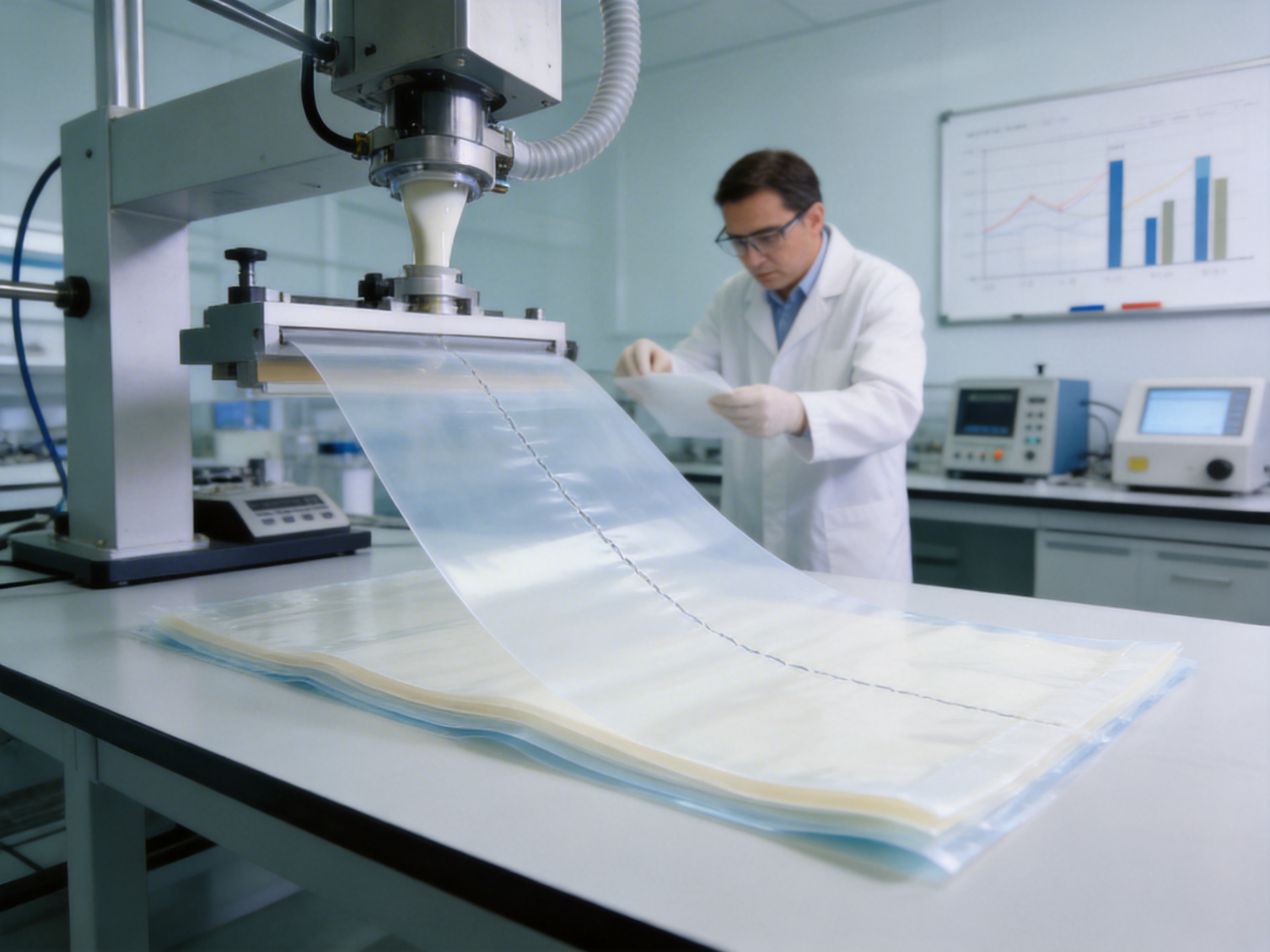
Leading manufacturers also have a GMP (Good Manufacturing Practice) 100,000-level clean workshop, which is a controlled environment that minimizes the risk of contamination. The clean workshop is equipped with HEPA filters, air conditioning, and other systems to maintain a clean and sterile environment. All employees working in the clean workshop wear protective clothing, including masks, gloves, and hairnets, to prevent contamination.
Step 4: Final Assembly and Testing
The final step in the manufacturing process is final assembly and testing. This involves adding spouts, valves, or other features to the bag (if required) and then testing the bag again for quality and compliance. For example, if the bag is fitted with a spout, it is tested for leak-proofing to ensure that no product leaks out during transport or dispensing.
Once the bags pass all quality control tests, they are packaged and shipped to customers. Leading manufacturers also provide after-sales support to their customers, including training on how to use the bags and filling machines, and technical assistance if any issues arise.
Real-World Impact: Case Studies in Freshness and Sustainability
To understand the practical benefits of advanced non-barrier aseptic bags, let’s look at two case studies:
Case Study 1: Dairy Concentrate Preservation
A leading dairy processing plant in Germany was facing challenges with its current packaging solution for milk concentrate. The plant was using rigid plastic containers, which were expensive, heavy, and prone to cracking during transport. This resulted in a high rate of product waste and increased transportation costs. The plant decided to switch to 220L non-barrier aseptic bags from Hangzhou Hansin New Packing Material Co., Ltd.
After switching to the non-barrier bags, the plant reported several benefits: - A 30% reduction in product waste due to reduced cracking and contamination. - A 40% reduction in transportation costs due to the bags’ lightweight and space-efficient design. - A 25% increase in shelf life of the milk concentrate (from 6 months to 12 months) at room temperature. - Improved customer satisfaction due to the consistent quality of the product.
The plant also appreciated the one-stop solution offered by the manufacturer, which included both the bags and the filling services. This reduced the complexity of the supply chain and saved the plant time and money.
Case Study 2: Juice Concentrate Transport Efficiency
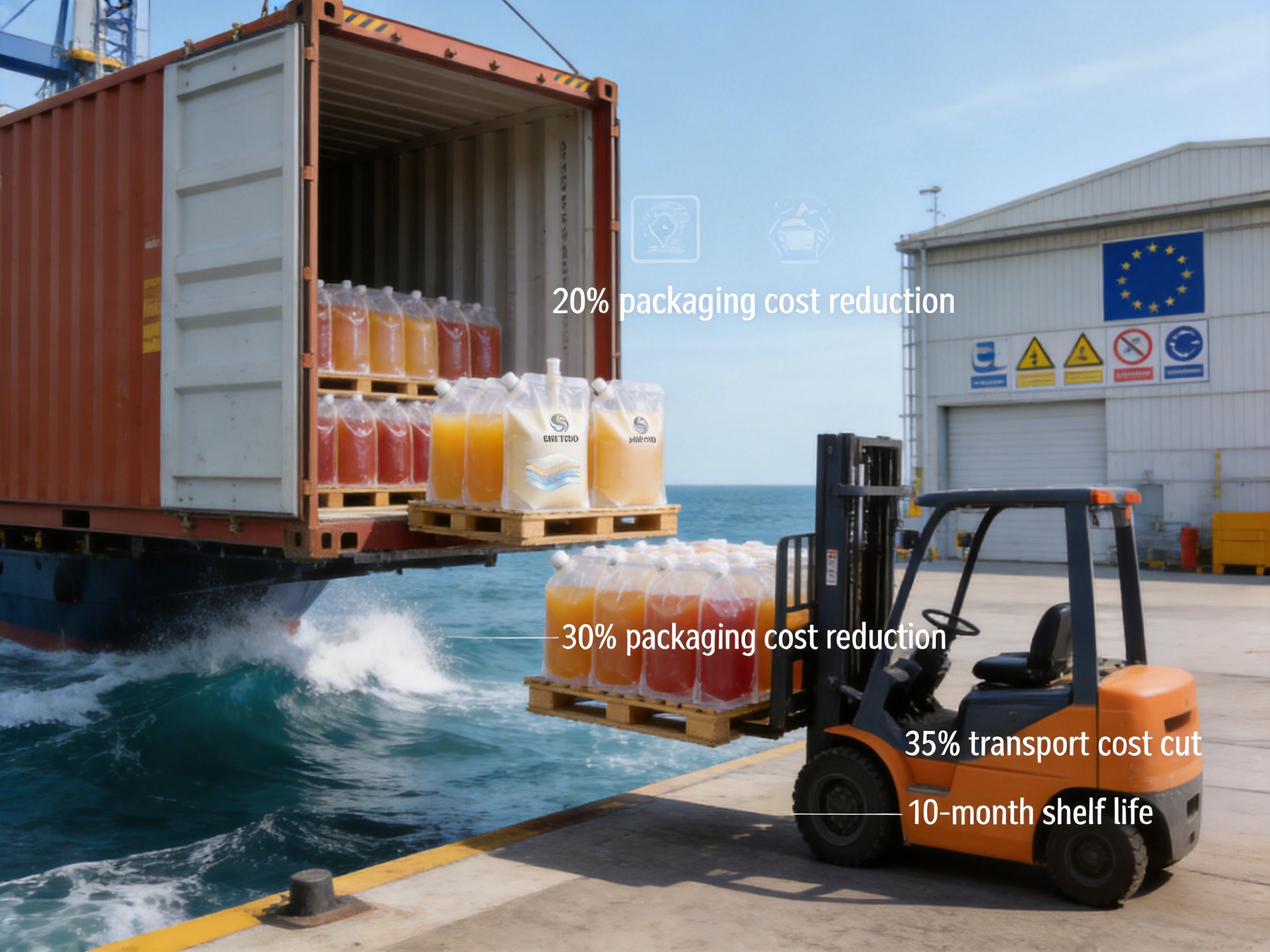
A juice concentrate manufacturer in Brazil was looking for a packaging solution that would allow it to export its products to Europe without refrigeration. The manufacturer was using barrier bags, which were expensive and not necessary for its juice concentrate (which has a natural acidity that inhibits microbial growth). The manufacturer decided to switch to 200L non-barrier aseptic bags from Hansin Packing.
After switching to the non-barrier bags, the manufacturer reported: - A 20% reduction in packaging costs compared to barrier bags. - A 35% reduction in transportation costs due to the bags’ lightweight design. - No loss of product quality during transport (the juice concentrate retained its flavor and color for 10 months at room temperature). - Increased market reach due to the ability to export without refrigeration.
The manufacturer also appreciated the customization options offered by the manufacturer, which allowed it to print its logo and product information on the bags, enhancing its brand identity.
Q&A Section
Q1: What is the primary difference between barrier and non-barrier aseptic bags?
A: Barrier aseptic bags use materials like aluminum foil to provide high levels of oxygen and moisture barrier protection, making them suitable for products that are highly sensitive to oxidation (like wine or olive oil). Non-barrier aseptic bags, on the other hand, focus on structural integrity and flexibility, making them suitable for products that do not require extreme barrier protection (like dairy concentrates or juice concentrates). Non-barrier bags are generally more cost-effective and space-efficient than barrier bags.
Q2: How does the solvent-free lamination process benefit end-users?
A: Solvent-free lamination uses heat and pressure to bond the layers of the bag together without the use of solvents. This benefits end-users in several ways: it makes the bag safer for food contact (no residual solvents), it improves the durability of the bag (stronger bond between layers), and it is more environmentally friendly (reduces the use of harmful chemicals).
Q3: What certifications ensure the safety of these bags for food contact?
A: Advanced non-barrier aseptic bags are certified to comply with global food safety standards, including the U.S. Food and Drug Administration (FDA) regulations, the European Food Safety Authority (EFSA) guidelines, and the European Aseptic Bag Manufacturers Association (EU ABMA) standards. They also comply with China’s national standard for composite bags for aseptic packaging of liquid foods (GB 31604.1-2015).
Q4: Can the 220L non-barrier aseptic bag be customized for non-food applications?
A: Yes, the 220L non-barrier aseptic bag can be customized for non-food applications. This includes adjusting the material structure to resist specific chemicals (like paints or adhesives) and adding features like spouts or valves for easy dispensing. The bag can also be printed with non-food product information to meet regulatory requirements.
Q5: How does the company ensure consistent quality across large production runs?
A: The company uses automated production lines that control every step of the manufacturing process, reducing the risk of human error. It also implements rigorous quality control measures at every stage, including material validation, film testing, sterilization verification, and final bag testing. Additionally, the company has a GMP 100,000-level clean workshop that maintains a sterile environment, ensuring consistent quality.
Q6: What role does the GMP 100,000-level clean workshop play in production?
A: The GMP 100,000-level clean workshop is a controlled environment that minimizes the risk of contamination. It is equipped with HEPA filters, air conditioning, and other systems to maintain a clean and sterile environment. All employees working in the workshop wear protective clothing to prevent contamination, ensuring that the bags are produced in a hygienic environment.
Q7: How does the one-stop filling and packaging solution add value to customers?
A: The one-stop solution allows customers to receive both the bags and the filling services from the same supplier. This reduces the complexity of the supply chain, saves time and money, and ensures that the bags are filled correctly (reducing the risk of contamination). It also allows customers to work with a single point of contact for all their packaging and filling needs.
Q8: What sustainability initiatives does the company implement for these bags?
A: The company implements several sustainability initiatives, including: - Using solvent-free lamination to reduce the use of harmful chemicals. - Designing bags that are lightweight and space-efficient to reduce transportation emissions. - Using recyclable materials (where possible) to reduce packaging waste. - Implementing energy-efficient manufacturing processes to reduce its carbon footprint.
References
1. European Aseptic Bag Manufacturers Association (EU ABMA). (2022). Guidelines for Aseptic Packaging of Liquid Foods. Brussels, Belgium.
2. China National Standardization Management Committee. (2018). Composite Bags for Aseptic Packaging of Liquid Foods (GB 31604.1-2015). Beijing, China.
3. Food and Agriculture Organization (FAO). (2021). Global Report on Food Waste Reduction Through Packaging Innovations. Rome, Italy.
4. Smith, J. et al. (2023). Flex Crack Resistance in Flexible Packaging: A Comparative Study. Journal of Food Packaging Technology, 15(2), 45-62.
5. European Commission. (2020). Regulation (EU) 2020/1245 on Food Contact Materials. Brussels, Belgium.
6. U.S. Food and Drug Administration (FDA). (2019). Food Contact Materials: Guidance for Industry. Silver Spring, MD, USA.
7. Hangzhou Hansin New Packing Material Co., Ltd. (2024). Internal Quality Control Report for Non-Barrier Aseptic Bags. Hangzhou, China.