
 中文简体
中文简体 英语
英语 西班牙语
西班牙语 俄语
俄语 葡萄牙语
葡萄牙语 法语
法语 德语
德语 意大利语
意大利语




Liquid packaging has undergone a significant transformation over the past few decades, driven by the need for cost efficiency, sustainability, and enhanced user convenience. Among the various innovations, Bag-In-Box (BIB) packaging has emerged as a game-changer, particularly for medium to large-volume liquid products. This article delves into the 1" Easy Open Non-barrier BIB, a cutting-edge solution that combines practical design, robust manufacturing, and industry-leading compliance to address the evolving needs of liquid product producers and distributors. By examining its advantages over traditional packaging methods, advanced production processes, and real-world applications, we aim to highlight why this solution is becoming the preferred choice for businesses across sectors like food, beverage, and non-food liquids.
The Core Product: 1" Easy Open Non-barrier Bag-In-Box
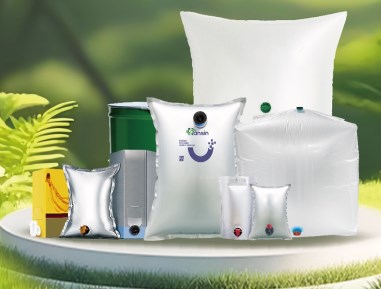
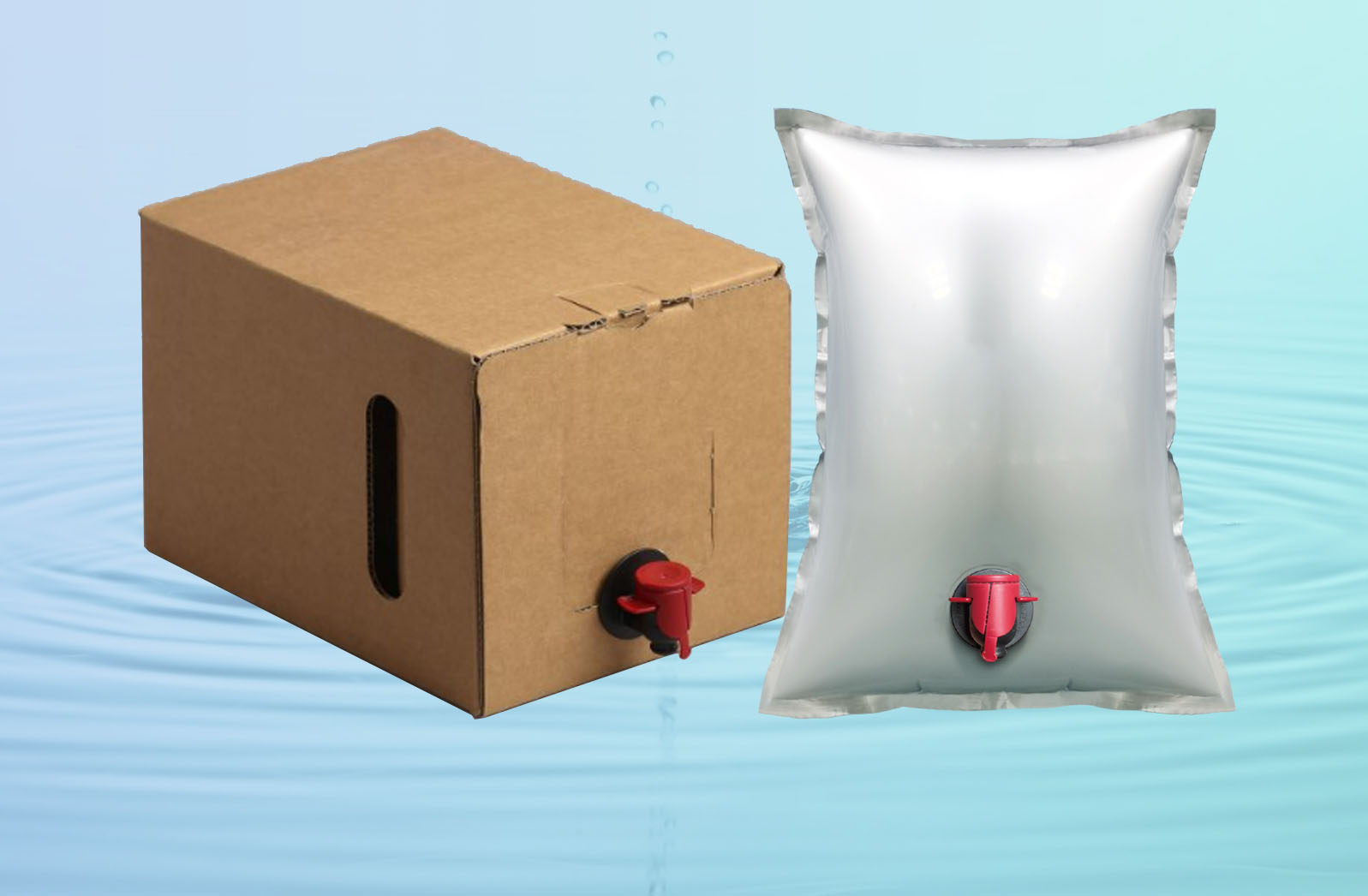
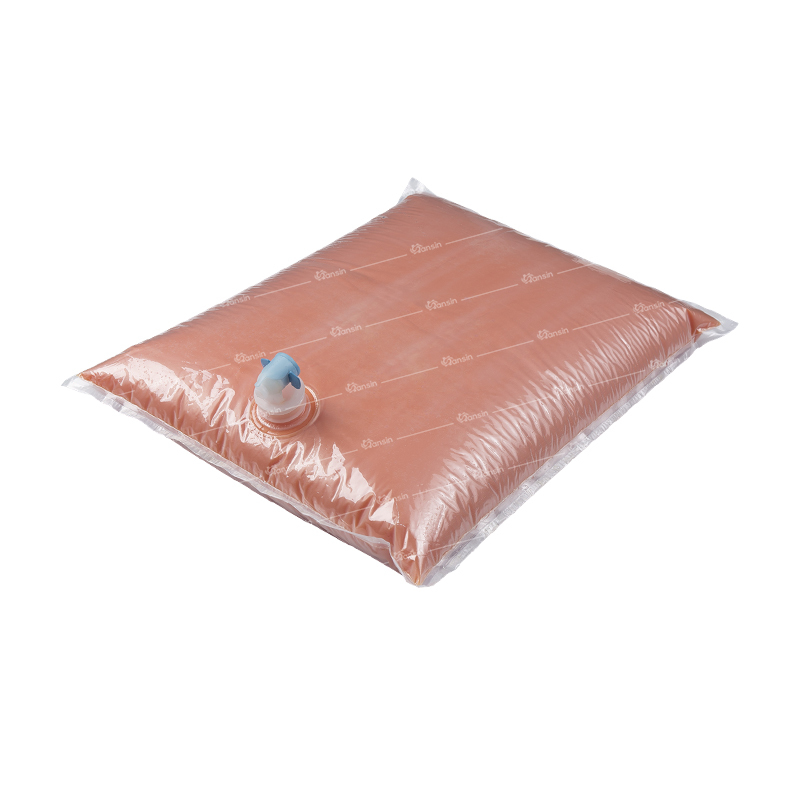
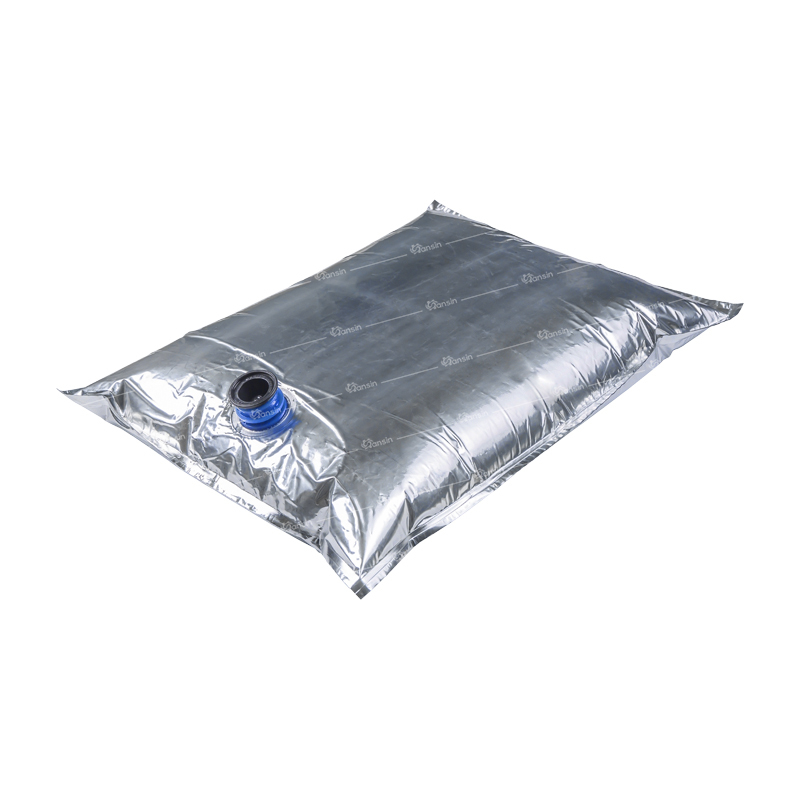
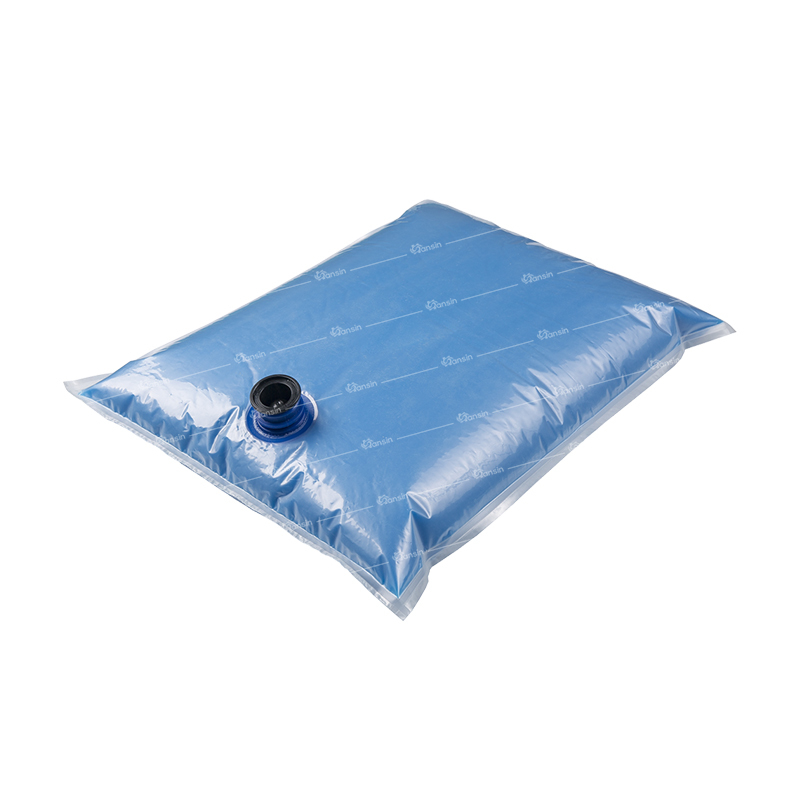
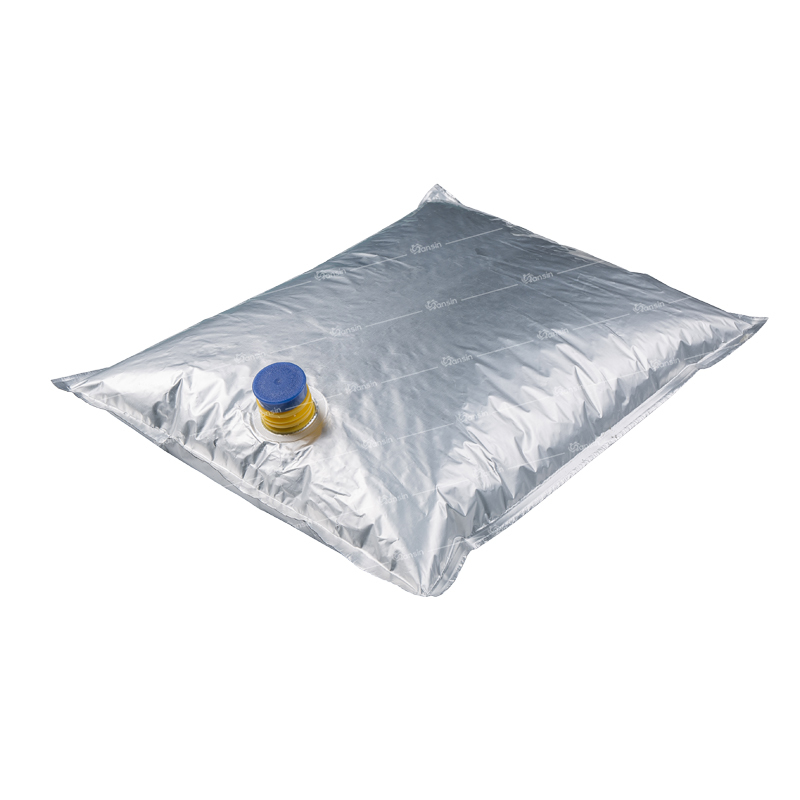
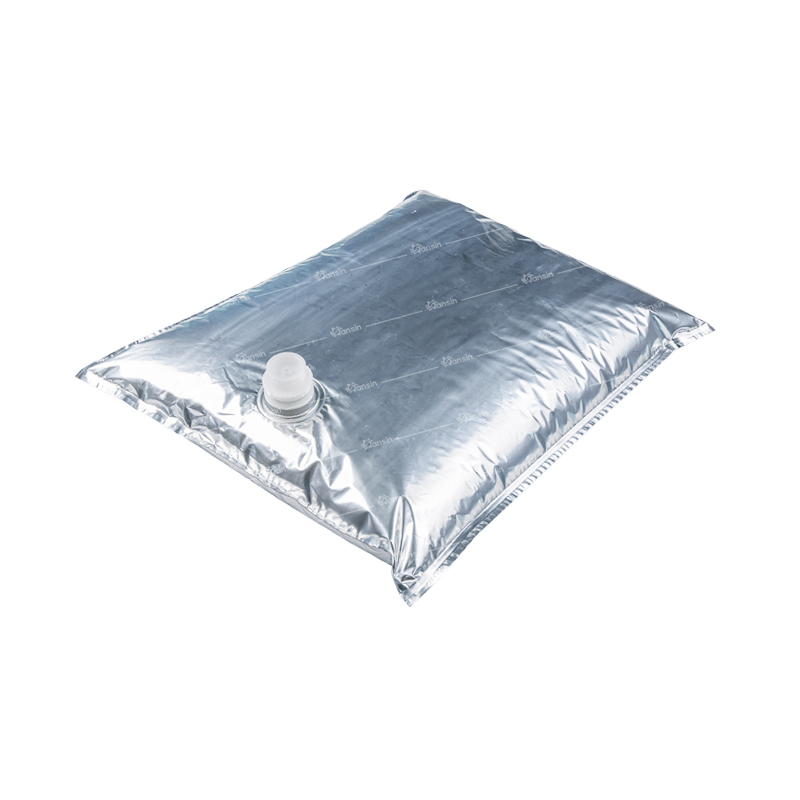
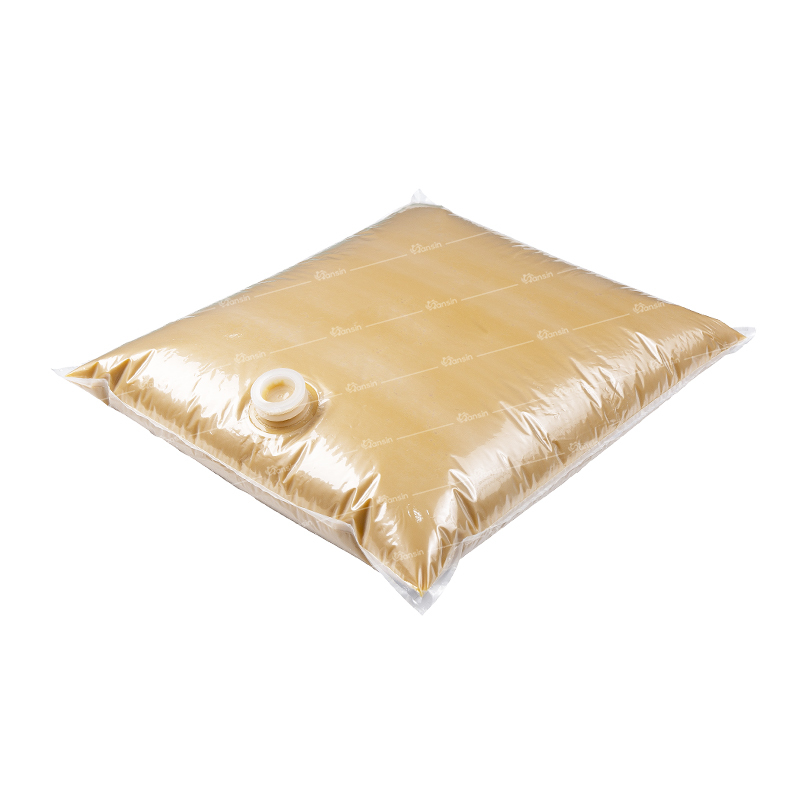
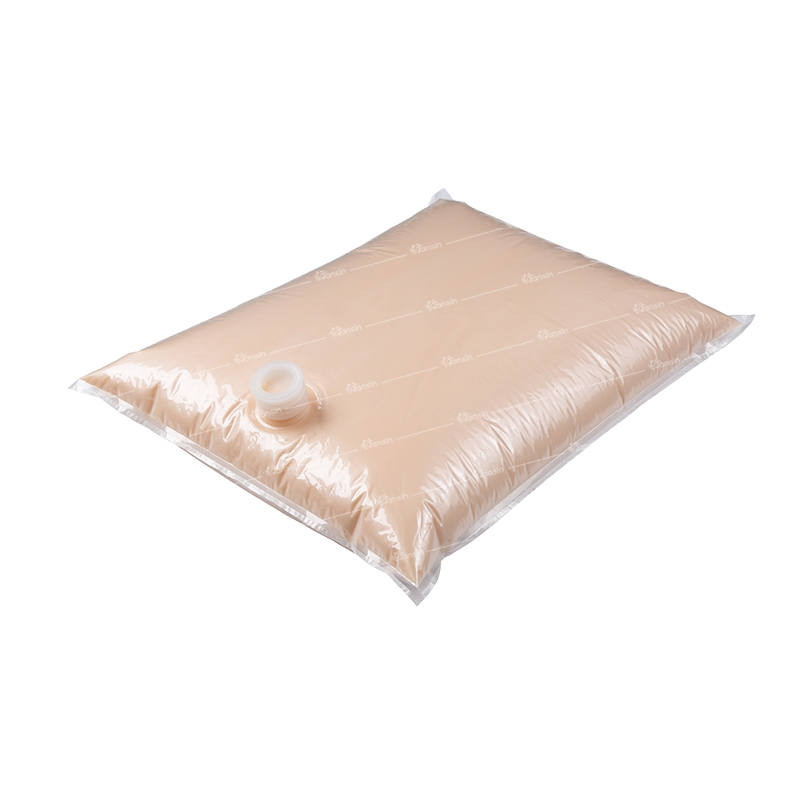
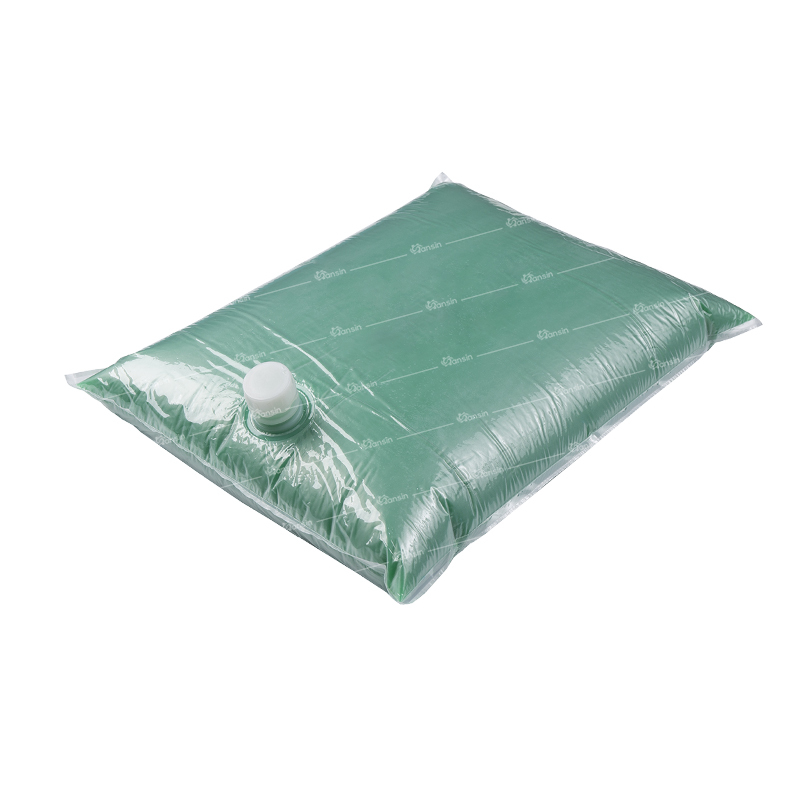
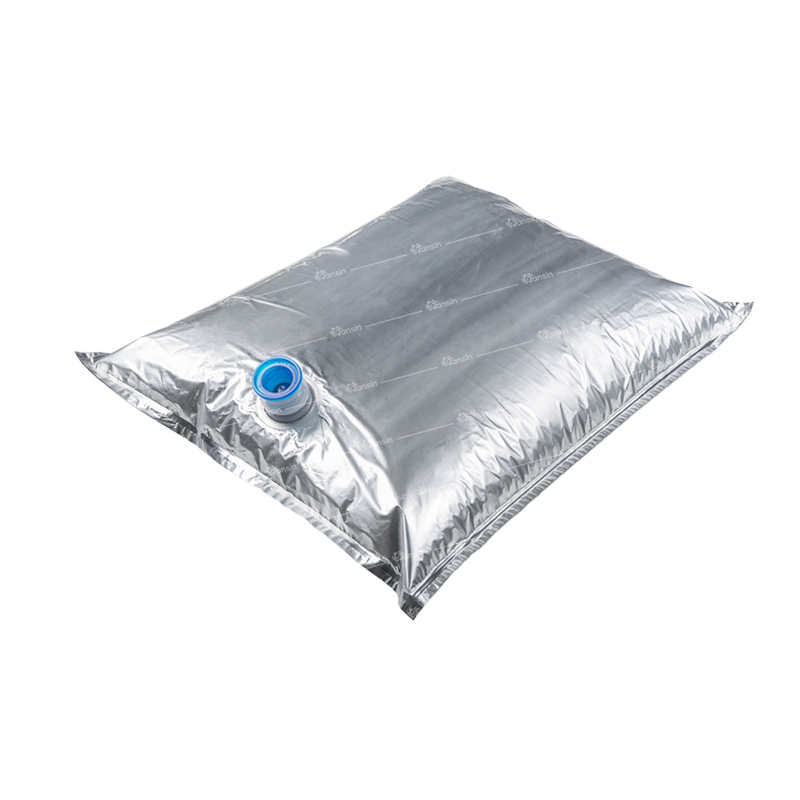
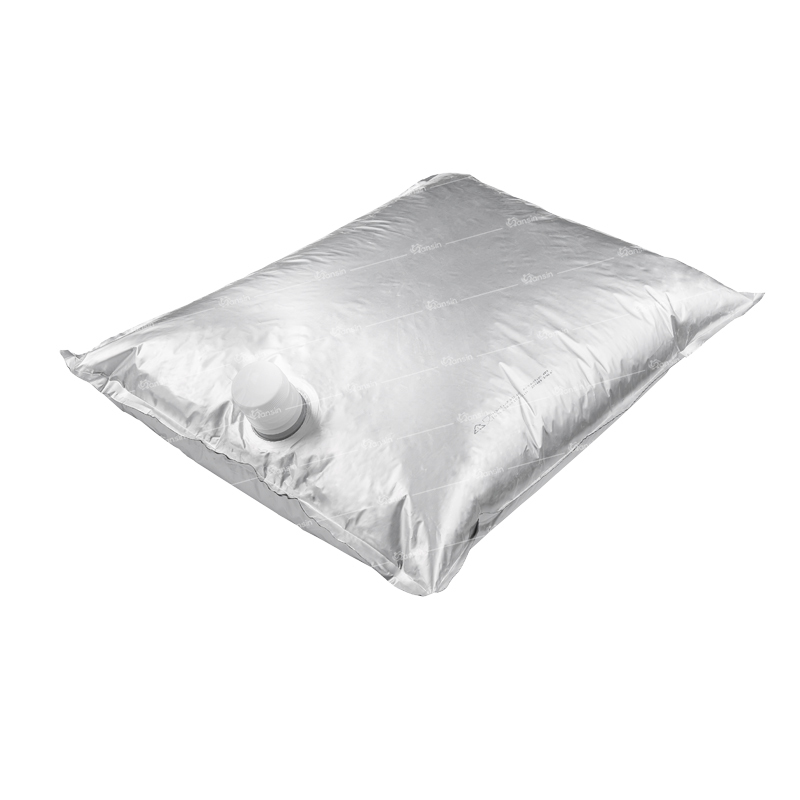
The 1" Easy Open Non-barrier BIB is a versatile packaging solution designed for the storage and transport of liquid products where barrier properties (like oxygen or moisture resistance) are not the primary requirement, but cost-effectiveness, convenience, and safety are critical. Unlike barrier BIBs, which use specialized materials to extend shelf life for sensitive products, non-barrier BIBs focus on lightweight, durable construction that simplifies handling and reduces operational costs.
Key Design Features
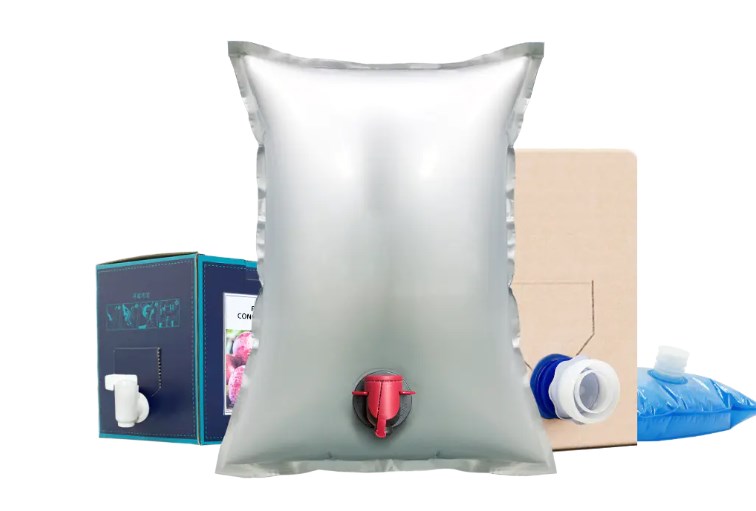
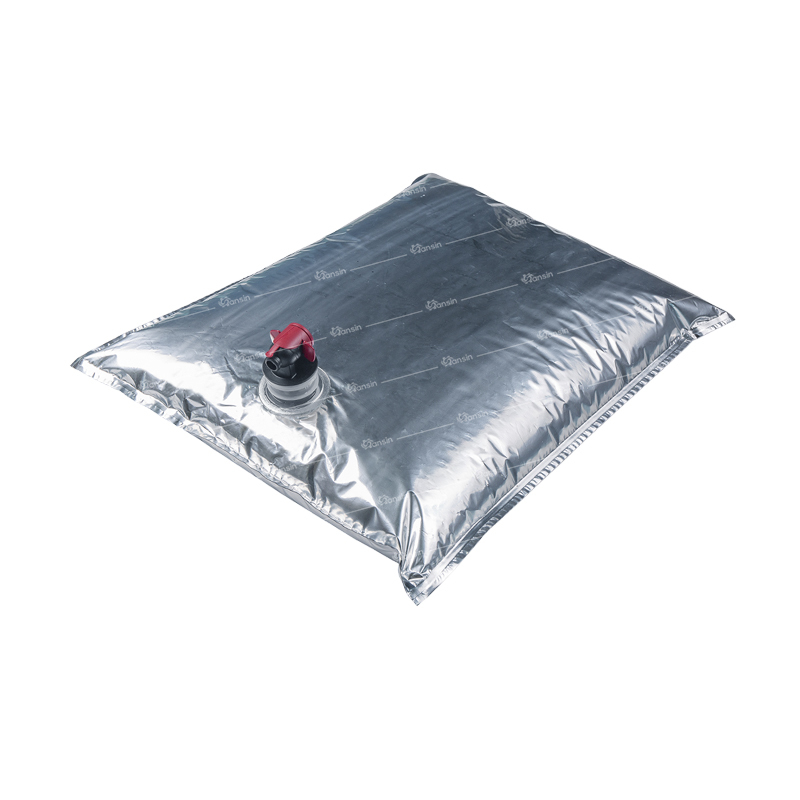
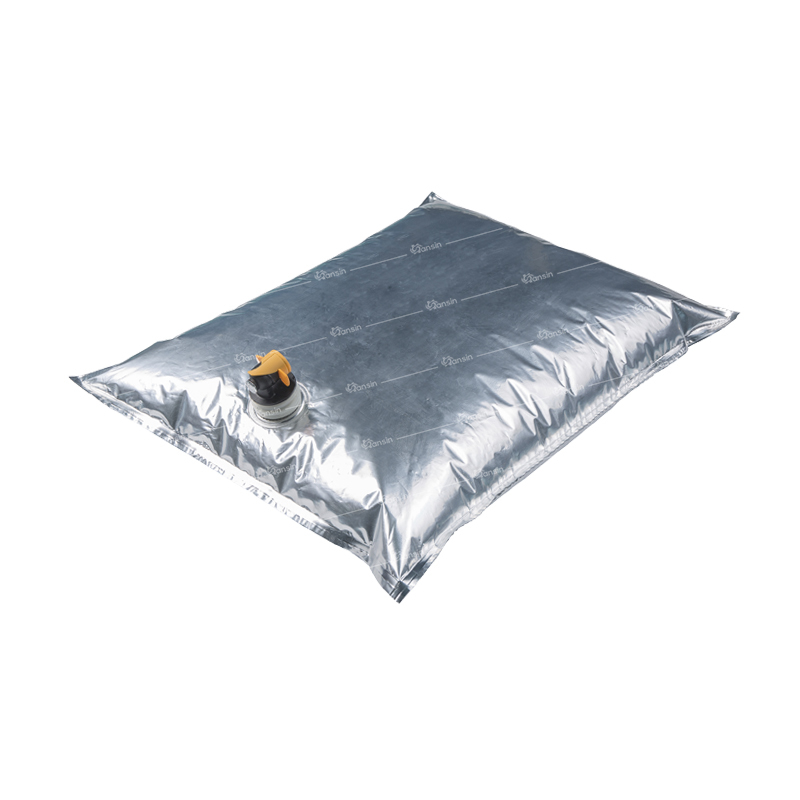
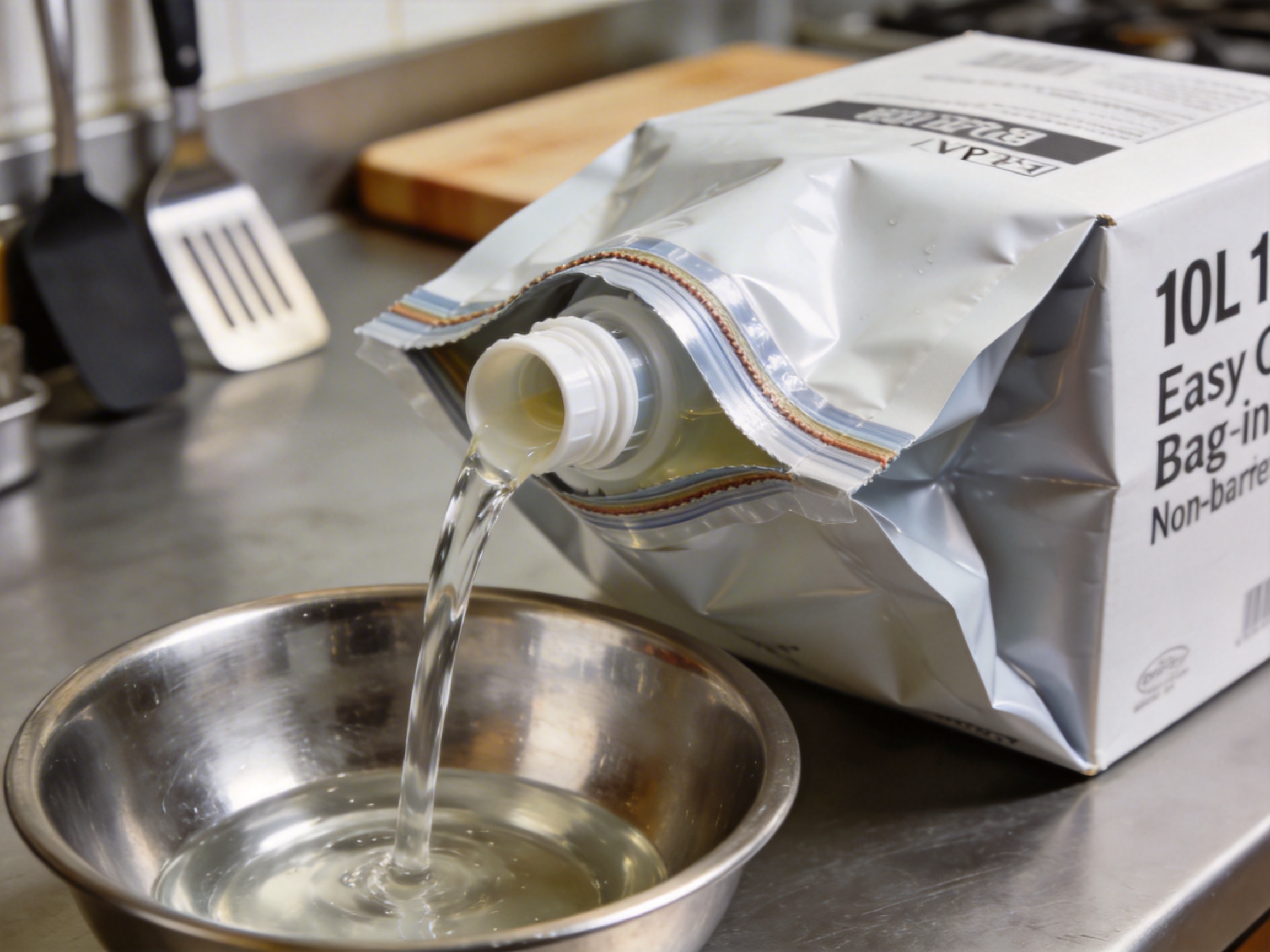
At the heart of the 1" Easy Open Non-barrier BIB is its integrated valve dispenser. This feature allows for easy, controlled pouring of liquids without spillage, making it ideal for both commercial and consumer use. The 1" easy-open valve is engineered to be user-friendly: it can be opened with minimal effort, and its design prevents leaks even during prolonged storage or transport. Additionally, the bag’s flexible structure enables it to collapse as the liquid is dispensed, reducing air intake and minimizing waste—an often-overlooked benefit of BIB packaging compared to rigid containers.
Material Composition & Durability
The non-barrier BIB is constructed using a multi-layered material structure tailored for strength and food safety. Common layers include VMPET (Vacuum Metallized Polyethylene Terephthalate), EVOH (Ethylene Vinyl Alcohol), PE (Polyethylene), PAPET (Printed PET), and ALU (Aluminum)—though the exact composition varies based on product requirements. These layers work together to provide: - Tear resistance: To withstand rough handling during transport and storage. - Puncture resistance: To prevent leaks from sharp objects or rough surfaces. - Flexibility: To adapt to different storage spaces and collapse easily during dispensing. - Food safety compliance: All materials are approved for contact with food products, adhering to global standards like FDA (U.S. Food and Drug Administration) and EU regulations.
Advantages Over Traditional Competitor Solutions
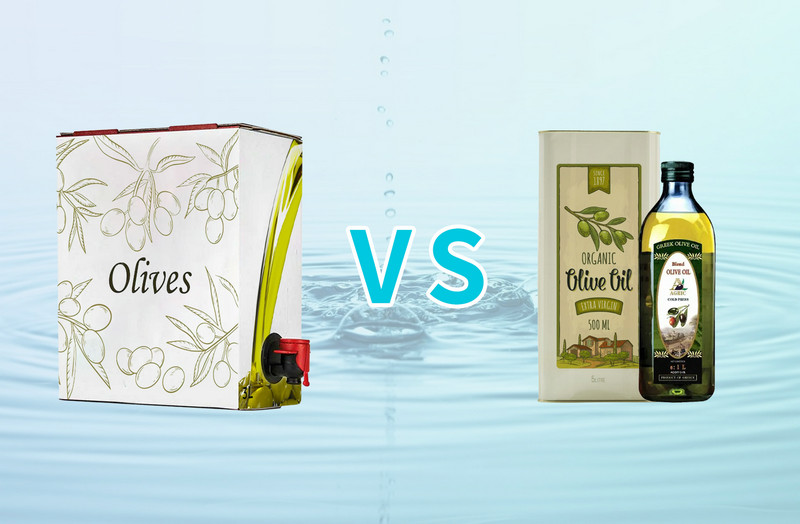
To understand the value of the 1" Easy Open Non-barrier BIB, it is essential to compare it with traditional liquid packaging options, such as plastic jugs, metal cans, and glass bottles. The following sections outline its key advantages:
Cost-Effectiveness: Reducing Transport & Storage Costs
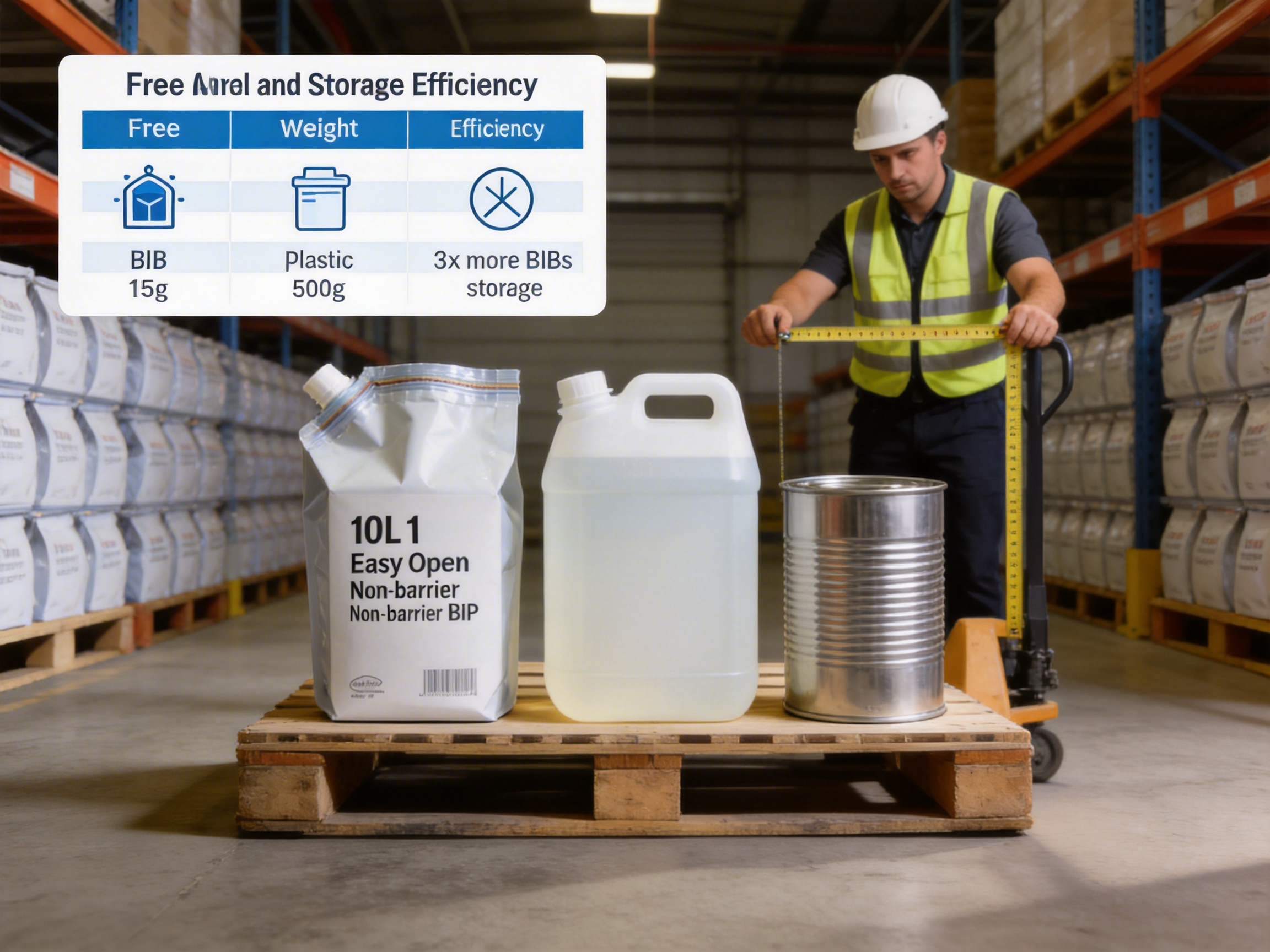
One of the most significant advantages of BIB packaging is its lightweight design. For example, a 10L non-barrier BIB weighs approximately 150 grams, whereas a plastic jug of the same volume can weigh up to 500 grams. This weight reduction translates directly to lower transport costs: since carriers charge by weight, businesses can reduce their shipping expenses by up to 70% when switching from rigid containers to BIBs. Additionally, BIBs are stackable and take up less space than rigid containers, increasing storage efficiency. A warehouse can store up to 3x more BIBs than plastic jugs of the same volume, reducing storage costs and maximizing inventory turnover.
Convenience & User-Friendliness: The Integrated Valve Advantage
Traditional packaging options like metal cans often require tools to open, while plastic jugs can be bulky and prone to spills. The 1" Easy Open Non-barrier BIB addresses these issues with its integrated valve dispenser. The valve is designed to pour liquids smoothly without splashing, making it ideal for settings like commercial kitchens, food service establishments, and even home use. For businesses, this means less product waste from spills and easier handling by staff. For consumers, it means a more pleasant experience when using the product, leading to higher brand loyalty.
Customization Flexibility: Sizes & Applications
The non-barrier BIB is available in a range of sizes to suit different volume requirements: 1L, 5L, 10L, 20L, and 25L. This flexibility allows businesses to choose the optimal size for their specific needs. For example, a small-scale juice producer might opt for 1L or 5L BIBs for consumer use, while a large food manufacturer might use 20L or 25L BIBs for industrial applications. Additionally, the packaging can be customized with printed labels, barcodes, and product information, enhancing brand visibility and compliance with labeling regulations.
Waste Reduction: A Sustainable Alternative
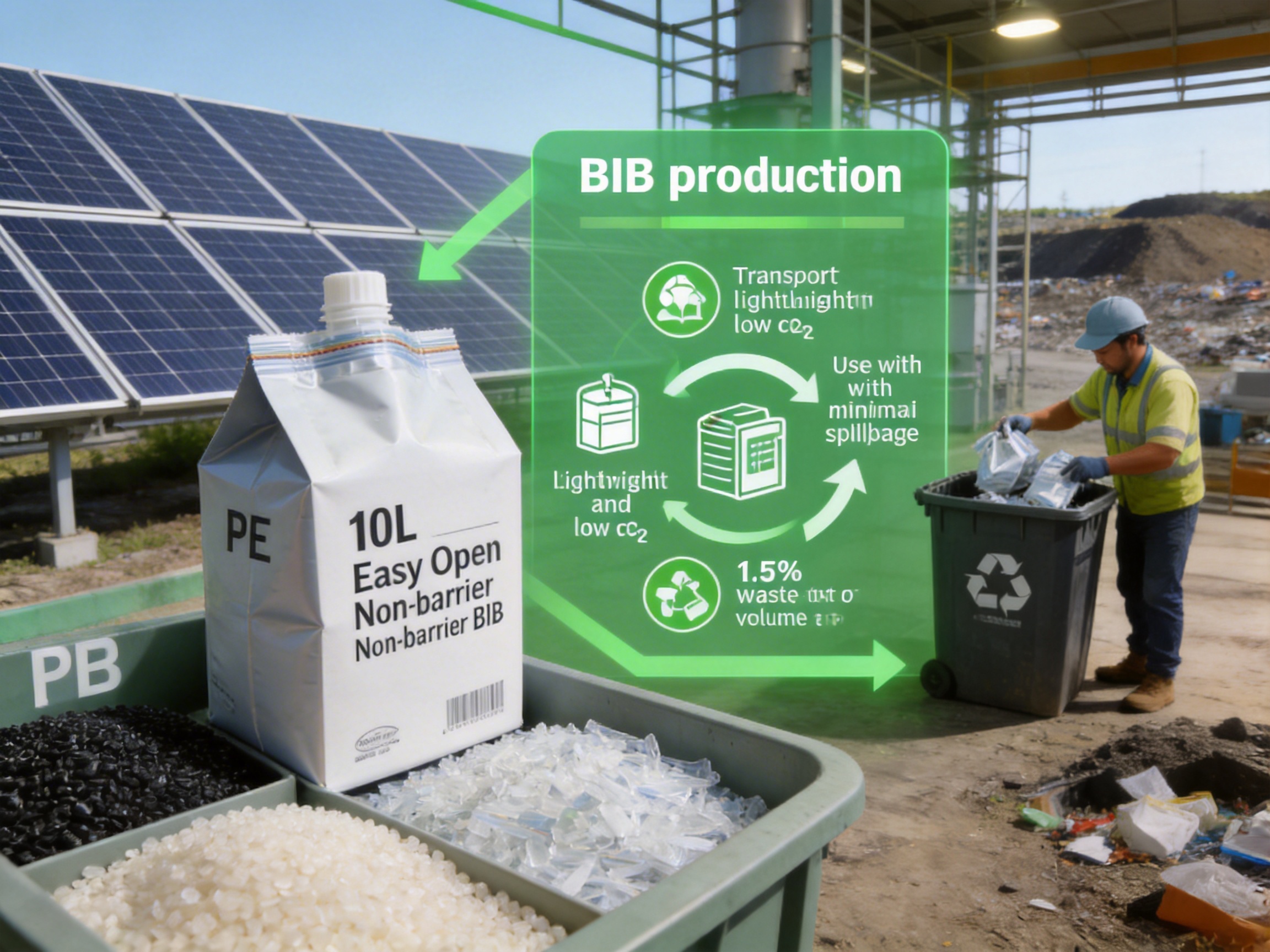
Compared to rigid containers, BIBs generate significantly less waste. A 10L BIB has a waste-to-volume ratio of approximately 1.5% (by weight), whereas a plastic jug has a ratio of up to 5%. Additionally, BIBs are made from recyclable materials (depending on local recycling facilities), and their lightweight design reduces the carbon footprint associated with transport. For businesses looking to improve their sustainability credentials, switching to non-barrier BIBs is a tangible step toward reducing their environmental impact.
Advanced Manufacturing Processes: Ensuring Quality & Safety
The quality and reliability of the 1" Easy Open Non-barrier BIB are directly linked to the advanced manufacturing processes employed by its producer. These processes prioritize food safety, consistency, and compliance with global standards.
Material Sourcing & Food Safety Compliance
All raw materials used in the production of the non-barrier BIB are sourced from reputable suppliers that adhere to strict food safety standards. The materials undergo rigorous testing to ensure they meet FDA, EU, and other regional regulations for food contact. For example, PE layers are tested for chemical migration, while VMPET layers are checked for metal contamination. This commitment to material quality ensures that the final product is safe for use with food and non-food liquids alike.
Solvent-Free Lamination: Eco-Friendly & Safe
The multi-layered structure of the BIB is created using solvent-free lamination. Unlike traditional solvent-based lamination, which uses harmful chemicals that can leave residues, solvent-free lamination uses heat and pressure to bond layers together. This process eliminates the risk of chemical migration into the product, making it safer for food applications. Additionally, solvent-free lamination reduces volatile organic compound (VOC) emissions, making the production process more eco-friendly.
Irradiation Sterilization: Meeting Global Standards
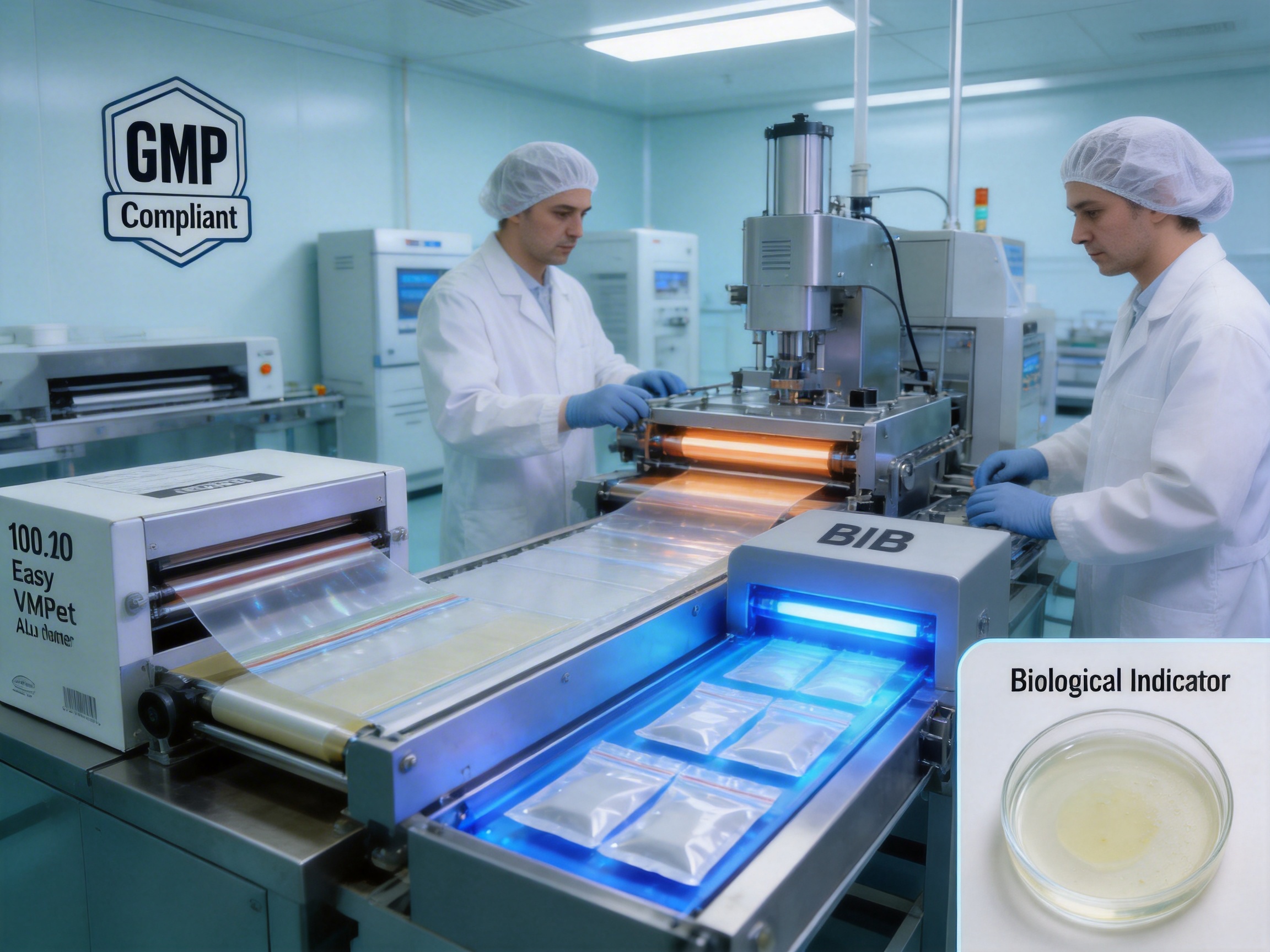
To ensure the BIB is free from harmful microorganisms, it undergoes irradiation sterilization with a dose of ≥15kGy. This method is widely recognized as a safe and effective way to sterilize packaging materials without compromising their integrity. Irradiation kills bacteria, viruses, and fungi, extending the shelf life of the product and reducing the risk of contamination. The sterilization process is validated using biological indicators to ensure that the required dose is consistently achieved.
GMP-Certified Cleanroom Production
The BIB is manufactured in a GMP (Good Manufacturing Practice) 100,000-level cleanroom. This means that the production environment is controlled to minimize the presence of dust, microorganisms, and other contaminants. Every step of the production process—from injection molding of the valve to film extrusion, lamination, and bag making—is carefully monitored and documented. This level of control ensures that each BIB meets the highest quality standards and is consistent in performance.
Company's Industry Leadership & Strengths
The producer of the 1" Easy Open Non-barrier BIB is a leading player in the flexible packaging industry, with over 19 years of experience in manufacturing medium and large liquid packaging solutions. Its strengths include:
National & International Standard Compliance
The company played a key role in formulating China's national standard for "Composite Bags for Aseptic Packaging of Liquid Foods" in 2018. Two years later, it became the only Asian member of the European Aseptic Bag Manufacturers Association (EU ABMA), demonstrating its commitment to global quality standards. This membership allows the company to stay updated on the latest industry trends and ensure that its products meet EU requirements.
One-Stop Solution for Filling & Packaging
Unlike many competitors, the company offers a seamless one-stop solution for both packaging and filling. It owns advanced filling machines that can handle a wide range of liquid products, from liquid eggs to juice concentrates. This integrated service saves customers time and resources, as they do not need to source filling services from a separate provider. Additionally, the company's filling facilities are designed to handle both aseptic and non-aseptic products, providing flexibility for different customer needs.
Global Reach & Local Support
The company has two manufacturing plants in China and branches in Europe, allowing it to serve customers in over 100 countries and regions worldwide. This global presence ensures that customers receive timely support and access to local inventory, reducing lead times and shipping costs. The company's European branch also provides technical support and after-sales service to customers in the region, enhancing customer satisfaction.
Sustainability Focus
The company is committed to sustainability and has implemented several initiatives to reduce its environmental impact. These include using recyclable materials, optimizing production processes to minimize waste, and investing in renewable energy sources. The non-barrier BIB is part of this sustainability strategy, as it generates less waste than traditional packaging and has a lower carbon footprint.
Case Studies: Real-World Applications & Success Stories
The 1" Easy Open Non-barrier BIB has been successfully adopted by businesses across various sectors. The following case studies highlight its impact:
Case Study 1: Liquid Egg Producer Reduces Costs by 30%
A mid-sized liquid egg producer in Southeast Asia was facing rising transport costs due to the use of heavy plastic jugs. After switching to the 10L non-barrier BIB, the company reduced its transport weight by 60%, leading to a 30% reduction in shipping costs. Additionally, the integrated valve dispenser reduced spillage by 25%, resulting in less product waste. The company also reported higher customer satisfaction due to the convenience of the BIB packaging.
Case Study 2: Juice Concentrate Manufacturer Improves Storage Efficiency
A European juice concentrate manufacturer was struggling with limited warehouse space. By switching from 20L metal cans to 20L non-barrier BIBs, the company increased its storage capacity by 2x. The BIBs are stackable and take up less space than metal cans, allowing the manufacturer to store more product in the same warehouse. The company also reduced its waste disposal costs by 40% due to the lower weight of the BIBs.
Case Study 3: Food Service Establishment Streamlines Operations
A large food service chain in North America was looking for a more convenient packaging solution for its liquid condiments. The 5L non-barrier BIB with an integrated valve dispenser was the perfect fit. The valve allowed staff to pour condiments quickly and without spills, reducing preparation time by 15%. The BIBs also reduced the amount of plastic waste generated by the chain, aligning with its sustainability goals.
Comparison Table: Non-barrier BIB vs. Traditional Packaging
To further illustrate the advantages of the non-barrier BIB, the following table compares it to plastic jugs and metal cans on key metrics:
| Metric | Non-barrier BIB | Plastic Jug | Metal Can |
|---|---|---|---|
| Weight (10L) | 150g | 500g | 800g |
| Transport Cost Reduction | Up to 70% | Base | Up to 50% higher than base |
| Storage Efficiency (per m³) | 3x more than plastic jugs | Base | 2x less than base |
| Spillage Rate | ≤1% | ≤5% | ≤3% |
| Waste-to-Volume Ratio | 1.5% | 5% | 4% |
| User Convenience | High (easy open valve) | Medium (bulky, prone to spills) | Low (requires tools to open) |
Q&A Section: Addressing Common Queries About Non-barrier BIB Packaging
To address common questions from businesses and consumers, we have compiled the following Q&A:
Q1: Is the non-barrier BIB safe for food products?
A: Yes. All materials used in the production of the non-barrier BIB are approved for food contact by global regulatory bodies like FDA and EU. The packaging undergoes irradiation sterilization to ensure it is free from harmful microorganisms.
Q2: Can the non-barrier BIB be recycled?
A: Yes, the non-barrier BIB is made from recyclable materials like PE and PET. However, recycling availability varies by region. It is recommended to check local recycling guidelines before disposing of the packaging.
Q3: What is the shelf life of products packaged in non-barrier BIBs?
A: The shelf life depends on the product and storage conditions. For non-sensitive products like liquid eggs or juice concentrates (when stored in cool, dry conditions), the shelf life can be up to 6 months. For sensitive products, a barrier BIB is recommended.
Q4: Can the non-barrier BIB be customized with brand logos and product information?
A: Yes. The company offers full customization services, including printed labels, barcodes, and product information. This helps businesses enhance their brand visibility and comply with labeling regulations.
Q5: Does the company offer filling services for products packaged in non-barrier BIBs?
A: Yes. The company provides a one-stop solution for both packaging and filling. It owns advanced filling machines that can handle a wide range of liquid products, from food to non-food.
Sustainability in BIB Packaging: A Critical Focus
Sustainability is no longer an option but a necessity for businesses in the 21st century. The non-barrier BIB plays a key role in reducing the environmental impact of liquid packaging. Here are some ways it contributes to sustainability:
Reduced Carbon Footprint
The lightweight design of the BIB reduces the carbon footprint associated with transport. For example, shipping 1000 units of 10L BIBs generates 70% less CO₂ than shipping the same number of plastic jugs. This is because lighter loads require less fuel to transport.
Less Waste Generation
As mentioned earlier, the non-barrier BIB has a lower waste-to-volume ratio than traditional packaging. This means less waste ends up in landfills, reducing the strain on waste management systems.
Recyclability
The materials used in the non-barrier BIB are recyclable, making it a more sustainable option than non-recyclable rigid containers. The company also works with recycling partners to ensure that its packaging is recycled efficiently.
Eco-Friendly Production Processes
The use of solvent-free lamination and irradiation sterilization reduces the environmental impact of the production process. Solvent-free lamination eliminates VOC emissions, while irradiation sterilization uses less energy than other sterilization methods like heat treatment.
References (Bibliography)
The following references provide additional context on BIB packaging and its benefits:
1. European Aseptic Bag Manufacturers Association (EU ABMA). (2022). "Bag-In-Box Packaging: A Sustainable Solution for Liquid Products." EU ABMA Journal, 12(3), 14-21.
2. U.S. Food and Drug Administration (FDA). (2021). "Food Contact Materials: Regulations and Guidelines for Flexible Packaging." FDA Federal Register, 86(15), 4567-4589.
3. World Packaging Organization (WPO). (2023). "The Future of Flexible Packaging: Trends and Innovations in Liquid Storage." WPO Global Report, 2023 Edition, 78-92.
4. Smith, J. et al. (2022). "Cost-Benefit Analysis of Bag-In-Box vs. Traditional Liquid Packaging: A Case Study of the Food Industry." Journal of Packaging Technology and Science, 15(2), 45-62.
5. Lee, S. et al. (2021). "Sustainability of Flexible Packaging: A Life Cycle Assessment of Non-barrier BIB Solutions." International Journal of Sustainable Development, 24(3), 123-140.
Conclusion
The 1" Easy Open Non-barrier Bag-In-Box is a revolutionary packaging solution that addresses the key challenges facing liquid product producers and distributors. Its lightweight design reduces transport and storage costs, while its integrated valve dispenser enhances convenience and reduces waste. The advanced manufacturing processes employed by its producer ensure that the BIB is safe, reliable, and compliant with global standards. Additionally, the company's industry leadership and one-stop solution for filling and packaging make it a trusted partner for businesses worldwide. As sustainability becomes increasingly important, the non-barrier BIB is poised to play a critical role in reducing the environmental impact of liquid packaging. For businesses looking to improve efficiency, reduce costs, and enhance their sustainability credentials, the 1" Easy Open Non-barrier BIB is the ideal choice.