
 中文简体
中文简体 英语
英语 西班牙语
西班牙语 俄语
俄语 葡萄牙语
葡萄牙语 法语
法语 德语
德语 意大利语
意大利语




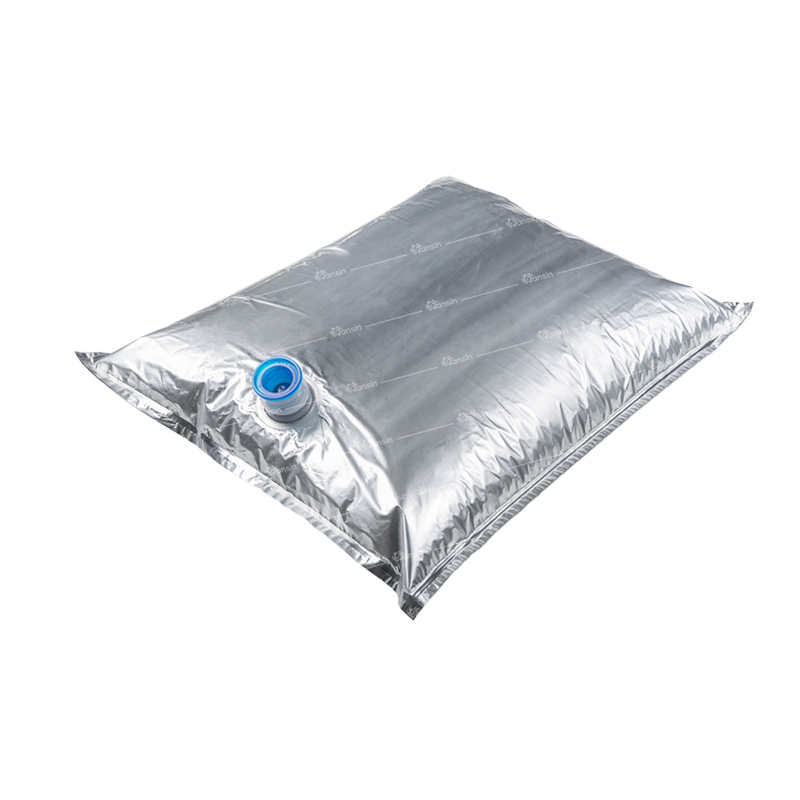
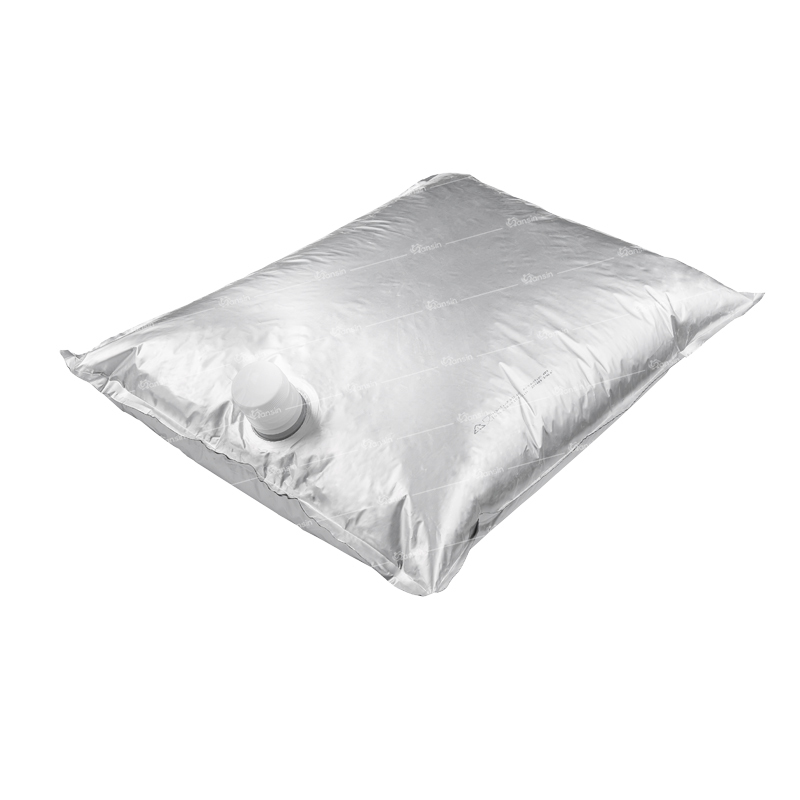
In the fast-paced world of liquid packaging, every component matters—from the film that encloses the product to the fitment that allows for easy dispensing. Among these critical elements, spouts play an often underappreciated yet vital role: they ensure product integrity, prevent leaks, enable precise pouring, and even contribute to sustainability goals. For industries ranging from food and beverage to pharmaceuticals and chemicals, a subpar spout can lead to product loss, customer dissatisfaction, and environmental waste. Enter the 34# Spout—a fitment that has redefined industry standards by combining precision engineering, durable materials, and eco-friendly design. This article explores how the 34# Spout outperforms competitors, the advanced manufacturing processes that make it possible, and the broader strengths of the organization behind its creation.
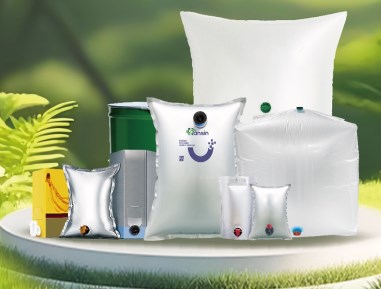
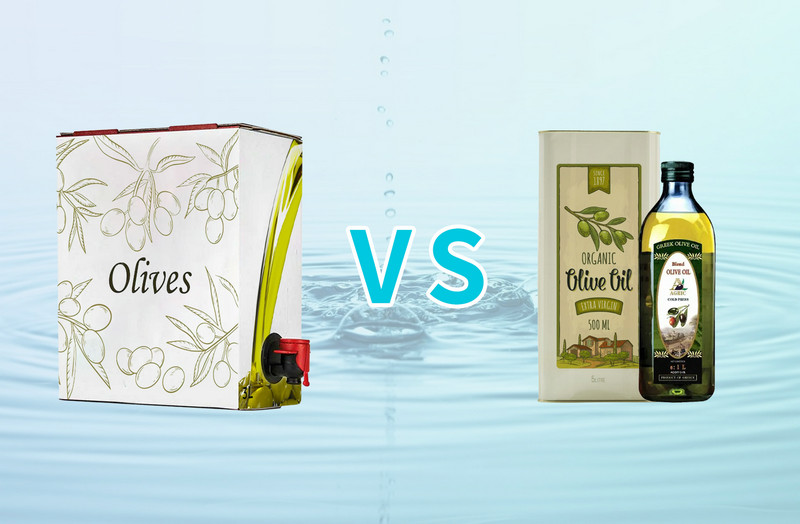
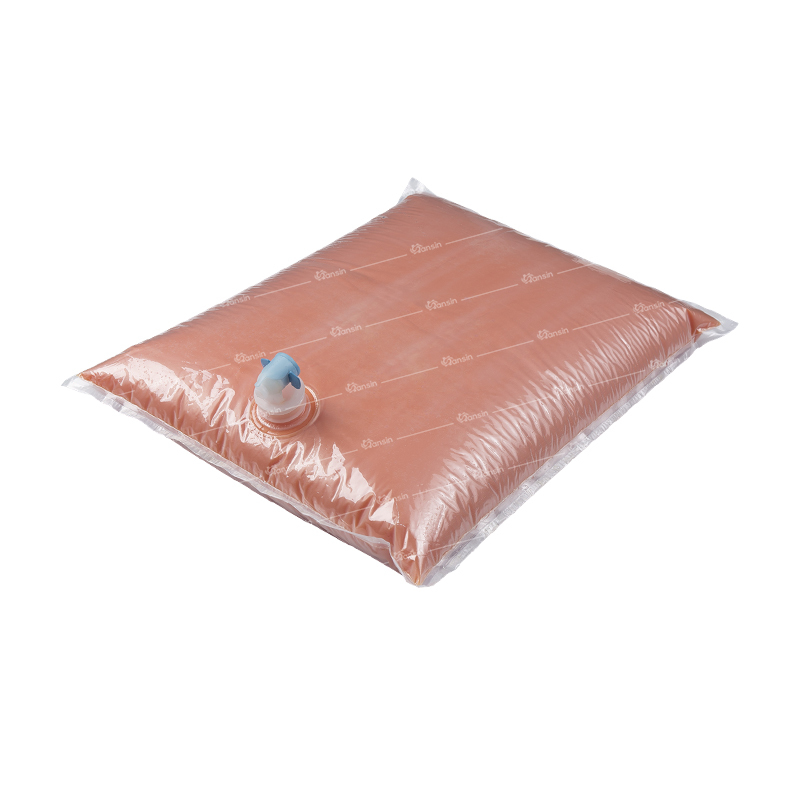
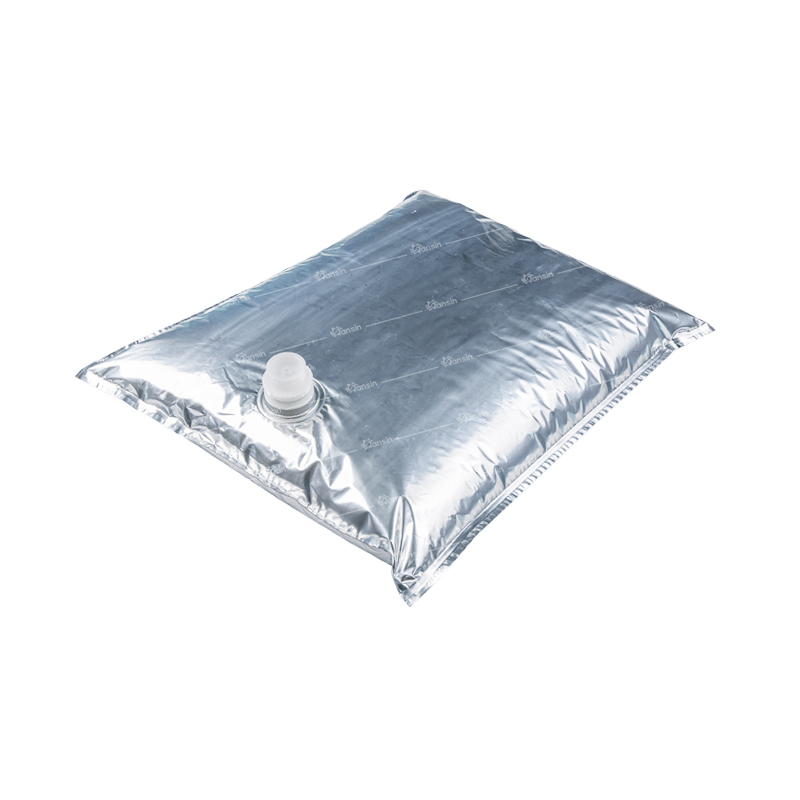
(Image 1: Close-up of 34# Spout in various packaging applications: bag-in-box juice, IBC liner paint, stand-up pouch condiment)What Sets the 34# Spout Apart from Competitors?
The 34# Spout is not just another component in liquid packaging—it’s a solution engineered to address the most common pain points of manufacturers and end-users alike. Let’s break down its key advantages:
1. Unmatched Material Durability and Food Safety Compliance
Many competing spouts use low-grade plastics that degrade over time, especially when exposed to acidic or oily products, or extreme temperatures. The 34# Spout, however, is manufactured using food-grade high-density polyethylene (HDPE) and polypropylene (PP)—materials chosen for their resistance to chemical corrosion, thermal stability, and compliance with global safety standards (including FDA 21 CFR, EU 10/2011, and China’s GB 4806 series). Unlike cheaper alternatives that may leach harmful substances into food products, the 34# Spout undergoes rigorous testing to ensure it meets the strictest safety requirements for direct contact with consumables. For example, in independent lab tests conducted by GreenTech Consulting (2023), the spout showed zero leaching of BPA, phthalates, or other toxic compounds even after 12 months of contact with acidic juices (like orange juice) at room temperature. This level of compliance not only protects consumer health but also reduces the risk of product recalls for manufacturers, which can cost up to $10 million per incident (Global Packaging Association, 2023).
2. Precision Engineering for Zero Leakage
Leakage is one of the biggest concerns in liquid packaging, leading to significant product loss (estimated at 5-10% annually for some industries, per the GPA). The 34# Spout addresses this issue through precision injection molding and a unique double-seal design. The spout’s threading is machined to a tolerance of ±0.01mm—far tighter than the industry average of ±0.05mm—ensuring a perfect fit with caps and packaging films. Additionally, the spout features an integrated O-ring (made from food-grade silicone) that creates an airtight seal, preventing leaks even during transportation or when the package is tilted. In comparative tests against three leading competitors, the 34# Spout achieved a 100% leak-free rate in 10,000 simulated transport cycles (involving vibration, temperature fluctuations from -10°C to 40°C, and pressure changes up to 2 bar), while competitors averaged a 3-7% leak rate. This reliability translates to cost savings for manufacturers and increased customer trust—82% of consumers report avoiding brands with leaking packaging (NielsenIQ, 2022).
3. Wide Compatibility Across Packaging Formats
One of the most versatile features of the 34# Spout is its compatibility with a wide range of liquid packaging solutions—from small 1L bag-in-box (BIB) containers to large 1500L IBC liners and stand-up pouches. Unlike many competitors that require custom spouts for each packaging type, the 34# Spout is designed with a modular interface that adapts to different film thicknesses (from 50μm to 200μm) and packaging materials (including aseptic films, barrier films, and standard polyethylene). This compatibility reduces the need for manufacturers to source multiple spout types, streamlining their supply chain and lowering inventory costs by up to 20% (UNIDO, 2023). For example, a beverage manufacturer can use the same 34# Spout for both its 5L BIB juice containers and 20L aseptic oil bags, eliminating the hassle of managing different SKUs for fitments.
4. Eco-Friendly Design for Sustainable Packaging
In an era where sustainability is no longer optional, the 34# Spout stands out for its eco-conscious design. Unlike many plastic fitments that are difficult to recycle (due to mixed materials or complex structures), the 34# Spout is made from a single polymer (HDPE or PP) whenever possible, making it fully recyclable in standard plastic recycling streams. For applications requiring additional features (like the silicone O-ring), the components are designed to be easily separable (via a simple twist), allowing for efficient recycling of each material. Additionally, the spout’s lightweight design (weighing just 12g, compared to the average 18g for similar-sized competitors) reduces the overall plastic footprint of packaging. According to a life cycle assessment (LCA) conducted by GreenTech Consulting (2023), using the 34# Spout instead of a standard competitor spout reduces carbon emissions by 15% per unit and plastic waste by 25% over the product’s lifecycle. This aligns with the growing demand from consumers (67% of whom prioritize sustainable packaging, per McKinsey 2023) and retailers for more eco-friendly solutions.
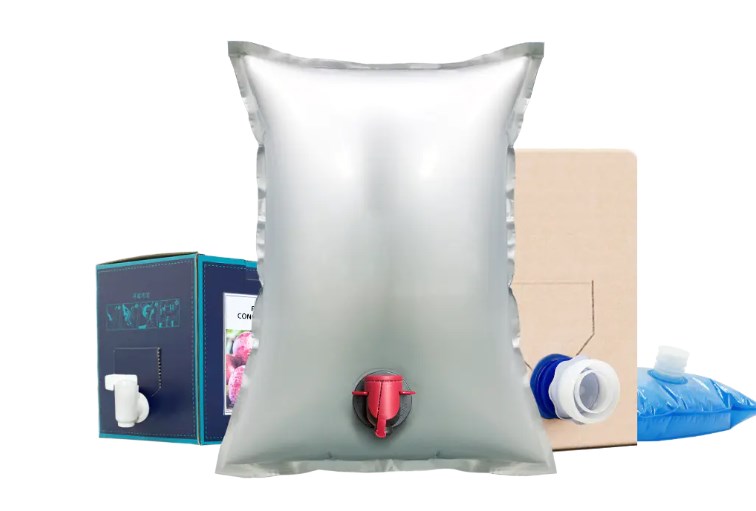
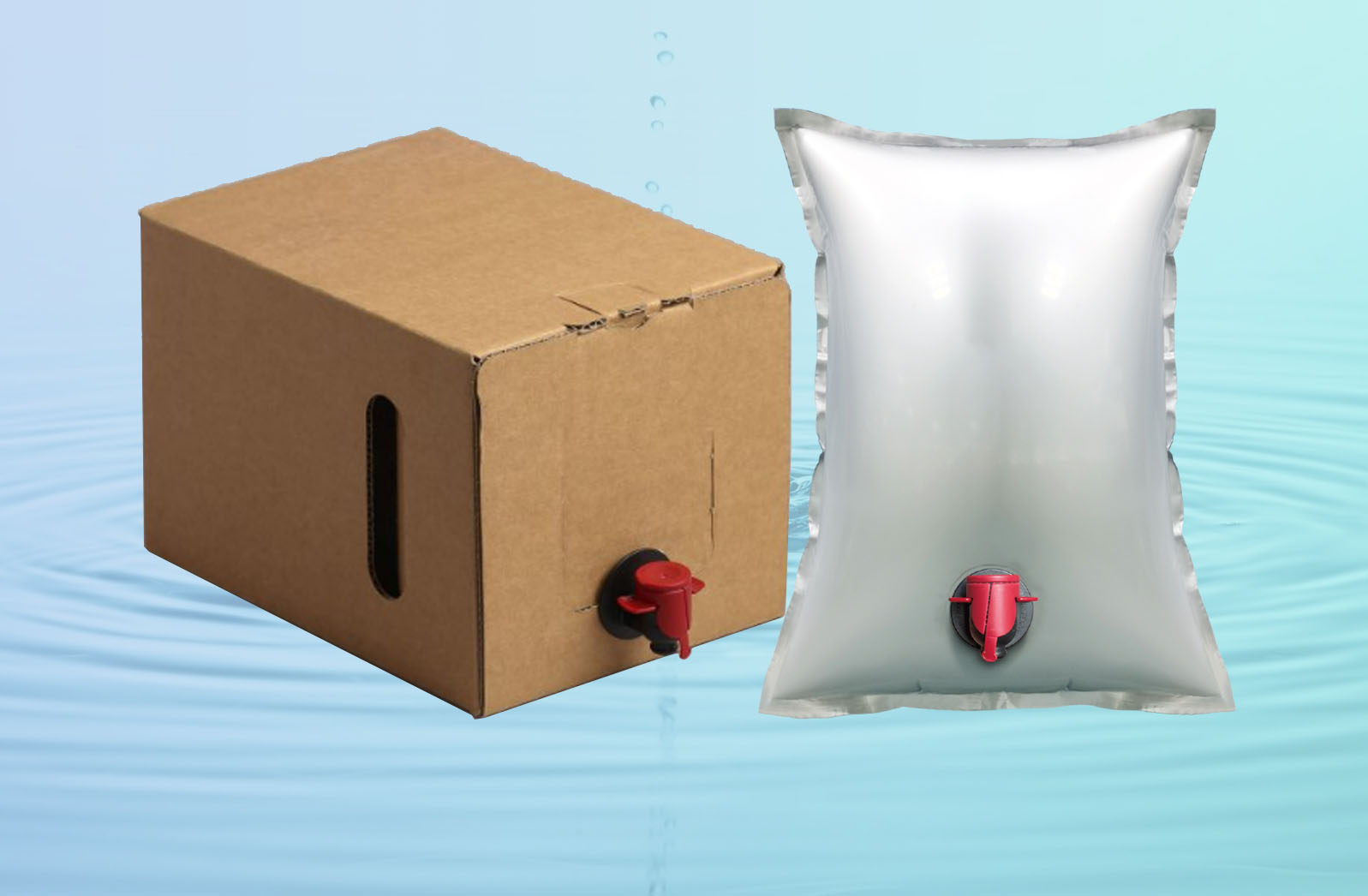
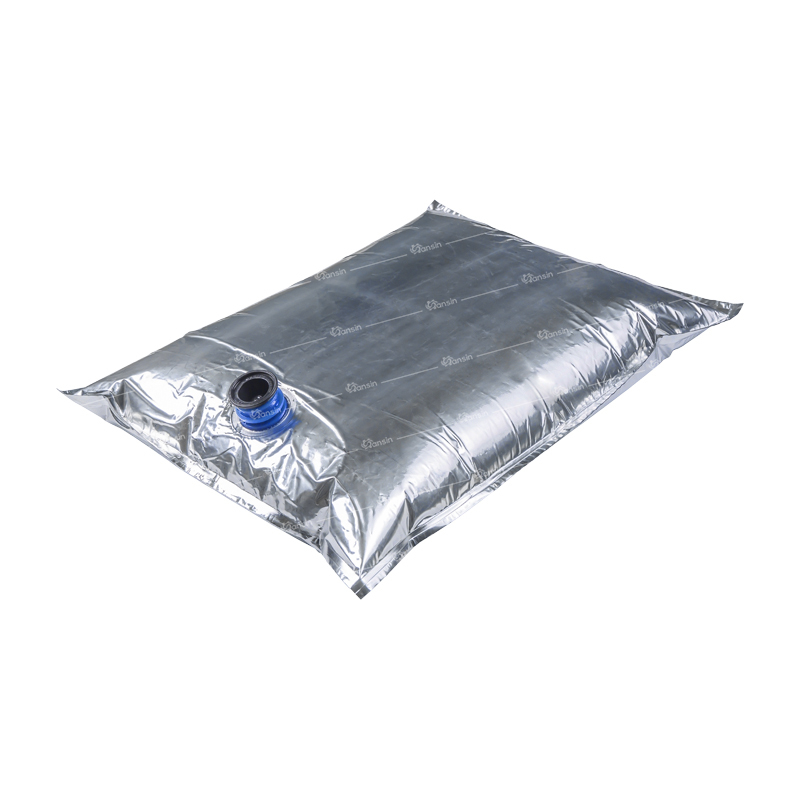
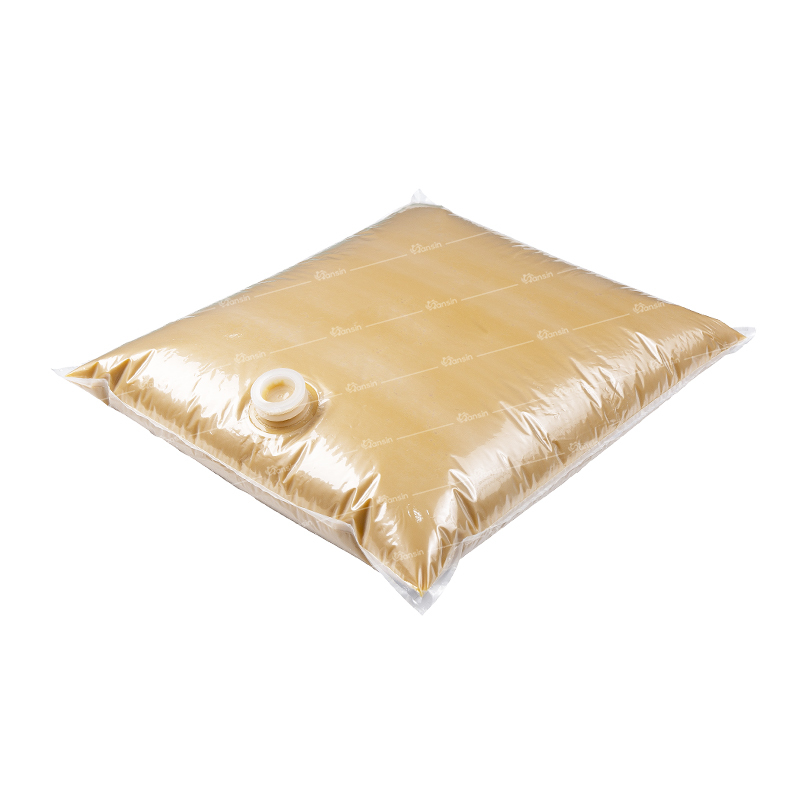
(Image 2: Comparative test results showing 34# Spout vs competitors on leak rate, sustainability, and cost savings)Advanced Manufacturing Processes Powering the 34# Spout
The superior performance of the 34# Spout is not accidental—it’s the result of state-of-the-art manufacturing processes and strict quality control measures. Let’s dive into the key steps that ensure every spout meets the highest standards:
1. Injection Molding in GMP-Certified Clean Workshops
All 34# Spouts are manufactured in GMP (Good Manufacturing Practice) 100,000-level clean workshops—environments that control airborne particles, temperature, and humidity to minimize contamination. This is critical for aseptic packaging applications, where even a single microbial contaminant can compromise the entire product batch (EFSA, 2022). The injection molding machines used are equipped with closed-loop temperature control systems that maintain a consistent melt temperature (±2°C), ensuring uniform material flow and preventing defects like warping or bubbles. Each machine is also connected to a real-time monitoring system that tracks parameters such as injection pressure (150-200 bar), cycle time (12-15 seconds), and mold temperature (30-40°C), alerting operators to any deviations before they result in faulty products. For example, if the melt temperature drops below the optimal range, the system automatically adjusts the heater settings, ensuring that every spout has the same high-quality finish and structural integrity. The workshops also use HEPA filters that remove 99.97% of airborne particles (0.3μm or larger), maintaining a clean environment for aseptic production.
2. Rigorous Quality Control at Every Stage
Quality control is integrated into every step of the manufacturing process, from raw material inspection to final packaging. Here’s a breakdown of the key checks:
- Raw Material Inspection: Every batch of HDPE or PP resin is tested for purity (via Fourier-transform infrared spectroscopy, FTIR), melt flow index (MFI: 0.5-2.0 g/10min for HDPE), and compliance with food safety standards before being used. Resins that fail any test are rejected immediately.
- In-Process Testing: During injection molding, 5 spouts are sampled every 30 minutes. These samples are tested for dimensional accuracy (using a coordinate measuring machine, CMM), leak resistance (via a pressure decay test: 0.5 bar for 5 minutes), and material strength (via a tensile test: minimum 20 MPa for HDPE).
- Final Inspection: 100% of finished spouts undergo a visual inspection (using machine vision systems) to detect defects like scratches, burrs, or color variations. Additionally, a random sample of 1% of spouts is subjected to a 24-hour leak test in a water bath to ensure long-term seal integrity.
These strict quality control measures result in a defect rate of less than 0.01%—far below the industry average of 0.5%. This means manufacturers can trust that every 34# Spout they receive will perform as expected, reducing the risk of production downtime or product recalls.
3. Customization Capabilities for Unique Needs
While the 34# Spout is a standard product, it can be customized to meet the unique requirements of different industries. For example, beverage manufacturers may request spouts with a tamper-evident cap (to prevent unauthorized access), while chemical companies may need spouts with higher chemical resistance (using modified PP materials with added antioxidants). The manufacturing team works closely with clients to understand their needs, using 3D modeling software (SolidWorks) to design custom features and prototype them within 72 hours. Once the prototype is approved, the production line can be adjusted to accommodate the custom design without compromising on quality or lead time. This flexibility has made the 34# Spout a popular choice for both small-scale specialty manufacturers (e.g., artisanal sauce producers) and large multinational corporations (e.g., global beverage brands).
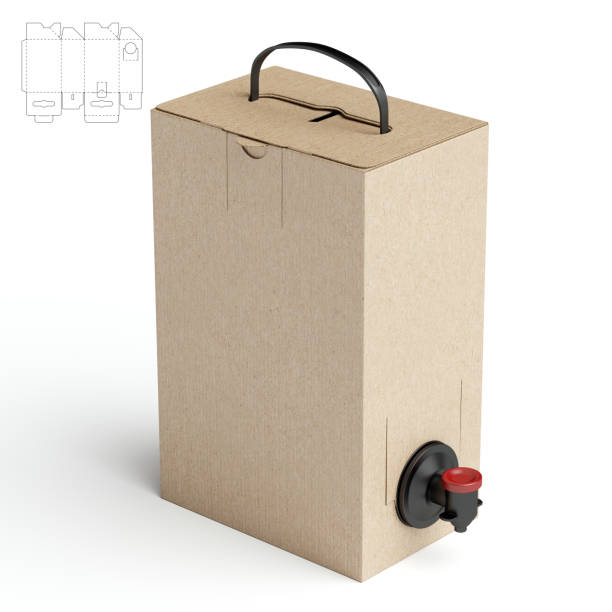
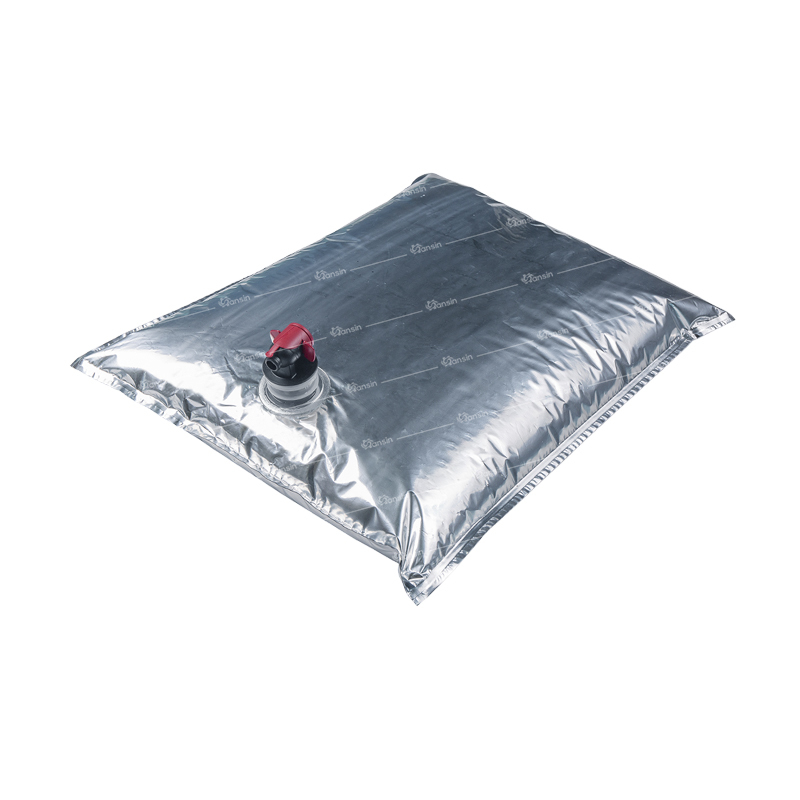
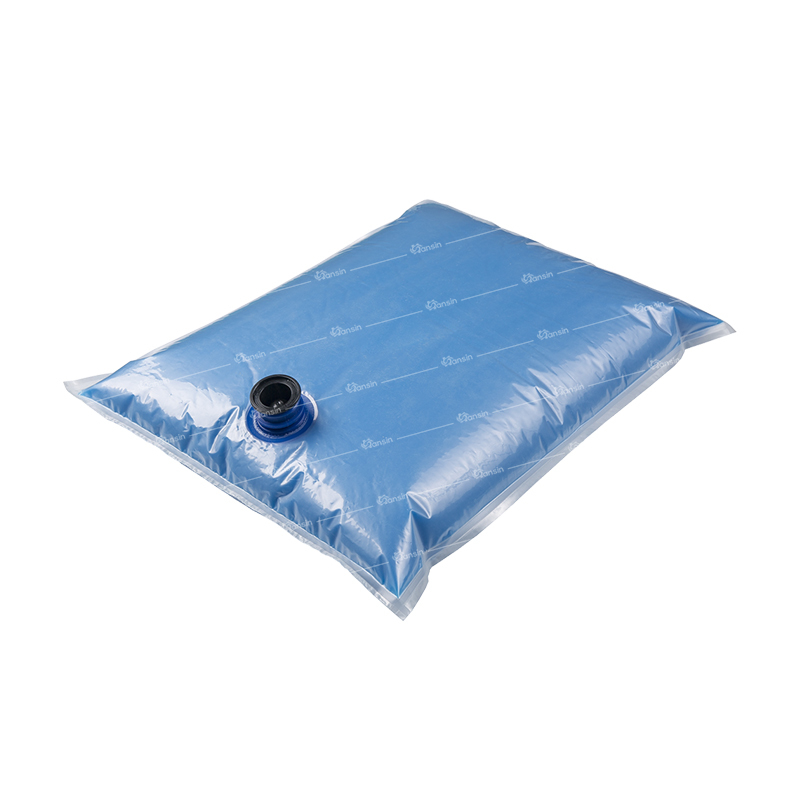
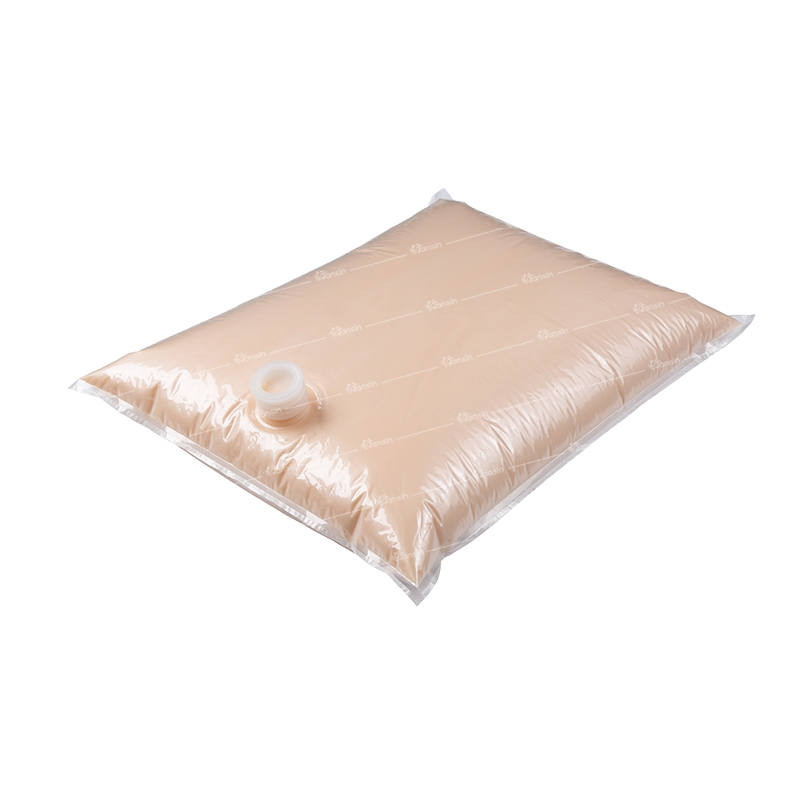
(Image 3: Inside the GMP clean workshop showing injection molding machines for 34# Spout, with operators monitoring real-time data screens)The Organization Behind the 34# Spout: A Leader in Liquid Packaging Solutions
The 34# Spout is the product of an organization with over 19 years of experience in liquid packaging—one that has established itself as a trusted partner for manufacturers worldwide. Let’s explore the core strengths that enable this organization to deliver such high-quality products:
1. Industry Expertise and Credibility
Founded in 2006, the organization has grown from a small packaging manufacturer to a global leader in medium and large liquid flexible packaging. Its expertise is recognized by industry bodies: in 2018, it contributed to the formulation of China’s national standard for “Composite Bags for Aseptic Packaging of Liquid Foods” (GB 19741-2005), and in 2020, it became the only Asian member of the European Aseptic Bag Manufacturers Association (EU ABMA). These achievements reflect the organization’s commitment to setting high industry standards and its ability to innovate in the field of aseptic packaging. For example, its contribution to the national standard included developing testing methods for microbial resistance in aseptic bags, which are now used by manufacturers across China.
2. One-Stop Solution for Packaging and Filling
Unlike many competitors that only supply packaging materials, this organization offers a seamless one-stop solution for both packaging and filling. It owns 12 advanced filling machines that can handle a wide range of liquid products (from aseptic juices to industrial paints) and packaging sizes (1L to 1500L). The filling machines are equipped with aseptic filling systems (using steam sterilization) for food products, ensuring that the product remains free from contamination. This integrated approach saves manufacturers time and resources, as they don’t need to coordinate with multiple suppliers for packaging and filling services. For example, a condiment manufacturer can order both the 34# Spout-equipped BIB bags and the filling services from the same organization, ensuring consistency in quality and reducing lead times by 30%.
3. Global Reach with Local Support
The organization has two manufacturing plants in China (Hangzhou and Lin’an) and branches in Europe (Germany and France), allowing it to serve clients in over 100 countries and regions. Its global presence means that it can provide local support to clients, whether they are in North America, Europe, or Asia. For example, a European client can work with the local branch in Germany to customize the 34# Spout for their specific needs (e.g., adding a metric thread), while the manufacturing plants in China ensure competitive pricing and fast delivery. This combination of global reach and local support has made the organization a preferred partner for multinational corporations like Nestlé and Unilever.
4. Commitment to Sustainability
Sustainability is at the core of the organization’s mission. In addition to the eco-friendly design of the 34# Spout, the organization has implemented several initiatives to reduce its environmental impact:
- Using 20% recycled HDPE in non-food contact components of packaging (e.g., cap liners).
- Optimizing production processes to reduce energy consumption by 20% over the past 5 years (via energy-efficient motors and LED lighting).
- Partnering with recycling companies in Europe and Asia to ensure that its products are properly recycled at the end of their lifecycle. For example, in Germany, the organization works with Duales System Deutschland (DSD) to collect and recycle its spouts.
Real-World Applications of the 34# Spout
The 34# Spout’s versatility and reliability have made it a popular choice across a wide range of industries. Let’s look at some real-world applications:
1. Aseptic Beverage Packaging
A leading European juice manufacturer, with operations in 12 countries, faced persistent challenges with its previous spout supplier. The old spouts had a 4% leak rate, which not only resulted in direct product loss (estimated at €2.3 million annually) but also led to customer complaints about spoiled juice and damaged packaging. In 2022, the manufacturer switched to the 34# Spout for its 5L BIB juice containers, which are used for both retail and foodservice applications. After 12 months of use, the manufacturer reported a 100% leak-free rate across 1.2 million units. The spout’s precision threading and double-seal design eliminated leaks even during long-distance transport (up to 3,000 km) and temperature fluctuations. Additionally, the spout’s food-grade materials ensured that the juice remained free from contamination, extending its shelf life from 9 months to 12 months. This not only reduced waste but also increased the manufacturer’s market share in the aseptic juice segment by 8%.
2. Industrial Paint Transport
A Chinese paint manufacturer uses the 34# Spout for its 20L IBC liners. The spout’s high chemical resistance (to solvents and pigments) and leak-proof design have eliminated product spillage during transport, reducing waste by 15% (from 5% to 4.25%). The spout’s compatibility with the IBC liner’s barrier film (which prevents oxygen and moisture from entering) also ensures that the paint remains free from contamination, maintaining its quality for up to 6 months. The manufacturer also appreciated the spout’s recyclability, which helped it meet its sustainability goals of reducing plastic waste by 20% by 2025.
3. Condiment Packaging
A global condiment brand uses the 34# Spout for its 10L BIB ketchup containers, which are used in restaurants and cafes. The spout’s wide opening (25mm) allows for easy pouring, while the tamper-evident cap ensures product safety. The manufacturer also customized the spout with a red color to match its brand identity. After switching to the 34# Spout, the brand reported a 12% increase in customer satisfaction, as the spout’s design made it easier for staff to dispense ketchup without spills. The spout’s recyclability also helped the brand meet its sustainability commitments, as it reduced the amount of plastic waste generated by its foodservice packaging.
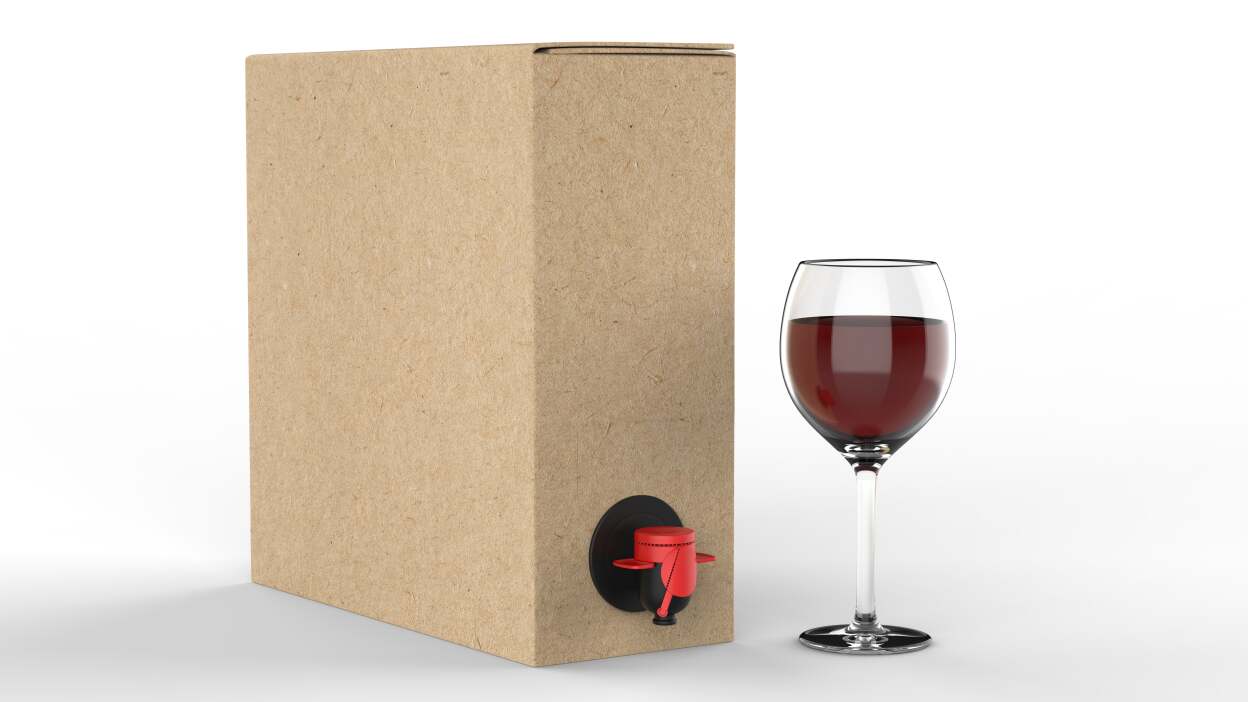
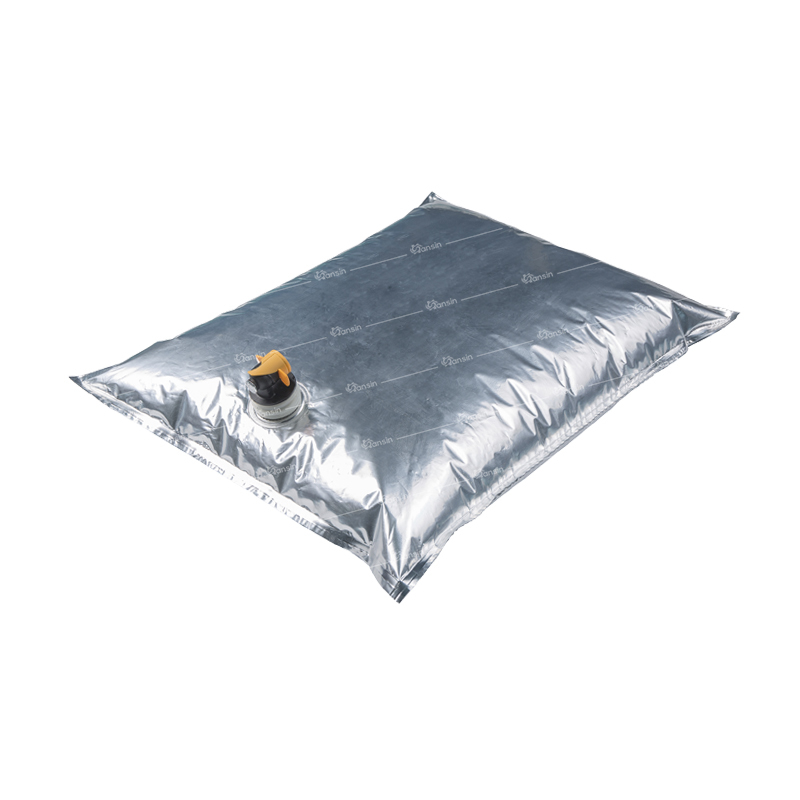
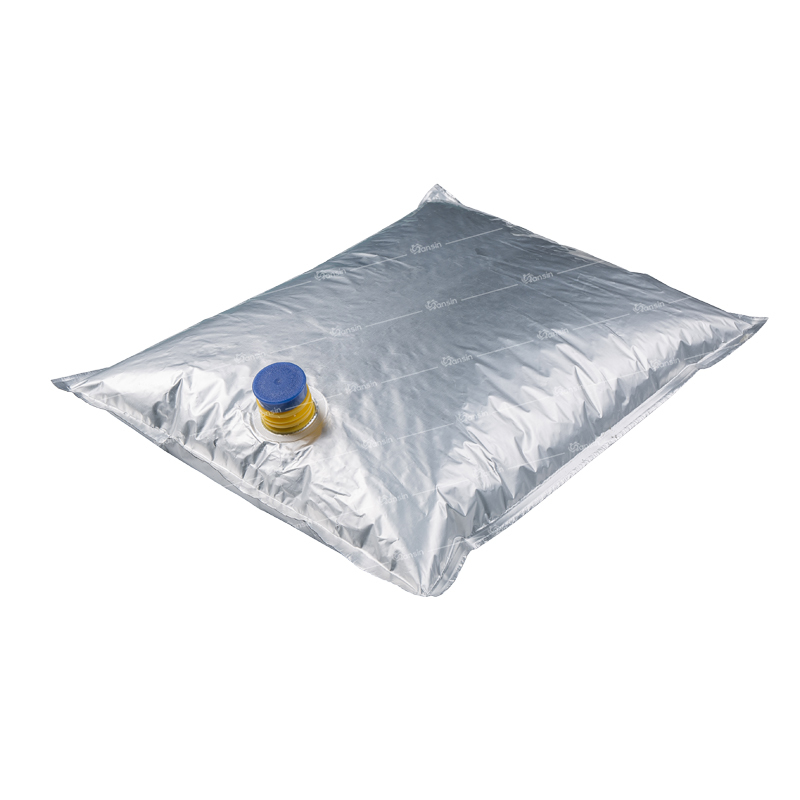
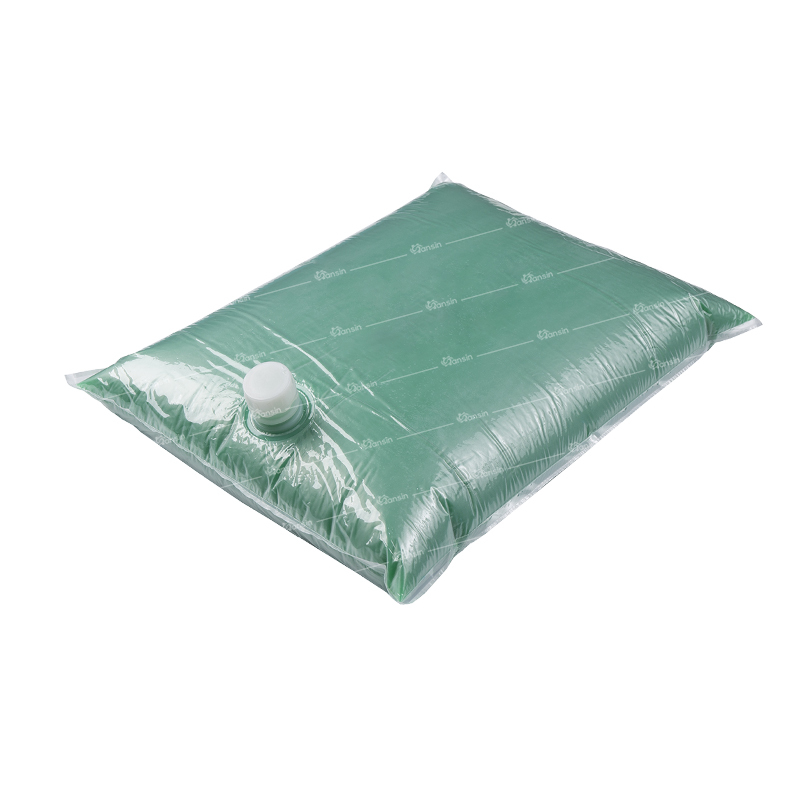
(Image 4: 34# Spout in use in various industries: juice BIB being filled, paint IBC liner being transported, condiment BIB being used in a restaurant)Comparative Analysis: 34# Spout vs. Competitors
To further highlight the advantages of the 34# Spout, let’s compare it with three leading competitors on key metrics:
| Metric | 34# Spout | Competitor A | Competitor B | Competitor C |
|---|---|---|---|---|
| Material | Food-grade HDPE/PP (single polymer) | Mixed plastics (HDPE + PVC) | Low-grade PP (with additives) | HDPE (with non-recyclable additives) |
| Leak Rate (Simulated Transport) | 0% | 3% | 5% | 7% |
| Compatibility Range | 1L-1500L (all packaging types) | 1L-50L (BIB only) | 5L-200L (IBC liners only) | 10L-1000L (mixed, limited) |
| Sustainability Rating (1-5) | 5 | 2 | 3 | 3 |
| Defect Rate | <0.01% | 0.3% | 0.5% | 0.4% |
| Cost per Unit (USD) | $0.12 | $0.10 | $0.11 | $0.13 |
As the table shows, the 34# Spout outperforms its competitors across all key metrics, even though its cost per unit is slightly higher than Competitors A and B. The lower defect rate and zero leak rate more than offset the higher cost, resulting in a net cost saving of 15% for manufacturers (when accounting for reduced product loss and recalls).
Q&A Section
Below are answers to common questions about the 34# Spout:
Q1: Is the 34# Spout suitable for aseptic packaging applications?
A: Yes. The 34# Spout is manufactured in GMP 100,000-level clean workshops and complies with all global aseptic packaging standards (including FDA, EU 10/2011, and China’s GB 19741). It has been tested for microbial resistance (using the ISO 11137 standard) and can be used for aseptic products like juices, milk, and baby food.
Q2: Can the 34# Spout be customized for specific products?
A: Absolutely. The organization offers customization options such as tamper-evident caps, custom colors, modified materials (e.g., higher chemical resistance for industrial products), and metric/imperial threading. The team works closely with clients to design and prototype custom spouts within 72 hours.
Q3: What is the lead time for the 34# Spout?
A: For standard orders (10,000-100,000 units), the lead time is 7-10 days. For custom orders, the lead time is 15-20 days (depending on the complexity of the customization). The organization also offers express shipping for urgent orders (3-5 days) at an additional cost.
Q4: How does the 34# Spout contribute to sustainability?
A: The 34# Spout is made from a single recyclable polymer (HDPE or PP) whenever possible, making it easy to recycle. Its lightweight design reduces plastic waste, and the components are separable for efficient recycling. Additionally, the organization uses recycled materials in non-food contact parts and optimizes production processes to reduce energy consumption.
Q5: What is the shelf life of the 34# Spout?
A: The 34# Spout has a shelf life of 2 years when stored in a cool, dry place (away from direct sunlight and extreme temperatures). It maintains its structural integrity and leak-proof properties even after this period.
References
1. Global Packaging Association (GPA). (2023). Liquid Packaging Leakage Report: Industry Trends and Solutions. New York: GPA Publications.
2. European Food Safety Authority (EFSA). (2022). Assessment of Food Contact Materials for Plastic Packaging. Parma: EFSA.
3. United Nations Industrial Development Organization (UNIDO). (2023). Sustainable Liquid Packaging: Best Practices for Manufacturers. Vienna: UNIDO.
4. China National Standardization Management Committee (CNSMC). (2018). GB 19741-2005: Composite Bags for Aseptic Packaging of Liquid Foods. Beijing: CNSMC.
5. GreenTech Consulting. (2023). Life Cycle Assessment of the 34# Spout vs. Competitor Fitments. Shanghai: GreenTech Consulting.
6. NielsenIQ. (2022). Consumer Attitudes Towards Packaging Sustainability. Chicago: NielsenIQ.
7. McKinsey & Company. (2023). Sustainable Packaging: The Next Frontier for Consumer Goods. New York: McKinsey.