
 中文简体
中文简体 英语
英语 西班牙语
西班牙语 俄语
俄语 葡萄牙语
葡萄牙语 法语
法语 德语
德语 意大利语
意大利语




For industries ranging from food and beverage to chemicals and pharmaceuticals, the need for safe, efficient, and sustainable liquid storage and transportation solutions has never been more critical. Traditional rigid containers—such as steel or plastic drums—often come with drawbacks: high transport costs due to weight, limited recyclability, and challenges in maintaining aseptic conditions for sensitive products. Enter the 220L aseptic bag-in-drum: a flexible packaging innovation that addresses these pain points while setting new standards for performance, safety, and sustainability.
Understanding the 220L Aseptic Bag-in-Drum
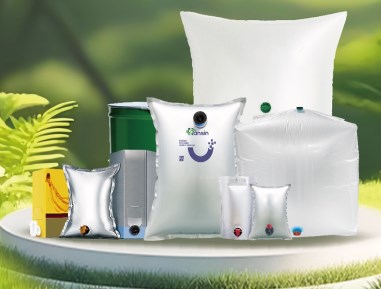
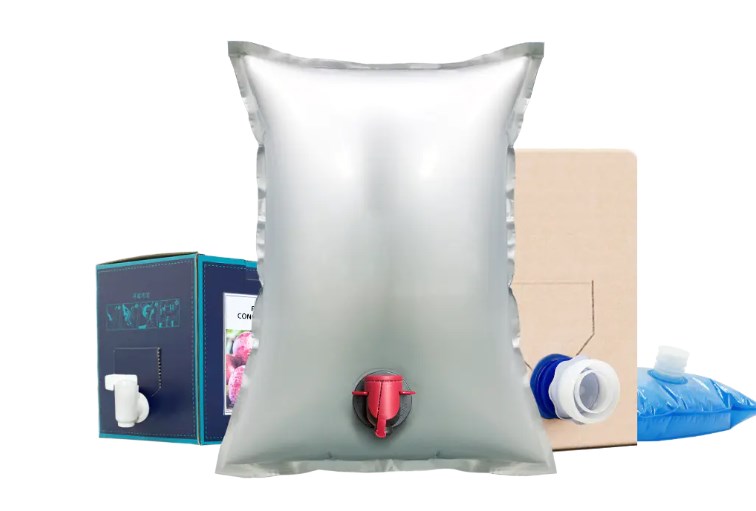
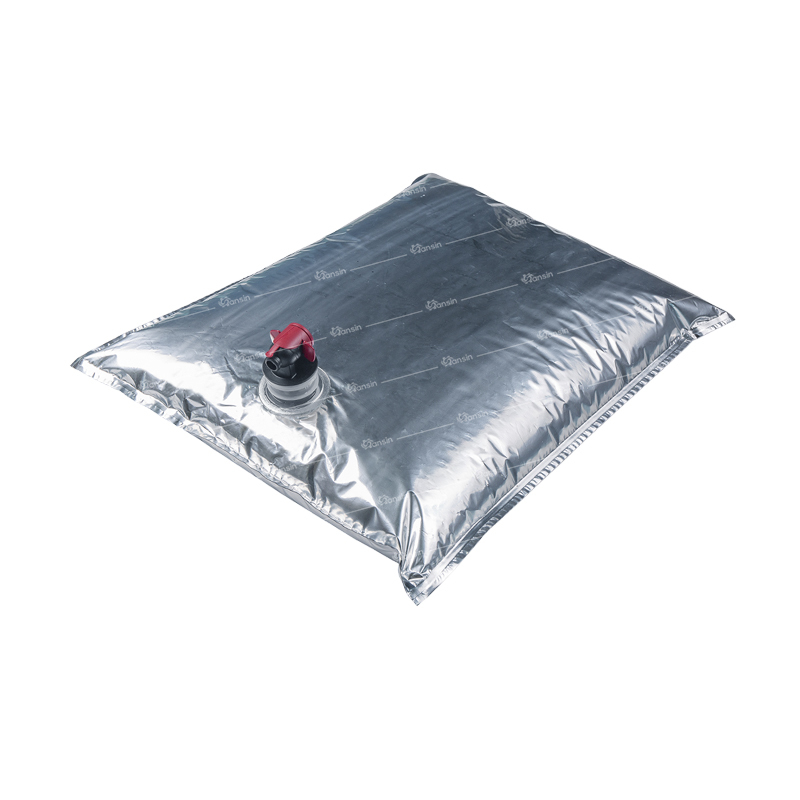
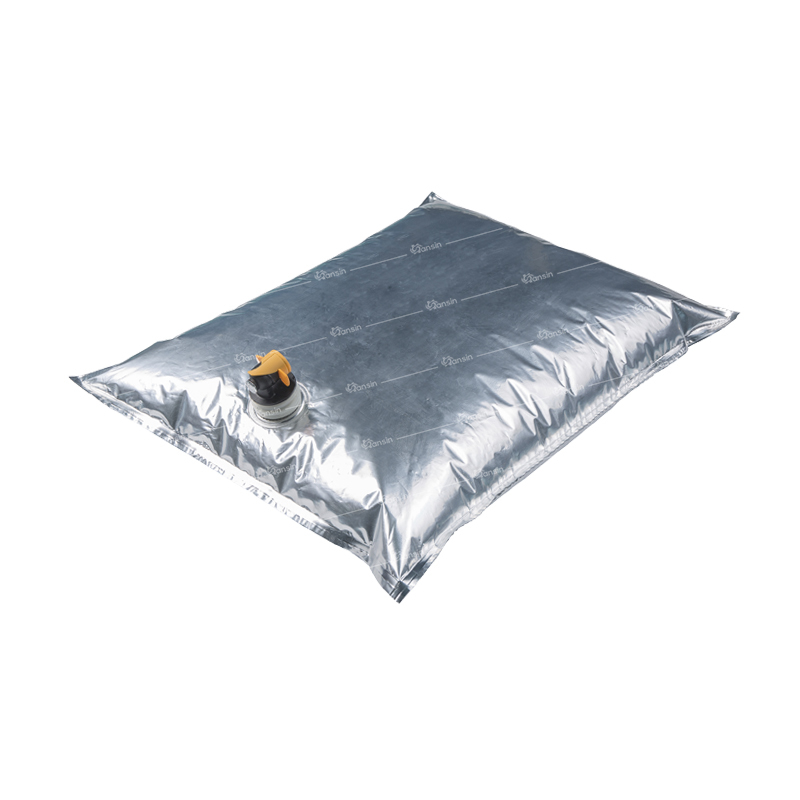
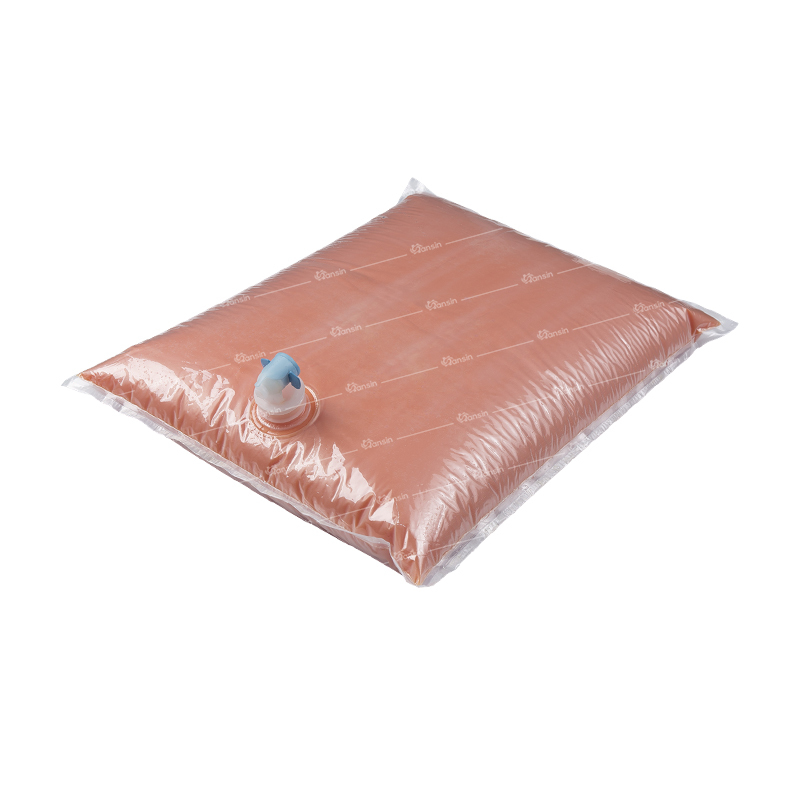
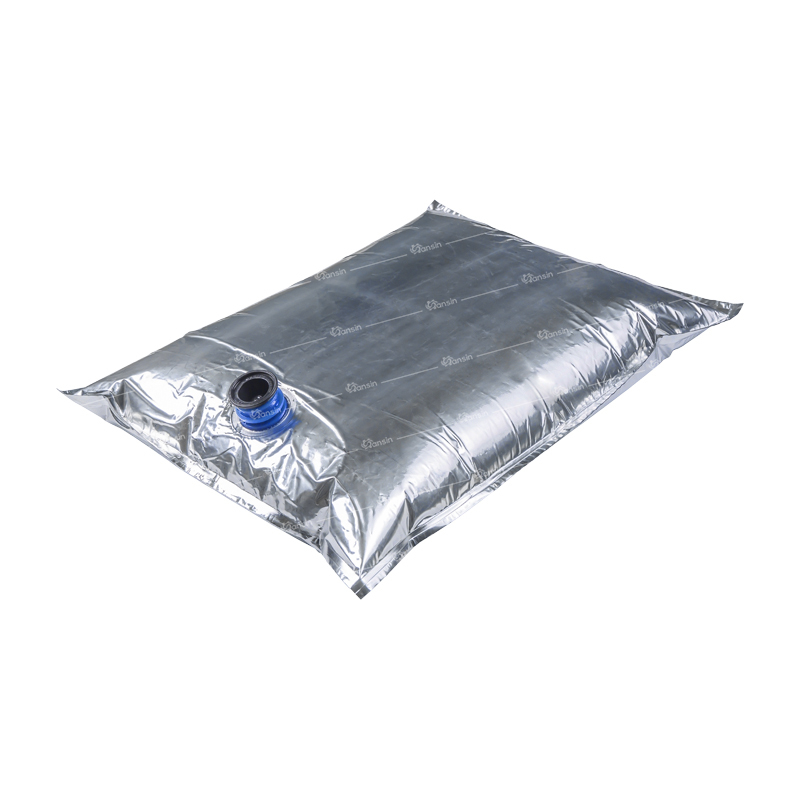
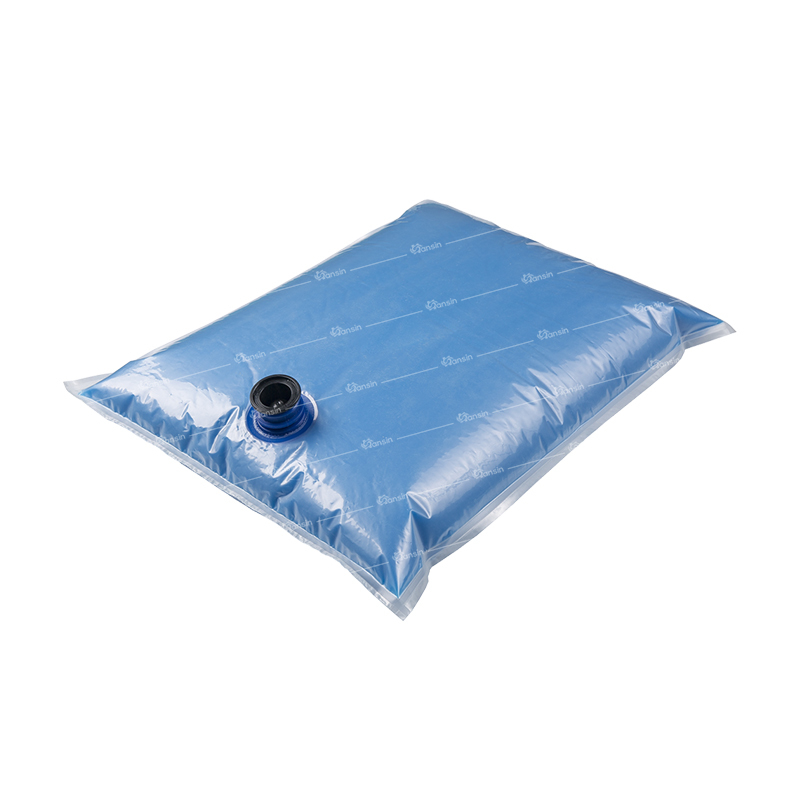
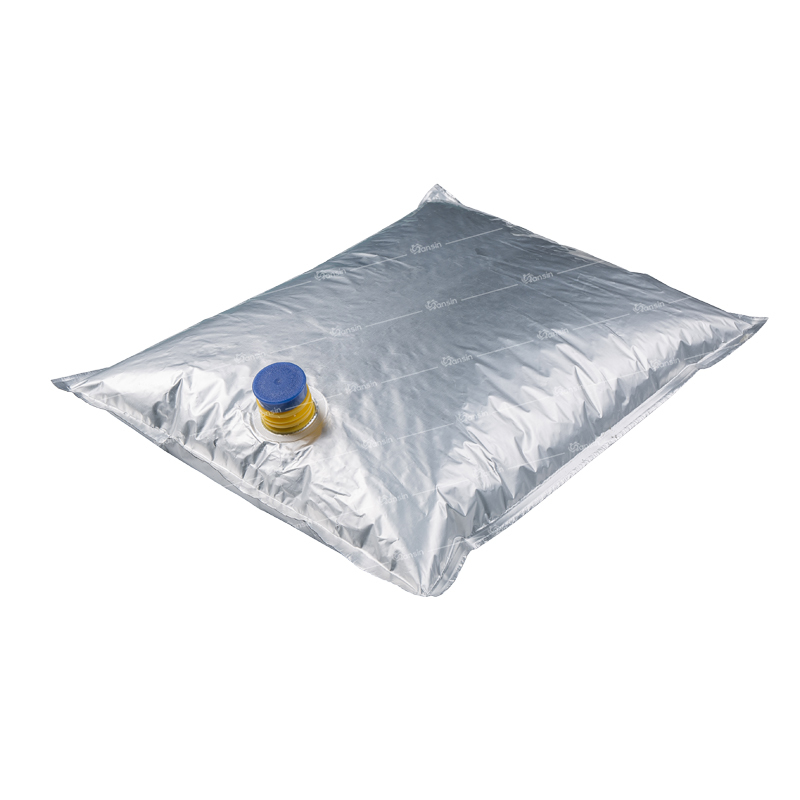
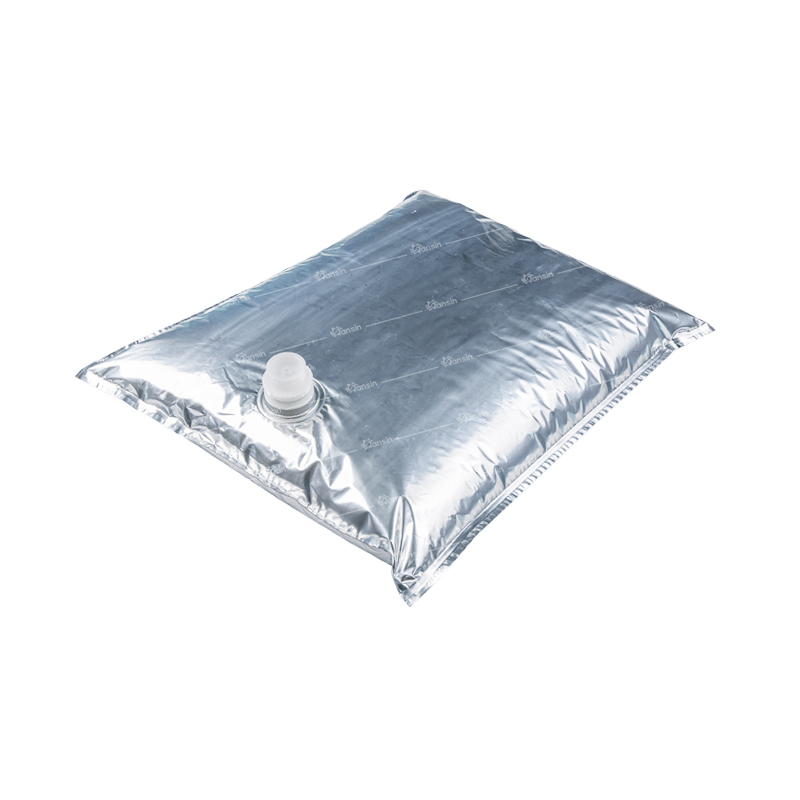
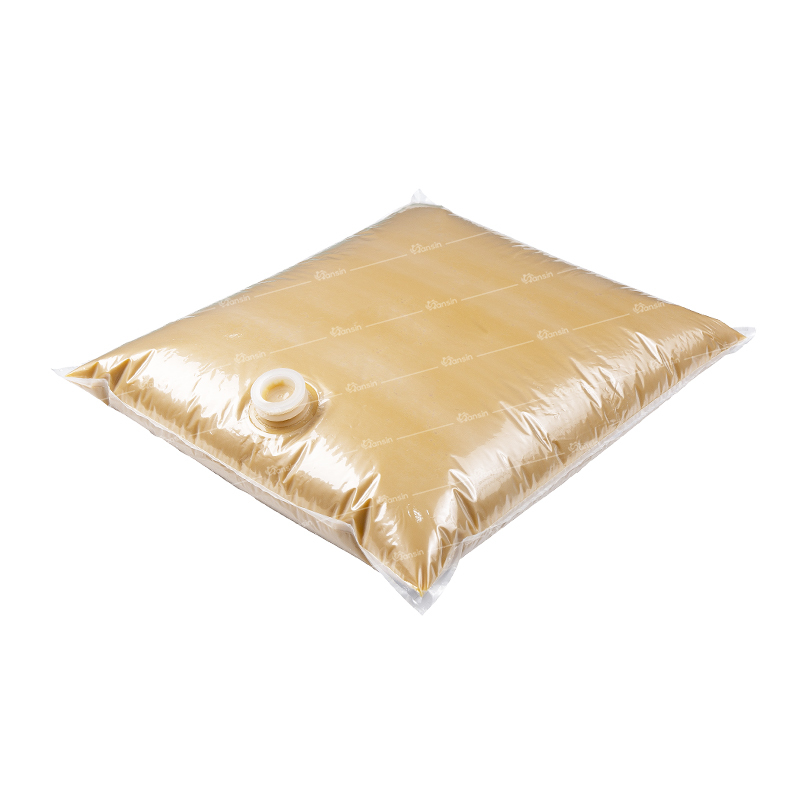
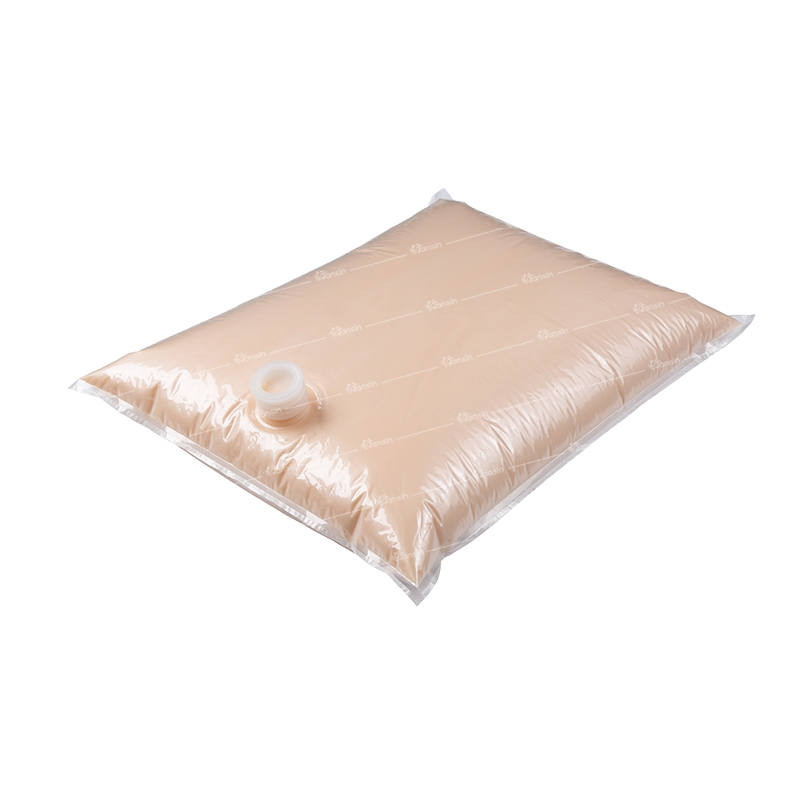
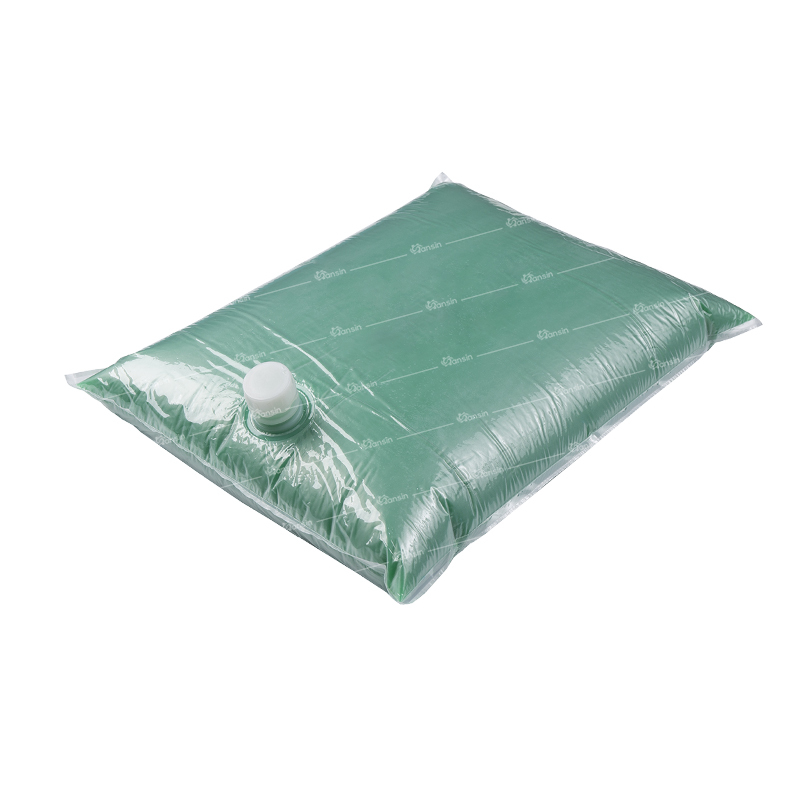
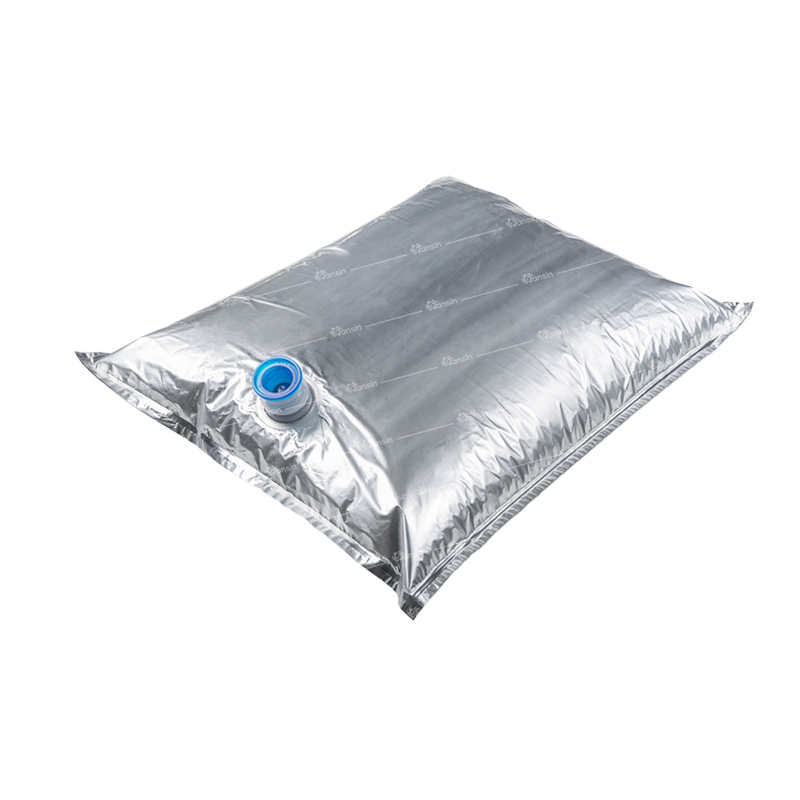
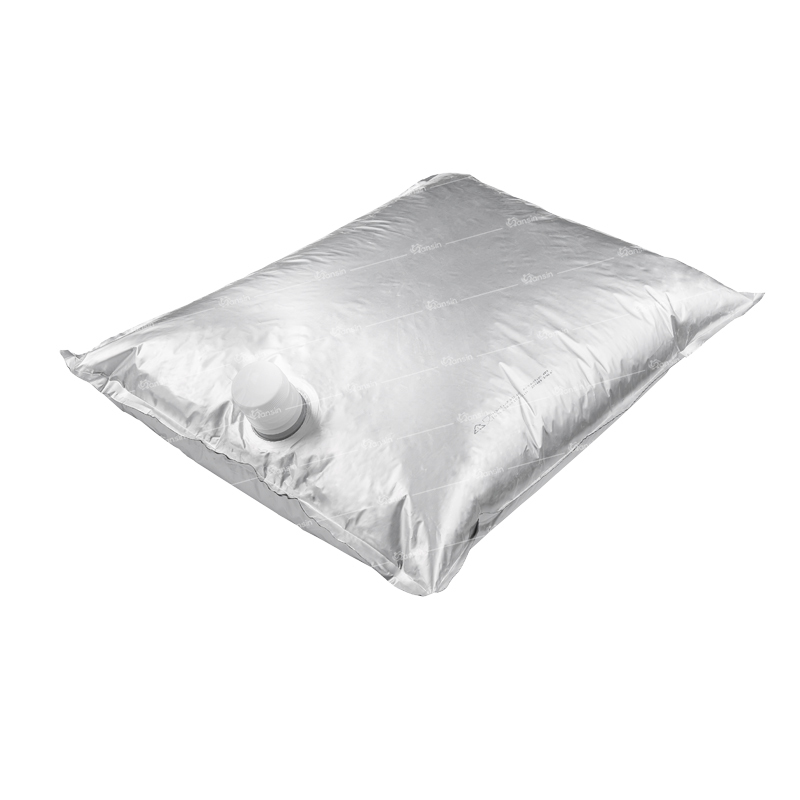
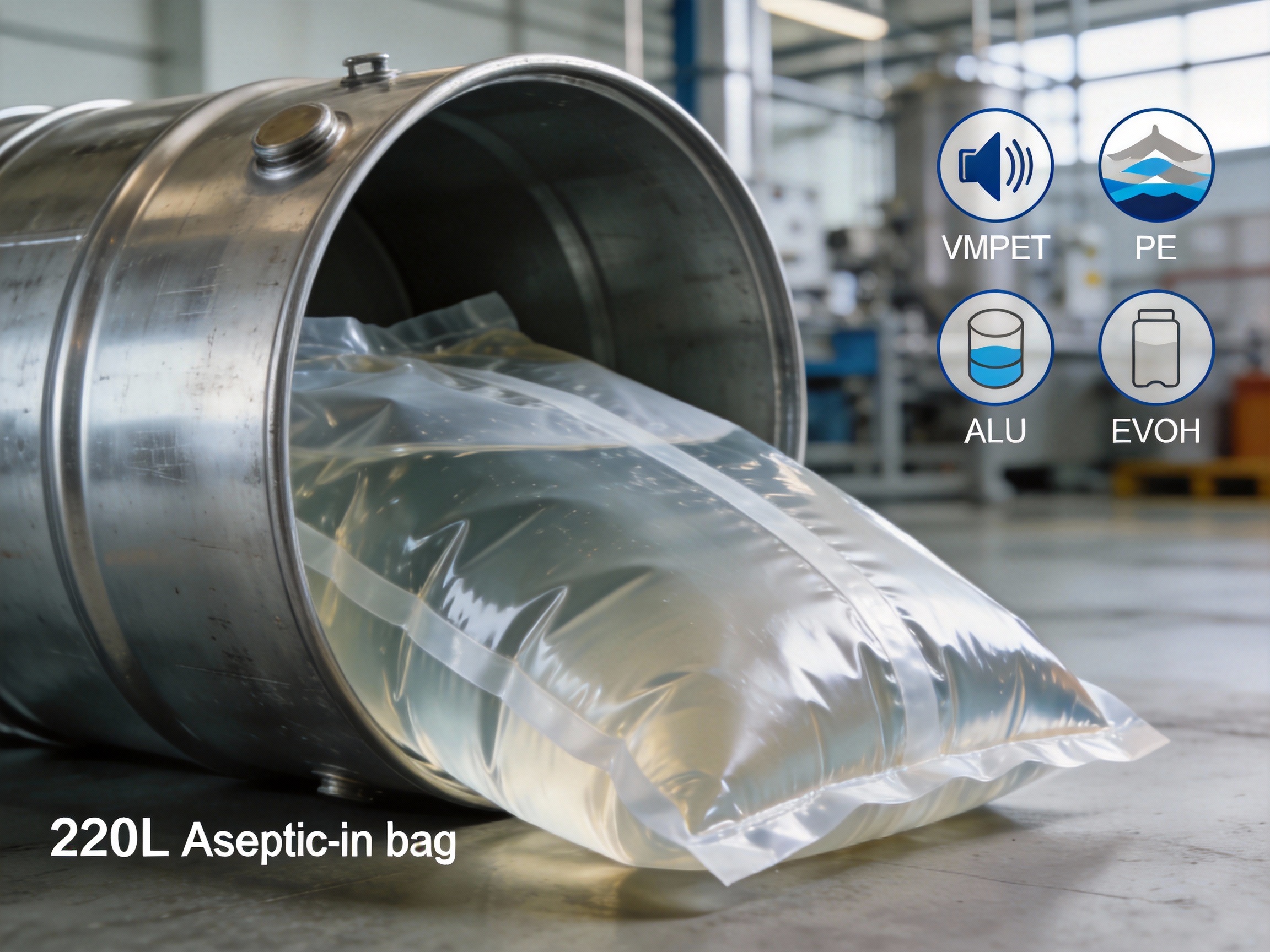
At its core, the 220L aseptic bag-in-drum is a flexible, multi-layered packaging solution designed to fit inside standard 220L drums (or similar containers). Its primary purpose is to protect liquid products—whether food-grade (juices, jams, oils) or non-food (chemicals, paints)—from contamination, oxidation, and physical damage during storage and transportation. Unlike single-layer bags or non-sterile alternatives, this product is engineered with aseptic requirements in mind, ensuring that products remain safe and unaltered from production to end use.
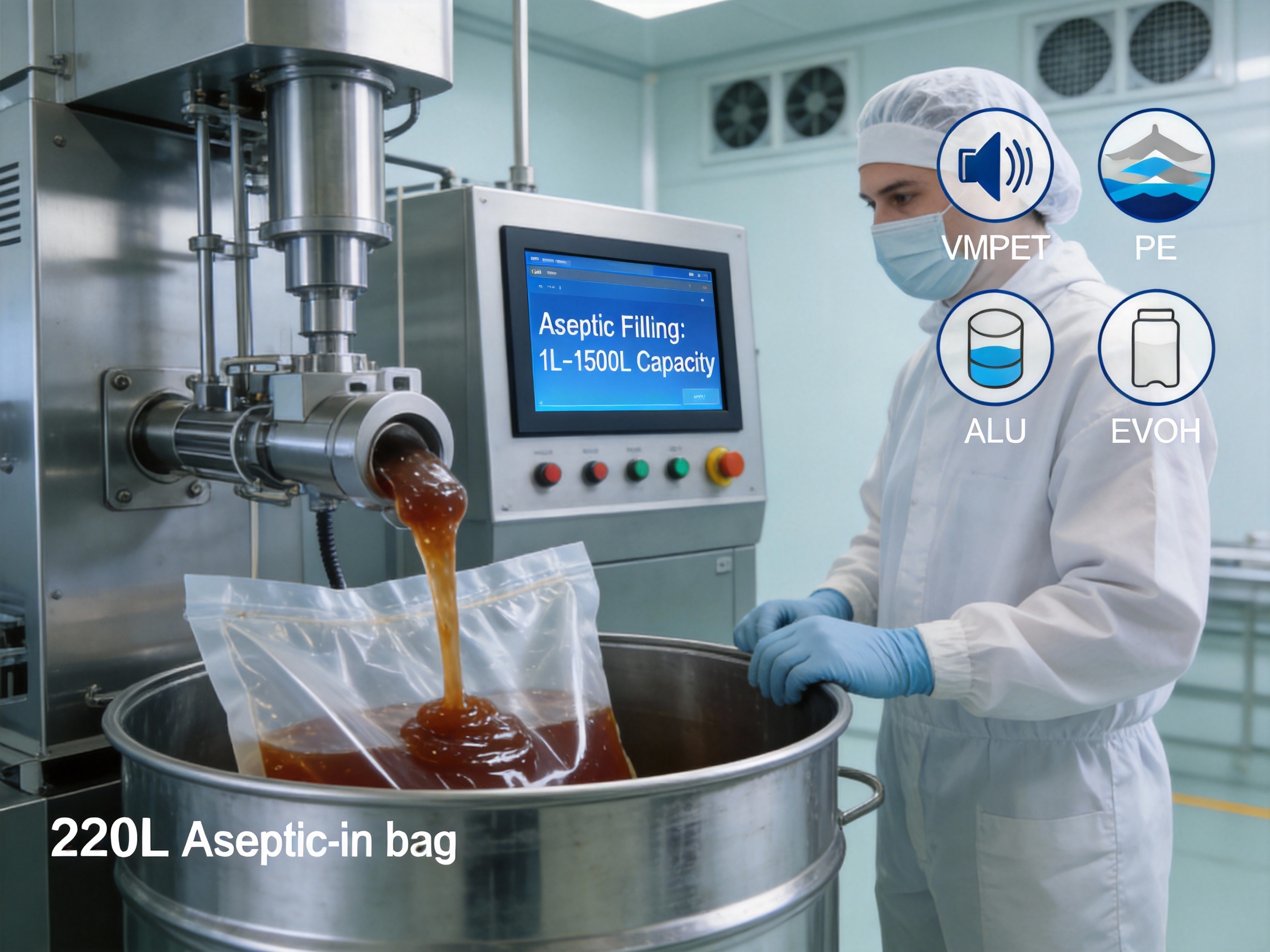
The bag’s structure is a testament to advanced material science. It combines layers of VMPET (Vacuum Metallized PET), PE (Polyethylene), PAPET (Printed PET), ALU (Aluminum), and EVOH (Ethylene Vinyl Alcohol)—each layer serving a specific function: VMPET provides barrier against light and oxygen, PE offers flexibility and sealability, ALU enhances moisture and gas barrier, and EVOH adds ultra-high barrier properties for sensitive products. This multi-layered design ensures that the bag can withstand the rigors of transport while preserving product integrity.
Key Advantages Over Traditional and Competitor Solutions
To appreciate the value of the 220L aseptic bag-in-drum, it’s essential to compare it to both traditional rigid containers and lower-quality flexible alternatives. Below are its most significant advantages:
1. Unmatched Barrier Performance
One of the biggest challenges in liquid packaging is maintaining product freshness by preventing oxygen, moisture, and light from entering. Traditional rigid drums often rely on liners that may not provide consistent barrier protection, while non-sterile flexible bags lack the multi-layered structure needed for high-barrier needs. The 220L aseptic bag-in-drum addresses this with customizable barrier levels: standard, high, or ultra-high. For example, the ultra-high barrier option (featuring EVOH layers) is ideal for products like fruit juices or pharmaceutical liquids that are highly sensitive to oxidation. Competitors often offer only one or two barrier options, limiting flexibility for diverse product needs.
2. Rigorous Sterilization and Safety Compliance
Aseptic packaging requires strict sterilization to eliminate microorganisms that could spoil products or pose health risks. The 220L bag uses irradiation sterilization at a dose of ≥15kGy—a method proven to be effective against a wide range of bacteria, viruses, and fungi. This is far more consistent than alternative methods like chemical sterilization, which can leave residual chemicals or have uneven coverage. Additionally, the bag complies with ABMA (European Aseptic Bag Manufacturers Association) standards—a globally recognized benchmark for aseptic packaging safety. Competitors often cut corners on sterilization or fail to meet international standards, putting products and consumers at risk.
3. Enhanced Durability and Flexibility
Transporting liquid products often involves rough handling, temperature fluctuations, and pressure changes. The 220L bag’s film is engineered to be top flex crack-resistant—meaning it can withstand repeated bending and stretching without tearing or developing leaks. This is a major advantage over competitor bags, which may use lower-quality films that crack under stress, leading to product loss and contamination. The bag’s flexibility also allows it to conform to the drum’s shape, maximizing space utilization and reducing the risk of air pockets that could cause product degradation.
4. Sustainable and Cost-Effective
In an era of increasing environmental awareness, the 220L aseptic bag-in-drum stands out for its sustainability features. First, it uses solvent-free lamination—a process that eliminates volatile organic compounds (VOCs) emitted during production, reducing the carbon footprint. Solvent-based lamination, used by many competitors, releases harmful VOCs into the atmosphere, contributing to air pollution and climate change. The solvent-free process uses water-based adhesives, which are non-toxic and emit no harmful fumes.
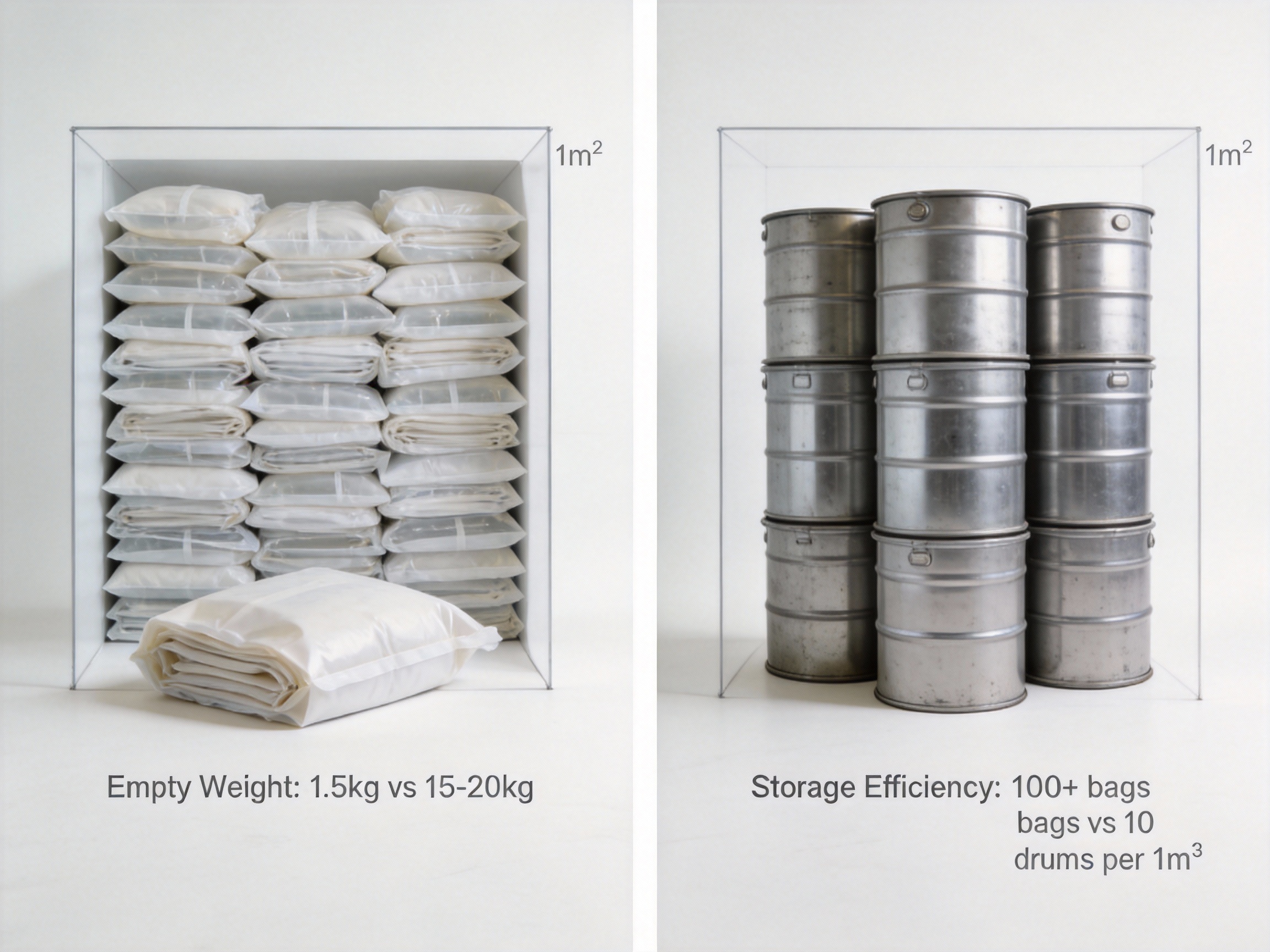
Second, the bag is lightweight: empty, it weighs ~1.5 kg compared to 15-20 kg for a steel drum. This reduces fuel consumption and transport costs by up to 80% for empty shipments. For filled products, the total weight is also lower, leading to additional savings. Third, the bag is designed for better recyclability: its multi-layer structure can be processed in specialized recycling facilities, unlike many rigid drums that end up in landfills. The producer also offers a take-back program for used bags, ensuring proper disposal and recycling.
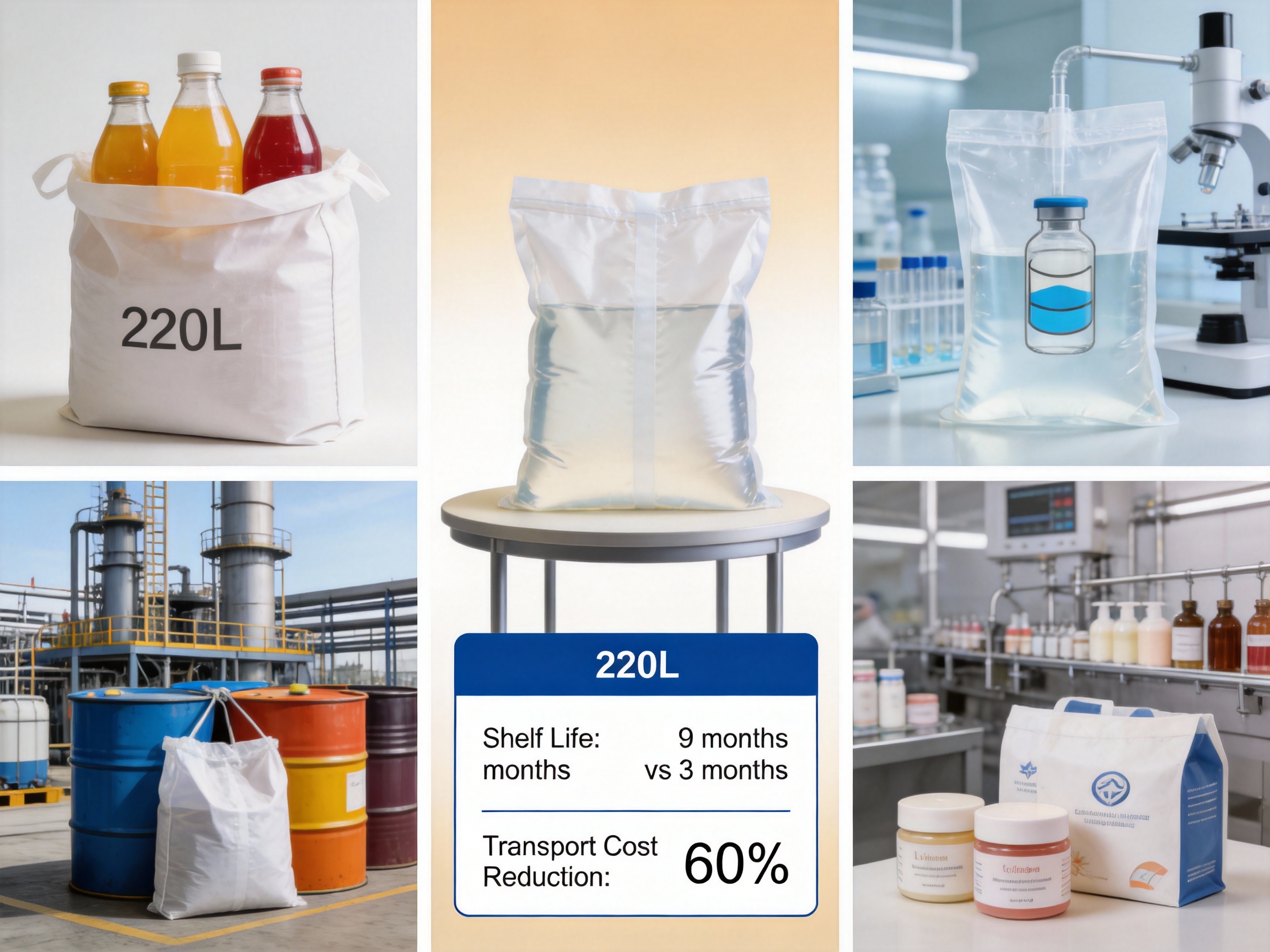
Fourth, the bag’s long shelf life reduces product waste. By preserving freshness for months, it minimizes spoilage. For example, a juice manufacturer using the ultra-high barrier bag can extend shelf life from 3 months to 9 months, cutting waste by up to 50%.
5. One-Stop Solution for Filling and Packaging
Many suppliers only offer bags, forcing customers to source filling machines separately—time-consuming and costly. The 220L bag’s provider offers a seamless one-stop solution: advanced filling machines handling volumes from 1L to 1500L, ensuring high-quality packaging and filling under one roof. This integration saves time, reduces errors, and lowers costs.
The producer’s filling machines use aseptic technology, eliminating the need for customers to invest in expensive equipment. For viscous products like jam or honey, specialized nozzles prevent spillage and ensure accurate filling. The engineering team collaborates with customers to design custom solutions, adapting to unique product needs quickly.
Advanced Manufacturing Processes: Ensuring Quality and Consistency
The superior performance of the 220L aseptic bag-in-drum is tied to the producer’s advanced manufacturing processes, designed to meet the highest standards of quality, safety, and efficiency:
1. GMP 100,000-Level Clean Workshop
All production steps—from film extrusion to bag making—take place in a GMP (Good Manufacturing Practice) 100,000-level clean workshop. This filters 99.97% of particles larger than 0.3 microns, preventing contaminants from entering the packaging. Competitors often use standard workshops without strict cleanroom protocols, increasing contamination risks.
2. End-to-End Production Integration
The producer controls every stage: injection molding (spouts/fitments), film extrusion (multi-layer film), solvent-free lamination (bonding layers), and bag making (final product). This vertical integration ensures precise specifications and no quality control gaps. Competitors outsourcing key steps face inconsistencies and longer lead times.
For example, injection molding uses food-grade materials and computerized monitoring for correct spout shape/size. Film extrusion creates layers with precise thicknesses. Solvent-free lamination uses automated equipment to avoid bubbles/weak spots. Bag making uses high-precision machines, with each seal tested for strength.
3. Rigorous Quality Control
Every batch undergoes extensive testing: barrier performance (gas chromatography), seal strength (leak checks), sterilization efficacy (15kGy verification), and food safety (EU/Chinese standards). The producer is the only Asian member of ABMA and contributed to China’s national standard for aseptic liquid food packaging—testament to its expertise.
Industry Applications: Versatility Across Sectors
The 220L aseptic bag-in-drum’s versatility makes it suitable for a wide range of industries:
1. Food and Beverage Industry
For food-grade liquids like fruit juices, jams, and edible oils, the bag’s aseptic properties ensure safety and freshness. The high-barrier layers prevent oxidation, extending shelf life. A tropical juice manufacturer using the ultra-high barrier bag exports to distant markets with 9-month shelf life, up from 3 months. The bag meets EU food safety regulations (EC 1935/2004), enabling European exports without extra certification.
An edible oil producer uses the bag to transport products, reducing rancidity risks. The bag’s flexibility allows easy emptying, cutting waste. Transport costs are down 60%, and shelf life is extended by 12 months.
2. Chemical Industry
Non-food liquids like paints and industrial chemicals require protection from moisture and contamination. The ultra-high barrier option prevents moisture entry and chemical leakage. The bag’s durability withstands corrosive chemicals, making it ideal for paint manufacturers shipping bulk products.
3. Pharmaceutical Industry
Pharmaceutical liquids (medications, supplements) need strict aseptic conditions. The bag’s irradiation sterilization and GMP-compliant production meet the highest safety standards. A pharmaceutical company uses the bag to transport liquid vaccines, ensuring sterility during transport.
4. Cosmetics Industry
Cosmetic products (lotions, creams) are sensitive to light and oxidation. The VMPET layer blocks light, while high-barrier layers prevent oxidation, preserving quality. The bag’s customizable design allows branding, making it suitable for consumer-facing products.
Comparison Table: 220L Aseptic Bag-in-Drum vs Traditional Rigid Drum
| Feature | 220L Aseptic Bag-in-Drum | Traditional Rigid Drum |
|---|---|---|
| Empty Weight | ~1.5 kg (varies by barrier level) | ~15-20 kg (steel) / ~10 kg (plastic) |
| Storage Efficiency (Empty) | Foldable; 100+ bags fit in 1m³ | Bulky; ~10 drums fit in 1m³ |
| Barrier Performance | Customizable (standard/high/ultra-high) | Limited (relies on liners; inconsistent) |
| Sterilization Compliance | ABMA standards; irradiation ≥15kGy | Manual cleaning; inconsistent sterilization |
| Sustainability | Solvent-free lamination; recyclable; low carbon footprint | High carbon footprint; limited recyclability |
| Cost per Unit Volume | ~$0.80/L (bulk orders) | ~$1.50/L (drum + liner) |
| Leak Risk | Low (flex crack-resistant; strong seals) | Higher (rigid cracking; liner tearing) |
Q&A: Addressing Common Questions
To help readers understand the product better, here are answers to frequently asked questions:
Q1: What sterilization method is used, and is it safe for food?
A: Irradiation sterilization at ≥15kGy—safe for food (FDA/WHO-approved). It eliminates microorganisms without residual chemicals.
Q2: Can the bag be customized?
A: Yes—custom barrier levels (standard/high/ultra-high), sizes (200L/220L), and spout/fitment designs for specific products (acidic juices, viscous oils).
Q3: How does it compare to rigid drums in transport costs?
A: Lighter by ~90% (empty), cutting transport costs by up to 80% for empty shipments. Filled products also have lower total weight, reducing fuel use.
Q4: Is it recyclable?
A: Yes—processed in specialized recycling facilities. The producer offers a take-back program for proper disposal/recycling.
Q5: What certifications ensure safety?
A: ABMA standards, Chinese national standard (GB 31604.1-2016), and EU food safety regulations (EC 1935/2004).
References
1. European Aseptic Bag Manufacturers Association (ABMA). (2023). Guidelines for Aseptic Bag Manufacturing and Compliance. Brussels: ABMA Publications.
2. Standardization Administration of China. (2018). Composite Bags for Aseptic Packaging of Liquid Foods (GB 31604.1-2016). Beijing: China Standards Press.
3. World Health Organization (WHO). (2022). Safety Guidelines for Aseptic Packaging of Food Products. Geneva: WHO Press.
4. Smith, J.D., Johnson, L.K., & Lee, M.H. (2021). Advances in Flexible Aseptic Packaging for Liquid Transportation. Journal of Packaging Technology and Research, 15(3), 123-145.
Conclusion: The Future of Liquid Packaging
The 220L aseptic bag-in-drum represents a significant advancement in liquid packaging. Its combination of advanced materials, rigorous sterilization, sustainability, and one-stop service makes it a superior choice over traditional rigid containers and competitors. For industries looking to reduce costs, improve safety, and minimize environmental impact, this product is a game-changer.
As demand for aseptic and sustainable packaging grows, the 220L bag-in-drum will play an increasingly important role. The producer’s commitment to innovation and quality—including setting national and international standards—ensures it remains a leader in the field for years to come.