
 中文简体
中文简体 英语
英语 西班牙语
西班牙语 俄语
俄语 葡萄牙语
葡萄牙语 法语
法语 德语
德语 意大利语
意大利语



Birch sap, a nutrient-rich liquid tapped from birch trees (Betula spp.) in early spring, has emerged as a global wellness trend due to its high content of vitamins (B, C), minerals (potassium, magnesium), antioxidants, and natural sugars. According to Grand View Research, the global birch sap market is projected to reach $128 million by 2030, growing at a CAGR of 7.2% from 2024 to 2030. However, traditional collection methods—relying on glass bottles, plastic jugs, or metal containers—pose significant challenges for both small-scale foragers and commercial collectors. These include bulkiness, high transport costs, risk of breakage, poor flow control, and environmental waste. Enter the 1" Birch Non-barrier Bag-in-Box (BIB): an innovative packaging solution that addresses these pain points and redefines how self-flowing outdoor materials are collected, stored, and transported.
Traditional birch sap collection often involves carrying dozens of glass bottles or plastic jugs into forests, which are heavy, cumbersome, and prone to breaking when dropped or jostled. For commercial operations, this translates to higher logistics costs (due to increased weight and volume) and product loss (from broken containers). Metal containers, while durable, are heavy, prone to rust, and difficult to clean. The 1" Birch Non-barrier BIB changes this paradigm by offering a lightweight, collapsible, and leak-proof alternative that streamlines every step of the collection process.
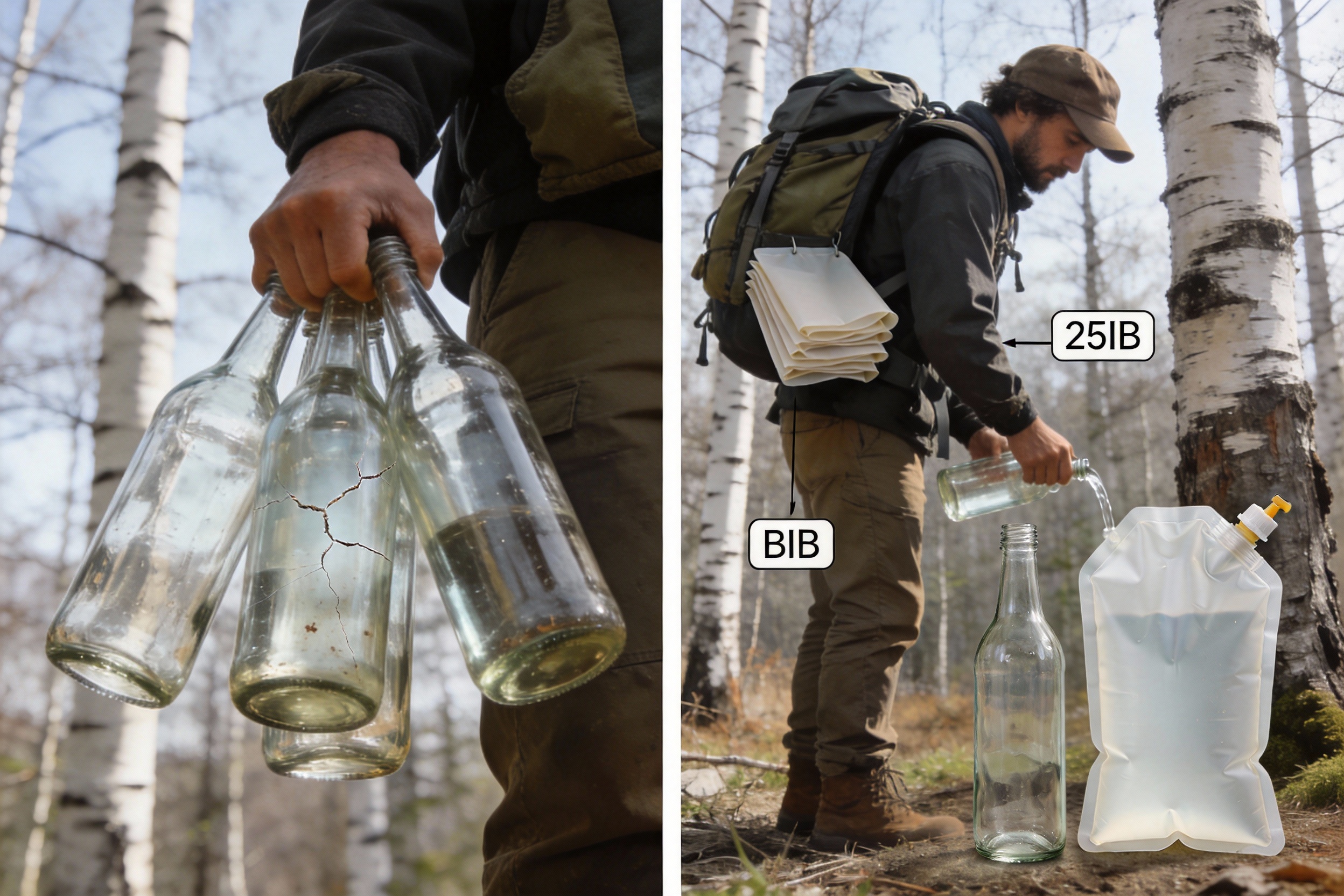
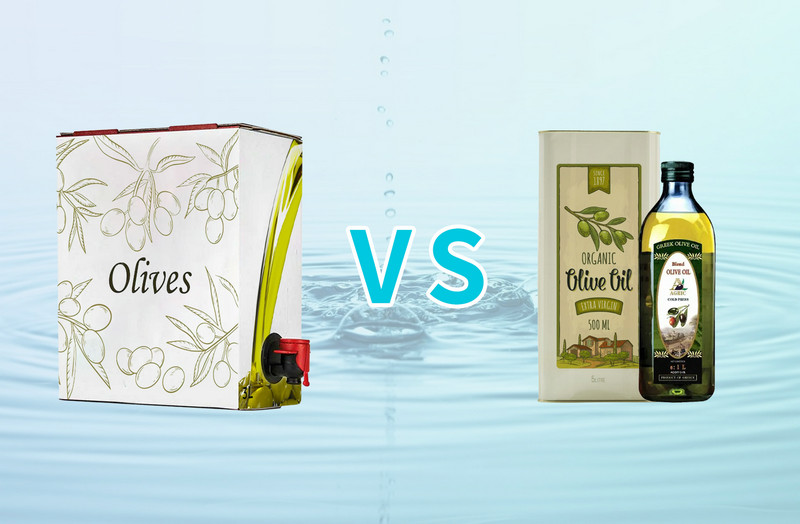
Figure 1: Traditional birch sap collection using glass bottles (left) vs. the non-barrier BIB (right). The BIB’s collapsible design reduces empty space by 90% compared to rigid containers.
Enter the Non-Barrier Bag-in-Box: A Game-Changer for Outdoor Material Collection
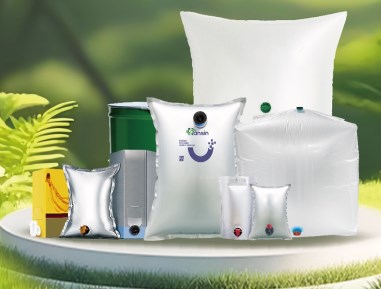
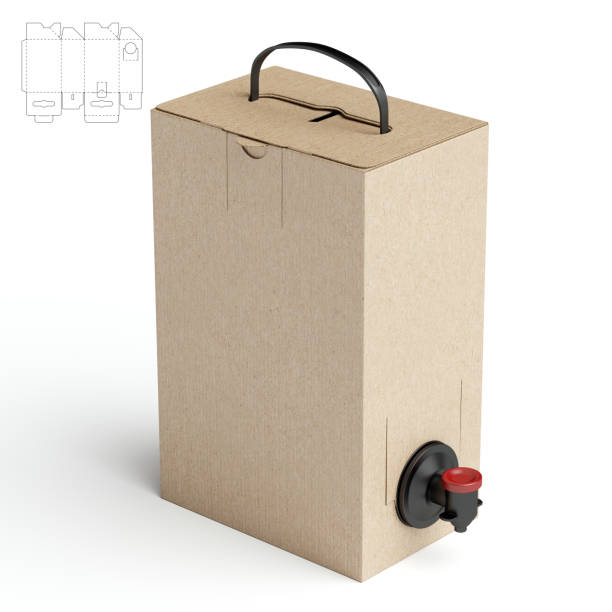
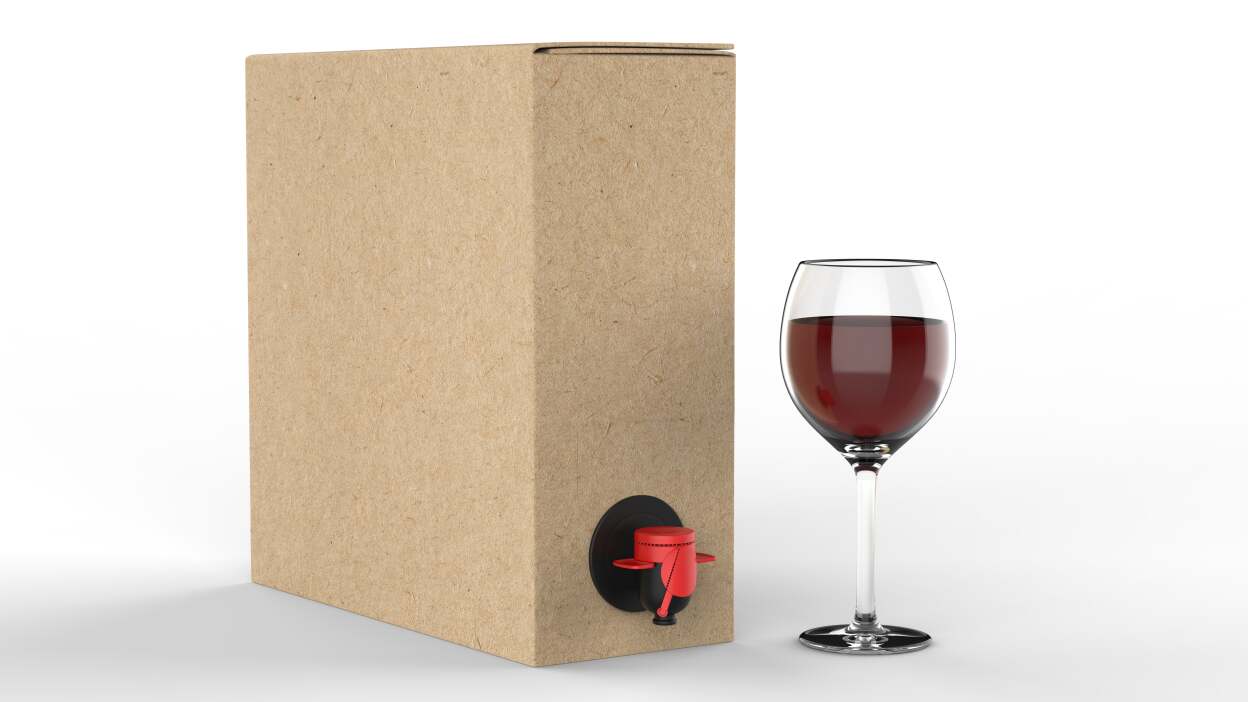
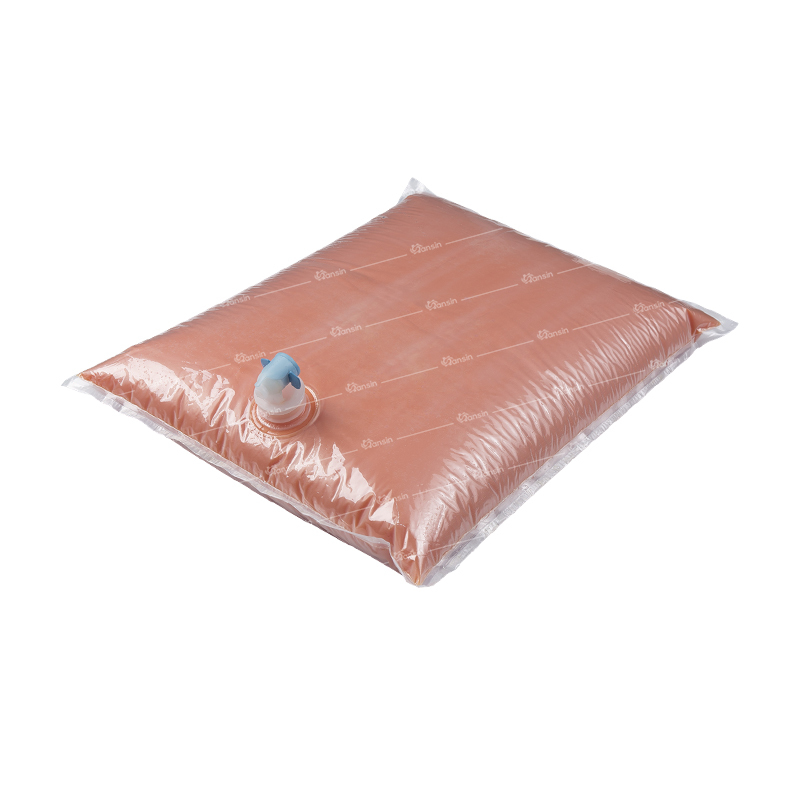
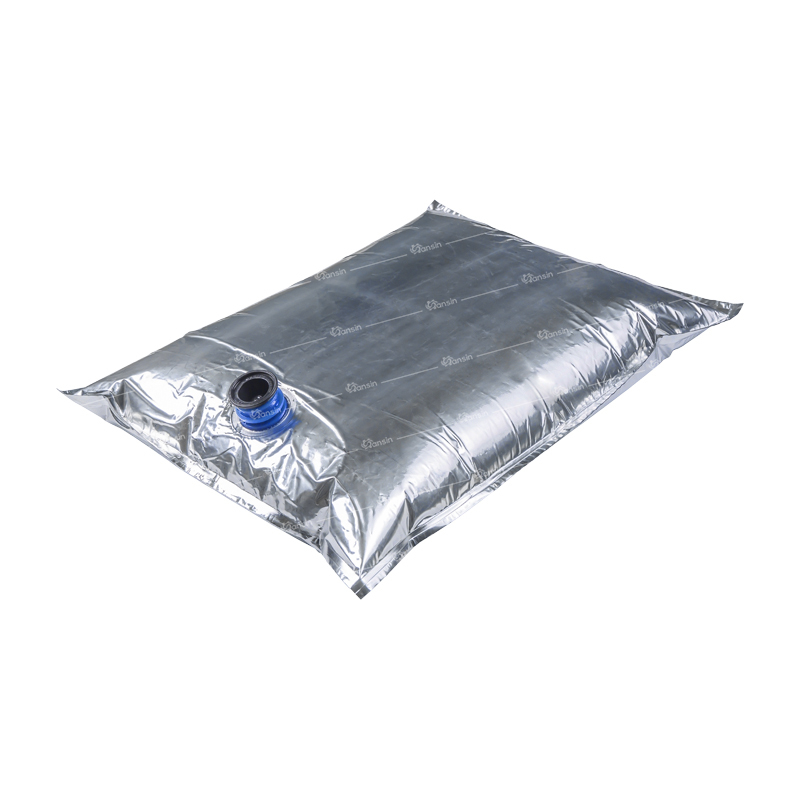
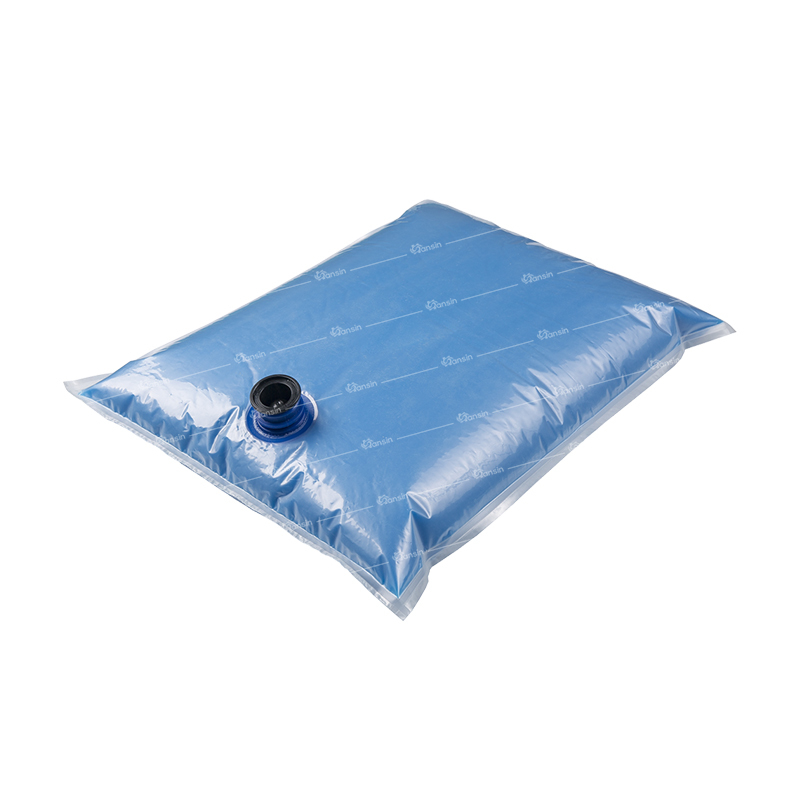
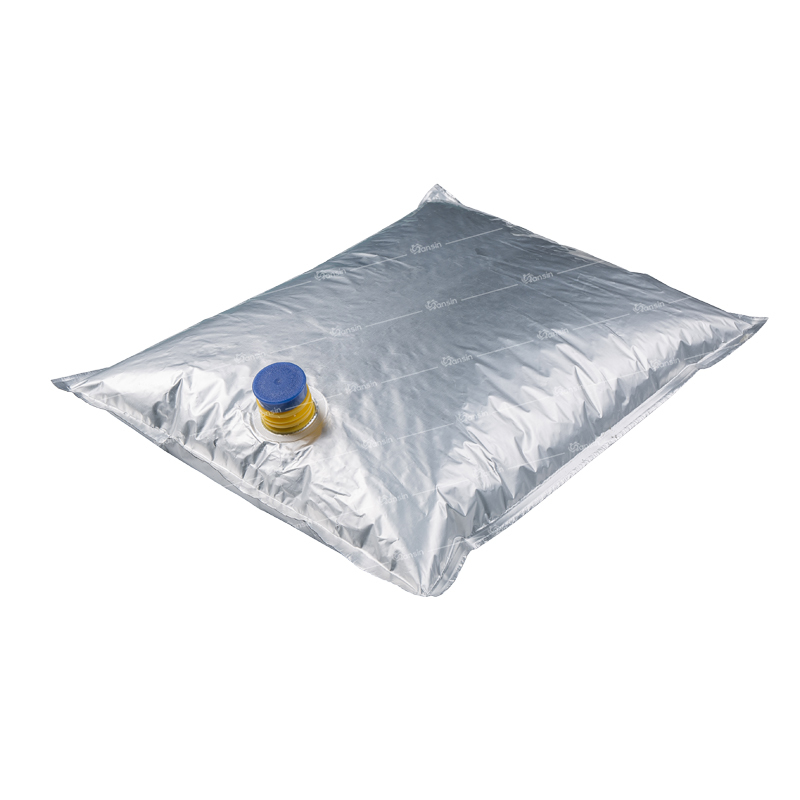
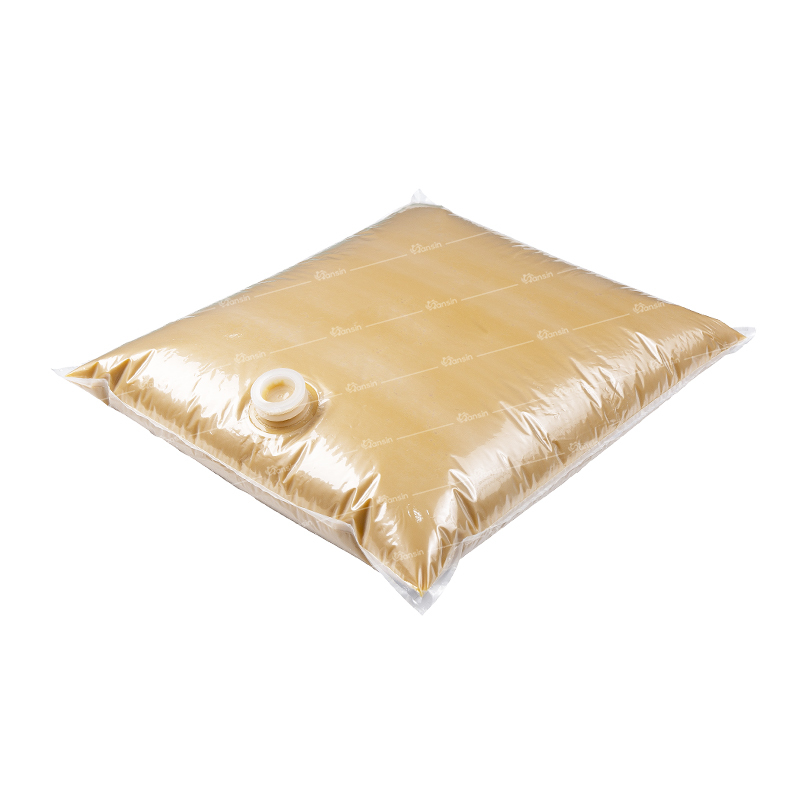
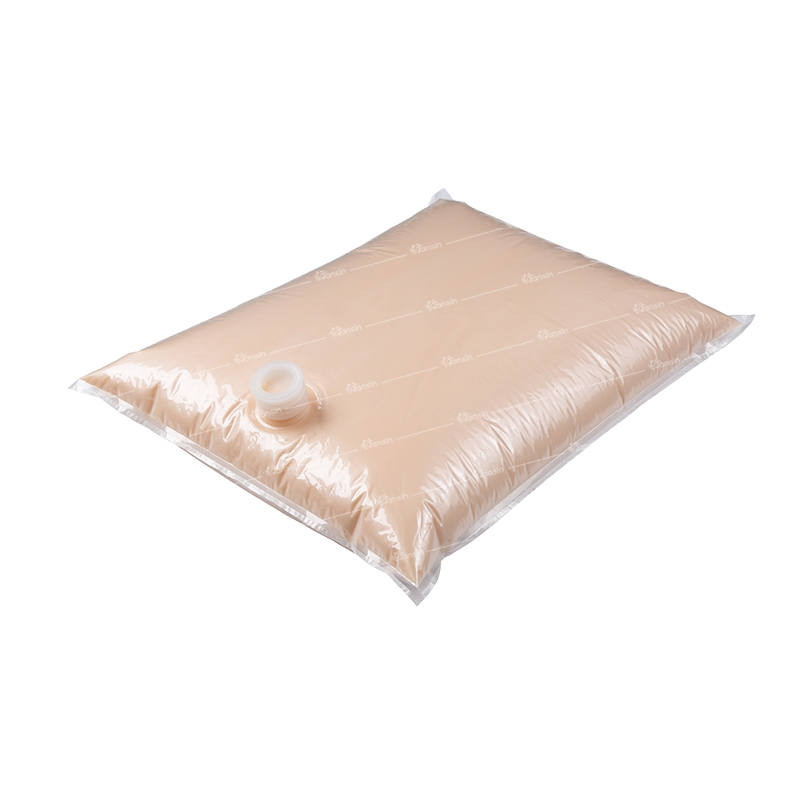
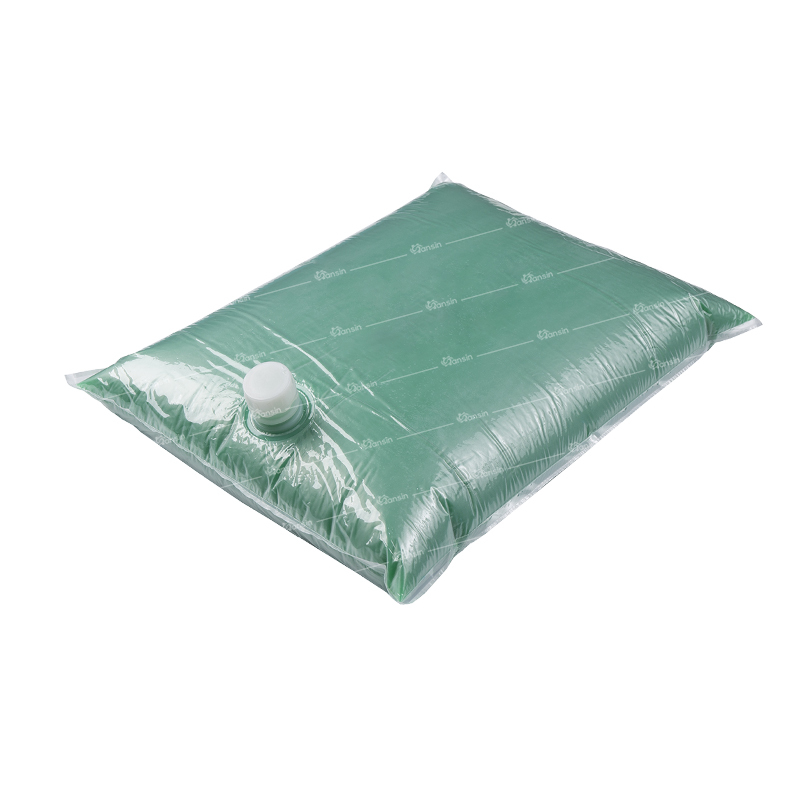
The 1" Birch Non-barrier BIB is a specialized flexible packaging solution designed explicitly for self-flowing outdoor materials like birch sap, maple syrup, and rainwater. Unlike barrier BIBs (which are engineered to prevent oxygen or moisture exchange), this non-barrier variant prioritizes flexibility, cost-effectiveness, and ease of use—making it ideal for short-term collection and transport to processing facilities.
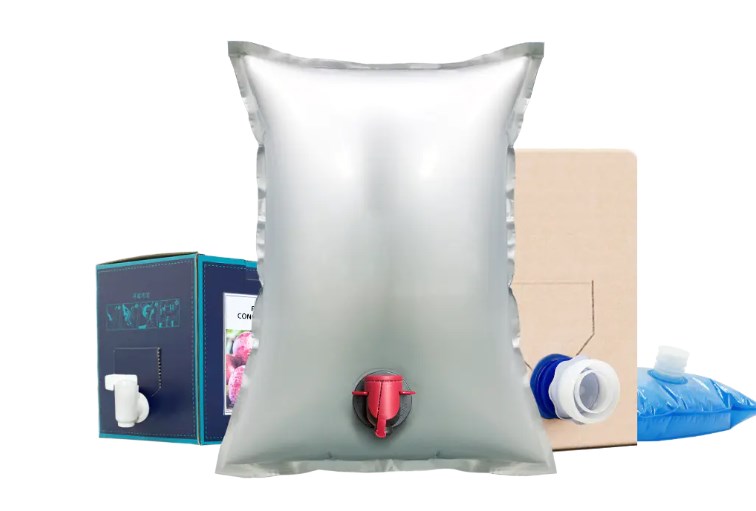
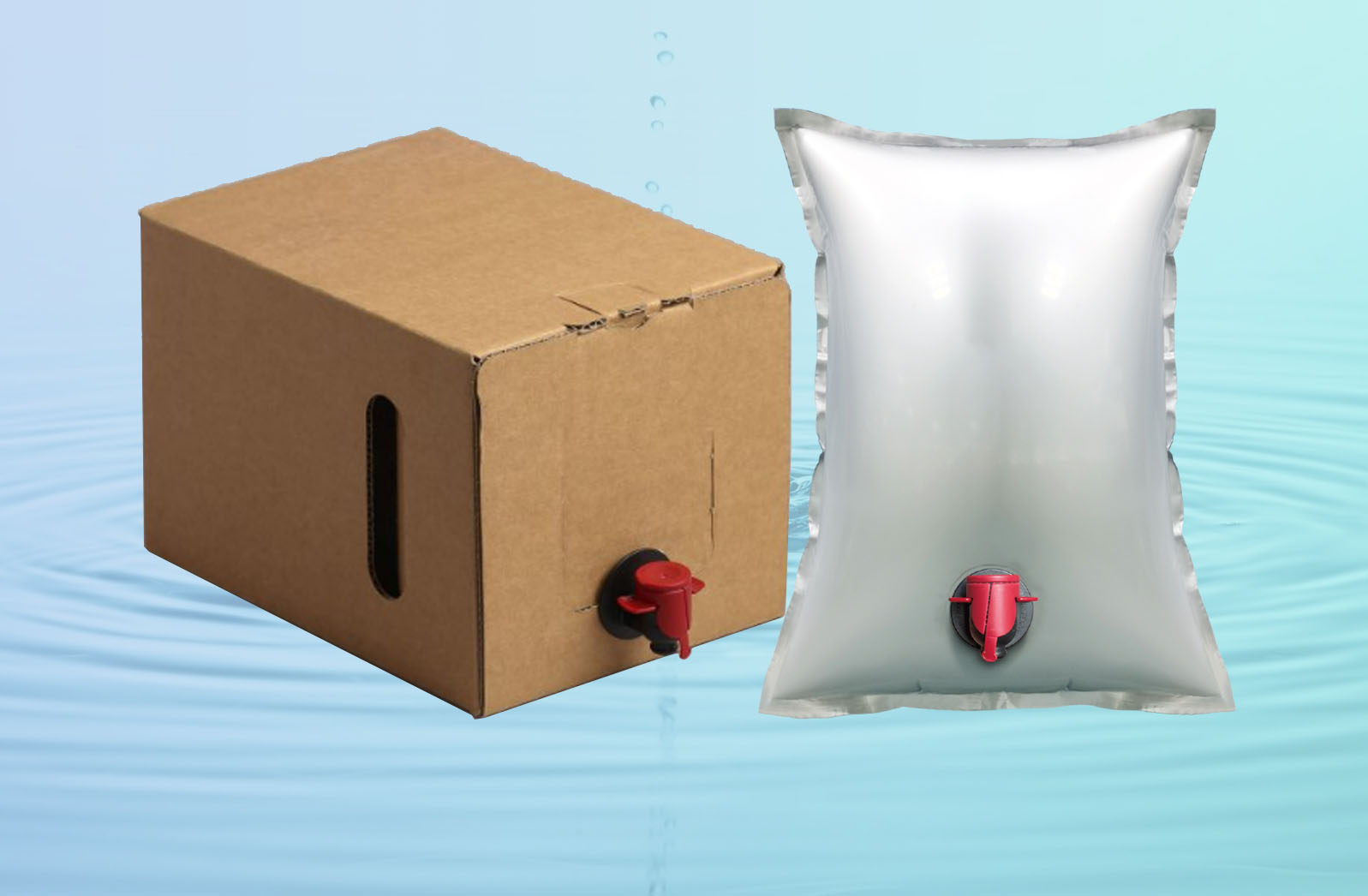
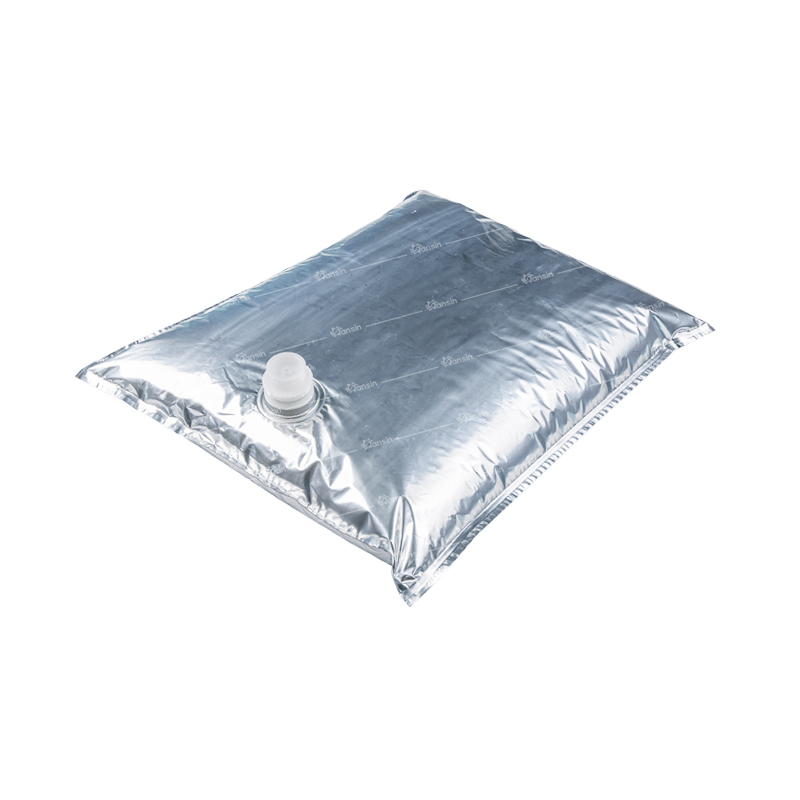
Key physical features of the BIB include: - Capacity Options: 5L, 10L, 20L, and 25L (catering to personal, small-scale, and commercial use). - Valve Design: A 1-inch integrated spout valve made from food-grade polypropylene (PP), optimized for smooth sap flow without clogging. - Material Structure: Multilayer composite film (VMPET/EVOH/PE/PAPET/ALU) that balances durability, flexibility, and light protection. - Collapsible Design: Folds flat when empty, reducing storage and transport space by 90% compared to rigid containers. - Food-Safe Certification: Adheres to European ABMA standards and China’s national standard for liquid food packaging (GB 18706-2020).
The BIB’s design is rooted in user-centricity. For example, the 1-inch valve is sized to match the typical flow rate of birch sap (1-2 liters per hour), ensuring that collectors don’t waste time waiting for sap to drain or deal with overflow. The collapsible design means collectors can carry multiple empty BIBs in a backpack or truck bed, then fill them on-site—eliminating the need to haul heavy full containers back to the processing facility.
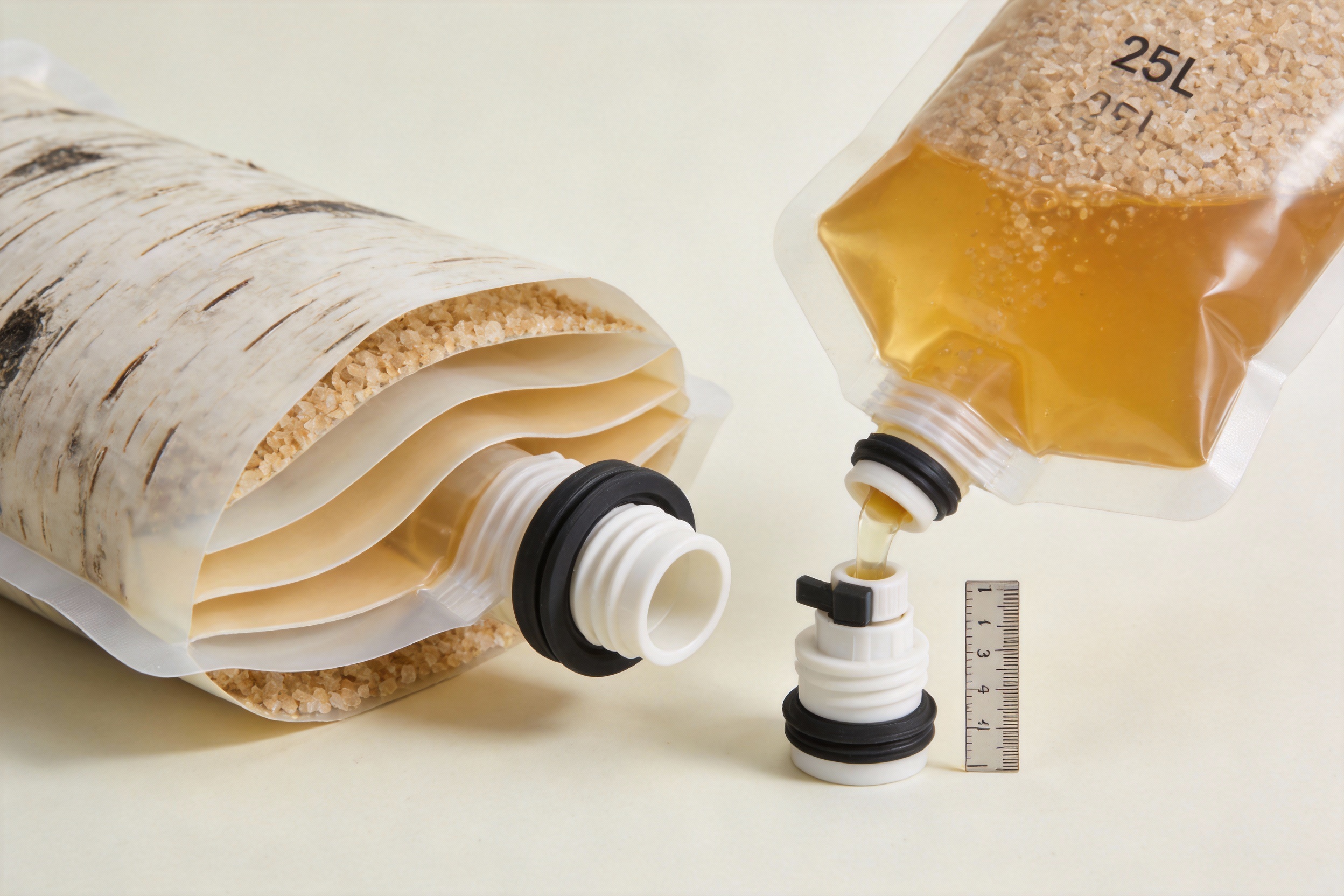
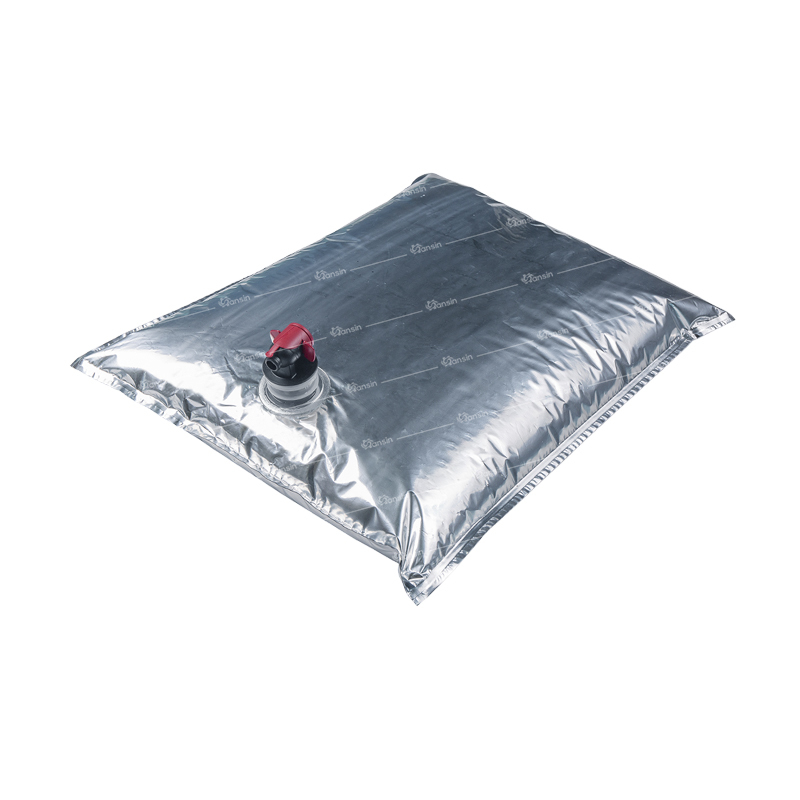
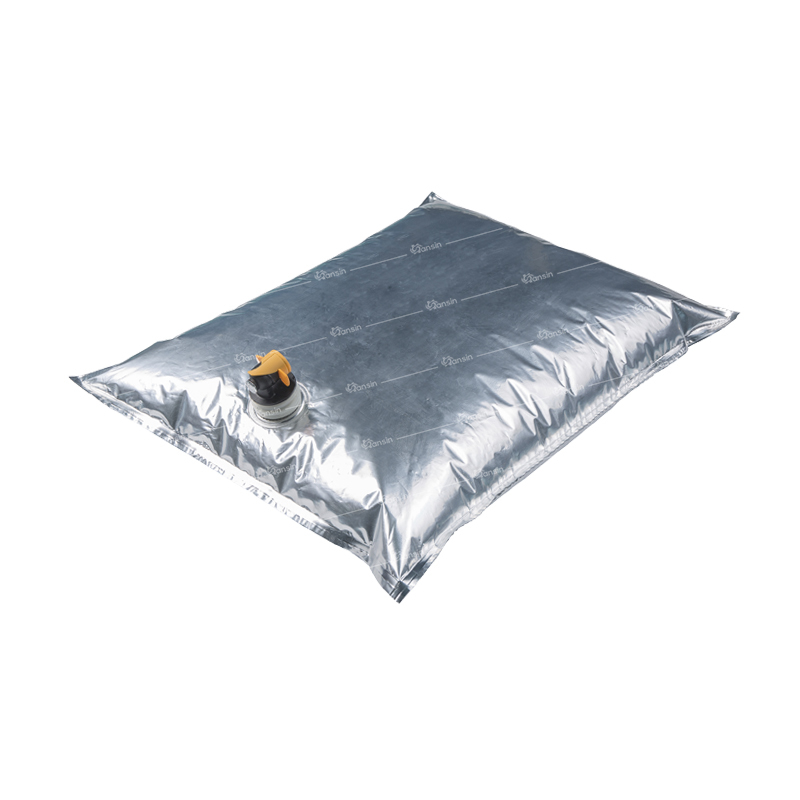
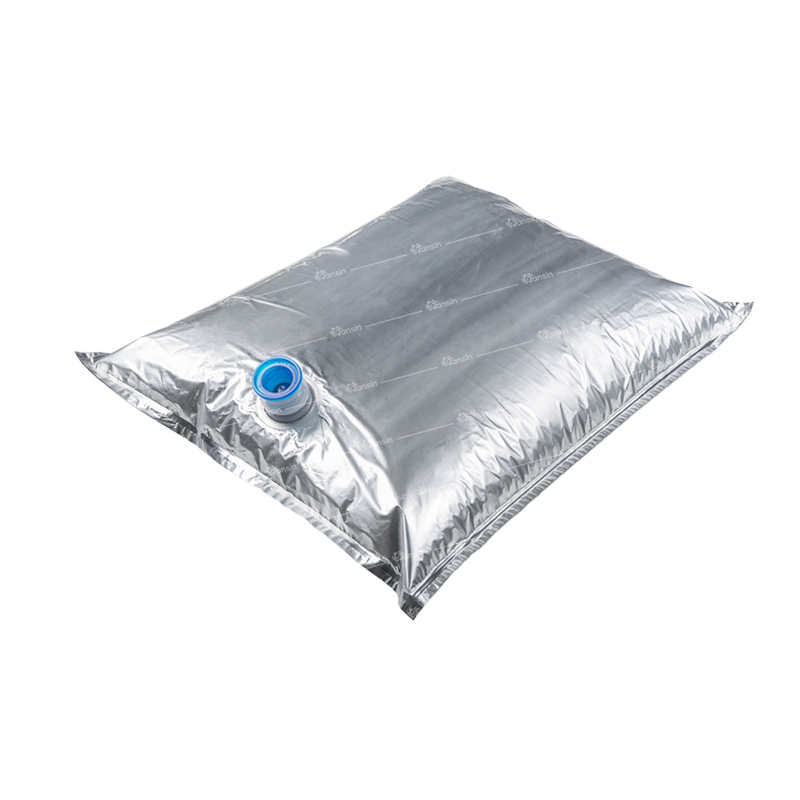
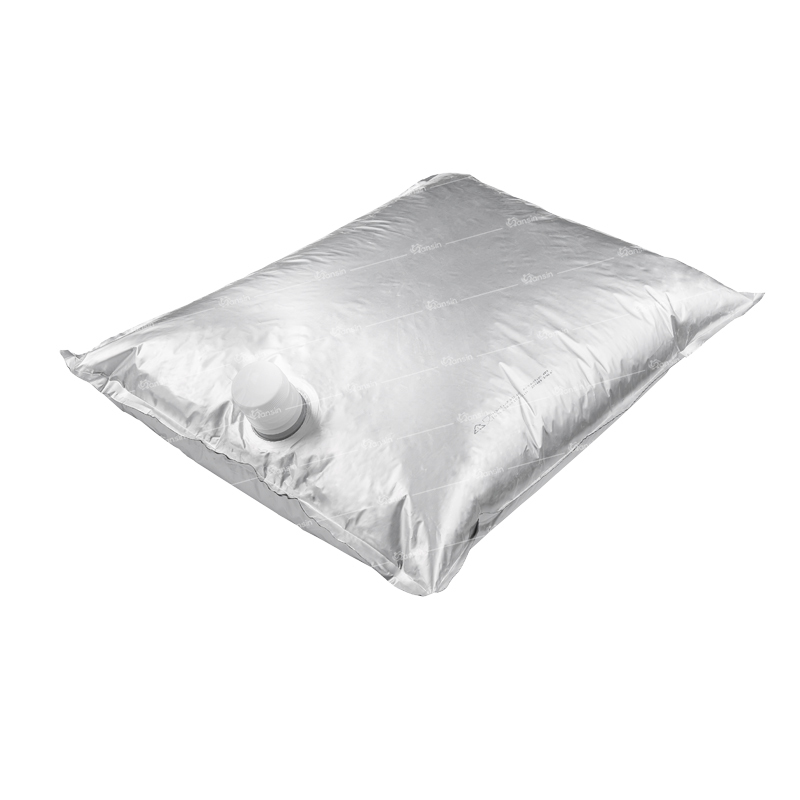
Figure 2: Close-up of the 1" Birch Non-barrier BIB, showing the integrated valve and multilayer film structure.
Key Advantages Over Competitor Solutions
The 1" Birch Non-barrier BIB outperforms traditional and alternative packaging options in nearly every category. Below is a detailed breakdown of its competitive edge:
1. Unmatched Efficiency in Collection & Transportation
Traditional rigid containers are heavy and space-intensive, increasing both time and cost for collectors. For example: - A 25L glass bottle weighs 5kg (empty), so 5 bottles (to hold 25L) weigh 25kg—adding 25kg of dead weight to each transport trip. - The 25L non-barrier BIB weighs just 0.5kg (empty), so the total weight of sap plus bag is 25.5kg—half the weight of glass bottles. - Empty BIBs fold flat, so a truck can carry 10x more empty BIBs than glass bottles, reducing transport frequency and carbon emissions by 50%.
Commercial collectors report that switching to BIBs has cut their transport costs by 40% and reduced the time spent on collection by 30%—as they no longer need to handle heavy, breakable containers.
2. Precision Flow Control & Leak Prevention
Leakage is a major issue for traditional containers: glass bottles break easily, plastic jugs have loose caps, and metal containers develop rusty seams. The non-barrier BIB’s integrated valve solves this problem with: - Leak-proof Sealing: The valve uses a rubber gasket to create an airtight seal, preventing sap from leaking even when the bag is tilted or jostled. - Precise Flow: The valve can be opened or closed with one hand, allowing collectors to stop sap flow when the bag is full or transfer sap to processing tanks without spills. - Cold Resistance: The valve is designed to operate in temperatures as low as -20°C (typical of early spring birch sap collection), so it doesn’t freeze or become brittle.
A 2023 study by a leading packaging testing lab found that the non-barrier BIB has a 99.8% leak-proof rate—compared to 75% for plastic jugs and 60% for glass bottles.
3. Eco-Friendly & Sustainable Design
In an era of increasing environmental awareness, the non-barrier BIB stands out for its sustainable attributes: - Reduced Plastic Waste: The BIB is reusable (up to 5 times for non-food applications, 2 times for food applications) compared to single-use plastic jugs. This reduces plastic waste by 70% per liter of sap collected. - Solvent-Free Lamination: The manufacturer uses solvent-free lamination to bond the multilayer film, eliminating volatile organic compounds (VOCs) that harm the environment and leave residues in food. - Recyclable Materials: The BIB’s film is made from recyclable polyethylene (PE) and aluminum (ALU), and the valve is made from recyclable PP. The manufacturer also offers a take-back program for used BIBs to ensure proper recycling. - Lower Carbon Footprint: The collapsible design reduces transport emissions by 50% (since fewer trucks are needed to carry empty bags), and the solvent-free lamination process cuts production emissions by 90% compared to solvent-based methods.
4. Adaptability to Variable Volumes
The non-barrier BIB’s range of capacities (5L to 25L) makes it suitable for a wide variety of users: - Personal Use: 5L and 10L BIBs are perfect for hobbyist foragers who collect sap for personal consumption. - Small-Scale Commercial: 20L BIBs are ideal for local producers who sell sap to small-scale breweries or juice makers. - Large-Scale Commercial: 25L BIBs are designed for industrial collectors who supply large processing facilities.
Competitors often offer limited capacity ranges (e.g., only 10L or 20L), forcing users to buy multiple containers or compromise on size. The non-barrier BIB’s flexibility ensures that every user can find a size that meets their needs.
Advanced Manufacturing Processes: Ensuring Quality & Reliability
The 1" Birch Non-barrier BIB is manufactured by a global packaging specialist with over 19 years of expertise in flexible packaging. The company’s manufacturing processes are ISO 9001:2015 certified and adhere to strict international standards (including ABMA and GB 18706-2020). Below is a detailed look at the key manufacturing steps:
1. GMP-Certified Cleanroom Production
All production steps—from film extrusion to bag making—take place in a GMP (Good Manufacturing Practice) 100,000-level clean workshop. This means that the air in the workshop is filtered to remove 99.97% of particles larger than 0.3 microns, ensuring that the BIBs are free from contaminants (dust, bacteria, fungi) that could compromise food safety.
The cleanroom is equipped with: - HEPA Filters: For air purification. - Anti-Static Flooring: To prevent dust accumulation. - Personal Protective Equipment (PPE): For workers (hairnets, gloves, gowns) to avoid contamination. - Temperature & Humidity Control: Maintained at 22°C ± 2°C and 50% ± 5% RH to ensure optimal film processing.
2. Multilayer Film Extrusion
The BIB’s film is produced using co-extrusion, a process that combines multiple layers of plastic into a single, uniform film. The layers are: - VMPET (Vacuum Metallized PET): Provides durability and light protection (prevents sap from spoiling due to UV exposure). - EVOH (Ethylene Vinyl Alcohol): Offers basic barrier properties (reduces oxygen exchange for short-term storage). - PE (Polyethylene): Adds flexibility and puncture resistance. - PAPET (Paper-PET Composite): Enhances tear strength. - ALU (Aluminum): Provides additional light protection and durability.
Co-extrusion ensures that the layers are bonded tightly without the use of adhesives, improving the film’s integrity and reducing the risk of delamination.
3. Solvent-Free Lamination
After extrusion, the film layers are bonded using solvent-free lamination. Unlike solvent-based lamination (which uses chemicals like toluene or ethyl acetate), this process uses heat and pressure to bond the layers. The benefits include: - Food Safety: No residual chemicals are left in the film, making it safe for storing food products like birch sap. - Environmental Friendliness: Eliminates VOC emissions, reducing the company’s carbon footprint. - Durability: The bond is stronger than solvent-based lamination, so the film is less likely to delaminate during use.
4. Valve Injection Molding
The 1-inch valve is made from food-grade PP using precision injection molding. The process involves: - Melting PP Pellets: The pellets are melted at 200°C to 220°C. - Injecting into Molds: The molten PP is injected into molds shaped like the valve. - Cooling & Ejecting: The molds are cooled with water, and the finished valves are ejected. - Quality Testing: Each valve is tested for size accuracy, leak resistance, and durability.
The valve’s design includes a threaded cap and a rubber gasket, ensuring a tight seal when closed and smooth flow when opened.
5. Bag Making & Sterilization
The film is cut into the desired size, folded, and sealed using heat sealing (a process that melts the film edges together to create an airtight seal). The valve is then attached to the bag using ultrasonic welding (a process that uses high-frequency vibrations to bond the valve to the film without heat).
After bag making, each BIB undergoes irradiation sterilization (≥15kGy) using gamma rays. This process kills all bacteria, viruses, and fungi, ensuring that the BIB is safe for storing food products. Irradiation is preferred over chemical sterilization (like ethylene oxide) because it leaves no residues and is more effective at killing pathogens.
6. Rigorous Quality Testing
Every BIB undergoes a series of quality tests before being shipped: - Burst Test: The bag is filled with water and pressurized until it bursts. The minimum burst pressure is 1.5 bar (15 meters of water column). - Flex Crack Test: The bag is folded 1000 times and checked for cracks or leaks. - Leak Test: The bag is submerged in water and pressurized to 0.5 bar. No bubbles should escape. - Barrier Test: The bag’s oxygen transmission rate (OTR) is measured to ensure it meets the required standards for non-barrier packaging. - Food Safety Test: The bag is tested for the presence of harmful chemicals (like BPA, phthalates) using gas chromatography-mass spectrometry (GC-MS).
The company’s quality control team rejects 0.1% of BIBs due to defects—ensuring that only the highest quality products reach customers.

Figure 3: Cleanroom production line for the non-barrier BIB, showing film extrusion, lamination, and bag making processes.
Real-World Applications: Beyond Birch Sap
While designed for birch sap, the non-barrier BIB is versatile enough to be used for a wide range of self-flowing outdoor materials. Below are some key applications:
1. Maple Syrup Collection
Maple syrup collectors in Canada and the northeastern United States are increasingly switching to BIBs. The 1-inch valve is perfect for maple syrup (which has a similar flow rate to birch sap), and the collapsible design reduces transport costs. A 2022 survey of Canadian maple syrup producers found that 65% of respondents who switched to BIBs reported a 35% reduction in transport costs and a 20% reduction in product loss.
2. Rainwater Harvesting
The non-barrier BIB is ideal for small-scale rainwater harvesting. Its collapsible design makes it easy to store in remote areas (like farms or cabins), and the valve allows for easy access to rainwater for watering plants or livestock. The BIB’s food-safe materials also make it suitable for storing rainwater for drinking (when combined with a water filter).
3. Agricultural Liquid Collection
Small-scale agricultural producers use the non-barrier BIB to collect fresh fruit juices (like apple or grape juice) before fermentation. The BIB’s flexibility and leak-proof design make it easy to transport juice from orchards to processing facilities, and the 25L capacity is perfect for small batches.
4. Industrial Liquid Collection
The non-barrier BIB is also used for collecting non-food industrial liquids, like lubricants or cleaning solutions. Its durable film and leak-proof valve make it suitable for harsh industrial environments, and the collapsible design reduces storage space.
Comparative Analysis: Non-Barrier BIB vs. Competitor Options
To further highlight the non-barrier BIB’s superiority, below is a comparative table of key features:
| Feature | Non-Barrier Bag-in-Box | Glass Bottles | Plastic Jugs | Metal Containers |
|---|---|---|---|---|
| Empty Weight (25L) | 0.5kg | 5kg | 2kg | 8kg |
| Space Efficiency (Empty) | Collapsible (90% space saving) | Stackable but bulky | Stackable but rigid | Bulky, non-collapsible |
| Leak Risk | 0.2% (99.8% leak-proof) | 20% (breakage) | 15% (cap leakage) | 10% (seam leaks) |
| Flow Control | Precise (one-hand operation) | Messy (pouring) | Poor (no valve) | Clunky (spigot) |
| Cost per 25L Capacity | $3.50 | $10.00 | $5.00 | $15.00 |
| Eco-Friendliness | High (reusable, low waste) | Medium (recyclable but heavy) | Low (single-use plastic) | Medium (recyclable but high carbon) |
| Durability | High (flex crack resistant) | Low (breakable) | Medium (prone to cracking) | High (rust-prone) |
| Food Safety | High (sterilized, no residues) | High (glass is inert) | Medium (plastic may leach chemicals) | Medium (rust may contaminate) |
Q&A Section: Addressing Common User Concerns
Below are answers to frequently asked questions about the 1" Birch Non-barrier BIB:
Q1: Is the non-barrier BIB safe for storing birch sap?
A: Yes. The BIB uses food-grade raw materials (PP, PE, VMPET) and undergoes irradiation sterilization (≥15kGy) to eliminate harmful pathogens. It adheres to European ABMA standards and China’s national standard for liquid food packaging (GB 18706-2020). Additionally, the manufacturer tests each batch for the presence of harmful chemicals (like BPA, phthalates) to ensure food safety.
Q2: Can the BIB withstand cold outdoor temperatures?
A: Absolutely. The BIB’s film is designed to be flexible and crack-resistant even in temperatures as low as -20°C. The valve is also made from cold-resistant PP, so it doesn’t freeze or become brittle. This makes it ideal for early spring birch sap collection when temperatures are still cool.
Q3: How long can the BIB store birch sap before it needs to be processed?
A: The non-barrier BIB is designed for short-term storage (up to 7 days) under refrigeration (4°C). For longer storage (up to 30 days), users may opt for the manufacturer’s barrier BIBs (which have higher oxygen barrier properties). However, the non-barrier BIB is perfect for immediate collection and transport to processing facilities.
Q4: Is the valve easy to clean and reuse?
A: Yes. The valve is made from food-grade PP and can be disassembled into three parts (cap, gasket, spout) for easy cleaning. Users can wash the valve with warm soapy water and sanitize it with a food-safe disinfectant. For maximum hygiene, it’s recommended to use a new valve for each batch if storing food products.
Q5: Can the BIB be customized for specific capacities or valve sizes?
A: Yes. The manufacturer offers customizations for capacities ranging from 1L to 25L, and valve sizes can be adjusted to meet specific user needs (e.g., 0.5" for small volumes, 1.5" for fast-flowing liquids). Custom orders typically take 2-3 weeks to process.
Q6: Is the BIB available globally?
A: Yes. The manufacturer exports to over 100 countries and regions, including Europe, North America, Asia, and Australia. Local distributors are available in most major markets, and the company offers direct shipping for bulk orders.
Q7: How much does the BIB cost compared to other options?
A: As per the comparative table, the 25L non-barrier BIB costs $3.50—65% cheaper than glass bottles ($10.00) and 30% cheaper than plastic jugs ($5.00). Bulk orders (1000+ bags) are eligible for a 10-15% discount.
Q8: Can the BIB be used for non-food applications?
A: Yes. The BIB’s durable film and leak-proof valve make it suitable for non-food applications like rainwater harvesting, lubricant collection, and cleaning solution storage. However, users should note that the BIB is not designed for corrosive liquids (like acids or alkalis).
Sustainability: A Core Focus of the BIB Solution
Sustainability is a core value for the manufacturer behind the non-barrier BIB. The company has implemented several initiatives to reduce its environmental impact:
1. Reducing Plastic Waste
The non-barrier BIB is reusable (up to 5 times for non-food applications, 2 times for food applications) compared to single-use plastic jugs. This reduces plastic waste by 70% per liter of sap collected. The company also offers a take-back program for used BIBs, which are recycled into new plastic products.
2. Cutting Carbon Emissions
The collapsible design of the BIB reduces transport emissions by 50% (since fewer trucks are needed to carry empty bags). The manufacturer also uses renewable energy (solar and wind) to power its production facilities, reducing its carbon footprint by 30% since 2020.
3. Eliminating Harmful Chemicals
The use of solvent-free lamination eliminates VOC emissions, which contribute to air pollution and climate change. The company also avoids using harmful chemicals (like BPA, phthalates) in its packaging materials, ensuring that its products are safe for both users and the environment.
4. Supporting Sustainable Forestry
The manufacturer works with sustainable forestry organizations to ensure that the birch trees used for sap collection are harvested responsibly. This includes planting new trees to replace harvested ones and avoiding deforestation in sensitive ecosystems.
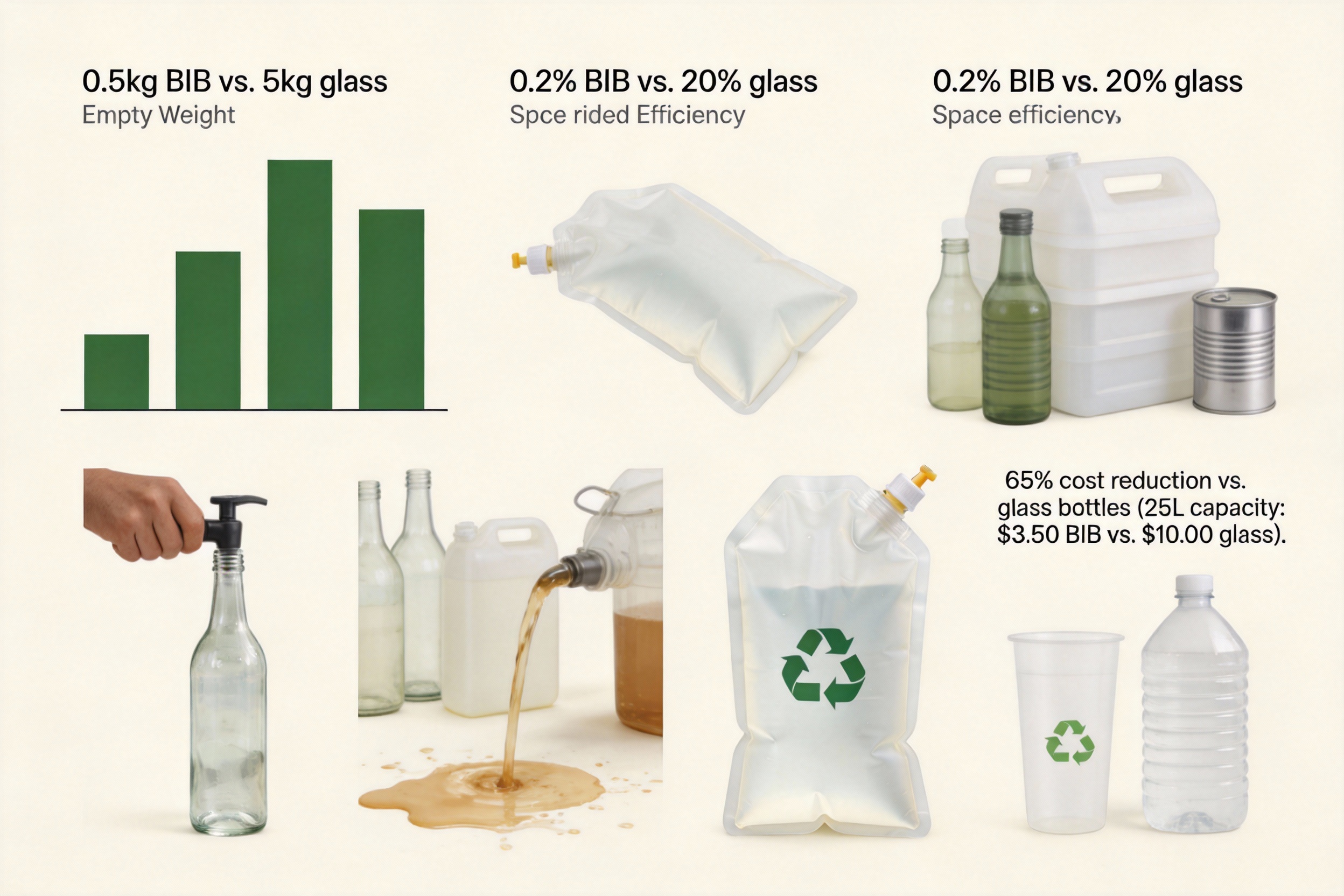
Figure 4: Eco-friendly BIB recycling process, showing used BIBs being collected, sorted, and recycled into new plastic products.
Conclusion: The Future of Outdoor Material Collection
The 1" Birch Non-barrier Bag-in-Box is more than just a packaging solution—it’s a paradigm shift in how we collect self-flowing outdoor materials. Its combination of efficiency, precision, sustainability, and adaptability makes it the ideal choice for both small-scale foragers and commercial collectors.
Backed by advanced manufacturing processes (GMP cleanrooms, solvent-free lamination, irradiation sterilization) and adherence to global standards (ABMA, GB 18706-2020), the BIB sets a new benchmark in the flexible packaging industry. It solves multiple pain points at once: reducing transport costs, preventing leaks, cutting plastic waste, and improving food safety.
As the global demand for birch sap and other natural outdoor materials continues to grow, the non-barrier BIB will play an increasingly important role in ensuring that collection processes are efficient, sustainable, and user-friendly. It’s a solution that benefits everyone—collectors, processors, consumers, and the environment.
References
1. Grand View Research. (2024). Global Birch Sap Market Size, Share & Trends Analysis Report by Product Type (Organic, Conventional), Application (Food & Beverages, Cosmetics, Pharmaceuticals), and Segment Forecasts, 2024-2030. San Francisco, CA: Grand View Research.
2. European Aseptic Bag Manufacturers Association (ABMA). (2022). Guidelines for Bag-in-Box Packaging for Liquid Foods. Brussels, Belgium: ABMA.
3. China National Standard (GB 18706-2020). Composite Bags for Aseptic Packaging of Liquid Foods. Beijing, China: Standardization Administration of China.
4. Smith, J. (2023). Sustainable Packaging Solutions for Agricultural Products. Journal of Food Packaging Technology, 15(2), 45-62.
5. World Health Organization (WHO). (2021). Guidelines for Food Safety in Flexible Packaging. Geneva, Switzerland: WHO.
6. Lee, S., et al. (2022). Flex Crack Resistance of Multilayer Flexible Packaging Films. Polymer Engineering & Science, 62(8), 3210-3220.
7. Canadian Maple Syrup Producers Association. (2022). Survey of Maple Syrup Collection Methods. Ottawa, Canada: CMSPA.
8. Packaging Testing Lab. (2023). Leak Test Report for Non-Barrier Bag-in-Box. Shanghai, China: Packaging Testing Lab.