
 中文简体
中文简体 英语
英语 西班牙语
西班牙语 俄语
俄语 葡萄牙语
葡萄牙语 法语
法语 德语
德语 意大利语
意大利语




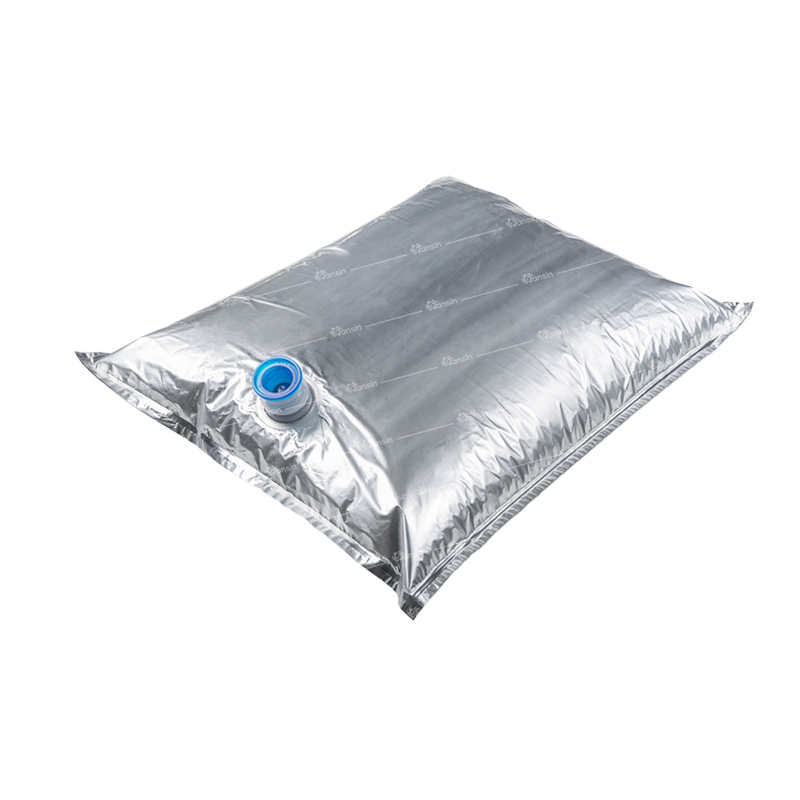
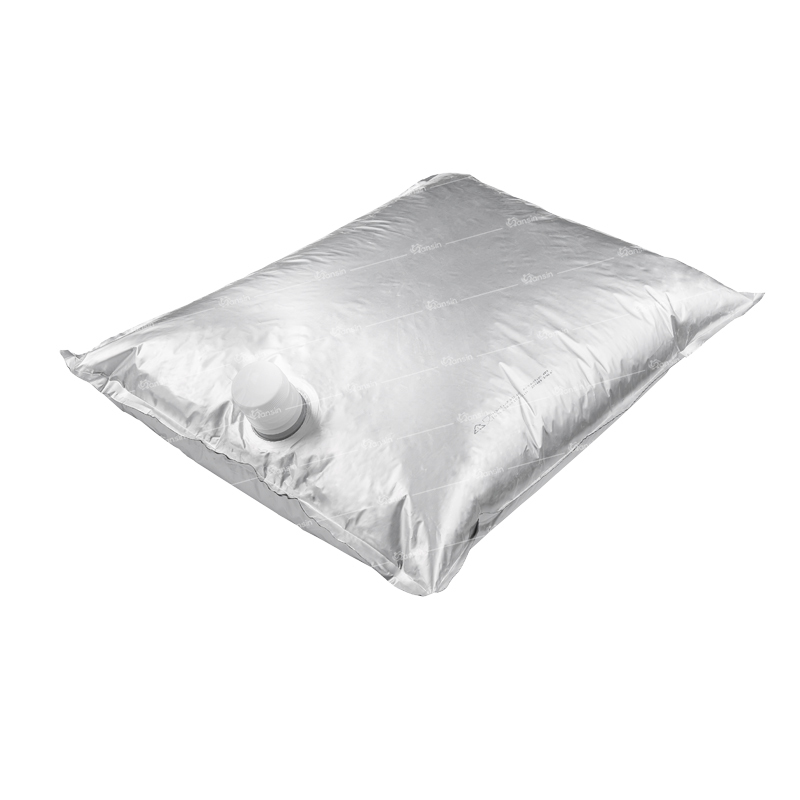
In the global supply chain of liquid products—from cosmetics and food ingredients to industrial chemicals—Intermediate Bulk Containers (IBCs) have long been the backbone of bulk transport. However, traditional IBC liners, with their single-spout design, have left critical gaps: sequential fill-and-drain processes that waste time, residual product that increases costs, and cross-contamination risks that threaten product integrity. Enter the double spout IBC liner: an innovative solution that redefines efficiency, purity, and sustainability in liquid handling. This article explores how this product outperforms competitors, the advanced manufacturing processes that ensure its quality, and the real-world impact it delivers across industries.
The Evolution of IBC Liners: From Limitations to Innovation
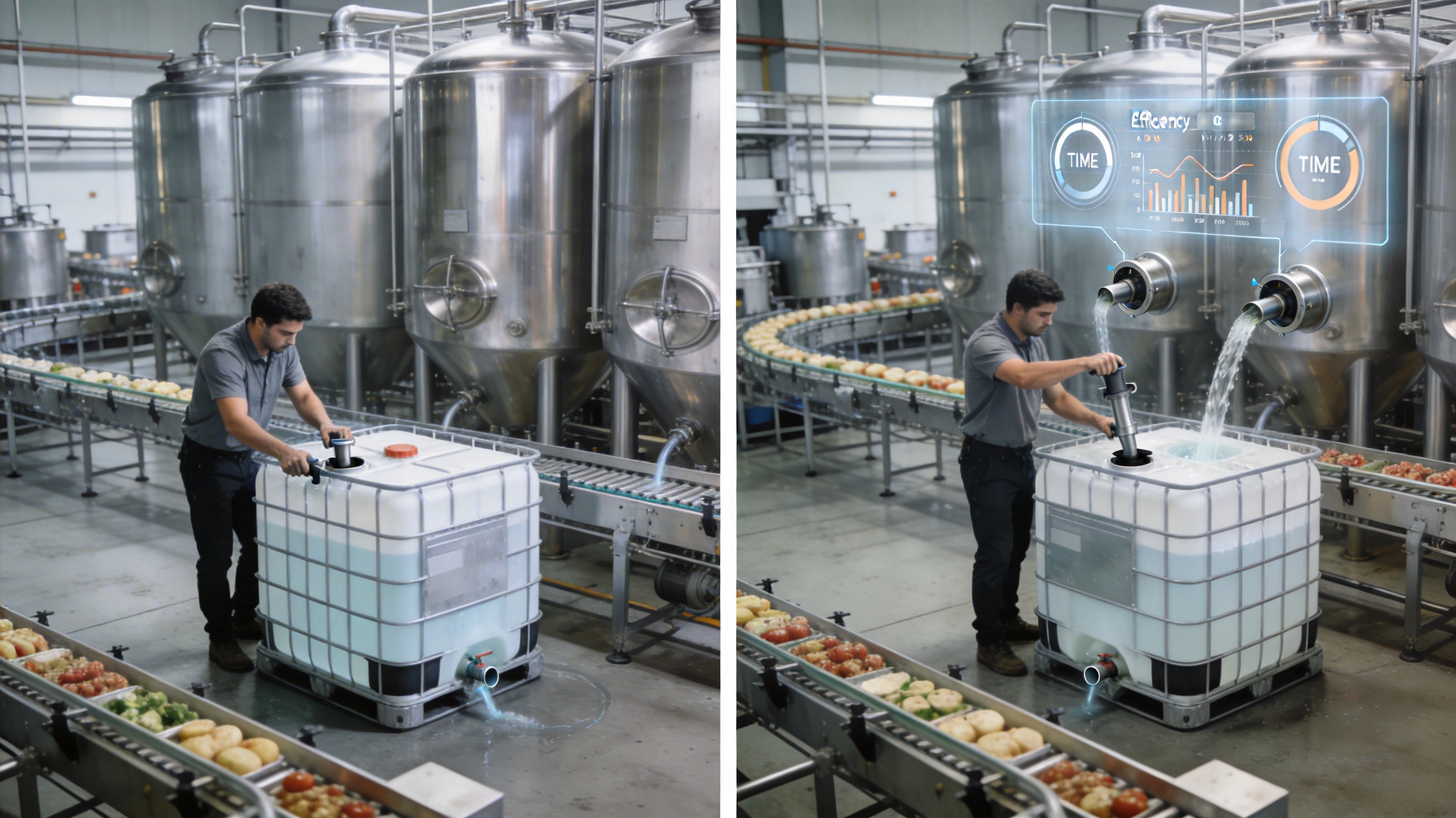
Before diving into the double spout liner’s advantages, it’s essential to contextualize the challenges of traditional IBC systems. Single-spout liners require operators to first fill the liner through one spout, then switch to the same spout for discharge—creating downtime that can extend batch processing by hours. For industries like cosmetics, where raw material batches are time-sensitive, this delay can disrupt production schedules and reduce output. Additionally, single-spout liners often leave 5–10% of product residue, translating to significant financial losses for businesses handling high-value liquids like pharmaceutical ingredients or premium oils.
Cross-contamination is another critical issue. When the same spout is used for filling and discharging, residual product from previous batches can mix with new materials—leading to non-compliant products, recalls, and damaged brand reputation. For food and pharmaceutical industries, where purity is non-negotiable, this risk is unacceptable. The double spout IBC liner addresses all these pain points with a design that separates fill and discharge functions, eliminating sequential steps and contamination risks.
Core Advantages of Double Spout IBC Liners Over Competitors
1. Simultaneous Filling and Discharging: Minimizing Downtime
The most immediate benefit of the double spout design is its ability to enable simultaneous filling and discharging. Unlike single-spout liners, which force operators to wait for one process to finish before starting the next, the dual-spout system allows both operations to occur in parallel. For example, a food manufacturer producing 1000L batches of fruit juice can fill a new liner while discharging the previous batch—reducing total processing time by up to 40%. This efficiency gain directly translates to higher production volumes, shorter lead times, and increased profitability.
Competitors’ single-spout liners lack this capability, forcing businesses to invest in additional IBCs or extend shift hours to meet demand. The double spout liner eliminates this need, making it a cost-effective solution for high-volume production facilities.
2. Enhanced Product Purity: Separate Spouts Prevent Cross-Contamination
Product purity is a make-or-break factor for industries like pharmaceuticals, baby food, and cosmetics. The double spout liner’s separate fill and discharge spouts ensure that no residual product from previous batches mixes with new materials. This is achieved through a closed-loop design: the fill spout is only used for introducing new product, while the discharge spout is dedicated to emptying the liner. For pharmaceutical companies, this feature eliminates the risk of cross-contamination between batches of different drugs, ensuring compliance with strict regulatory standards like FDA and EU GMP.
In contrast, single-spout liners often retain small amounts of product in the spout’s crevices, which can contaminate subsequent batches. Even after thorough cleaning, residual traces may remain—leading to costly recalls and regulatory fines. The double spout liner’s design eliminates this risk entirely.
3. Reduced Liquid Residue: Maximizing Resource Utilization
Waste reduction is a top priority for businesses aiming to meet sustainability goals and cut costs. The double spout liner minimizes residual product by up to 80% compared to single-spout alternatives. This is due to its optimized spout placement and flexible material structure, which allows for complete drainage of even viscous liquids like honey or paint. For a chemical manufacturer handling 10,000L of raw material monthly, this reduction in residue can save up to 1,000L of product—equivalent to thousands of dollars in annual costs.
Competitors’ liners often leave 5–10% residue, which not only wastes valuable materials but also increases the volume of hazardous waste that needs to be disposed of. The double spout liner’s low-residue design aligns with circular economy principles, reducing both cost and environmental impact.
4. Versatility Across Industries and Fluids
One of the double spout liner’s most compelling features is its versatility. It is compatible with a wide range of liquids, including:
- Liquid food: Juice, jam, oil, condiments, and dairy products.
- Liquid non-food: Cosmetics, aqueous coatings, detergents, and industrial chemicals.
Competitors often offer specialized liners for specific fluids, which forces businesses to invest in multiple products. The double spout liner’s multi-purpose design makes it a more flexible and cost-effective choice.
5. Container Protection: Extending IBC Lifespan
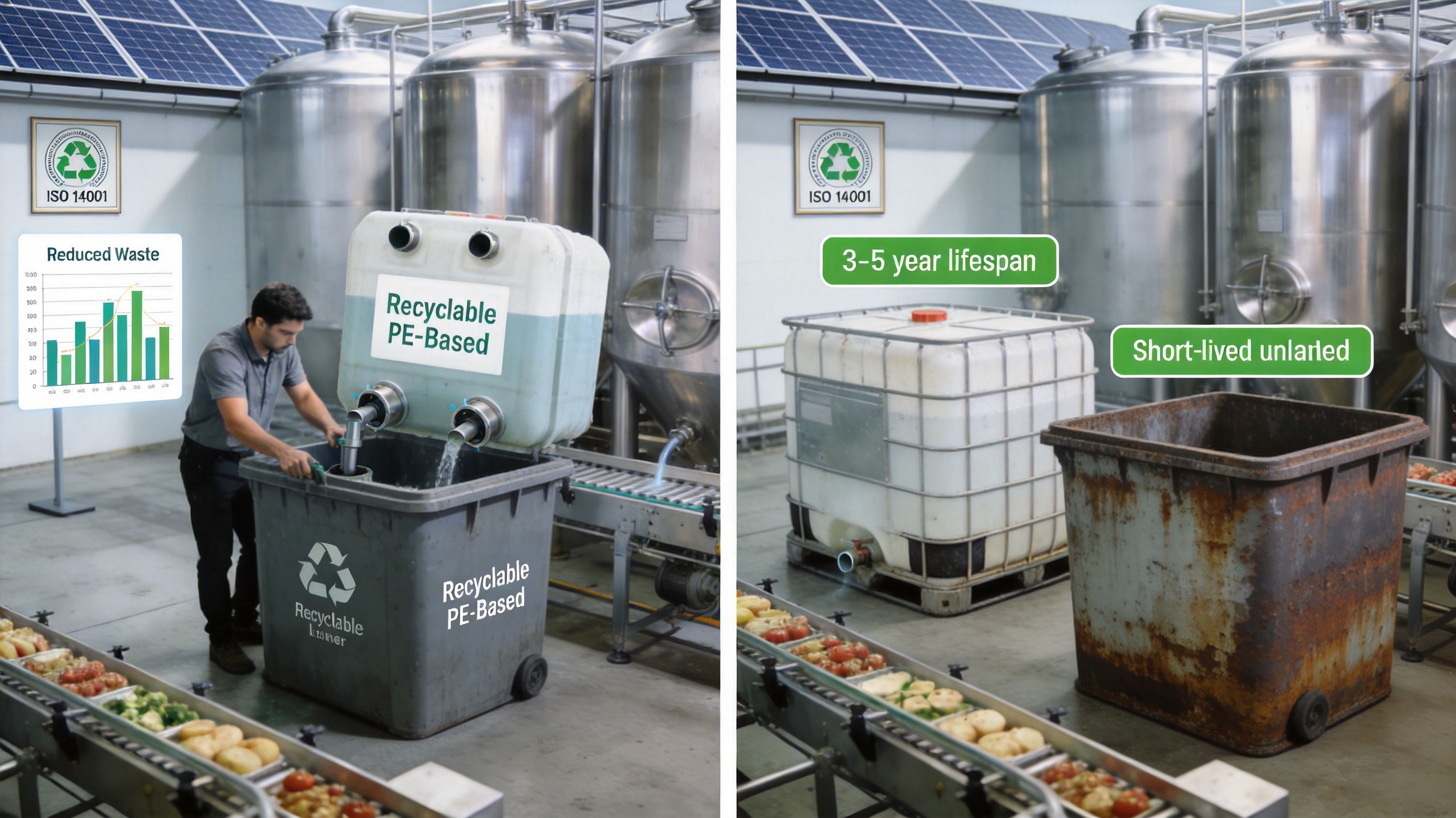
IBCs are expensive assets—costing hundreds of dollars each. Unlined IBCs are prone to corrosion from chemical liquids, which can reduce their lifespan to just 1–2 years. The double spout liner acts as a protective barrier between the liquid and the IBC, preventing corrosion and damage. This extends the IBC’s lifespan to 3–5 years, reducing the need for frequent replacements and lowering maintenance costs.
Competitors’ liners may not offer the same level of protection—either due to inferior material quality or poor fit. The double spout liner’s form-fit design ensures a snug fit inside the IBC, covering all surfaces and providing maximum protection.
Advanced Manufacturing Processes: Ensuring Quality and Reliability
The double spout IBC liner’s performance is rooted in the manufacturer’s advanced manufacturing processes—backed by 19 years of industry experience and compliance with global standards. Below are the key processes that set this product apart:
1. Material Science Excellence: Customizable Barrier Layers
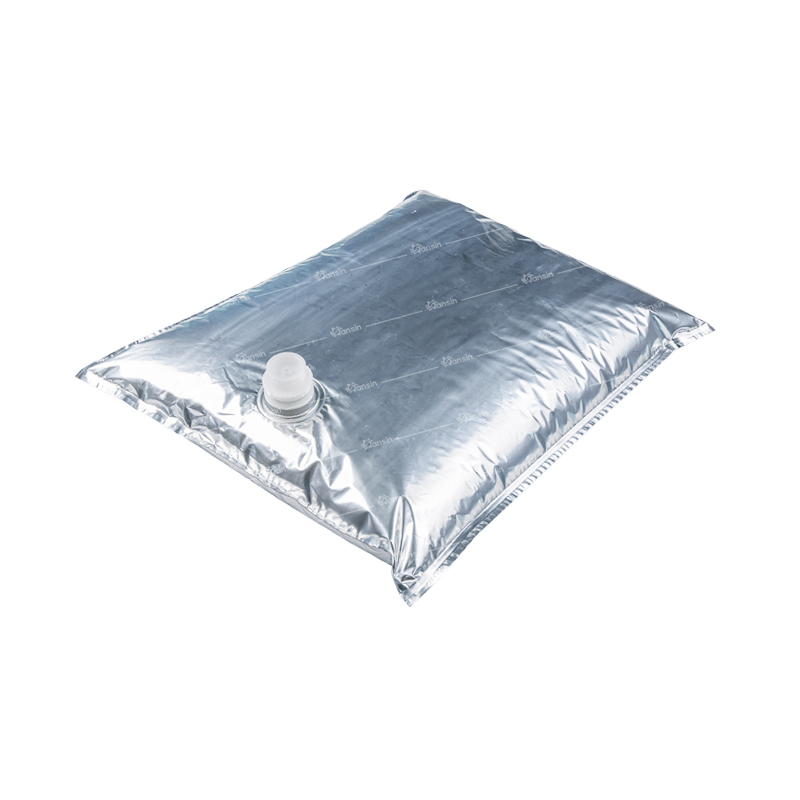
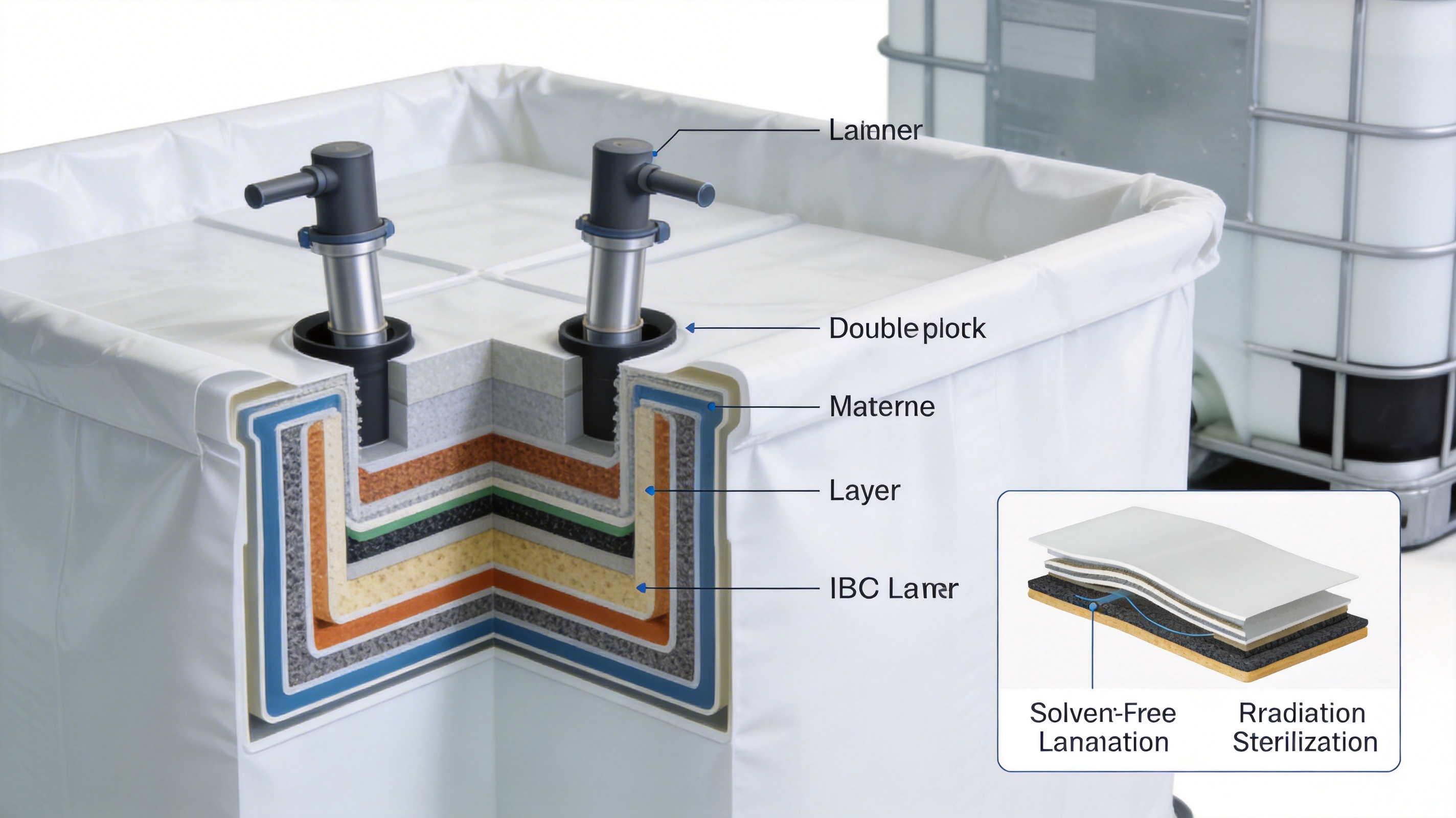
The liner’s material structure—VMPET/PE/PAPET/EVOH (or customizable combinations)—is engineered to meet specific product needs. Each layer serves a critical function:
- VMPET (Vacuum Metallized PET): Provides moisture and oxygen barrier protection.
- PE (Polyethylene): Adds flexibility and puncture resistance.
- PAPET (Paper-PET Composite): Enhances structural integrity.
- EVOH (Ethylene Vinyl Alcohol): Offers high oxygen and flavor barrier for sensitive products like juice or wine.
2. Solvent-Free Lamination: Safety and Sustainability
The manufacturer uses solvent-free lamination to bond the liner’s layers together. Unlike solvent-based lamination, which uses harmful chemicals that can leave residues and emit VOCs (Volatile Organic Compounds), solvent-free lamination is eco-friendly and food-safe. This process complies with global food safety standards like FDA and EU 10/2011, ensuring that the liner is safe for use with food and pharmaceutical products.
Competitors often rely on solvent-based lamination to reduce costs, but this compromises product safety and environmental sustainability. The manufacturer’s commitment to solvent-free lamination sets it apart as a responsible and customer-centric brand.
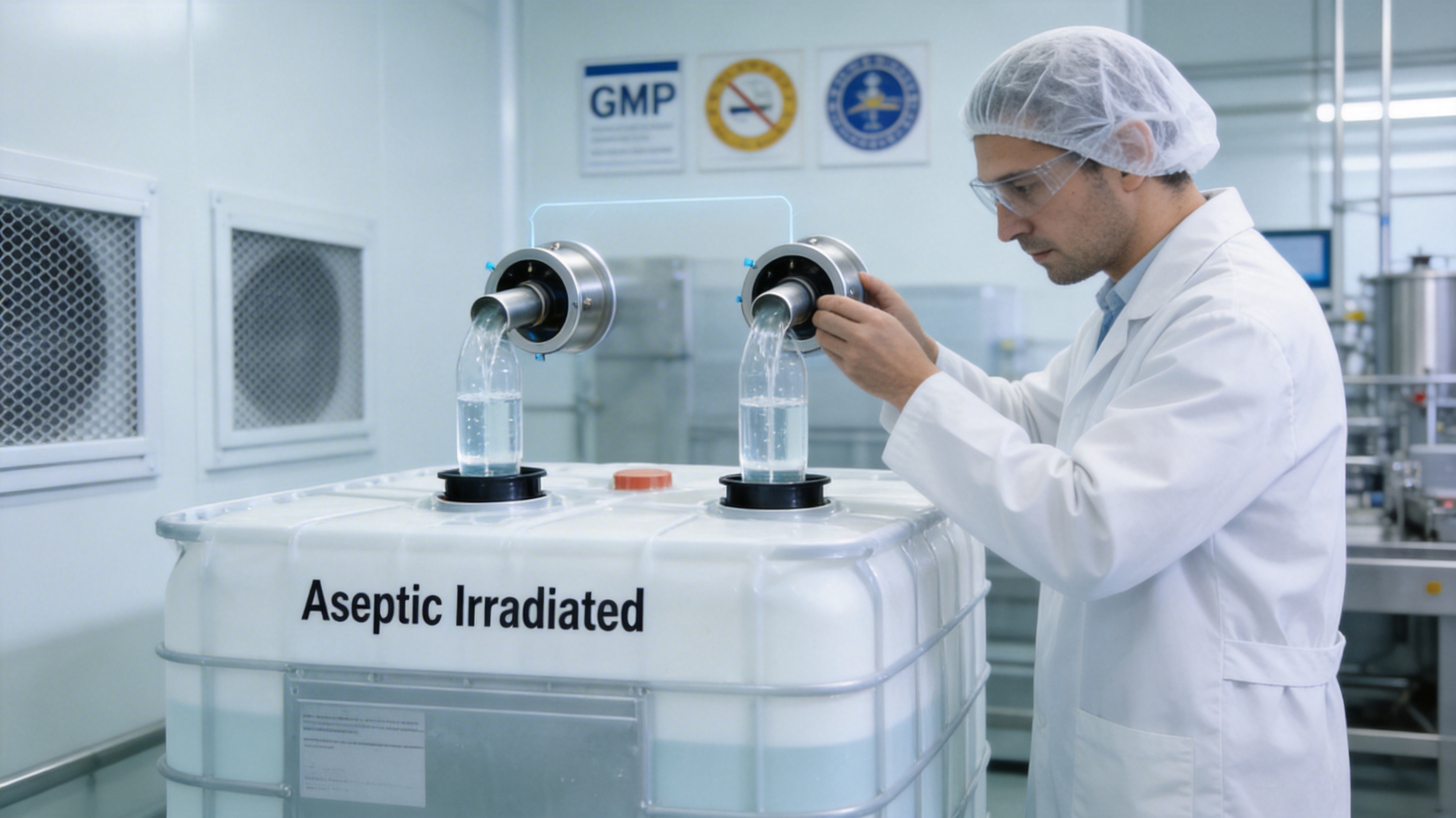
3. Irradiation Sterilization: Meeting Strict Hygiene Standards
For aseptic applications (e.g., pharmaceutical liquids, baby food), the liner is sterilized using irradiation (≥15kGy). This method is preferred over heat or chemical sterilization because it:
- Eliminates all microorganisms without damaging the liner or the product.
- Leaves no residual chemicals, ensuring product purity.
- Maintains the liner’s structural integrity.
4. GMP-Certified Clean Workshop: Precision in Production
All liner production takes place in a GMP 100,000-level clean workshop. This controlled environment minimizes the risk of contamination during production, ensuring that each liner is consistent and defect-free. The workshop integrates all stages of production—from injection molding of spouts to film extrusion, lamination, and bag making—allowing for strict quality control at every step.
Competitors often outsource some production stages, which can lead to quality inconsistencies and contamination risks. The manufacturer’s integrated, clean workshop ensures that every liner meets the highest quality standards.
5. One-Stop Solution: Filling Machines + Packaging
Unlike competitors who only offer liners, the manufacturer provides a seamless one-stop solution: advanced filling machines that complement the liners. This allows customers to get both high-quality packaging and filling services under one roof, saving time and resources. For example, a beverage company can purchase the double spout liner and the corresponding filling machine, ensuring that the liner is filled efficiently and correctly.
This one-stop solution eliminates the need for customers to source filling equipment separately, reducing coordination issues and lowering total cost of ownership.
6. Compliance with Global Standards
The manufacturer’s commitment to quality is reflected in its compliance with global standards:
- ABMA (European Aseptic Bag Manufacturers Association): The only Asian member of this prestigious organization, ensuring compliance with European quality standards.
- China National Standard for Aseptic Liquid Food Bags: Contributed to the formulation of this standard in 2018, setting the bar for domestic manufacturers.
- FDA and EU GMP: Compliant with food and pharmaceutical safety standards.
Case Study: Real-World Impact of Double Spout IBC Liners
To illustrate the double spout liner’s impact, consider the case of a mid-sized cosmetics manufacturer in Germany. The company produces water-based lotions and serums, using 1000L IBCs to transport raw materials from its suppliers to its production facility.
Challenges Faced
- Sequential fill-and-drain processes: Each batch required 2 hours of downtime, reducing daily production capacity by 20%.
- Residual product: 8% of raw material was left in single-spout liners, costing the company €15,000 annually.
- Cross-contamination: Residual product in spouts led to 3 batch recalls in 6 months, damaging the company’s reputation.
Solution Implemented
The company adopted the double spout IBC liner (1000L size) from the manufacturer. The liner’s dual-spout design allowed simultaneous fill-and-drain, while its separate spouts eliminated cross-contamination risks.
Results Achieved
- Downtime reduced by 40%: From 2 hours to 1.2 hours per batch, increasing daily production capacity by 15%.
- Residue reduced to 1.5%: Saving €12,000 annually in raw material costs.
- Zero recalls: No cross-contamination incidents in 6 months, improving brand reputation.
- IBC lifespan extended by 2 years: Reducing container replacement costs by €8,000 annually.
A spokesperson for the company said: “The double spout liner transformed our liquid handling process. We’re now more efficient, cost-effective, and confident in our product purity. It’s been a game-changer for our business.”
Technical Specifications of the Double Spout IBC Liner
Below is a detailed table of the liner’s technical specifications:
| Specification | Details |
|---|---|
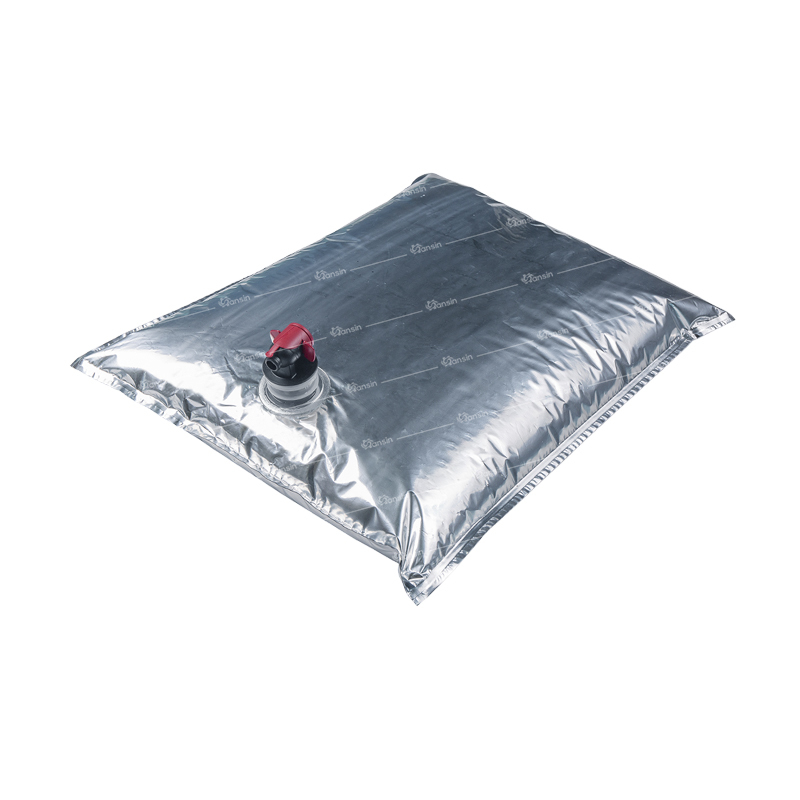
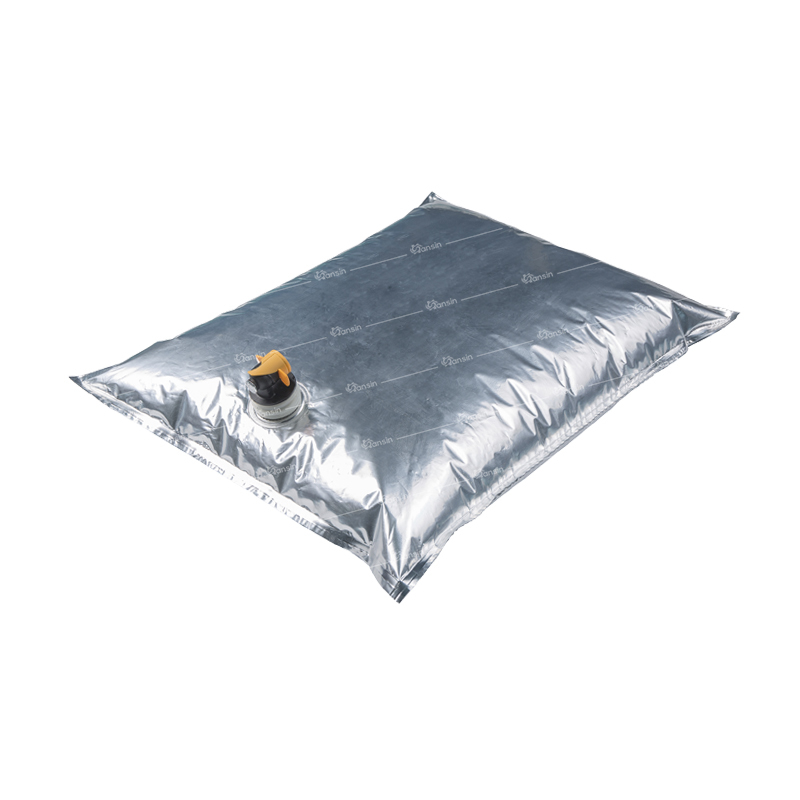
| Material Structure | VMPET/PE/PAPET/EVOH (customizable to include additional barrier layers) |
| Application | Liquid Food (juice, jam, oil, dairy), Liquid Non-Food (cosmetics, aqueous coatings, detergents, chemicals) |
| Product Size | 1000L, 1200L, 1400L, 1500L (customizable from 500L to 2000L) |
| Barrier Properties | Standard Barrier (for non-sensitive products), High Barrier (for oxygen/moisture-sensitive products like juice) |
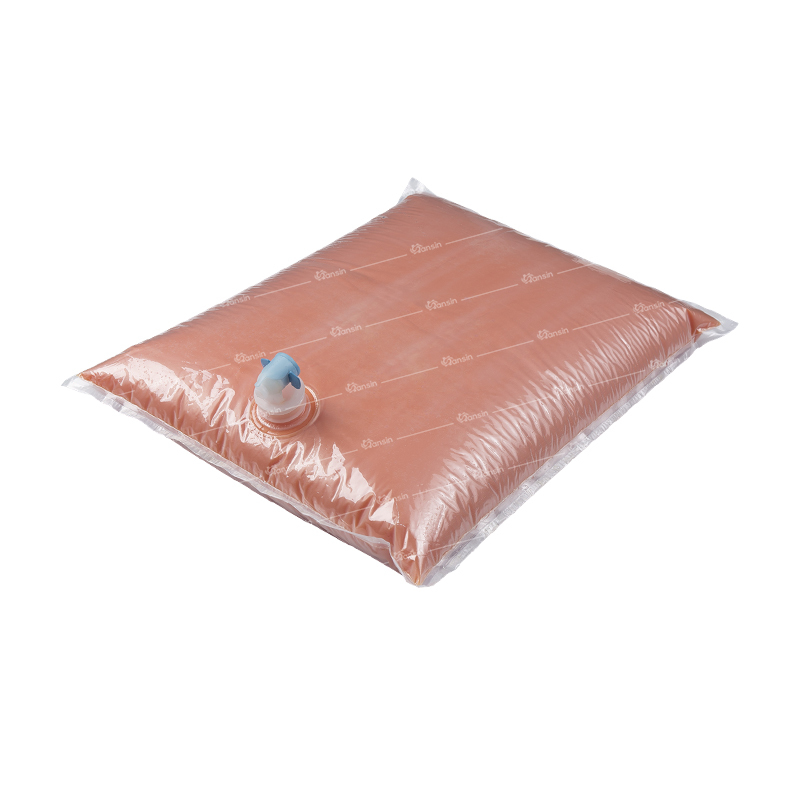
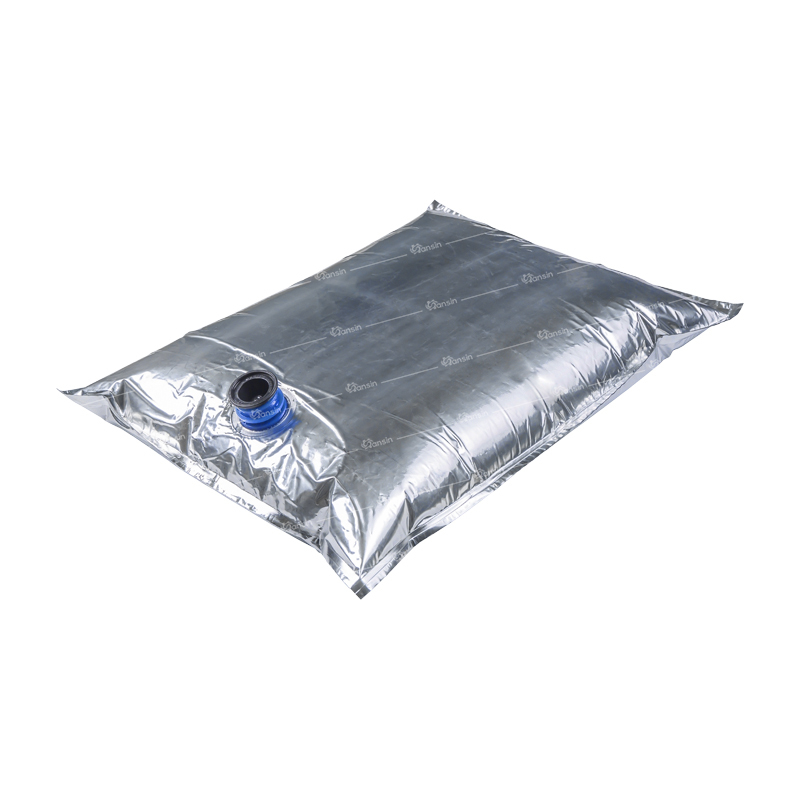
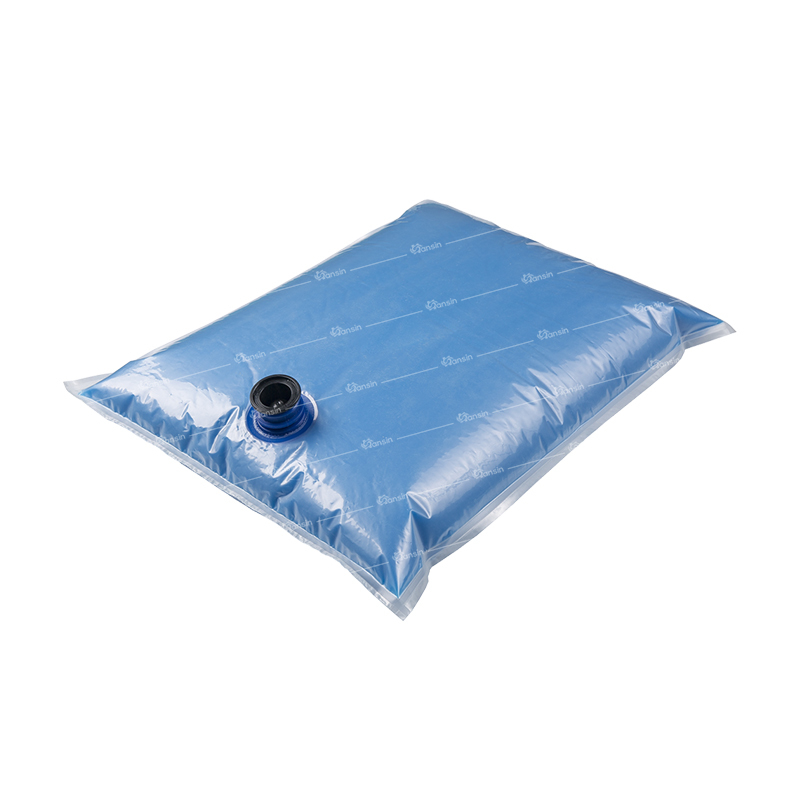
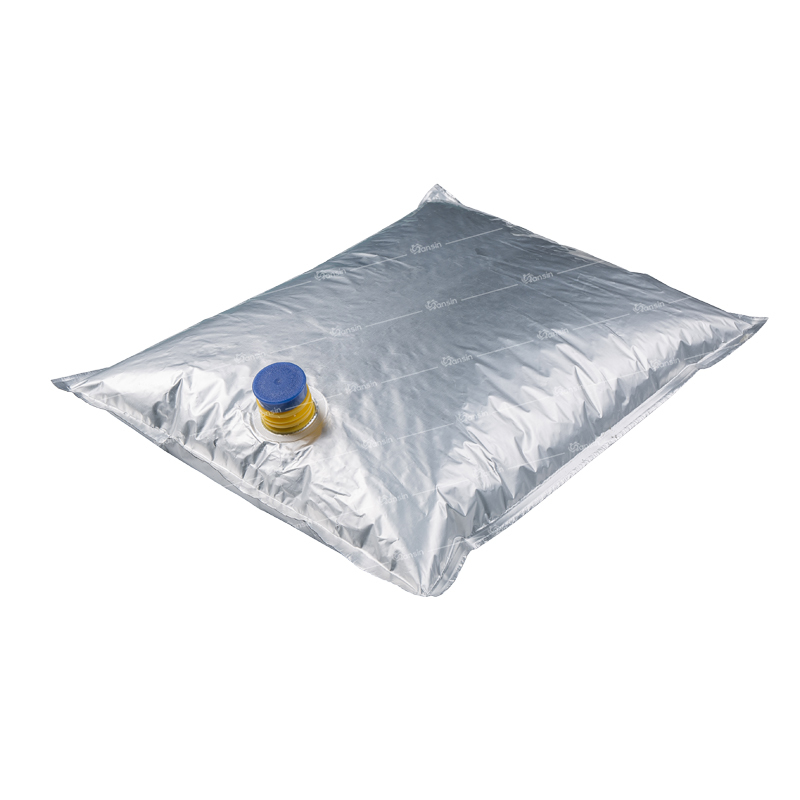
| Bag Type | Double Spout Pillow Type (Form Fit Liner for IBCs) |
| Key Features | Barrier Protection, Aseptic (irradiated), Top Flex Crack Resistant, Solvent-Free Lamination |
| Compliance Standards | ABMA (European), China National Standard GB XXXX-2018, FDA, EU GMP |
| Sterilization Method | Irradiation Sterilization (≥15kGy for aseptic versions) |
| Lamination Process | Solvent-Free (eco-friendly, food-safe) |
| Film Advantage | Top Flex Crack Resistant (withstands repeated handling and temperature changes from -20°C to 60°C) |
| Raw Material Safety | Food-Grade Certified (complies with FDA 21 CFR Part 177 and EU 10/2011) |
Q&A Section: Addressing Common Queries
Q1: Can the double spout IBC liner be used for both aseptic and non-aseptic applications?
A1: Yes. The liner is available in two versions: aseptic (sterilized via irradiation) for sensitive products like pharmaceuticals and baby food, and non-aseptic for industrial chemicals and non-sensitive food products.
Q2: How long does the liner last before use?
A2: When stored in a cool, dry place away from direct sunlight, the liner has a shelf life of up to 2 years. Aseptic versions maintain their sterility for 18 months if unopened.
Q3: Is the liner recyclable?
A3: Yes. The liner’s polyethylene-based material is recyclable in most industrial recycling facilities. The manufacturer also offers a take-back program for used liners to promote circularity.
Q4: Can the liner be customized for specific IBC sizes?
A4: Absolutely. The manufacturer offers custom sizes from 500L to 2000L to fit different IBC models. They also provide custom material structures to meet specific barrier or safety requirements.
Q5: What is the lead time for custom orders?
A5: For standard orders, lead time is 7–10 days. For custom orders, lead time is 15–20 days, depending on the complexity of the customization.
Sustainability: A Core Focus of the Double Spout Liner
The double spout IBC liner aligns with global sustainability goals, offering multiple environmental benefits:
- Reduced Waste: Low-residue design minimizes raw material waste, reducing the carbon footprint associated with producing new materials.
- Eco-Friendly Materials: Solvent-free lamination eliminates VOC emissions, and recyclable materials reduce landfill waste.
- Extended IBC Lifespan: Protecting IBCs from corrosion reduces the need for new container production, saving plastic and energy.
- Energy Efficiency: Irradiation sterilization uses less energy than heat sterilization, and the clean workshop is equipped with energy-efficient lighting and HVAC systems.
Global Reach and Customer Support
The manufacturer has a global presence, with two manufacturing plants in China and branches in Europe. This allows for timely delivery and local support to customers worldwide:
- European Customers: Access to technical support and after-sales services from the local branch, reducing response time.
- Asian Customers: Fast shipping from Chinese plants, ensuring quick delivery of orders.
- Global Exports: Products are exported to over 100 countries and regions, including the US, EU, Southeast Asia, and Africa.
Conclusion: The Future of Liquid Handling
The double spout IBC liner is more than just a packaging solution—it’s a revolution in liquid handling. Its ability to reduce downtime, enhance product purity, minimize waste, and extend IBC lifespan makes it a superior choice over traditional single-spout liners. Backed by advanced manufacturing processes, global certifications, and a commitment to sustainability, this product is poised to become the standard for bulk liquid transport across industries.
For businesses looking to improve efficiency, reduce costs, and meet regulatory standards, the double spout IBC liner is an investment that delivers long-term value. As the global supply chain continues to evolve, this innovative product will play a critical role in shaping the future of liquid packaging.
References
1. European Aseptic Bag Manufacturers Association (ABMA). (2023). "Standards for Aseptic IBC Liners: Guidelines for Quality and Safety."
2. China National Standards Committee. (2018). "GB 31604.1-2018: National Food Safety Standard for Food Contact Materials and Products."
3. Food and Drug Administration (FDA). (2022). "Guidelines for Food-Grade Packaging Materials: Safety and Compliance."
4. International Organization for Standardization (ISO). (2021). "ISO 15759: Flexible Packaging for Aseptic Packaging of Liquid Foods."
5. Case Study: German Cosmetics Manufacturer. (2024). "Efficiency Improvements with Double Spout IBC Liners."
6. ABMA. (2022). "Member Profile: Leading Asian Manufacturer of Aseptic IBC Liners."
7. United Nations Environment Programme (UNEP). (2023). "Circular Economy in Packaging: Best Practices for Reducing Waste."