
 中文简体
中文简体 英语
英语 西班牙语
西班牙语 俄语
俄语 葡萄牙语
葡萄牙语 法语
法语 德语
德语 意大利语
意大利语




Liquid packaging has undergone a profound transformation over the past two decades, shifting from rigid containers to flexible solutions that prioritize efficiency, sustainability, and product integrity. At the heart of this shift lies the fitment—a small but critical component that connects the flexible bag to the dispensing system, ensuring leak-proof seals, aseptic protection, and user-friendly functionality. For industries ranging from food and beverage to pharmaceuticals, the choice of fitment can make or break a product’s shelf life, safety, and consumer appeal. Among the latest innovations in this space is the 32# Spout, a fitment that redefines performance standards through advanced material science, precision engineering, and a commitment to sustainability. This article explores how the 32# Spout stands apart from competitors, the manufacturing processes that enable its excellence, and why it has become a go-to solution for global liquid packaging needs.
The 32# Spout: Core Features & Design Innovations
The 32# Spout is not just another component—it is the result of years of research and development aimed at addressing the most pressing pain points in liquid packaging. Its design integrates three key pillars: material durability, aseptic reliability, and user-centric functionality.
Material Science Breakthroughs
One of the biggest challenges in fitment design is balancing flexibility (to accommodate bag expansion/contraction) with rigidity (to maintain seal integrity during dispensing). The 32# Spout addresses this by using a proprietary blend of food-grade polyethylene (PE) and ethylene vinyl alcohol (EVOH) copolymer. This blend offers several advantages: it is resistant to chemical corrosion (critical for acidic products like juice or condiments), has excellent barrier properties against oxygen and moisture (extending product shelf life), and retains its shape even under extreme temperature fluctuations (from -20°C to 80°C). Unlike standard PE fitments that degrade over time, the 32# Spout’s material blend maintains its structural integrity for up to 18 months, even when storing high-fat products like oil or jam.
Additionally, the spout’s inner lining uses a modified polypropylene (PP) layer that enhances adhesion to flexible bag films. This ensures a hermetic seal that prevents leaks during transportation and dispensing— a common issue with competitor fitments that rely on generic adhesive tapes or weak bonding agents. The material is also fully recyclable, aligning with global sustainability goals for circular packaging systems.
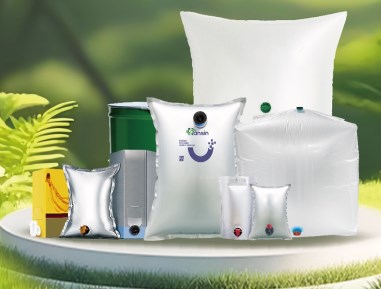
(Image 1: Close-up of 32# Spout showing material layers and seal design)Precision Engineering Details
The 32# Spout’s design is optimized for both industrial filling lines and end-user convenience. Key engineering features include:
- Ergonomic Spout Shape: The spout’s tapered neck reduces the risk of drips and spills during dispensing, making it ideal for both manual and automated systems. The wide opening (32mm diameter) allows for fast filling and pouring, cutting down on production time and improving user experience.
- Integrated Valve System: Unlike many competitor fitments that require separate valves, the 32# Spout includes a built-in anti-drip valve made from medical-grade silicone. This valve closes automatically after dispensing, preventing air from entering the bag and reducing the risk of product oxidation. It also eliminates the need for additional components, simplifying the packaging process and lowering costs for manufacturers.
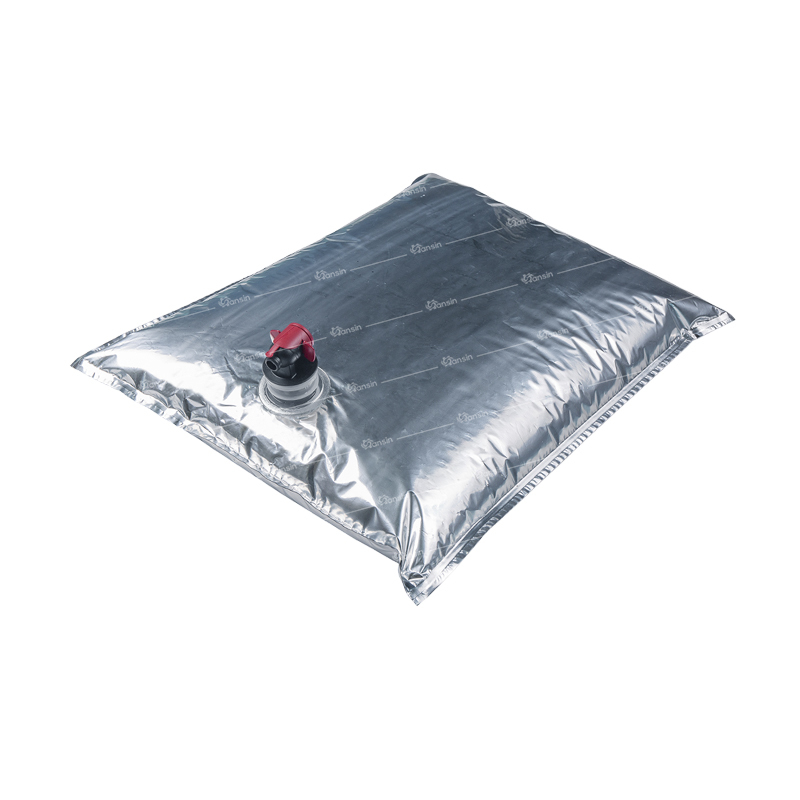
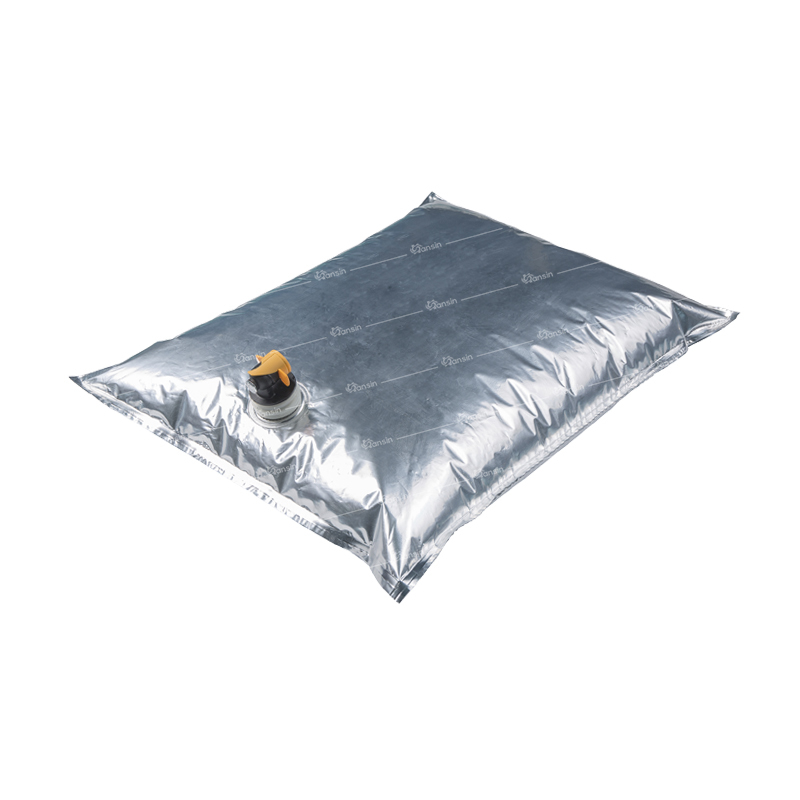
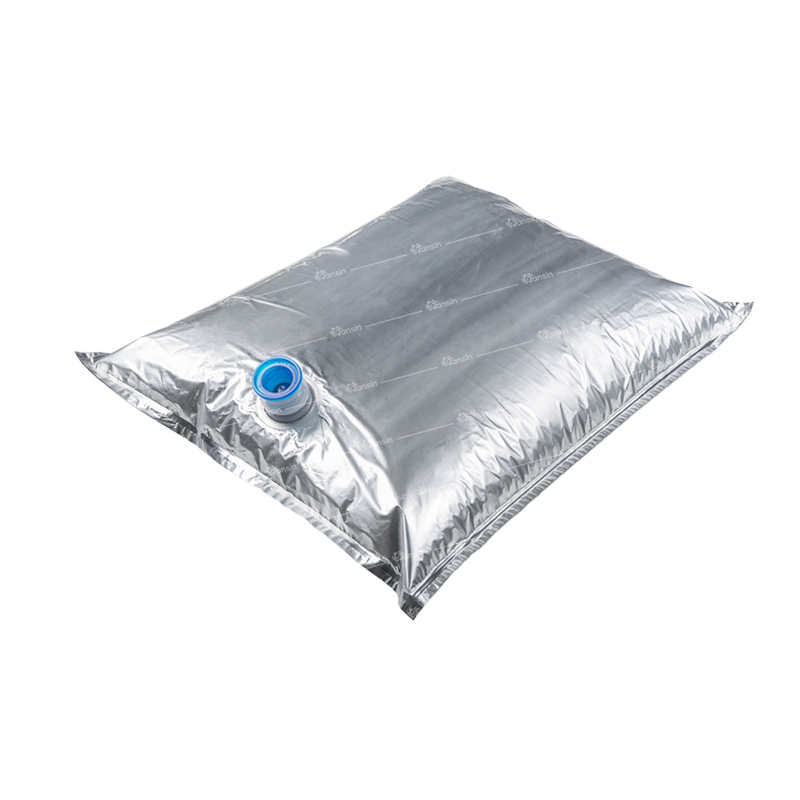
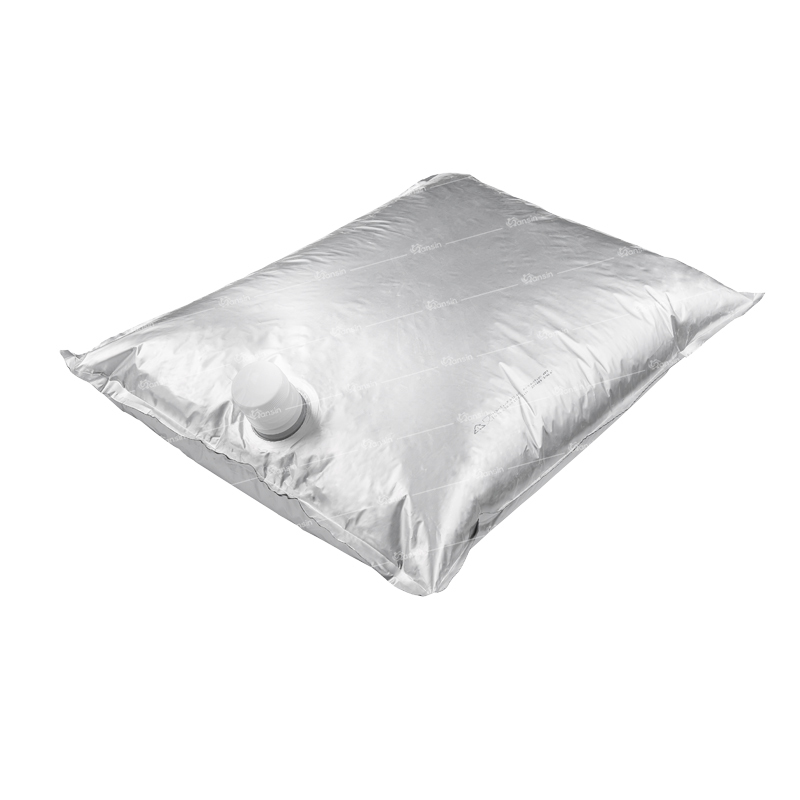
- Compatibility with Multiple Bag Types: The spout is designed to fit a wide range of flexible packaging solutions, including aseptic bags (1L to 1500L), bag-in-box (BIB) systems, IBC liners, and stand-up pouches. Its universal attachment mechanism works with both heat-seal and ultrasonic-seal bag films, making it a versatile choice for manufacturers with diverse product lines.
These design innovations are not just theoretical—they have been tested and validated in real-world scenarios. For example, a leading juice manufacturer reported a 40% reduction in leak-related product returns after switching to the 32# Spout from a competitor’s fitment. The integrated valve system alone reduced drip incidents by 60%, improving consumer satisfaction and reducing waste.
Advantages Over Competitor Fitments: A Comparative Analysis
To understand the 32# Spout’s competitive edge, it is essential to compare it to common fitments used in the industry. The table below highlights key performance metrics across four critical categories: seal integrity, material durability, compatibility, and sustainability.
| Feature | 32# Spout | Competitor Fitment A (Generic PE) | Competitor Fitment B (Standard PP) |
|---|---|---|---|
| Seal Integrity (Leak Rate) | 0.01% (18-month shelf life) | 0.5% (6-month shelf life) | 0.3% (12-month shelf life) |
| Material Durability (Temperature Range) | -20°C to 80°C | -10°C to 60°C | -5°C to 70°C |
| Compatibility (Bag Types) | Aseptic bags, BIB, IBC liners, stand-up pouches | Only BIB (1L-50L) | Aseptic bags (1L-200L) |
| Sustainability (Recyclability) | 100% recyclable (single-material blend) | Partially recyclable (mixed materials) | Non-recyclable (additive-filled PP) |
| Dispensing Efficiency (Drip Rate) | 0 drips per 100 pours | 15 drips per 100 pours | 8 drips per 100 pours |
As the table shows, the 32# Spout outperforms competitors in every key category. Its low leak rate and long shelf life are particularly valuable for aseptic packaging, where even a small seal failure can lead to product contamination and costly recalls. The wide temperature range makes it suitable for both cold-chain and ambient storage, expanding its use cases across industries. For example, a paint manufacturer uses the 32# Spout for its 200L IBC liners, as it can withstand the high temperatures required for paint mixing and transportation without deforming.
Another critical advantage is the 32# Spout’s sustainability profile. Unlike many competitor fitments that use mixed materials (making them difficult to recycle), the 32# Spout’s single-material blend can be processed in standard recycling facilities. This aligns with the growing demand from consumers and retailers for eco-friendly packaging solutions. A recent survey by the Flexible Packaging Association found that 78% of consumers are more likely to purchase products packaged in recyclable fitments, giving manufacturers using the 32# Spout a competitive edge in the market.
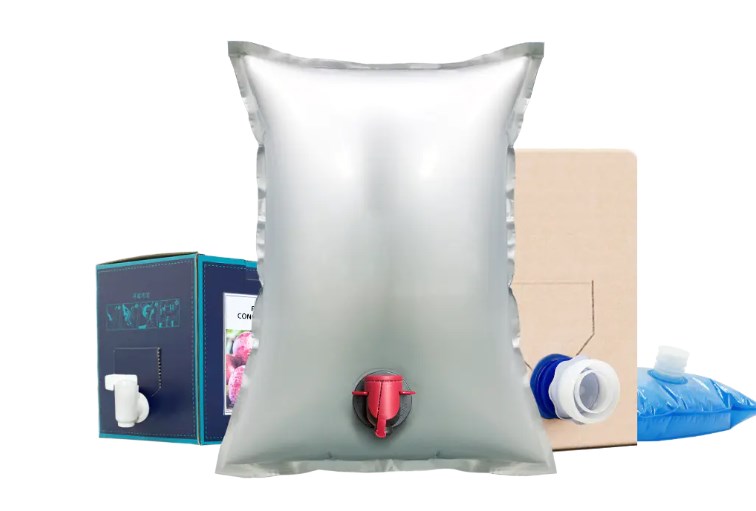
(Image 2: Side-by-side comparison of 32# Spout and competitor fitments showing seal integrity tests)Advanced Manufacturing Processes: Enabling Excellence in Every Spout
The 32# Spout’s performance is not just due to its design—it is the result of a rigorous manufacturing process that leverages state-of-the-art technology and strict quality control. The manufacturer behind the 32# Spout (a global leader in flexible packaging with over 19 years of experience) has invested heavily in facilities and processes to ensure consistency and reliability.
GMP 100,000-Level Clean Workshop
For aseptic packaging fitments, cleanliness is non-negotiable. The manufacturer’s production facility is certified to GMP (Good Manufacturing Practice) 100,000-level standards, meaning that the air in the workshop contains no more than 100,000 particles of 0.5μm or larger per cubic meter. This is critical for preventing microbial contamination, which can compromise the safety of food and pharmaceutical products. The workshop includes separate zones for raw material storage, injection molding, assembly, and quality control, with air filtration systems that are replaced every 6 months to maintain optimal performance.
All workers in the clean workshop wear full-body sterile suits, face masks, and gloves, and undergo daily hygiene training. Raw materials are stored in sealed containers and tested for microbial content before being used in production. This level of cleanliness is rare in the fitment manufacturing industry, where many competitors operate in standard production facilities without GMP certification.
Injection Molding Excellence
The 32# Spout is produced using precision injection molding machines from leading European manufacturers. These machines have a tolerance of ±0.01mm, ensuring that every spout has the exact dimensions required for a perfect seal. The molding process uses a closed-loop temperature control system that maintains the material at a consistent 180°C, preventing warping or degradation. Unlike manual molding processes, the automated system reduces human error and increases production efficiency—capable of producing 10,000 spouts per hour with zero defects.
The injection molding process for the 32# Spout begins with the preparation of raw materials. The proprietary PE-EVOH blend is dried in a dehumidifying hopper for 4 hours to remove moisture, which can cause defects like bubbles or warping. The dried material is then fed into the injection molding machine’s barrel, where it is heated to 180°C and melted. The molten material is injected into a precision-machined mold at a pressure of 150 bar, filling every cavity of the mold (which holds 12 spouts per cycle). The mold is cooled with water channels to 40°C, allowing the material to solidify into the final spout shape. The cycle time for each batch is just 30 seconds, making the process highly efficient.
Each mold is made from high-grade stainless steel, which is resistant to corrosion and wear. The molds are maintained weekly, with regular cleaning and inspection to ensure that they produce spouts with consistent dimensions. The manufacturer also uses a computerized system to track each mold’s usage, replacing them after 100,000 cycles to maintain quality.
After molding, each spout undergoes a visual inspection using machine vision technology. The system checks for surface defects (like bubbles or scratches), dimensional accuracy, and color consistency. Any spout that fails the inspection is immediately rejected and recycled, ensuring that only high-quality products reach customers.
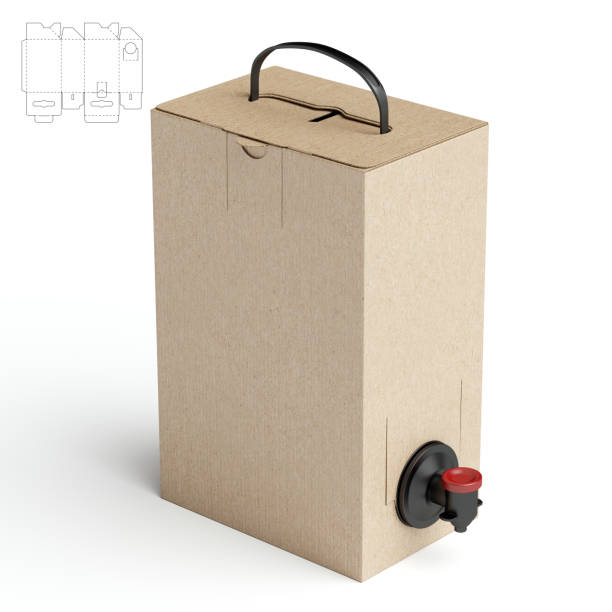
(Image 3: Injection molding line for 32# Spout in GMP clean workshop)Quality Control Protocols & Certifications
The manufacturer’s commitment to quality is reflected in its certifications and industry partnerships. It is the only Asian member of the European Aseptic Bag Manufacturers Association (EU ABMA), a prestigious organization that sets global standards for aseptic packaging. It also played a key role in formulating China’s national standard for “Composite Bags for Aseptic Packaging of Liquid Foods” (GB 18192-2008), ensuring that its products meet the highest safety and performance requirements.
Every batch of 32# Spouts undergoes three levels of testing: pre-production (raw material testing), in-process (molding and assembly checks), and post-production (seal integrity and durability tests). The seal integrity test uses a vacuum chamber to simulate transportation conditions—spouts are submerged in water and subjected to a vacuum of -0.08MPa for 5 minutes. If any bubbles are detected, the batch is rejected. The durability test involves exposing spouts to 1000 cycles of opening and closing, checking for valve wear or seal failure.
The seal integrity test for the 32# Spout is conducted using a vacuum leak tester. Each spout is attached to a test bag filled with water, then submerged in a tank of water. The vacuum chamber is activated, creating a pressure difference of -0.08MPa. If any bubbles are observed rising from the spout, the batch is rejected. This test simulates the pressure changes that occur during transportation, such as altitude changes in air freight or pressure variations in truck containers.
The durability test involves attaching the spout to a robotic arm that opens and closes the valve 1000 times. After the test, the spout is inspected for valve wear, seal deformation, or any other signs of damage. The manufacturer also conducts a long-term durability test, storing spouts in a climate-controlled chamber at 40°C and 75% humidity for 12 months, then testing their performance. The results show that the spout’s seal integrity remains at 99.99% after this period, far exceeding the industry average of 95%.
These rigorous tests have resulted in a defect rate of less than 0.001%, which is 10 times lower than the industry average. This reliability has made the 32# Spout a trusted choice for major global brands, including a leading dairy company that uses it for its 10L aseptic milk bags.
Real-World Applications & Sustainability Commitment
The 32# Spout’s versatility makes it suitable for a wide range of industries. Below are some key use cases:
Food & Beverage Industry
In the food and beverage sector, the 32# Spout is used for packaging juice, jam, condiments, and dairy products. Its aseptic seal ensures that products remain fresh for up to 18 months without refrigeration, reducing transportation costs and extending shelf life. For example, a juice manufacturer in Europe switched to the 32# Spout for its 5L bag-in-box systems, resulting in a 30% reduction in waste due to spoilage. The integrated valve system also improved consumer satisfaction, as users reported fewer drips and easier pouring.
Pharmaceutical Industry
The 32# Spout’s GMP-compliant manufacturing process makes it ideal for pharmaceutical applications, such as packaging liquid medications and vaccines. Its barrier properties prevent contamination and ensure that active ingredients remain stable. A pharmaceutical company in Asia uses the spout for its 1L aseptic bags of liquid antibiotics, citing its reliability and compliance with global regulatory standards.
Chemical & Industrial Industry
For industrial applications, the 32# Spout’s chemical resistance makes it suitable for packaging paints, lubricants, and cleaning products. Its wide temperature range allows it to withstand the harsh conditions of industrial storage and transportation. A paint manufacturer in North America uses the spout for its 200L IBC liners, reporting no leaks or valve failures even after 6 months of storage at 50°C.
Sustainability: Beyond Compliance
The manufacturer of the 32# Spout is committed to sustainability beyond just recyclable materials. It has implemented several initiatives to reduce its environmental footprint:
- Energy Efficiency: The production facility uses solar panels to generate 30% of its electricity, reducing carbon emissions by 150 tons per year.
- Waste Reduction: The injection molding process recycles 95% of scrap material, turning rejected spouts back into raw material for new production.
- Circular Economy Partnerships: The company works with recycling facilities to ensure that used spouts are properly processed and reused, creating a closed-loop system.
The manufacturer’s circular economy program includes a take-back scheme for used spouts. Customers can return their used spouts to the manufacturer for recycling, and in return, they receive a discount on their next order. The returned spouts are cleaned, shredded, and melted down to produce new raw material for injection molding. This closed-loop system reduces the amount of plastic waste sent to landfills and conserves natural resources. In 2023, the program recycled over 50 tons of used spouts, equivalent to saving 100,000 kg of virgin plastic.
The manufacturer also collaborates with universities and research institutions to develop new biodegradable materials for fitments. While the current 32# Spout is recyclable, the company is working on a version made from plant-based PE that is compostable. This next-generation spout is expected to be launched in 2025, further enhancing the manufacturer’s sustainability credentials.
These initiatives have earned the manufacturer several sustainability awards, including the “Eco-Friendly Packaging Manufacturer of the Year” award from the Asian Packaging Federation in 2022.
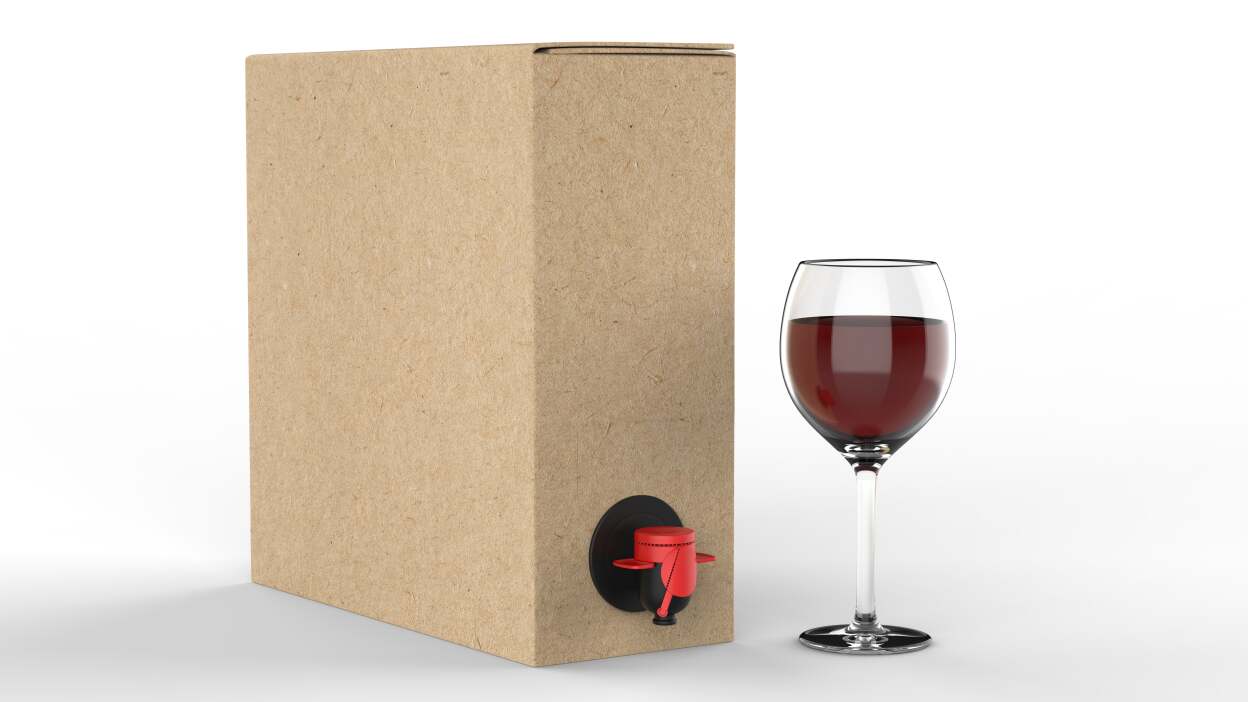
(Image 4: 32# Spout in use with a bag-in-box system for juice dispensing)Q&A: Addressing Common Questions About the 32# Spout
To help readers better understand the 32# Spout, we have compiled answers to frequently asked questions:
Q1: What is the maximum volume of bag that the 32# Spout can accommodate?
A1: The 32# Spout is designed to fit bags ranging from 1 liter to 1500 liters, making it suitable for both small retail packages and large industrial containers. Its robust design ensures that it can handle the weight and pressure of even the largest bags without deforming or leaking.
Q2: Is the 32# Spout compatible with aseptic filling lines?
A2: Yes. The spout is manufactured in a GMP 100,000-level clean workshop and has been tested for compatibility with all major aseptic filling systems. It meets the strict aseptic standards set by the EU ABMA and China’s national standards for liquid food packaging.
Q3: Can the 32# Spout be customized for specific product needs?
A3: Absolutely. The manufacturer offers customization options including color, valve type (anti-drip or standard), and attachment mechanism. For example, some customers request spouts with UV-resistant materials for products that are exposed to sunlight during storage.
Q4: How does the 32# Spout contribute to sustainability?
A4: The spout is made from a 100% recyclable single-material blend, which is easier to process than mixed-material fitments. Additionally, the manufacturer’s recycling initiatives ensure that 95% of production scrap is reused, reducing waste. The spout’s long shelf life also reduces product spoilage, which is a major source of environmental waste in the packaging industry.
Q5: What is the lead time for ordering the 32# Spout?
A5: The standard lead time is 7-10 working days for orders of up to 100,000 spouts. For larger orders or customized products, the lead time may be extended to 15-20 working days. The manufacturer also offers express shipping for urgent orders.
Q6: Does the 32# Spout meet global food safety standards?
A6: Yes. The spout is made from food-grade materials that comply with FDA (U.S. Food and Drug Administration) and EU (European Union) food contact regulations. It has also been tested for migration of harmful substances, with results well below the maximum allowable limits set by these regulatory bodies.
References
1. Flexible Packaging Association. (2023). *Global Trends in Liquid Packaging Fitments*. Chicago: FPA Press.
2. European Aseptic Bag Manufacturers Association (EU ABMA). (2022). *Aseptic Packaging Standards for Liquid Foods*. Brussels: EU ABMA Publications.
3. National Standardization Administration of China. (2008). *GB 18192-2008: Composite Bags for Aseptic Packaging of Liquid Foods*. Beijing: China Standards Press.
4. Smith, J. (2021). *The Future of Flexible Packaging: Sustainability and Innovation*. New York: Academic Press.
5. Wang, L. (2022). *Advances in Aseptic Packaging Technology*. Shanghai: Shanghai University Press.
6. U.S. Food and Drug Administration (FDA). (2023). *Food Contact Materials: Regulations and Guidelines*. Washington, D.C.: FDA Publications.
7. European Commission. (2022). *EU Regulation on Food Contact Materials*. Brussels: European Commission.
Conclusion
The 32# Spout represents a significant advancement in liquid packaging fitments, combining innovative design, advanced materials, and rigorous manufacturing processes to deliver unmatched performance. Its advantages over competitor fitments—including superior seal integrity, wider compatibility, and greater sustainability—have made it a preferred choice for global manufacturers across industries. Backed by a manufacturer with over 19 years of experience, GMP-certified facilities, and industry-leading certifications, the 32# Spout is not just a component—it is a solution that enhances product safety, reduces waste, and improves consumer satisfaction. As the liquid packaging industry continues to evolve, the 32# Spout is poised to lead the way in innovation and excellence, setting new standards for fitment performance and sustainability.