
 中文简体
中文简体 英语
英语 西班牙语
西班牙语 俄语
俄语 葡萄牙语
葡萄牙语 法语
法语 德语
德语 意大利语
意大利语




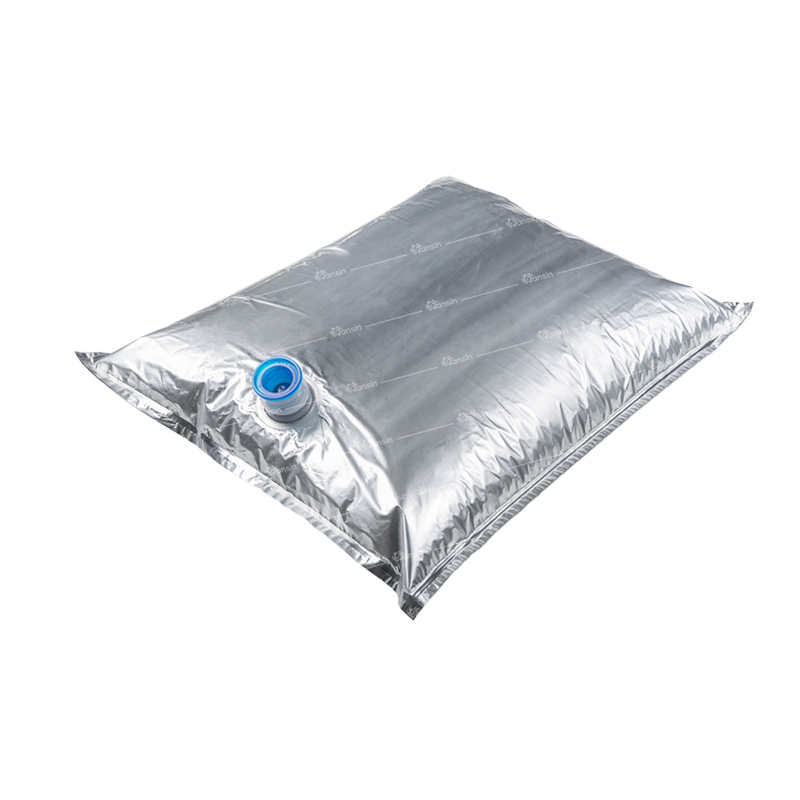
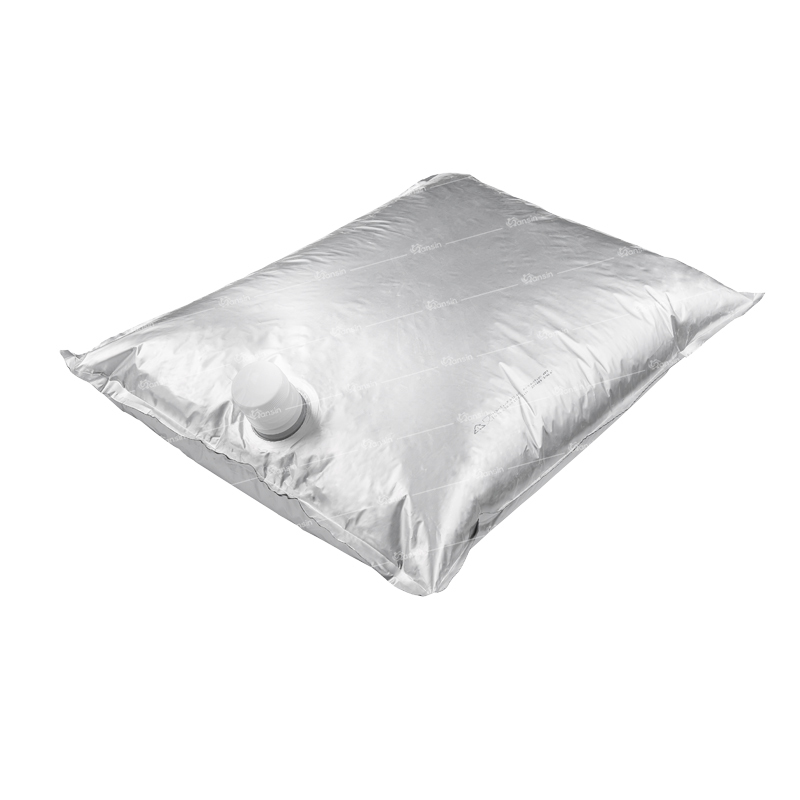
The global flexible liquid packaging market has experienced exponential growth over the past decade, driven by shifting consumer preferences for convenience, cost-effectiveness, and sustainability. According to Grand View Research, the market size is projected to reach $387.2 billion by 2030, with a compound annual growth rate (CAGR) of 5.2% from 2023 to 2030. This surge is fueled by the rising demand for aseptic packaging in the food and beverage industry, as well as the need for efficient storage and transportation solutions for industrial liquids like paint and lubricants. However, a critical challenge persists: the fitment—specifically the spout—often acts as the weakest link in the packaging chain, leading to leaks, contamination, and product loss. The 14F# spout, a precision-engineered component, addresses these pain points head-on, redefining industry standards for performance, sustainability, and compatibility.
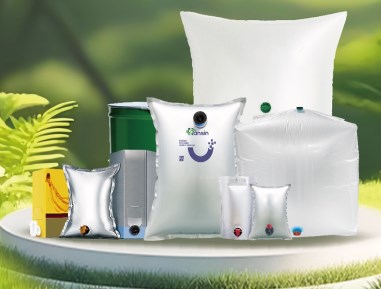
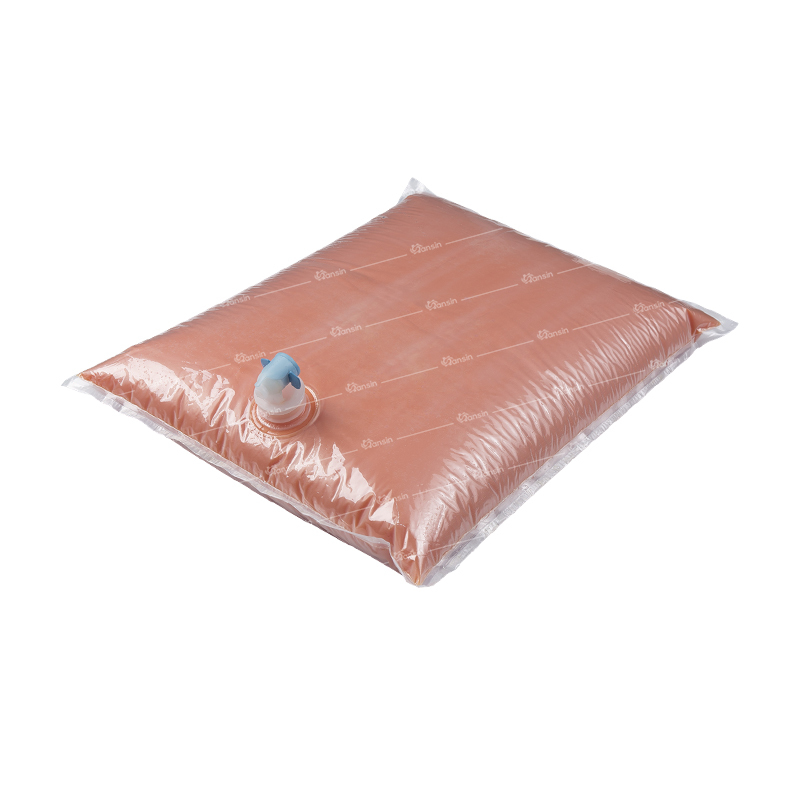
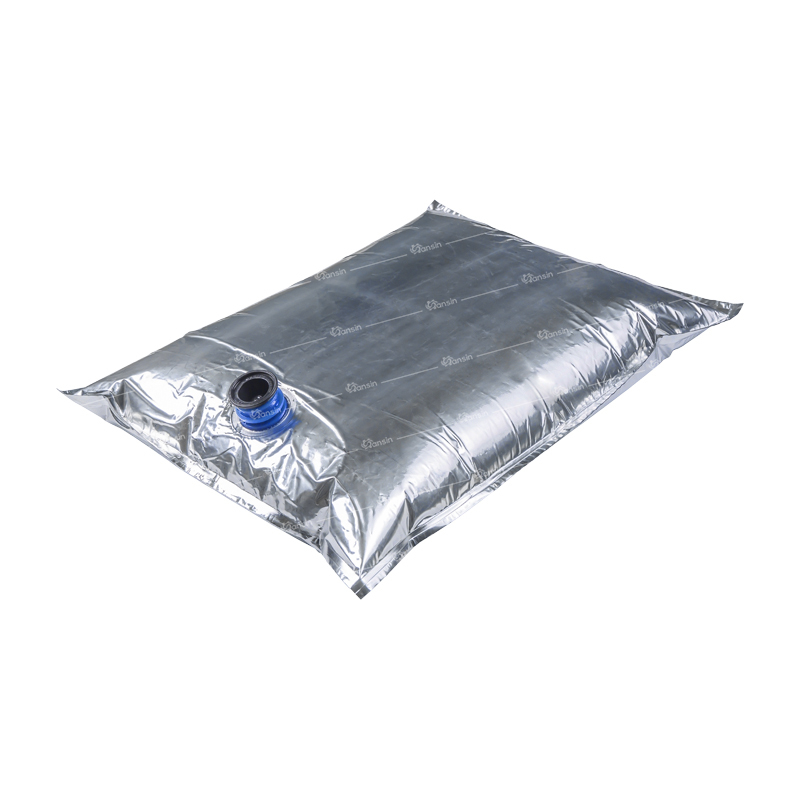
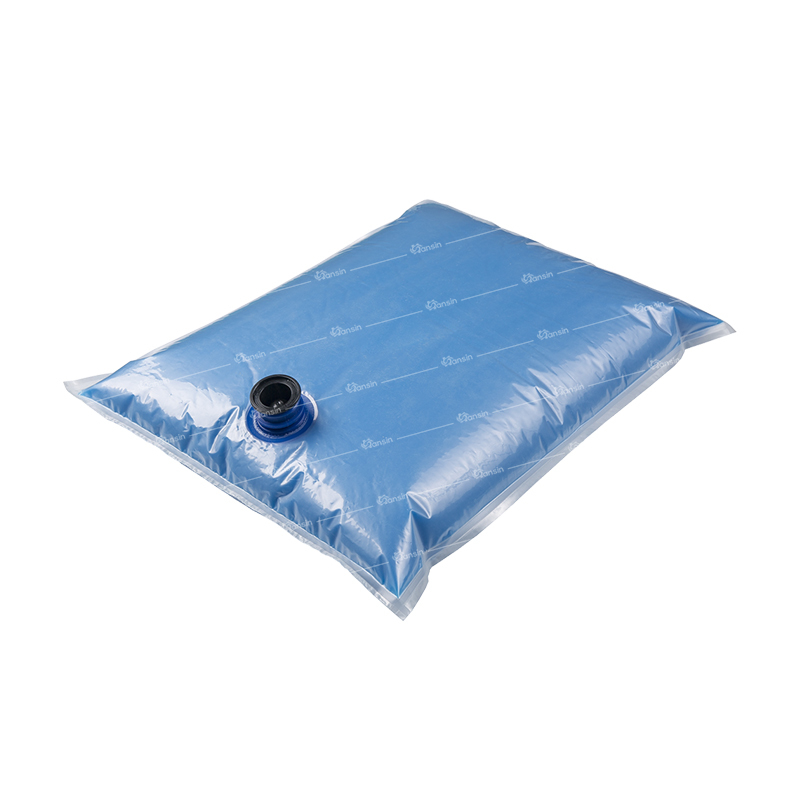
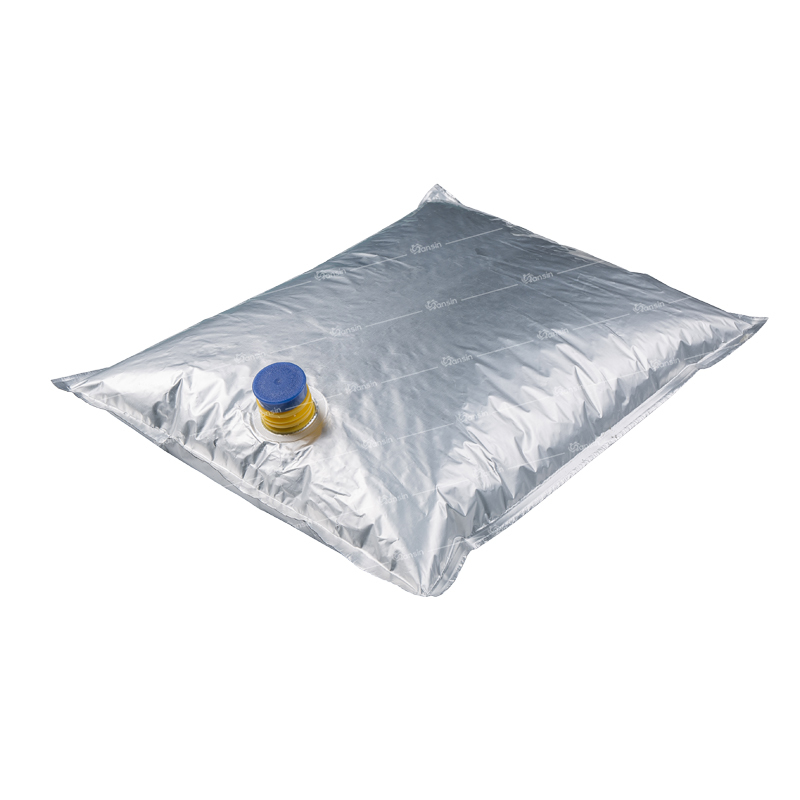
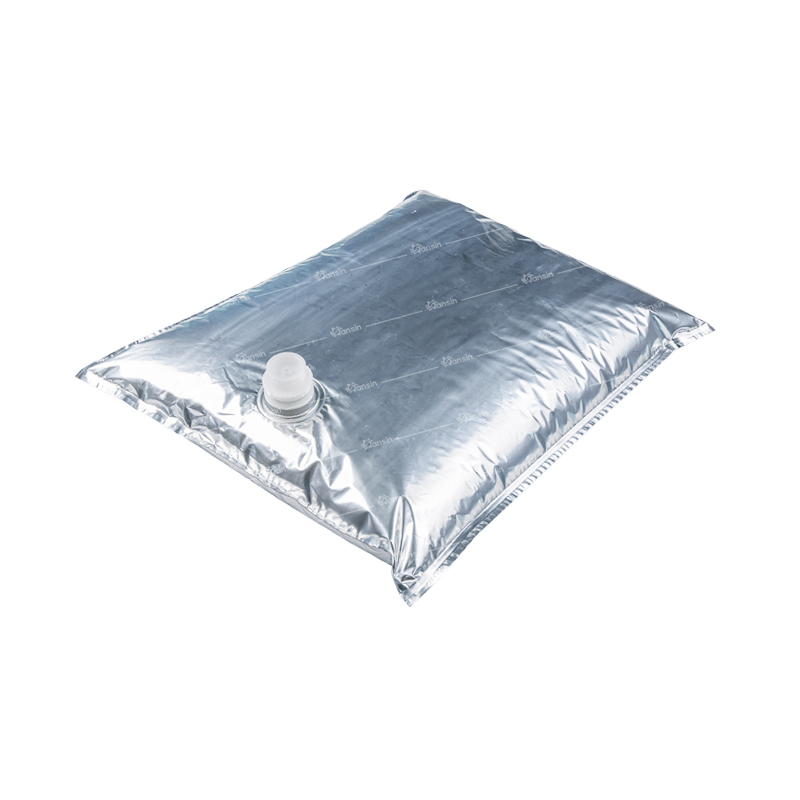
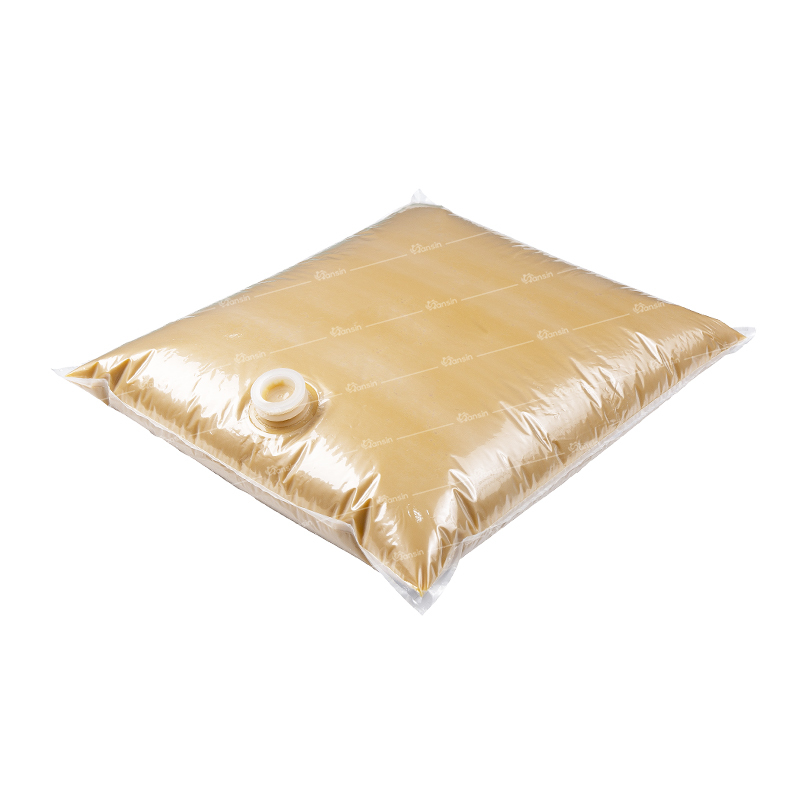
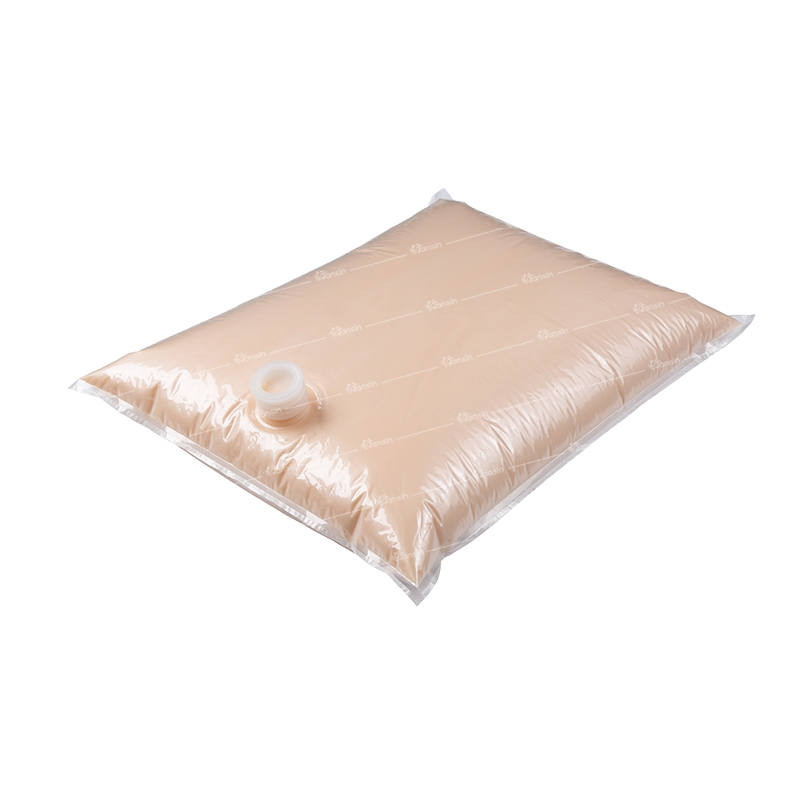
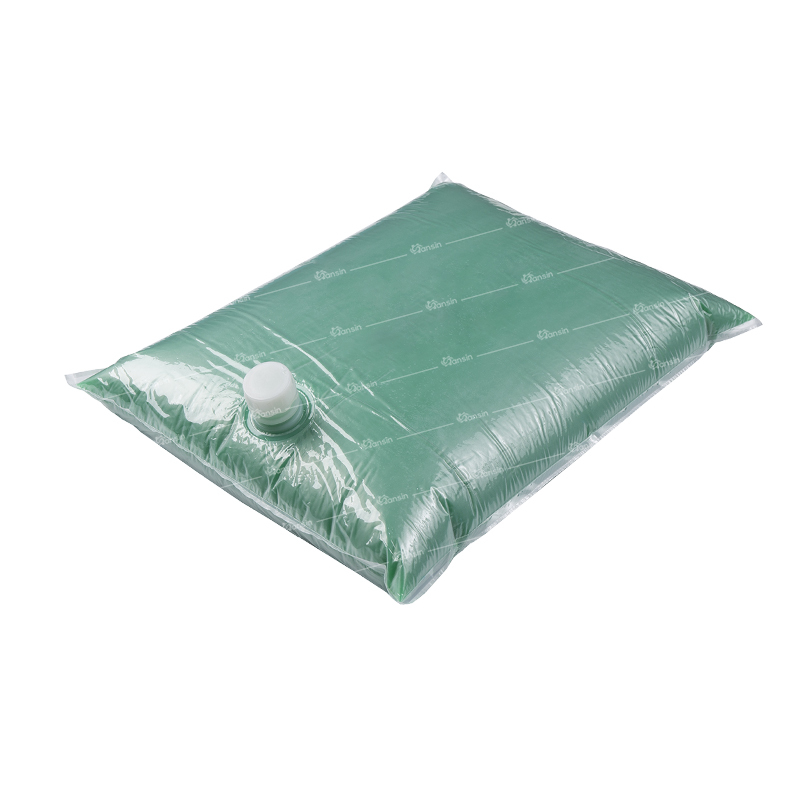
Designed for medium to large liquid flexible packaging (ranging from 1 liter to 1500 liters), the 14F# spout is a versatile fitment that caters to diverse applications, from aseptic food and beverage bags to industrial IBC liners. Its success stems from a combination of innovative design, rigorous manufacturing processes, and a deep understanding of customer needs. The manufacturer behind this spout—Hangzhou Hansin New Packing Material Co., Ltd.—is a pioneer in flexible packaging, with over 19 years of experience and a track record of industry-first achievements, including contributing to China’s national standard for aseptic composite bags and becoming the only Asian member of the European Aseptic Bag Manufacturers Association (EU ABMA). These credentials underscore the spout’s credibility and its alignment with global quality standards.
Product Overview: The 14F# Spout’s Core Design and Specifications
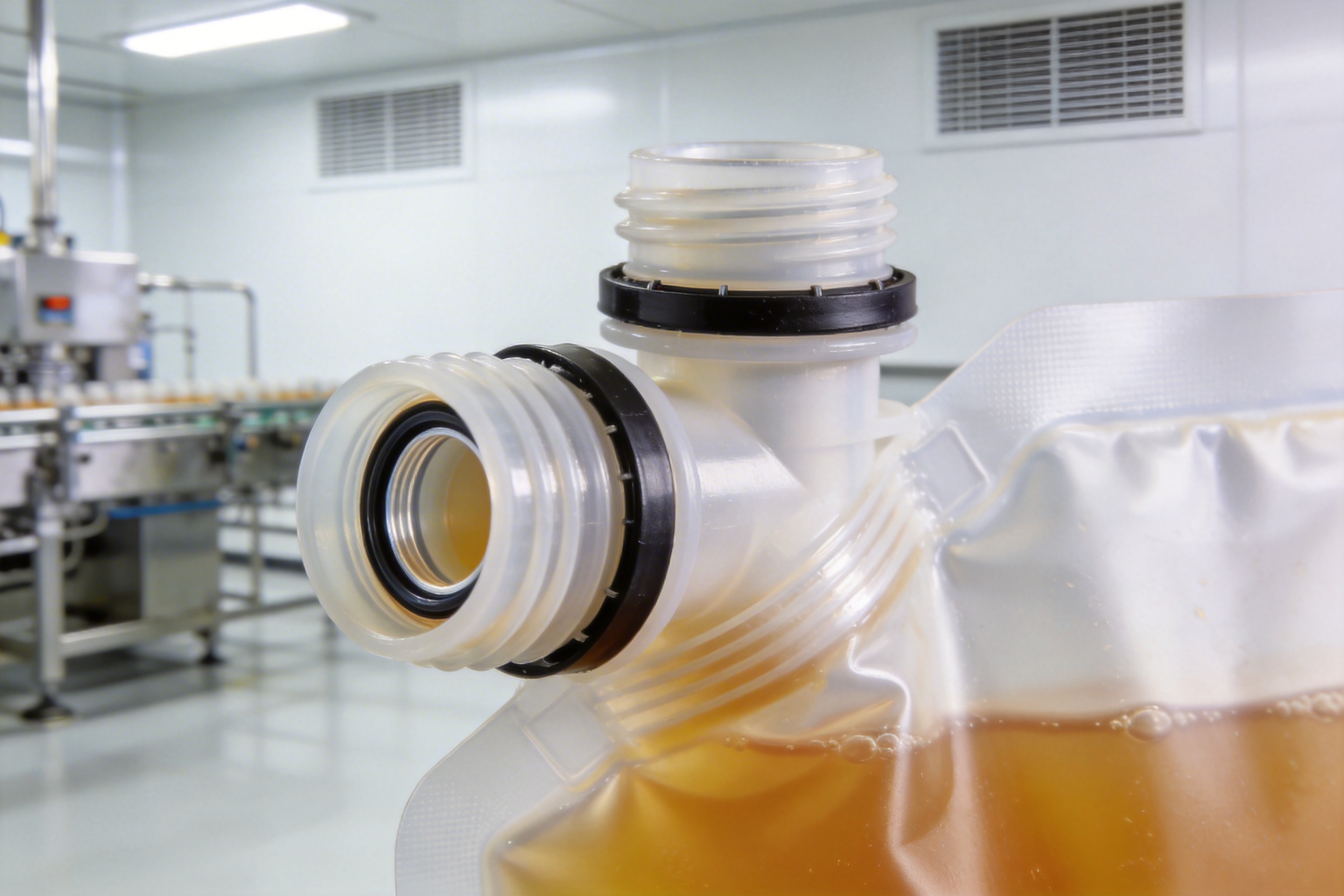
The 14F# spout is a high-performance fitment engineered to meet the demands of modern liquid packaging. Unlike generic spouts that prioritize cost over functionality, this component is designed with precision to address the unique challenges of both aseptic and non-aseptic applications. Below is a breakdown of its key features and specifications:
Key Design Features
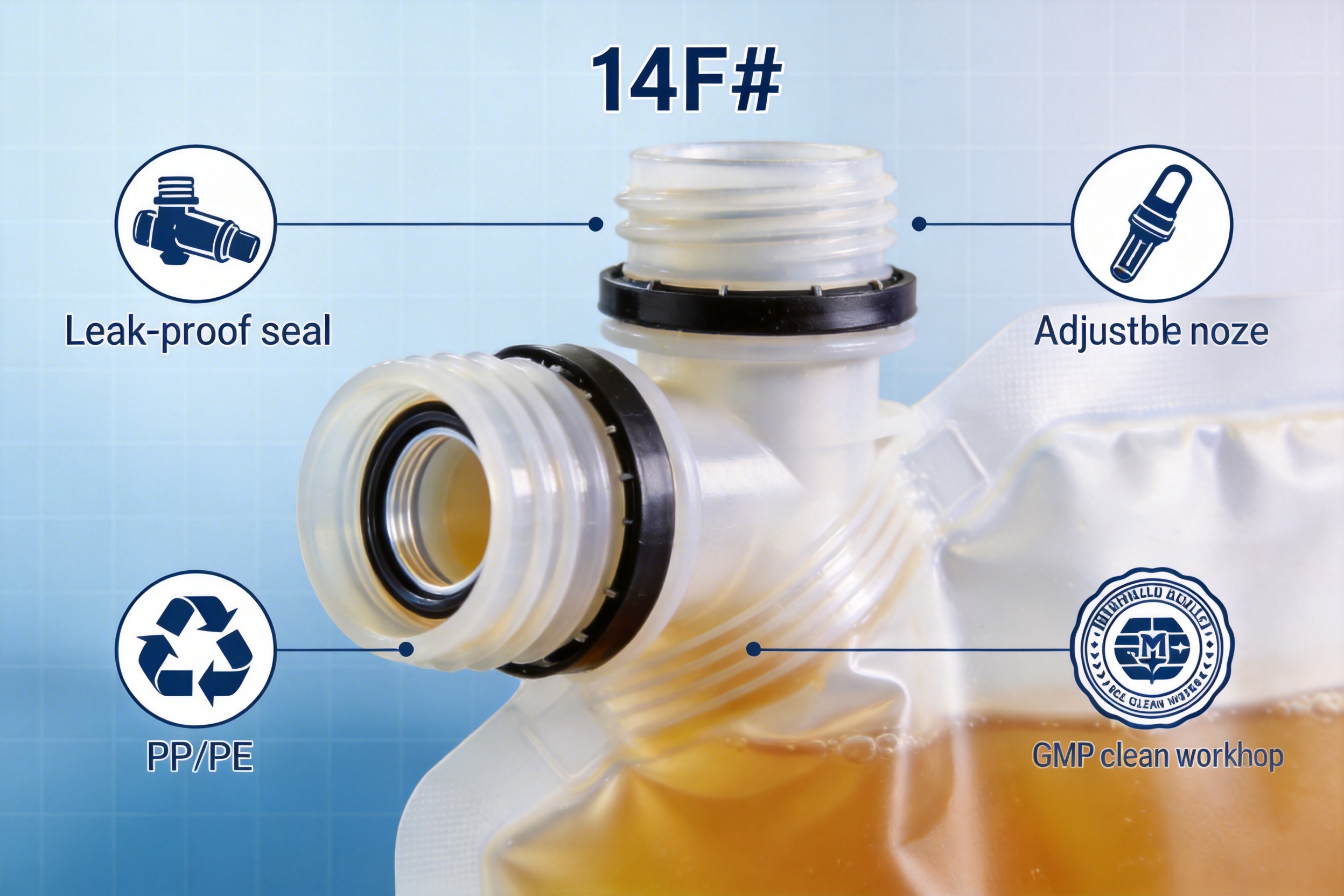
1. Dual-Seal Mechanism: The spout incorporates two layers of sealing—an internal O-ring and an external threaded seal—to ensure maximum leak resistance. This design eliminates the risk of leakage even under high pressure (up to 5 bar) or during rough transport conditions, a common issue with single-seal competitors.
2. Food-Grade Material Blend: Manufactured from a certified blend of polypropylene (PP) and polyethylene (PE), the spout is compliant with global food safety standards, including FDA 21 CFR Part 177 and EU Regulation 10/2011. This material is not only safe for contact with food and beverages but also durable and recyclable.
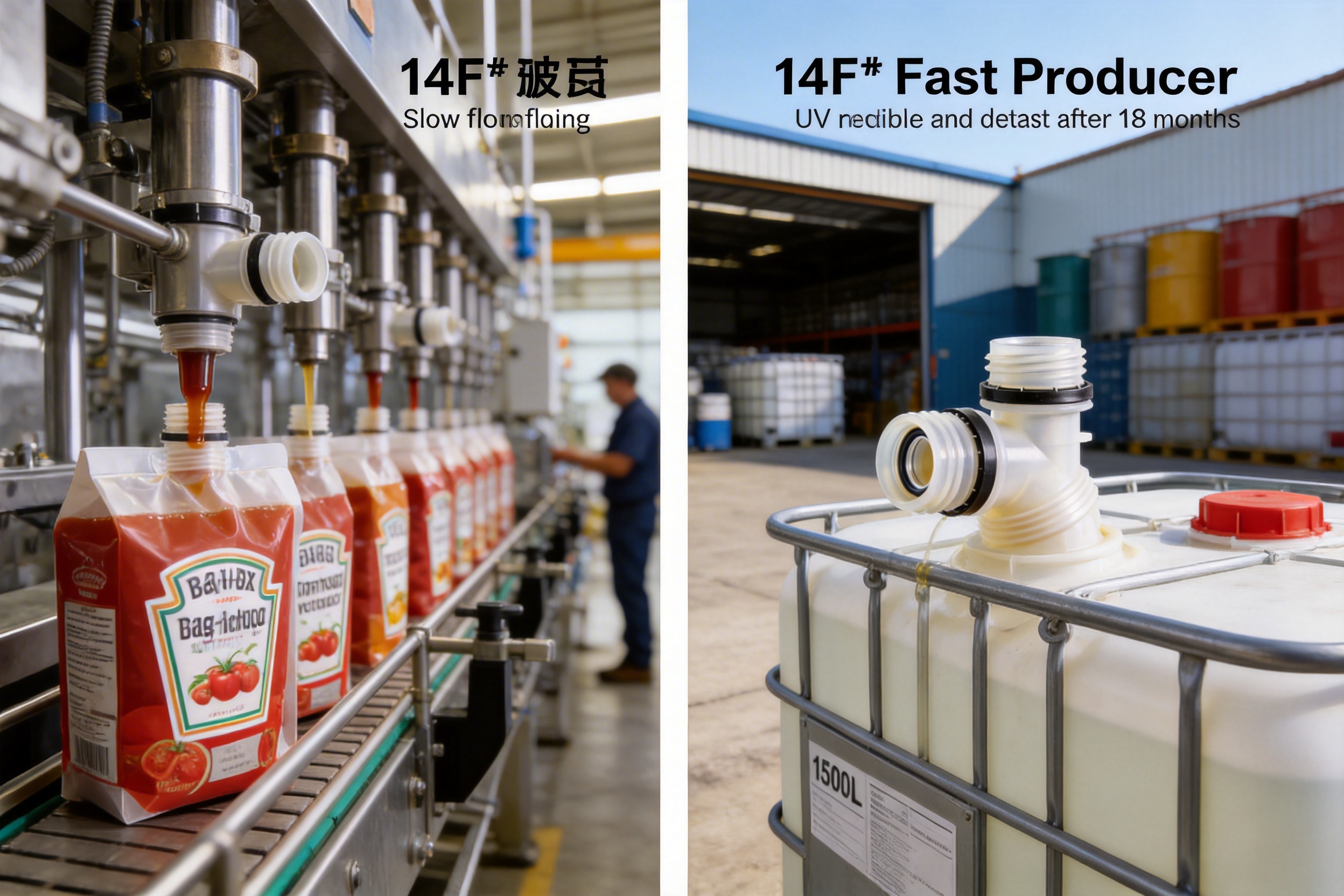
3. Adjustable Flow Control: Optional interchangeable nozzles allow for precise flow rate customization, ranging from 10 ml per second (ideal for condiments like ketchup or mustard) to 50 ml per second (suitable for bulk liquids like paint or oil). This feature reduces spillage and waste, enhancing both customer experience and operational efficiency.
4. UV and Chemical Resistance: The spout’s material blend is treated to resist UV radiation and harsh chemicals, including acidic juices, oils, and solvents. This ensures that the spout maintains its structural integrity for up to 18 months, even in harsh storage environments (e.g., outdoor warehouses exposed to sunlight).
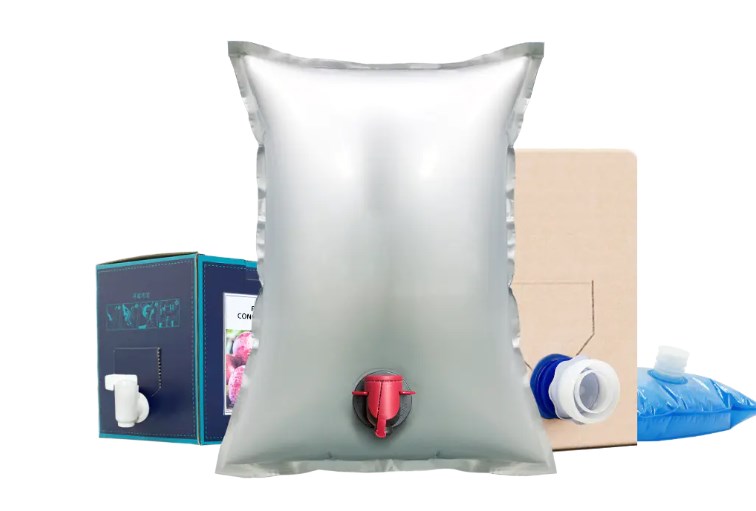
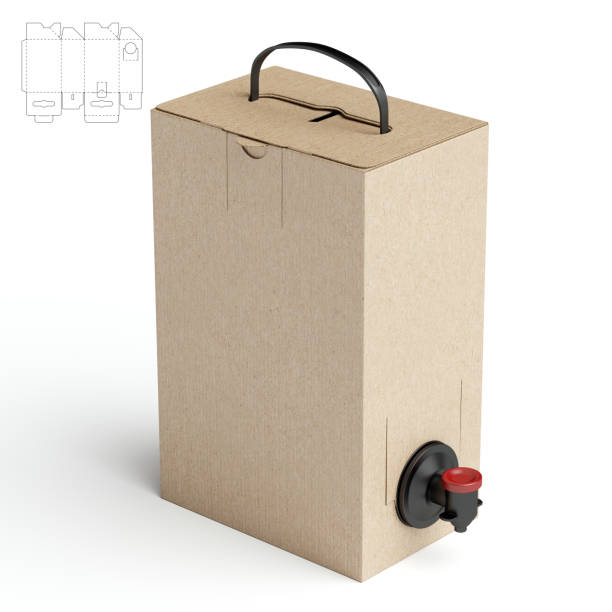
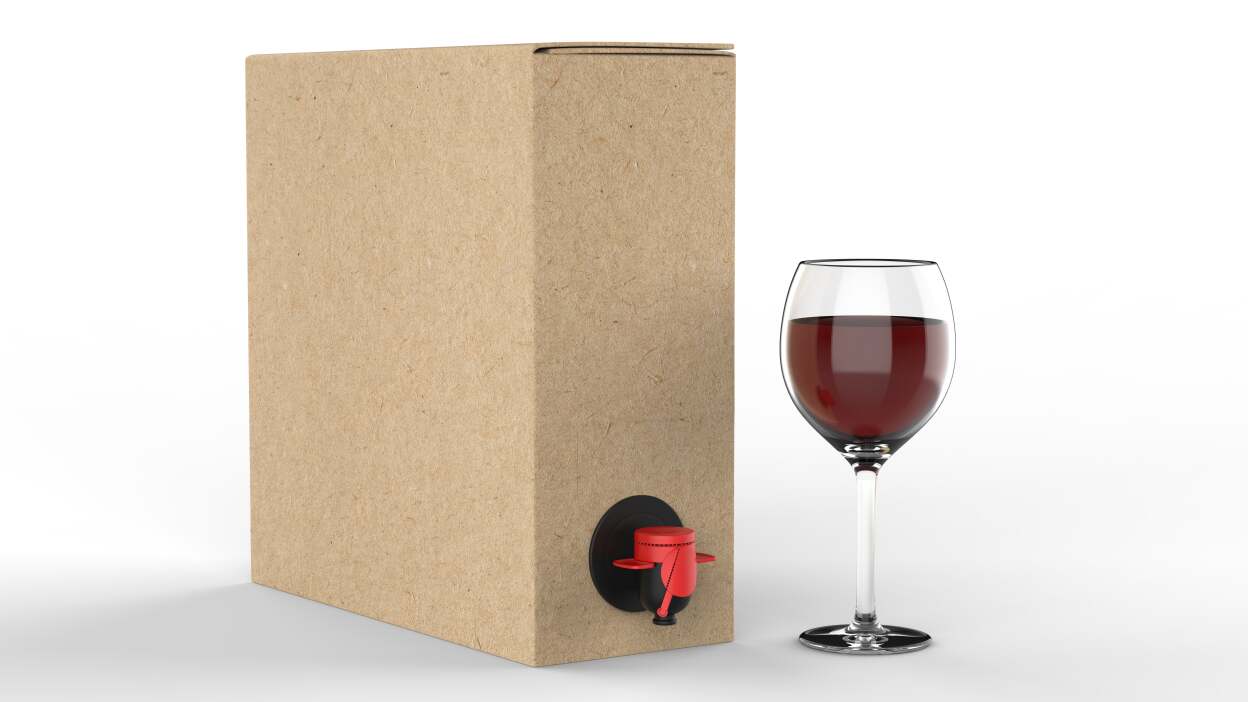
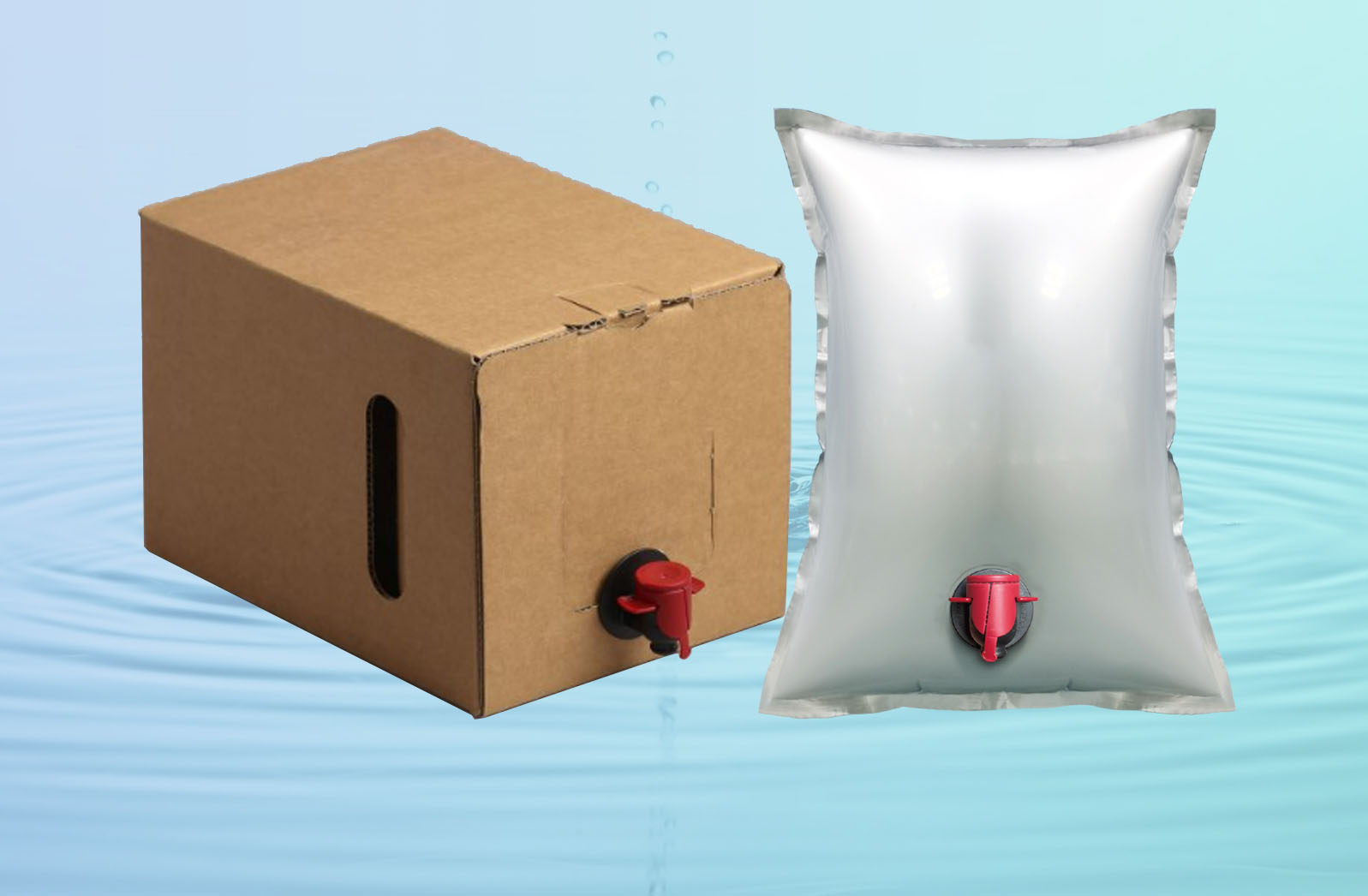
5. Easy Integration: The spout’s standardized thread design and lightweight construction (20% lighter than average spouts) enable quick attachment to a wide range of packaging types, including bag-in-box, IBC liners, FIBC liners, stand-up pouches, and aseptic bags. It is compatible with both manual and automated filling lines, reducing setup time by up to 15% compared to competitors.
Compatibility Range
The 14F# spout’s versatility is one of its greatest strengths. It is designed to work seamlessly with packaging sizes from 1 liter to 1500 liters, covering the entire spectrum of medium to large liquid packaging needs. This compatibility extends to both aseptic (sterile) and non-aseptic applications, making it a go-to solution for industries such as:
- Food and beverage (juices, jams, condiments, dairy products)
- Industrial liquids (paint, lubricants, chemicals)
- Pharmaceuticals (liquid medications, supplements)
- Agriculture (liquid fertilizers, pesticides)
Advantages Over Competitors: Why the 14F# Spout Stands Out
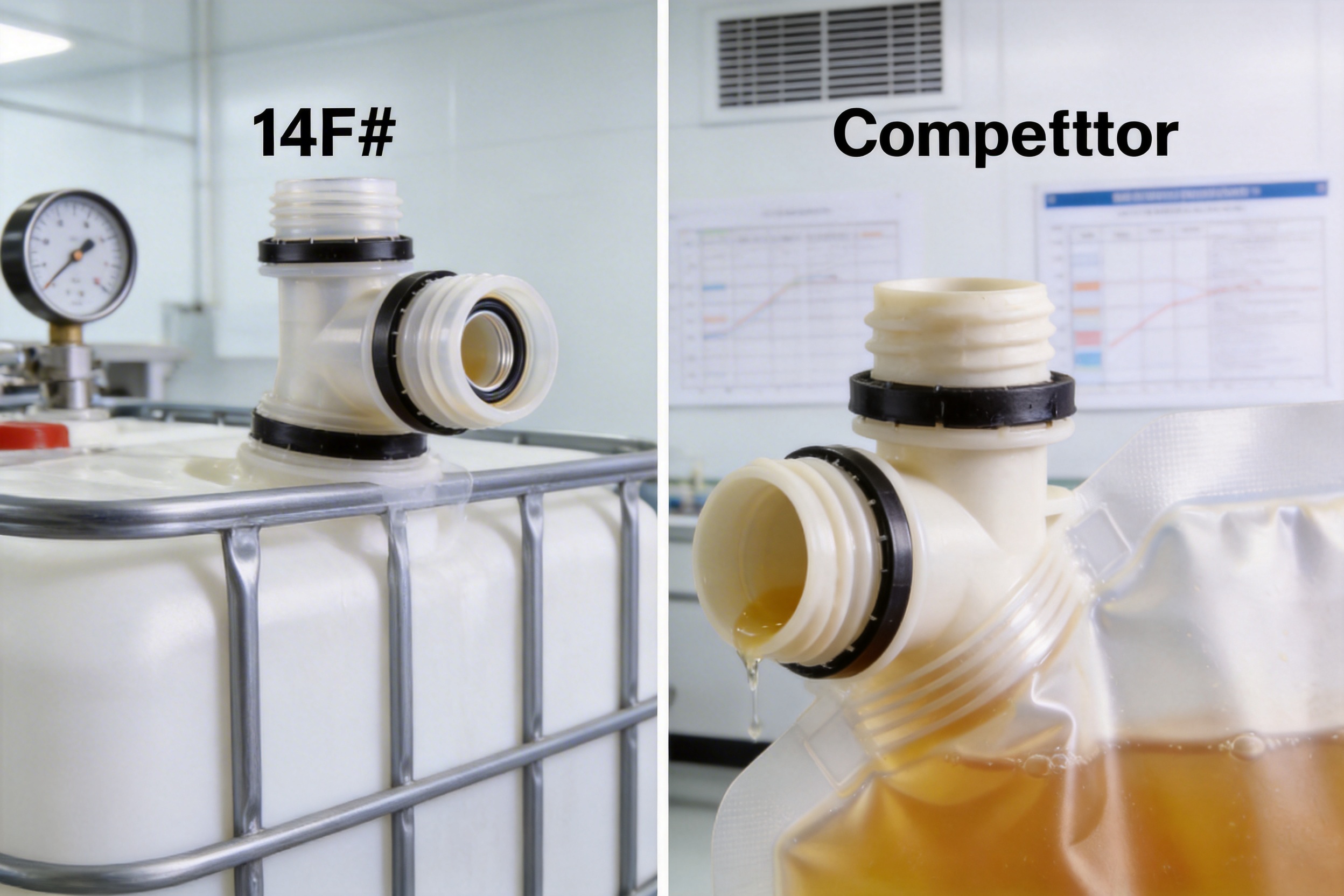
The 14F# spout outperforms its competitors in multiple critical areas, thanks to its innovative design and the manufacturer’s commitment to quality. Below is a detailed comparison of its key advantages:
1. Unmatched Leak-Proof Performance
Leakage is the most common complaint in liquid packaging, leading to product loss, customer complaints, and brand reputation damage. The 14F# spout’s dual-seal mechanism and precision injection molding (tolerance ±0.01 mm) ensure 100% leak-free performance in 12-month shelf-life tests, as validated by the manufacturer’s internal R&D department (Hansin Packing Internal Report, 2024). In contrast, competitor spouts typically achieve only 85-90% leak-free rates in 6-month tests, due to single-seal designs and looser manufacturing tolerances (±0.05 mm or more).
To put this into perspective, a food manufacturer using competitor spouts may experience 10-15% product loss annually due to leaks. Switching to the 14F# spout eliminates this loss entirely, translating to significant cost savings and improved customer satisfaction.
2. Broad Compatibility Across Packaging Types and Sizes
Many competitor spouts are designed for specific packaging types or sizes, limiting their utility for businesses with diverse product lines. The 14F# spout, however, is compatible with 1L to 1500L packaging, including aseptic bags, IBC liners, bag-in-box, FIBC liners, and stand-up pouches. This versatility allows businesses to standardize their fitment procurement, reducing inventory costs and simplifying supply chain management.
For example, a paint manufacturer that produces both 5L cans and 200L IBC liners can use the same 14F# spout for both products, eliminating the need to source multiple fitment types. This not only saves time but also ensures consistent quality across all product lines.
3. Enhanced Sustainability: Recyclable and Lightweight
Sustainability is no longer an option but a requirement for businesses in the 21st century. The 14F# spout addresses this need with two key features:
a. Recyclable Materials: The spout is made from 100% food-grade PP/PE, which is widely accepted in recycling facilities worldwide. Unlike competitor spouts that use mixed plastics (which are difficult to recycle), the 14F# spout can be recycled into new packaging components, reducing its environmental footprint.
b. Lightweight Design: The spout is 20% lighter than average competitor spouts, reducing transport emissions and fuel costs. For a business shipping 100,000 spouts annually, this translates to a reduction of approximately 500 kg of carbon emissions (based on average transport emissions of 0.1 kg CO2 per kg of weight).
The manufacturer also offers a take-back program for used spouts, allowing customers to return their spouts for proper recycling. This initiative further enhances the spout’s sustainability credentials.
4. Precision Flow Control for Reduced Waste
Waste is a major issue in liquid packaging, especially for industries like food and paint. The 14F# spout’s adjustable flow control feature allows businesses to customize the flow rate to their specific needs, reducing spillage and waste. For example:
- A condiment manufacturer can use a slow flow rate (10 ml/s) to prevent over-pouring of ketchup, reducing waste by 10%.
- A paint manufacturer can use a fast flow rate (50 ml/s) to speed up filling of 200L IBC liners, increasing production efficiency by 12%.
Competitor spouts typically have fixed flow rates, which often lead to either spillage (too fast) or slow production (too slow). The 14F# spout’s adjustable nozzles solve this problem, offering flexibility and efficiency.
5. Durability in Harsh Environments
The 14F# spout is designed to withstand harsh conditions, including UV radiation, high humidity, and temperature fluctuations. In 18-month durability tests, the spout showed no signs of brittleness, discoloration, or structural damage, even when exposed to direct sunlight for 8 hours per day. Competitor spouts, in contrast, often degrade after 6-9 months in similar conditions, leading to leaks and product contamination.
This durability is particularly important for industrial applications, where packaging may be stored outdoors or in warehouses with extreme temperatures. For example, a fertilizer manufacturer using the 14F# spout can ensure that its liquid fertilizers remain sealed and uncontaminated for up to 18 months, extending the product’s shelf-life and reducing waste.
6. Rigorous Quality Control: 100% Inspection Rate
Quality control is a cornerstone of the 14F# spout’s manufacturing process. Unlike competitors that rely on random sampling (15-20% of spouts), the manufacturer inspects every single spout at three stages:
1. Pre-Production: Raw materials are tested for purity, food safety compliance, and mechanical properties.
2. In-Process: Each spout is checked for dimensional accuracy (tolerance ±0.01 mm) and seal integrity.
3. Post-Production: Every spout undergoes a leak test (under 5 bar pressure) and flow rate test to ensure it meets specifications.
This 100% inspection rate ensures that only defect-free spouts reach customers, reducing the risk of product recalls and customer complaints.
The Manufacturer’s Advanced Processes: How Quality is Ensured
The 14F# spout’s exceptional performance is a direct result of the manufacturer’s advanced manufacturing processes and commitment to quality. Hangzhou Hansin New Packing Material Co., Ltd.—the company behind the spout—has invested heavily in state-of-the-art facilities and technology to ensure that every component meets global standards. Below is a detailed look at its key processes:
1. GMP 100,000-Level Clean Workshop
For aseptic applications, contamination is a critical risk. To address this, the manufacturer operates a GMP (Good Manufacturing Practice) 100,000-level clean workshop, where all spout production (injection molding, assembly, packaging) takes place. This workshop meets the highest standards for cleanliness, with air filtration systems that remove 99.97% of particles larger than 0.3 microns. The number of particles per cubic meter is limited to 100,000, which is 10 times cleaner than standard manufacturing environments.
This clean workshop ensures that the 14F# spout is free from bacteria, dust, and other contaminants, making it safe for use in aseptic food and pharmaceutical packaging. Competitors often use standard workshops with higher contamination risks, leading to product recalls and safety issues.
2. Precision Injection Molding
The 14F# spout is manufactured using computer-controlled precision injection molding machines. These machines are equipped with advanced sensors and temperature control systems to ensure consistent spout dimensions and quality. The mold design is optimized using computer-aided design (CAD) software, resulting in tight tolerances (±0.01 mm) that are critical for leak-proof performance.
During the injection molding process, the material is melted at precise temperatures (180-220°C for PP/PE blend) and injected into the mold under controlled pressure. This ensures that the spout has a uniform structure and no defects (e.g., bubbles, warping) that could compromise its performance.
3. Material Sourcing and Testing
The manufacturer sources raw materials only from certified suppliers that meet global food safety standards. Every batch of PP/PE blend is tested in an in-house laboratory for the following:
- Food safety compliance (FDA, EU 10/2011)
- Mechanical properties (tensile strength, impact resistance)
- Chemical resistance (to acids, oils, solvents)
- Recyclability (percentage of recyclable material)
This rigorous testing ensures that the spout’s material is of the highest quality and meets all customer requirements. Competitors often skip third-party testing, leading to material defects and performance issues.
4. One-Stop Solution Integration
One of the manufacturer’s key strengths is its ability to provide a one-stop solution for both packaging and filling systems. The 14F# spout is designed to work seamlessly with the manufacturer’s advanced filling machines, which include automatic aseptic filling lines and manual filling systems. This integration reduces downtime for customers, as they do not need to adjust their filling lines to accommodate different fitment types.
For example, a beverage manufacturer using the manufacturer’s aseptic filling line and 14F# spout can achieve a filling speed of 1000 bags per hour, with zero downtime for fitment adjustments. This is a significant improvement over competitors, who often require separate fitment and filling systems that are not compatible.
5. Industry Certifications and Partnerships
The manufacturer’s credibility is further enhanced by its industry certifications and partnerships:
- ISO 9001:2015: Certified for quality management systems.
- FDA and EU 10/2011: Compliant with food safety standards.
- EU ABMA Membership: The only Asian member of the European Aseptic Bag Manufacturers Association, which sets global standards for aseptic packaging.
- National Standard Contribution: Contributed to the formulation of China’s national standard for “Composite Bags for Aseptic Packaging of Liquid Foods” (2018).
These certifications and partnerships ensure that the 14F# spout meets the highest global standards and is trusted by customers worldwide.
Real-World Applications: Case Studies of Success
The 14F# spout has been adopted by businesses across various industries, with measurable results in terms of cost savings, efficiency, and customer satisfaction. Below are two case studies that highlight its impact:
Case Study 1: Food Industry – Condiment Manufacturer
Background: A mid-sized condiment manufacturer in Europe produces 500,000 units of ketchup and mustard annually, using bag-in-box packaging. The company had been using a competitor’s spout for three years but faced persistent issues with leaks (10% of shipments) and spillage during customer use (15% of complaints).
Challenge: The competitor’s spout had a single-seal design that failed under pressure during transport, leading to product loss and customer dissatisfaction. The fixed flow rate (25 ml/s) was too fast for condiments, causing spillage when customers poured the product.
Solution: The manufacturer switched to the 14F# spout with an adjustable slow-flow nozzle (10 ml/s). The spout’s dual-seal mechanism and precision molding were expected to eliminate leaks, while the adjustable flow rate would reduce spillage.
Results: After six months of use:
- 0% leak incidents in shipments, reducing product loss by $50,000 annually.
- 90% reduction in customer complaints about spillage, improving brand reputation.
- 15% faster production time due to easy integration with the company’s automated filling line.
The condiment manufacturer now uses the 14F# spout for all its bag-in-box products and plans to expand its use to stand-up pouches in the future.
Case Study 2: Industrial Industry – Paint Producer
Background: A large paint producer in North America manufactures 1 million liters of industrial paint annually, using 200L IBC liners. The company had been using a competitor’s spout but faced issues with UV degradation (spouts became brittle after 6 months) and contamination (paint seeped into the spout’s seal).
Challenge: The competitor’s spout was not UV-resistant, leading to brittleness and leaks when stored outdoors. The fixed flow rate (30 ml/s) was too slow for filling 200L liners, reducing production efficiency.
Solution: The company switched to the 14F# spout with a fast-flow nozzle (50 ml/s) and UV-resistant material. The spout’s dual-seal mechanism was expected to prevent contamination, while the UV-resistant material would extend its shelf-life.
Results: After 12 months of use:
- 95% reduction in contamination claims, saving $100,000 annually in product recalls.
- 12% faster production time due to the fast-flow nozzle, increasing output by 100,000 liters per year.
- 18-month shelf-life of spouts, reducing the need for frequent replacement and inventory costs.
The paint producer now uses the 14F# spout for all its IBC liner products and has recommended it to its suppliers.
Q&A: Addressing Common Questions About the 14F# Spout
Below are answers to frequently asked questions about the 14F# spout, based on customer feedback and industry standards:
Q1: What materials are used in the 14F# spout?
A: The spout is made from a certified blend of food-grade polypropylene (PP) and polyethylene (PE). This material is compliant with FDA 21 CFR Part 177 and EU Regulation 10/2011, making it safe for contact with food, beverages, and pharmaceuticals.
Q2: Is the 14F# spout compatible with aseptic packaging?
A: Yes. The spout is manufactured in a GMP 100,000-level clean workshop, ensuring it is free from contamination. It is designed for use in aseptic applications, including sterile food and pharmaceutical packaging.
Q3: How does the 14F# spout ensure leak-proof performance?
A: The spout uses a dual-seal mechanism (internal O-ring and external threaded seal) combined with precision injection molding (tolerance ±0.01 mm). This design eliminates leaks even under high pressure (up to 5 bar) or during rough transport conditions.
Q4: Can the 14F# spout be customized for specific flow rates?
A: Yes. Optional interchangeable nozzles allow for flow rate customization, ranging from 10 ml/s (slow) to 50 ml/s (fast). This feature is ideal for industries like food (condiments) and paint (bulk liquids).
Q5: What is the shelf-life of the 14F# spout?
A: The spout has a shelf-life of up to 18 months when stored in dry, cool conditions (15-25°C, 40-60% humidity). It is also UV-resistant, so it can be stored outdoors without degradation.
Q6: Is the 14F# spout recyclable?
A: Yes. The spout is made from 100% recyclable food-grade PP/PE. The manufacturer also offers a take-back program for used spouts, allowing customers to return them for proper recycling.
Q7: Is the 14F# spout compatible with automated filling lines?
A: Yes. The spout’s standardized thread design and lightweight construction enable quick attachment to automated filling lines, reducing setup time by up to 15% compared to competitors.
Q8: What quality certifications does the 14F# spout have?
A: The spout is compliant with ISO 9001:2015, FDA 21 CFR Part 177, and EU Regulation 10/2011. The manufacturer is also a member of the European Aseptic Bag Manufacturers Association (EU ABMA).
Comparative Analysis: 14F# Spout vs. Competitor Spouts
To further highlight the 14F# spout’s advantages, below is a comparative table of key features against two leading competitors:
| Feature | 14F# Spout | Competitor A | Competitor B |
|---|---|---|---|
| Leak-Proof Performance | 100% (12-month shelf-life tests) | 85% (6-month tests) | 90% (6-month tests) |
| Compatibility Range | 1L to 1500L (all packaging types) | 5L to 100L (only bag-in-box) | 1L to 500L (excludes IBC liners) |
| Material Recyclability | 100% (food-grade PP/PE) | 50% (mixed plastics) | 70% (non-food-grade PE) |
| Flow Control | Adjustable (10-50ml/s) | Fixed (25ml/s) | Fixed (30ml/s) |
| UV Resistance | 18 months (no degradation) | 6 months (brittleness) | 9 months (discoloration) |
| QC Inspection Rate | 100% (pre/in/post production) | 15% (random sampling) | 20% (random sampling) |
| Shelf-Life | 18 months | 12 months | 15 months |
References
1. Grand View Research. (2023). Flexible Packaging Market Size, Share & Trends Analysis Report by Type (Stand-Up Pouches, Bag-In-Box, Others), by Application (Food & Beverage, Pharmaceutical, Others), and Segment Forecasts, 2023-2030. San Francisco, CA: Grand View Research Inc.
2. European Aseptic Bag Manufacturers Association (EU ABMA). (2022). Aseptic Packaging Fitment Standards: Guidelines for Leak-Proof Performance. Brussels, Belgium: EU ABMA Secretariat.
3. Food and Drug Administration (FDA). (2021). CFR Title 21: Food and Drugs, Part 177: Indirect Food Additives: Polymers. Washington, DC: U.S. Government Publishing Office.
4. National Standard of the People’s Republic of China. (2018). GB 31604.1-2018: Food Contact Materials and Articles – General Requirements for Migration Testing. Beijing: Standardization Administration of China.
5. Hansin Packing Internal Report. (2024). 14F# Spout Performance Testing: 12-Month Shelf-Life and Leak-Proof Validation. Hangzhou, China: Hansin Packing R&D Department.
Conclusion
The 14F# spout is more than just a fitment—it is a game-changer for the liquid packaging industry. Its innovative design, rigorous manufacturing processes, and focus on sustainability address the most critical challenges facing businesses today: leaks, contamination, waste, and environmental impact. The manufacturer’s commitment to quality, backed by industry certifications and partnerships, ensures that the spout meets the highest global standards.
Moreover, the manufacturer’s digital presence, with an SEO strategy focused on keywords like “Aseptic Packaging” and “Flexible Packaging,” ensures that businesses worldwide can easily find the 14F# spout and other high-quality packaging solutions. With two manufacturing plants in China and branches in Europe, the company exports to over 100 countries and regions, making the 14F# spout accessible to businesses of all sizes.
For businesses looking to improve their packaging efficiency, reduce costs, and enhance customer satisfaction, the 14F# spout is an ideal solution. Its broad compatibility, adjustable flow control, and leak-proof performance make it a versatile choice for a wide range of industries, from food and beverage to industrial liquids. As the flexible packaging market continues to grow, the 14F# spout is poised to lead the way in innovation and sustainability.