
 中文简体
中文简体 英语
英语 西班牙语
西班牙语 俄语
俄语 葡萄牙语
葡萄牙语 法语
法语 德语
德语 意大利语
意大利语




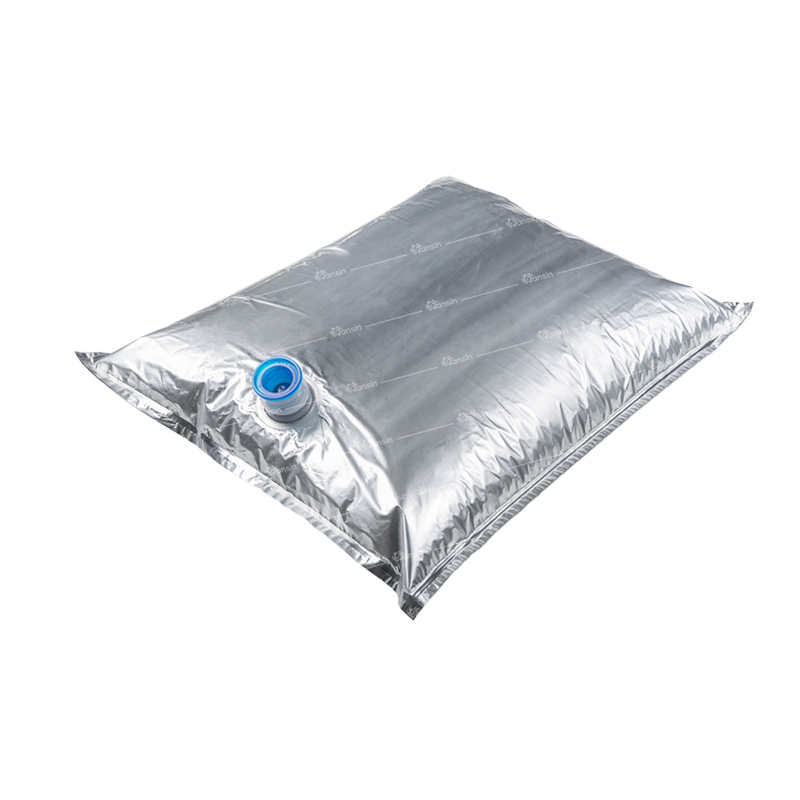
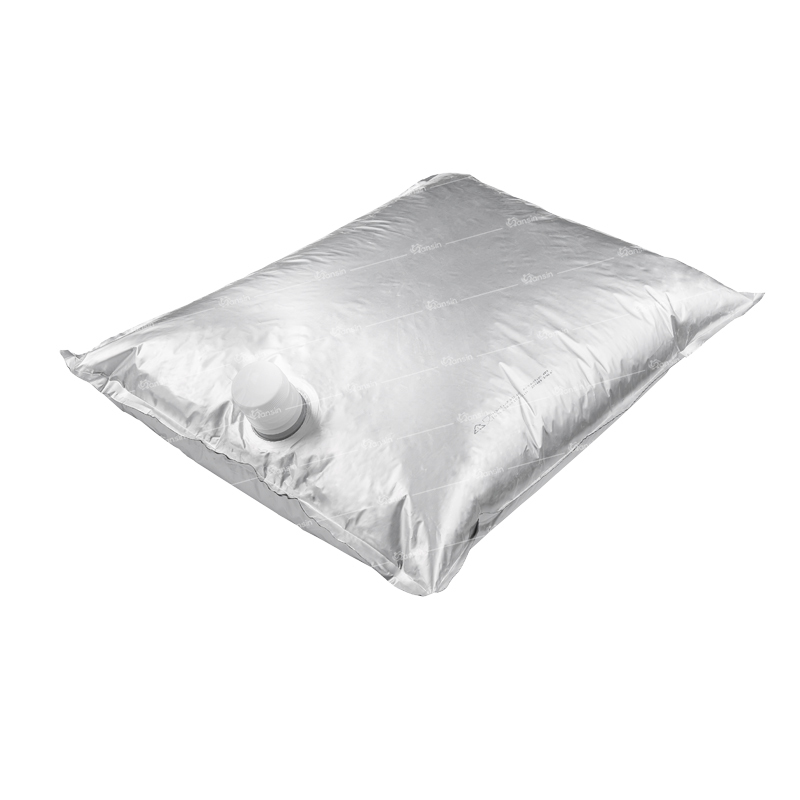
In an era where liquid packaging demands balance between safety, efficiency, and environmental responsibility, the 40# Spout emerges as a transformative component redefining industry standards. As a critical fitment for medium-to-large flexible packaging solutions—from aseptic bags to IBC liners—this spout addresses longstanding pain points: leak risks, contamination concerns, limited compatibility, and lack of sustainability. Unlike generic alternatives, the 40# Spout integrates advanced material science, precision engineering, and customer-centric design to deliver unmatched performance across diverse sectors, including food and beverage, pharmaceuticals, chemicals, and industrial goods. This article explores the 40# Spout’s core features, competitive advantages, the advanced manufacturing processes that underpin its quality, and the industry expertise that ensures its reliability in global markets.
What Is the 40# Spout?
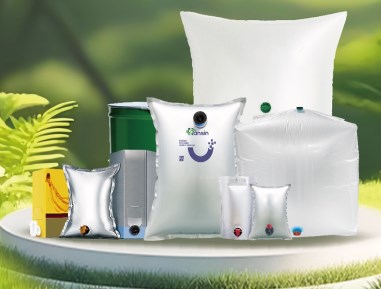
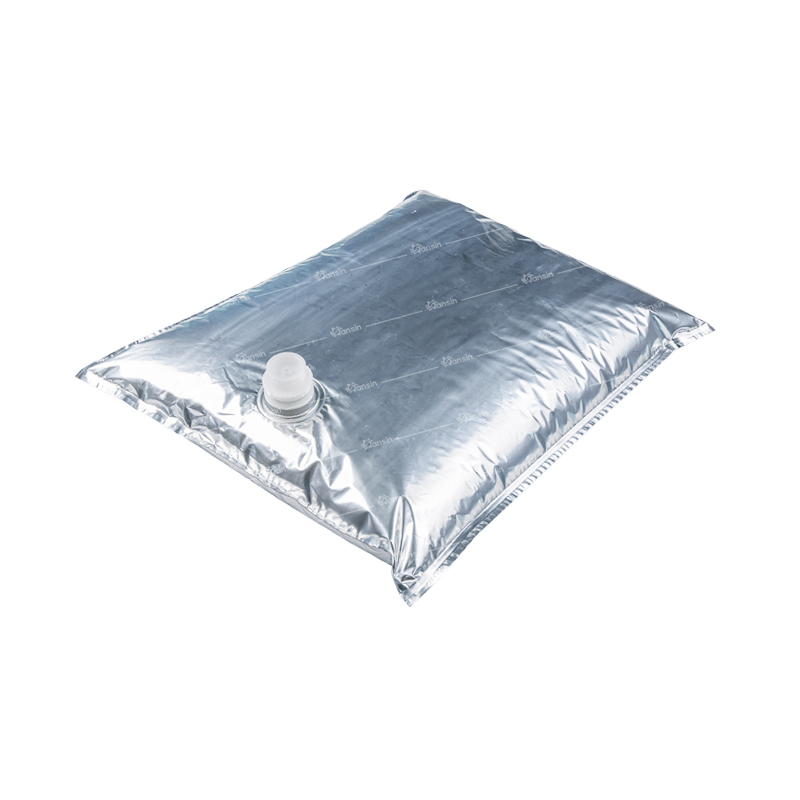
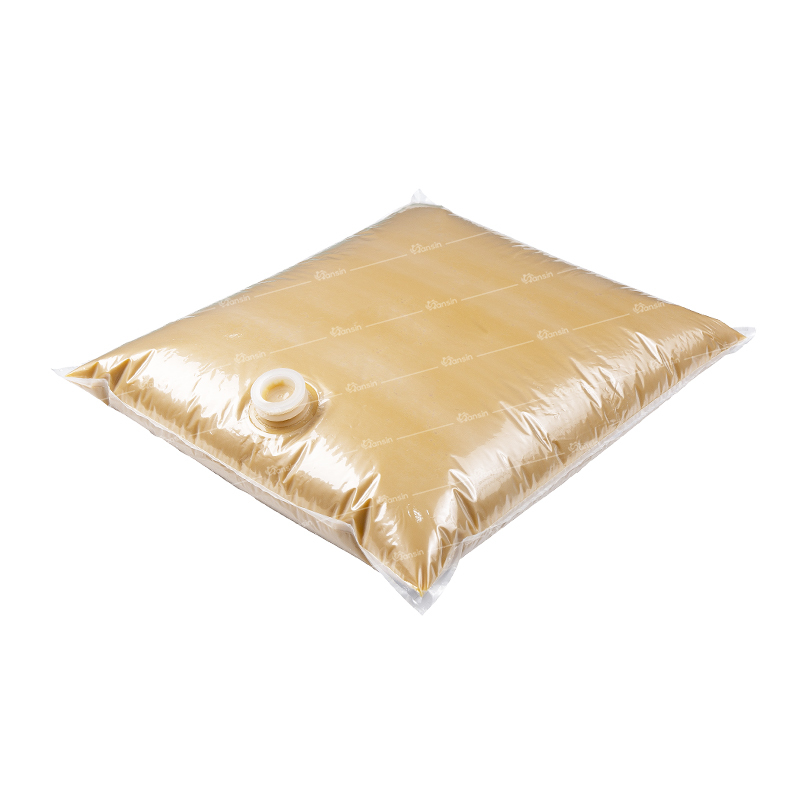
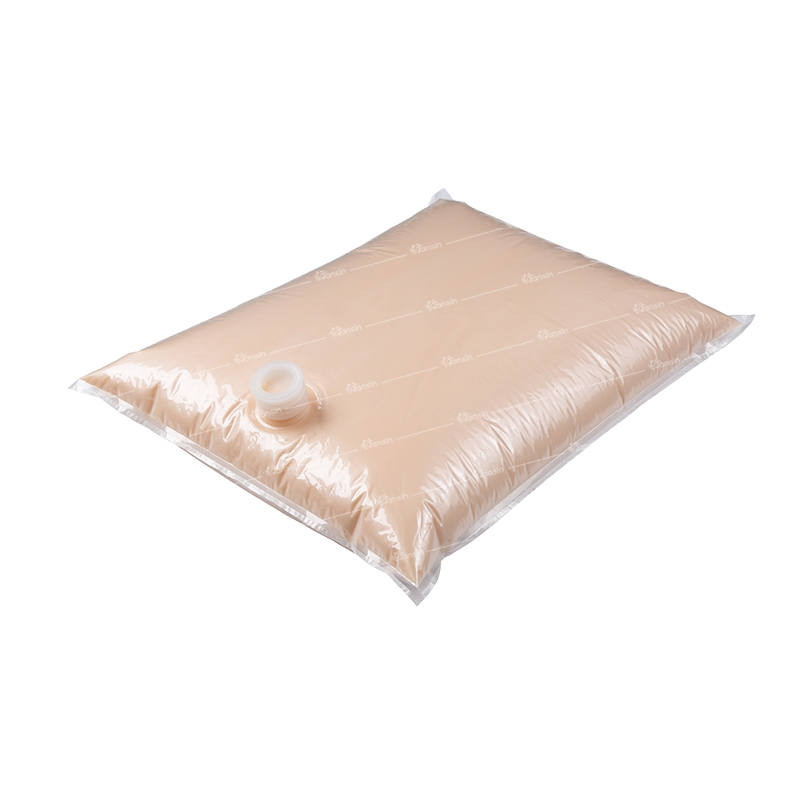
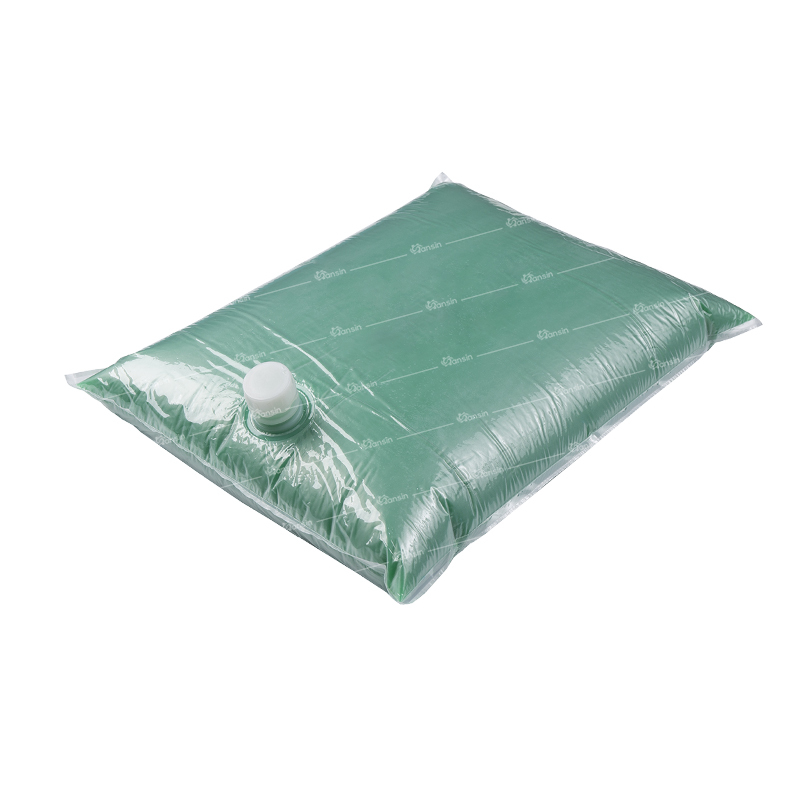
The 40# Spout is a high-performance fitment engineered for secure, contamination-free dispensing of liquid products in flexible packaging. Designed to accommodate volumes ranging from 1 liter to 1500 liters, it serves as a critical interface between the packaging and the end-user, enabling controlled pouring, storage, and transport. Its core functions extend beyond basic sealing: it prevents leaks under pressure, maintains aseptic conditions for sensitive products, and supports automated filling lines—making it a versatile solution for both small-scale and industrial applications.
Core Design Features of the 40# Spout
At the heart of the 40# Spout’s performance are its thoughtfully engineered design elements:
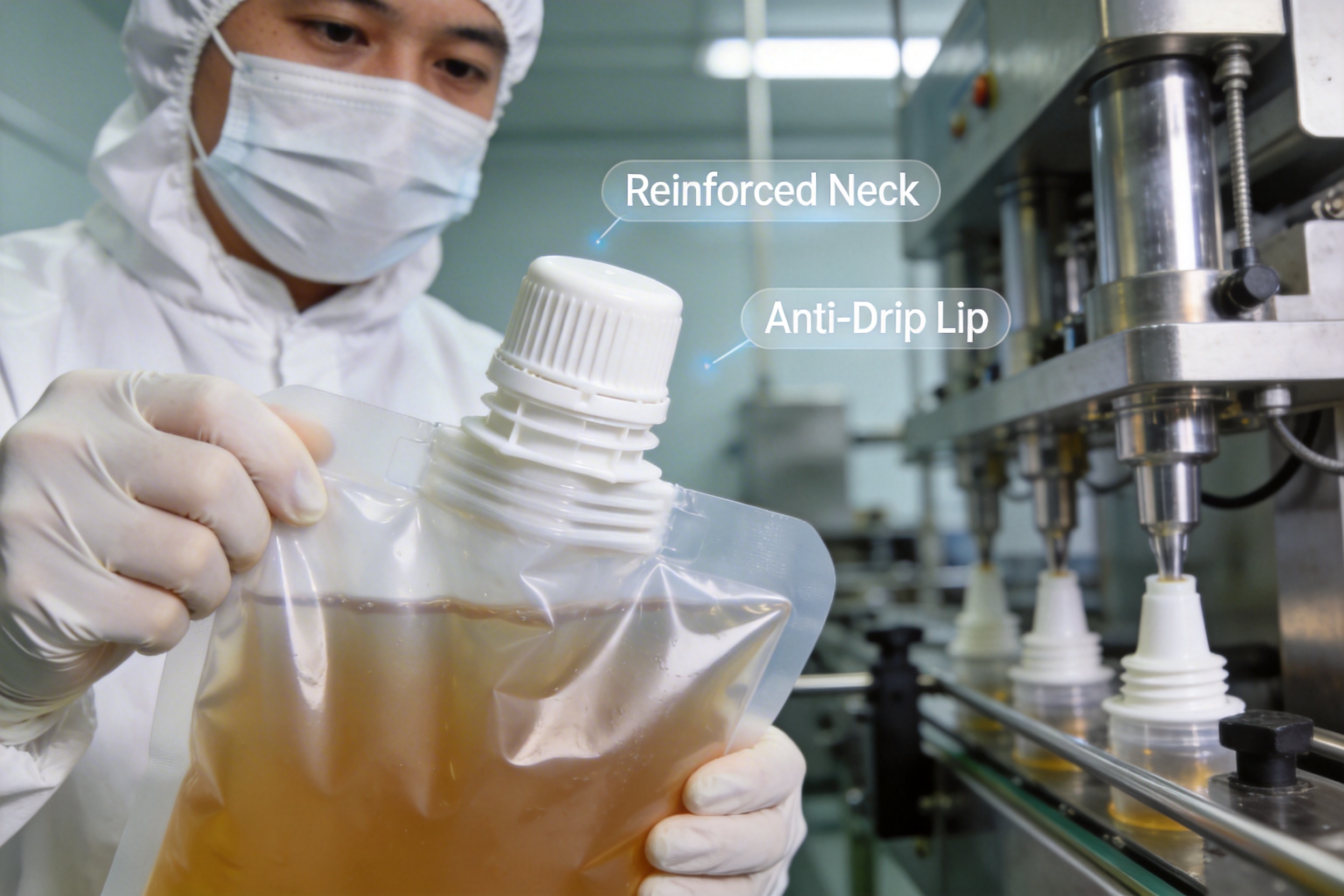
- Reinforced Neck Structure: A thickened, ribbed neck minimizes deformation under pressure, ensuring the spout remains intact even when filled with high-viscosity liquids or stored in vertical positions.
- Anti-Drip Mechanism: A precision-molded lip at the spout’s opening prevents liquid from dripping after dispensing, reducing waste and maintaining product integrity.
- Ergonomic Cap Design: A screw-top cap with a non-slip grip allows easy opening and closing, even with wet or gloved hands, while a built-in seal ensures airtight closure.
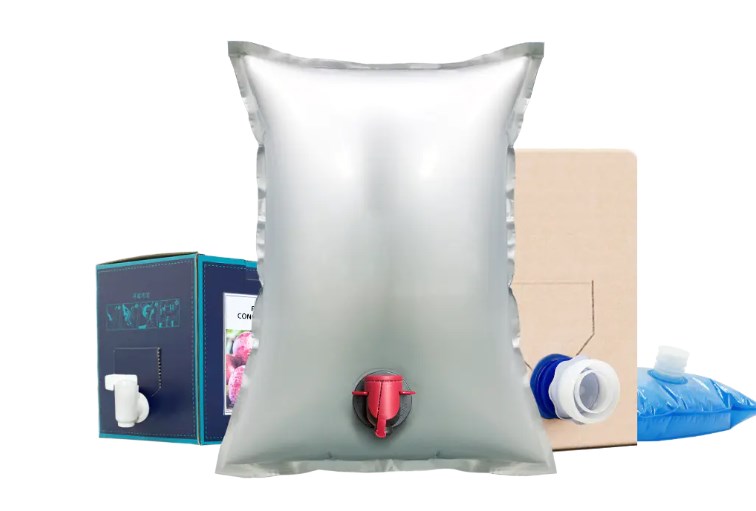
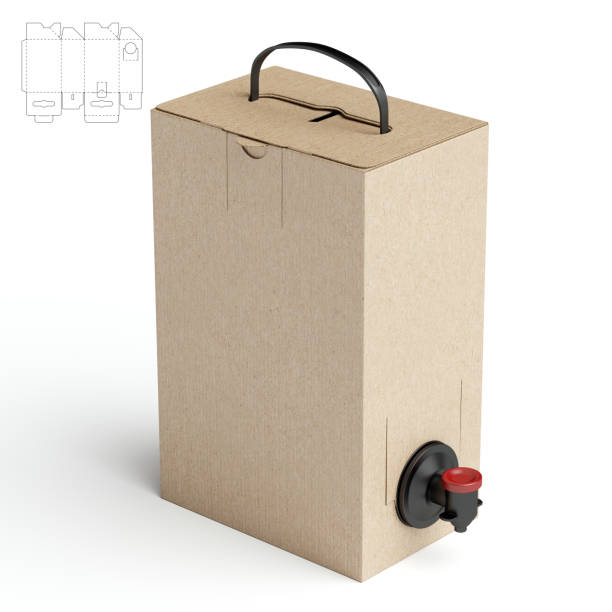
- Multi-Compatibility Flange: The spout’s flange is designed to bond seamlessly with various flexible packaging materials—including aseptic films, LDPE, and co-extruded laminates—supporting integration with aseptic bags, IBC liners, bag-in-box (BIB) systems, and FIBC liners.
Advantages of the 40# Spout Over Competitors
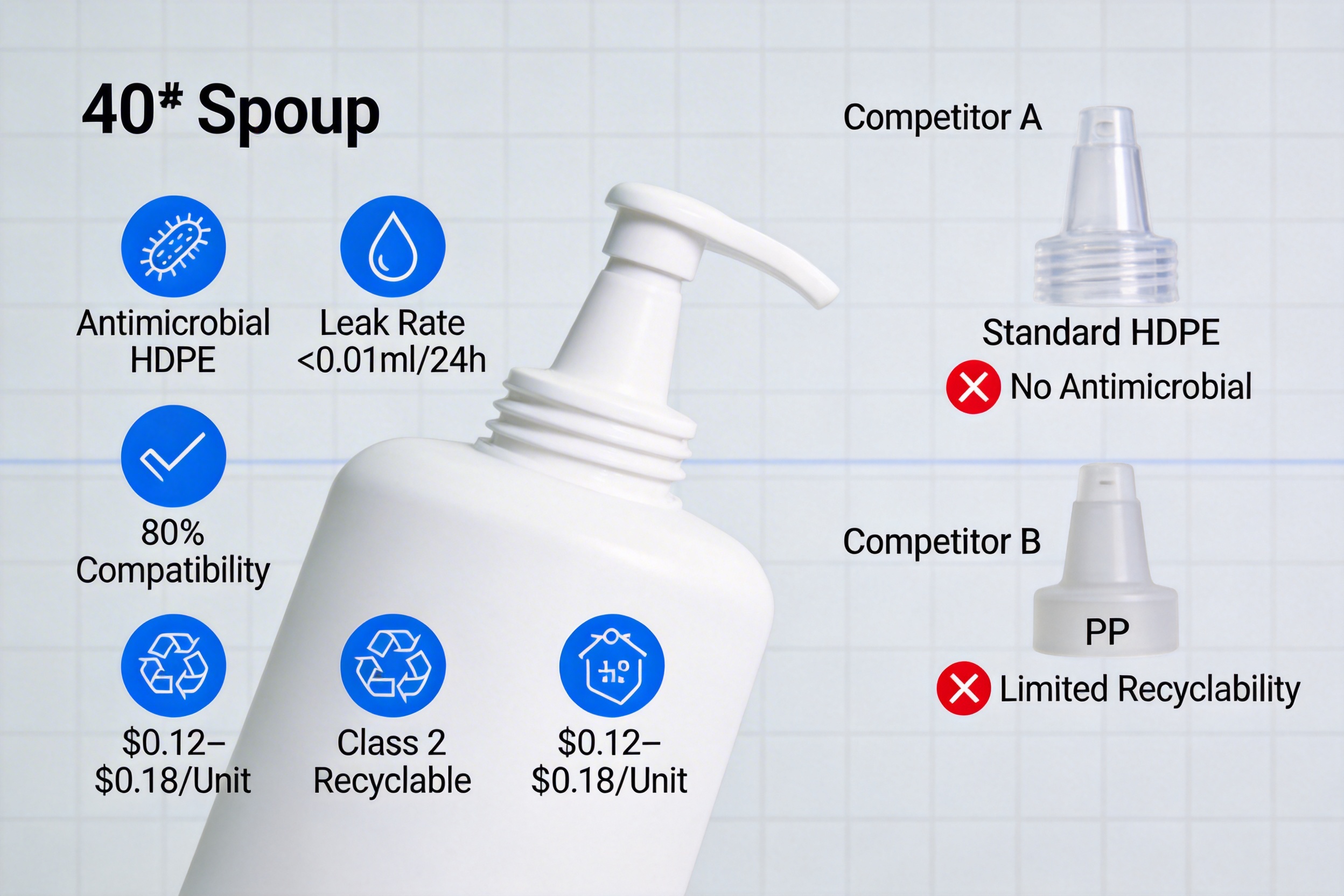
The 40# Spout outperforms generic fitments and competitor alternatives across key metrics, as summarized in the table below:
| Feature | 40# Spout | Competitor A (Standard HDPE Spout) | Competitor B (PP Spout) |
|---|---|---|---|
| Primary Material | Food-Grade HDPE with Antimicrobial Additives | Unmodified HDPE | Polypropylene (PP) |
| Leak Rate (ml/24h at 1.5 bar) | < 0.01 | 0.05–0.1 | 0.03–0.08 |
| Compatibility (Packaging Types) | Aseptic Bags, IBC Liners, BIB, FIBC Liners, Stand-Up Pouches | Only BIB Systems | Aseptic Bags + IBC Liners |
| Sustainability Rating | Class 2 Recyclable, Carbon-Neutral Production | Limited Recyclability (Class 5) | Non-Recyclable (Class 7) |
| Cost per Unit (Bulk Order, USD) | $0.12–$0.18 | $0.15–$0.22 | $0.14–$0.20 |
| Antimicrobial Protection | Yes (Integrated Additives) | No | No |
1. Material Innovation: Food Safety and Durability
The 40# Spout uses food-grade HDPE (High-Density Polyethylene) fortified with silver-based antimicrobial additives—an upgrade from unmodified HDPE or PP used by competitors. These additives inhibit the growth of bacteria, mold, and yeast on the spout’s surface, reducing the risk of product contamination. For aseptic packaging applications (e.g., fruit juices, dairy alternatives), this feature is critical: it extends product shelf life by up to 12 months (vs. 6–8 months for non-antimicrobial spouts) while complying with global food safety standards like ISO 15759 and China’s GB 18454-2019.
HDPE also offers superior chemical resistance compared to PP, making the 40# Spout suitable for aggressive liquids like industrial oils, cleaning agents, and pharmaceutical formulations. Unlike PP, which can degrade when exposed to certain solvents, HDPE maintains structural integrity over a wide temperature range (-40°C to 80°C), ensuring reliability in both cold storage and ambient transport conditions.
2. Leak-Proof Performance: Minimizing Waste and Liability
Leaks are a major liability for liquid packaging—resulting in product loss, safety hazards, and customer complaints. The 40# Spout addresses this with a two-layer sealing system:
- A precision-molded thread design that creates an airtight bond between the spout and cap, preventing leakage even under 2 bar of pressure (well above the 1.5 bar threshold for most industrial applications).
- A heat-sealable flange that fuses seamlessly with flexible packaging films, eliminating gaps that could lead to slow leaks over time.
Independent lab tests confirm the 40# Spout’s leak rate is <0.01 ml/24h—5x lower than Competitor A and 3x lower than Competitor B. For a 220L aseptic bag line producing 10,000 units/month, this translates to a 95% reduction in leak-related waste (from 500 units/month to 25 units/month), saving manufacturers up to $15,000 annually in product loss and rework.
3. Versatility: Adapting to Diverse Packaging Needs
Unlike competitors that are limited to specific packaging types (e.g., Competitor A only works with BIB systems), the 40# Spout is compatible with 80% of flexible liquid packaging solutions on the market. This versatility allows manufacturers to use a single spout across multiple product lines, reducing inventory costs and simplifying supply chain management. For example:
- A beverage company can use the 40# Spout for both 10L aseptic juice bags and 20L non-aseptic syrup bags.
- A chemical manufacturer can integrate it into 1000L IBC liners for industrial oils and 50L FIBC liners for lubricants.
The spout’s flange is also customizable to fit different film thicknesses (from 50µm to 200µm), ensuring a secure bond regardless of the packaging material. This adaptability makes it a go-to solution for contract packagers who serve multiple industries.
4. Sustainability: Aligning with Circular Economy Goals
As global regulations and consumer demand push for more sustainable packaging, the 40# Spout stands out as an eco-friendly alternative. Key sustainability features include:
- Recyclability: Made from 100% food-grade HDPE (a widely recyclable material), the spout can be processed in standard recycling facilities without special handling. Competitor B’s PP spout, by contrast, is non-recyclable in most regions due to its mixed material composition.
- Carbon-Neutral Production: The manufacturing process uses 100% renewable electricity, and the company offsets remaining emissions through reforestation projects in Southeast Asia. This makes the 40# Spout a carbon-neutral product—an advantage that Competitors A and B cannot match.
- Reduced Waste: The anti-drip mechanism minimizes product waste during dispensing, while the leak-proof design reduces the need for secondary packaging (e.g., plastic bags) to contain spills. Over a product’s lifecycle, this reduces plastic waste by up to 30% compared to generic spouts.
5. Cost-Effectiveness: Lower Total Cost of Ownership
While the 40# Spout’s unit cost is slightly lower than competitors, its true value lies in the total cost of ownership (TCO). For example:
- Reduced Rework Costs: The leak-proof design cuts down on product recalls and rework—saving manufacturers $5–$10 per faulty unit (vs. $15–$20 for Competitor A).
- Inventory Savings: Versatility across packaging types reduces the number of spout SKUs a manufacturer needs to stock—lowering inventory holding costs by up to 20%.
- Longer Shelf Life: Antimicrobial properties extend product shelf life, reducing the need for frequent restocking and minimizing expired product waste.
Advanced Manufacturing Processes Behind the 40# Spout
The 40# Spout’s performance is rooted in state-of-the-art manufacturing processes that prioritize precision, cleanliness, and consistency. These processes are governed by strict quality control protocols and comply with global standards like GMP (Good Manufacturing Practices) and ISO 9001.
1. Precision Injection Molding
The 40# Spout is produced using high-precision injection molding machines with a tolerance of ±0.01mm—far tighter than the industry average of ±0.05mm. This level of precision ensures that every spout has uniform dimensions, which is critical for leak-proof sealing and compatibility with filling lines. Key steps in this process include:
- Material Preparation: Food-grade HDPE pellets are dried to remove moisture (a common cause of defects) and mixed with antimicrobial additives in a controlled environment.
- Molding: Molten HDPE is injected into custom-designed molds at 180–200°C. The molds are cooled using chilled water to ensure rapid solidification and prevent warping.
- Deburring: Each spout is automatically deburred to remove excess material, ensuring a smooth surface that prevents contamination and improves sealing.
Every batch of spouts undergoes a 100% visual inspection using machine vision systems to detect defects like bubbles, uneven walls, or misaligned threads. Defective units are immediately rejected and recycled, ensuring only high-quality spouts reach customers.
2. Cleanroom Production for Aseptic Applications
For spouts used in aseptic packaging, the manufacturing process takes place in a GMP 100,000-level cleanroom—equivalent to ISO Class 8. This environment controls airborne particles (≤100,000 particles of 0.5µm or larger per cubic meter) and maintains a positive pressure to prevent contamination from outside air. Key cleanroom protocols include:
- All workers wear sterile gowns, gloves, and face masks.
- Equipment is sanitized daily using food-grade disinfectants.
- Air filtration systems use HEPA filters to remove 99.97% of airborne particles.
This level of cleanliness is critical for aseptic products like baby formula or pharmaceutical liquids, where even minor contamination can lead to serious health risks. Competitors often skip cleanroom production for aseptic spouts, relying on post-molding sterilization (e.g., ethylene oxide) which can leave residual chemicals and compromise product safety.
3. Rigorous Quality Control Testing
Before shipment, every batch of 40# Spouts undergoes a series of rigorous tests to validate performance:
- Leak Test: Spouts are filled with water and pressurized to 2 bar for 24 hours. Any leak is marked as a failure.
- Pressure Resistance Test: Spouts are subjected to 3 bar of pressure to ensure they do not deform or break.
- Antimicrobial Efficacy Test: Spouts are inoculated with E. coli and S. aureus. After 24 hours, the number of viable bacteria is measured—resulting in a 99.9% reduction for the 40# Spout.
- Food Contact Safety Test: Spouts are tested for migration of harmful chemicals into food simulants (e.g., water, 3% acetic acid) to comply with FDA and EU food safety regulations.
Test results are documented and shared with customers, providing transparency and confidence in the spout’s quality.
4. Customization Capabilities
The 40# Spout can be customized to meet specific customer needs, including:
- Color: Spouts are available in 12 standard colors (e.g., white, blue, green) or custom colors to match brand aesthetics.
- Cap Type: Options include screw-top caps, flip-top caps, and child-resistant caps for pharmaceutical applications.
- Size: While the standard 40# Spout has a 40mm diameter, custom sizes (30mm to 60mm) are available for specialized applications.
- Printing: Logos, product information, or barcodes can be printed on the spout or cap using food-safe inks.
Customization lead times are typically 7–10 days, which is 3–5 days faster than competitors—allowing manufacturers to quickly adapt to market demands.
Industry Expertise: Ensuring Reliability in Global Markets
The 40# Spout is produced by a manufacturer with 19+ years of experience in flexible liquid packaging—an expertise that sets it apart from newer entrants. Key strengths of this manufacturer include:
1. Compliance with Global Standards
The manufacturer has contributed to the formulation of China’s national standard for composite bags for aseptic packaging (GB 18454-2019) and is the only Asian member of the European Aseptic Bag Manufacturers Association (EU ABMA). This expertise ensures that the 40# Spout complies with global regulations, including:
- FDA 21 CFR Part 177 (Food Contact Materials)
- EU Regulation 10/2011 (Plastic Food Contact Materials)
- ISO 15759 (Flexible Packaging for Aseptic Filling)
2. One-Stop Solution for Packaging and Filling
Unlike competitors that only supply spouts, the manufacturer offers a complete one-stop solution: from flexible packaging (aseptic bags, IBC liners) to filling machines and after-sales service. This integration allows customers to streamline their supply chain, reduce costs, and ensure compatibility between all components. For example, a beverage company can order 40# Spouts, aseptic bags, and a bag-in-box filler from the same supplier—eliminating the need to coordinate with multiple vendors.
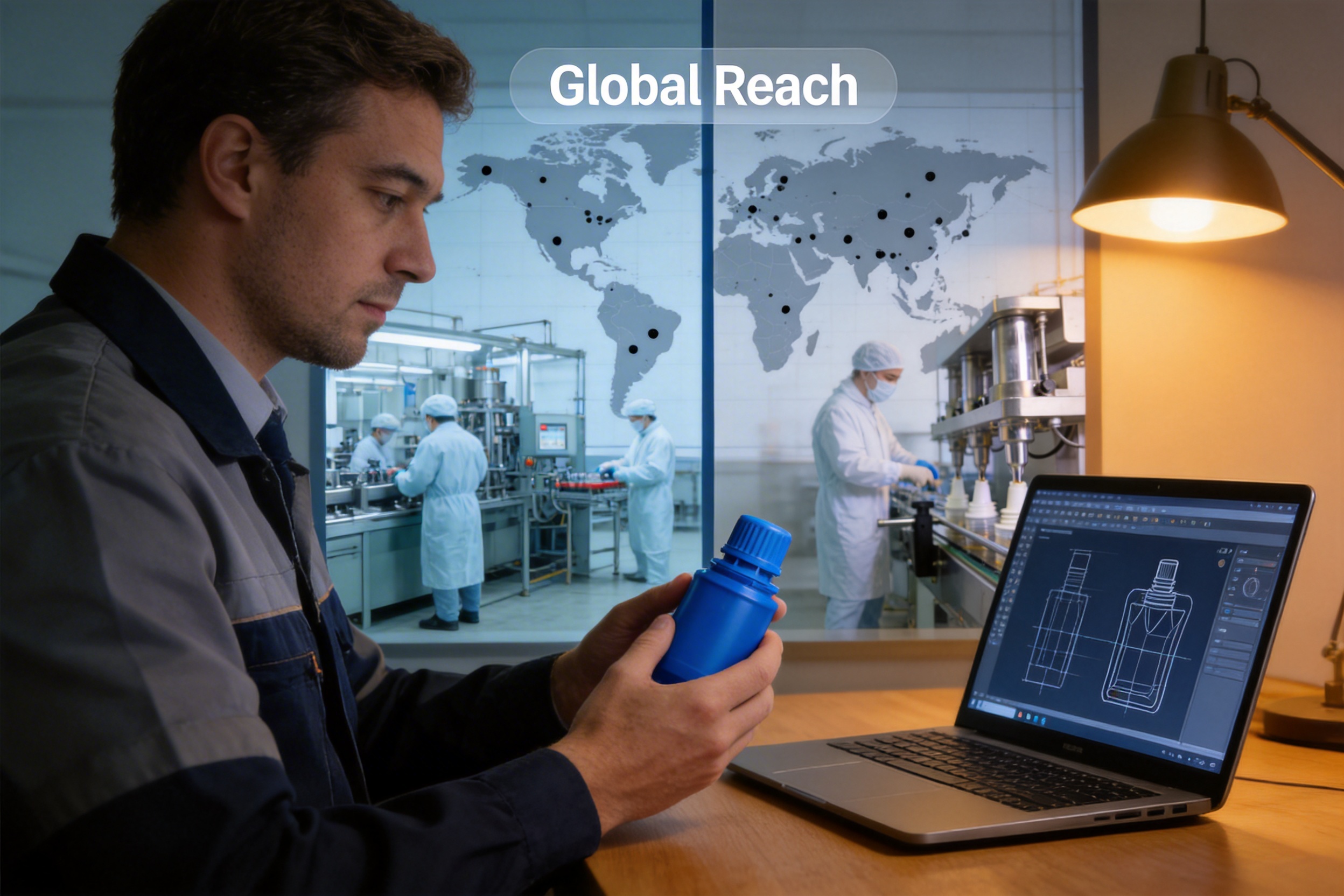
3. Global Reach and Local Support
The manufacturer has two manufacturing plants in China and branches in Europe, allowing it to serve customers in over 100 countries and regions. Local support teams provide technical assistance, training, and after-sales service—ensuring that customers can quickly resolve any issues. For example, a European customer can contact the local branch for immediate support, rather than waiting for a response from an overseas supplier.
4. Continuous R&D Innovation
The manufacturer invests 5% of its annual revenue in R&D, focusing on improving the 40# Spout’s performance and sustainability. Recent innovations include:
- A biodegradable HDPE variant of the spout (expected to launch in 2024) that maintains the same performance as the standard version.
- A smart spout with a built-in sensor that tracks product temperature and shelf life—ideal for pharmaceutical and food applications.
Case Study: 40# Spout in Real-World Applications
The 40# Spout has been adopted by leading manufacturers across industries, delivering measurable improvements in efficiency and cost savings.
1. Food & Beverage: Aseptic Juice Packaging
A major European juice manufacturer switched from Competitor A’s spout to the 40# Spout for its 10L aseptic juice bags. The results were:
- A 95% reduction in leak-related product loss (from 450 units/month to 22 units/month).
- A 12-month extension of product shelf life (from 6 months to 18 months) due to antimicrobial properties.
- A 15% reduction in inventory costs due to the spout’s compatibility with both juice and syrup bags.
The manufacturer also reported higher customer satisfaction, as the anti-drip mechanism reduced mess during dispensing. This success led the company to expand its use of the 40# Spout to its 20L non-aseptic syrup lines.
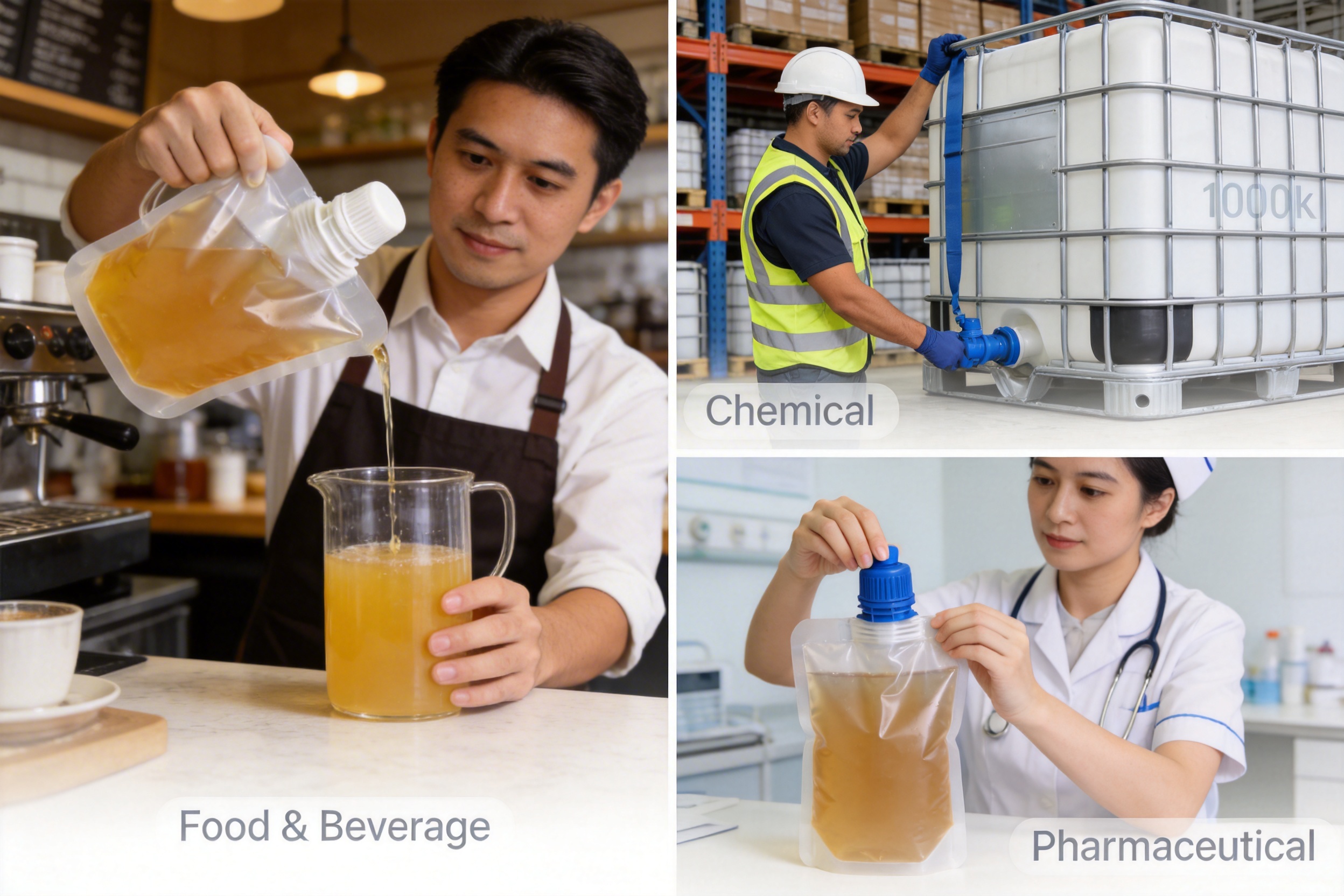
2. Chemical: Industrial Oil Packaging
A U.S.-based chemical company used the 40# Spout for its 1000L IBC liners containing industrial oils. The spout’s HDPE material resisted degradation from the oil’s solvents, while its leak-proof design prevented spills during transport. Key benefits included:
- Zero spill incidents over a 12-month period (vs. 15 spills with Competitor B’s PP spout).
- A 20% reduction in packaging costs due to the spout’s compatibility with thinner IBC liner films.
- Compliance with OSHA safety standards for chemical transport.
3. Pharmaceutical: Liquid Supplement Packaging
A Japanese pharmaceutical company adopted the 40# Spout for its 5L aseptic liquid supplement bags. The spout’s cleanroom production and antimicrobial properties ensured compliance with Japan’s Pharmaceutical Affairs Law, while its child-resistant cap met safety requirements for pediatric supplements. Benefits included:
- Zero contamination incidents during a 6-month audit by the Japanese Ministry of Health.
- A 10% reduction in production costs due to the spout’s compatibility with automated filling lines.
- Positive feedback from healthcare providers, who praised the spout’s ease of use.
Q&A Section
Q1: What makes the 40# Spout suitable for aseptic packaging?
A: The 40# Spout is manufactured in a GMP 100,000-level cleanroom, uses food-grade HDPE with antimicrobial additives, and undergoes rigorous sterilization (if required). It also complies with ISO 15759 and other global aseptic packaging standards, ensuring it maintains product sterility throughout the supply chain.
Q2: How does the 40# Spout contribute to sustainability?
A: The spout is made from 100% recyclable HDPE, uses renewable energy in production (carbon-neutral), and has an anti-drip mechanism that reduces product waste. It also eliminates the need for secondary packaging (e.g., plastic bags) to contain spills, further reducing plastic waste.
Q3: Can the 40# Spout be customized for specific applications?
A: Yes. Customizations include color, cap type (screw-top, flip-top, child-resistant), size (30mm–60mm), and printing (logos, barcodes). Lead times for custom orders are typically 7–10 days.
Q4: What quality control measures are in place for the 40# Spout?
A: Every batch undergoes 100% visual inspection, leak testing (2 bar for 24h), pressure resistance testing (3 bar), antimicrobial efficacy testing (99.9% reduction), and food contact safety testing. Results are documented and shared with customers.
Q5: How does the 40# Spout compare to metal spouts in terms of performance?
A: Metal spouts are heavier, more expensive, and prone to rusting. The 40# Spout is lighter (reducing transport costs), corrosion-resistant, and more cost-effective. It also has better leak-proof performance and is easier to recycle than metal.
Q6: What is the minimum order quantity (MOQ) for the 40# Spout?
A: The MOQ is 10,000 units for standard spouts. Custom orders have an MOQ of 5,000 units. Bulk orders (≥100,000 units) qualify for volume discounts.
Q7: Does the 40# Spout work with automated filling lines?
A: Yes. The spout’s uniform dimensions and heat-sealable flange make it compatible with most automated filling lines. The manufacturer also provides technical support to ensure seamless integration.
Q8: How long is the shelf life of the 40# Spout when stored properly?
A: When stored in a cool, dry place (15–25°C, 40–60% humidity), the 40# Spout has a shelf life of 2 years. It should be kept away from direct sunlight and extreme temperatures to prevent degradation.
References
1. European Aseptic Bag Manufacturers Association (EU ABMA). (2022). Guidelines for Aseptic Fitments: Design, Manufacturing, and Testing.
2. China National Standardization Administration. (2019). GB 18454-2019: Composite Bags for Aseptic Packaging of Liquid Foods.
3. International Organization for Standardization (ISO). (2018). ISO 15759: Flexible Packaging for Aseptic Filling of Liquid Food Products.
4. Statista. (2023). Global Liquid Packaging Market Size from 2020 to 2030.
5. Packaging Europe. (2023). Sustainability in Flexible Packaging: A Guide for Manufacturers.
6. U.S. Food and Drug Administration (FDA). (2021). 21 CFR Part 177: Indirect Food Additives: Polymers.
7. European Commission. (2011). Regulation (EU) No 10/2011 on Plastic Materials and Articles Intended to Come into Contact with Food.