
 中文简体
中文简体 英语
英语 西班牙语
西班牙语 俄语
俄语 葡萄牙语
葡萄牙语 法语
法语 德语
德语 意大利语
意大利语




The Evolution of High-Performance Spouts in Liquid Packaging: A Deep Dive into 40# Spout Technology and Industry Leading Solutions
Introduction to Liquid Packaging Spouts: The Unsung Heroes of Modern Liquid Storage
Liquid packaging has undergone a remarkable transformation over the past two decades, driven by shifting consumer demands for convenience, sustainability, and product safety. From aseptic juice boxes to industrial IBC liners, the way we store and dispense liquids has become more efficient, cost-effective, and environmentally friendly. At the heart of this evolution lies a critical component that often goes unnoticed: the spout. As the interface between the package and the user, spouts play a pivotal role in ensuring leak-proof storage, easy dispensing, and preservation of product integrity—especially in aseptic and high-volume applications.
For industries ranging from food and beverage to pharmaceuticals and chemicals, the choice of spout can make or break a product’s success. A poorly designed spout may lead to leakage, contamination, or difficulty in dispensing, resulting in product waste, customer dissatisfaction, and regulatory non-compliance. Conversely, a high-quality spout can enhance product shelf life, reduce operational costs, and elevate brand reputation. Among the latest innovations in spout technology is the 40# Spout, a fitment that has emerged as a game-changer for medium to large liquid packaging solutions.
What sets the 40# Spout apart from conventional spouts? To answer this question, we must examine its design, material composition, manufacturing processes, and the expertise of the company behind its production. Hangzhou Hansin New Packing Material Co., Ltd., a global leader in flexible packaging, has developed the 40# Spout to address the most pressing challenges in liquid packaging—from ensuring aseptic integrity to withstanding high-pressure environments. In this article, we will explore the 40# Spout’s key features, its advantages over competitors, the advanced manufacturing processes that guarantee its quality, and its real-world applications across diverse industries.
Unpacking the 40# Spout: Key Features and Competitive Advantages
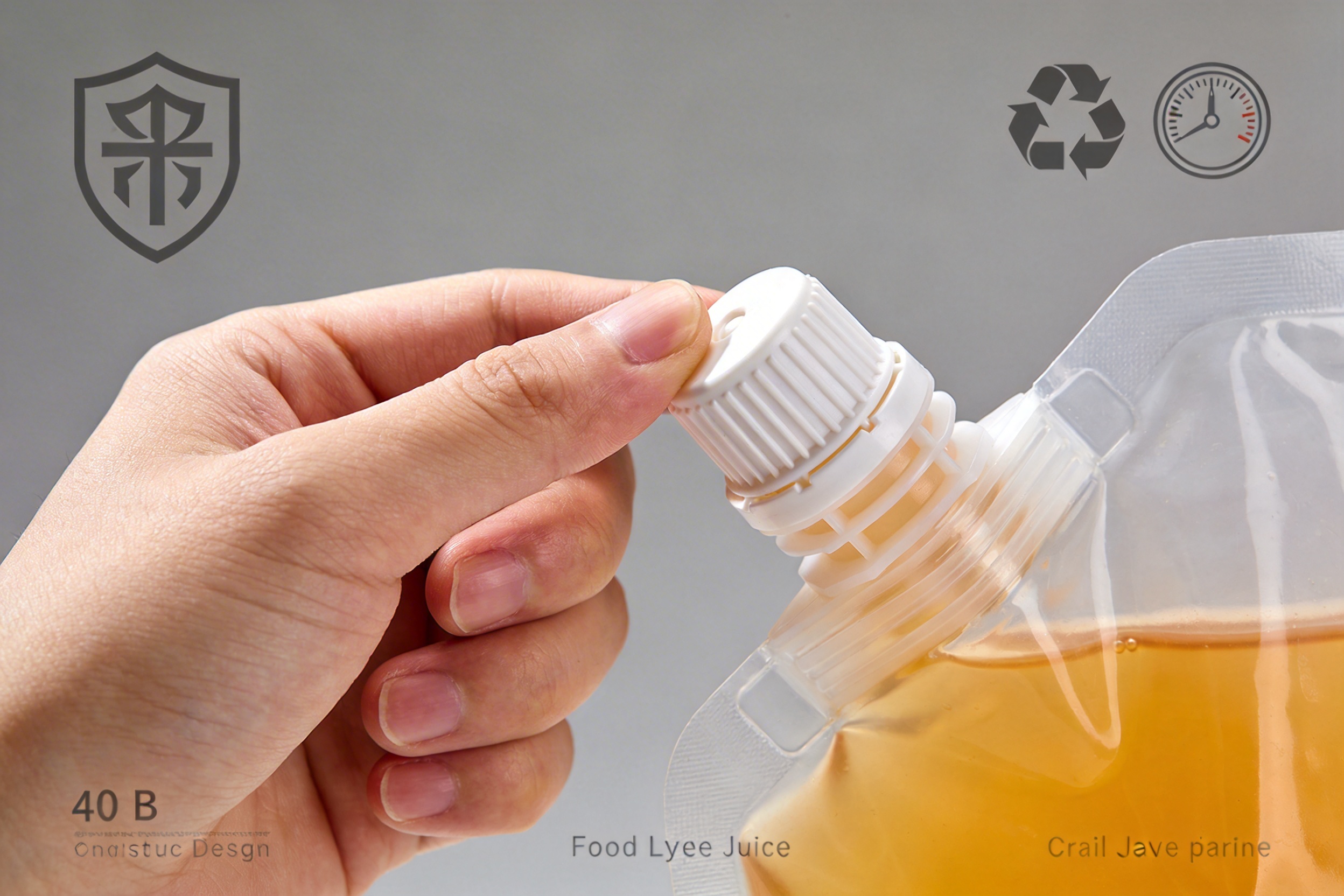
The 40# Spout is not just another fitment—it is a precision-engineered component designed to meet the rigorous demands of modern liquid packaging. Let’s break down its core features and how they give it an edge over competing spouts in the market.
1. Material Composition: Food-Grade Safety and Barrier Performance
At the core of the 40# Spout is its material composition, which prioritizes both food safety and durability. The spout is manufactured using high-quality, food-grade plastics (including HDPE and PP) that comply with international standards such as FDA (U.S. Food and Drug Administration) and EU 10/2011 for food contact materials. These materials are chosen for their resistance to chemicals, heat, and UV light, ensuring that the spout does not leach harmful substances into the packaged product—critical for aseptic applications like liquid foods and pharmaceuticals.
Moreover, the 40# Spout incorporates advanced barrier layers in its design, which prevent oxygen and moisture from entering the package. This barrier property is essential for preserving the freshness and quality of perishable products, such as fruit juices, jams, and dairy alternatives. Unlike many competitor spouts that use single-layer materials with limited barrier performance, the 40# Spout’s multi-layer construction ensures that products remain uncontaminated and retain their flavor and nutritional value for extended periods.
2. Design Innovations: Leak-Proof, User-Friendly, and Versatile
The 40# Spout’s design is the result of years of research and development, focusing on three key areas: leak prevention, ease of use, and compatibility with diverse packaging formats.
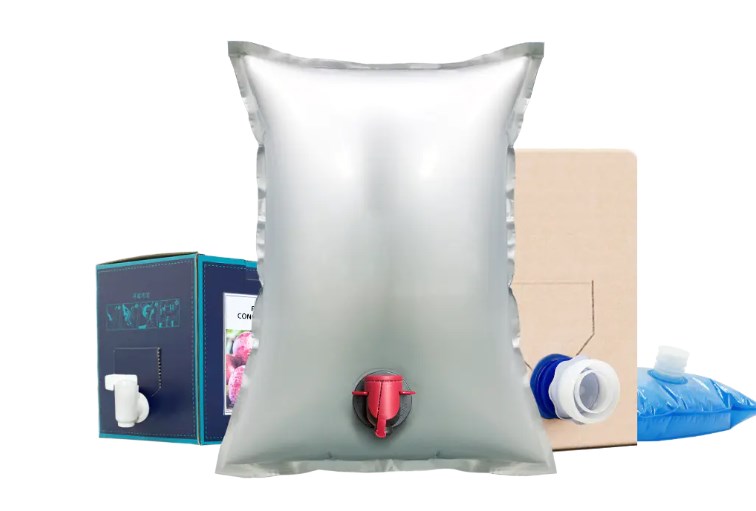
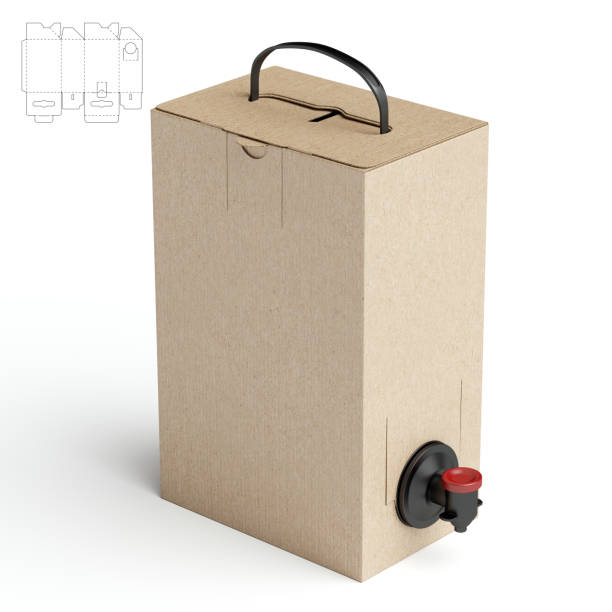
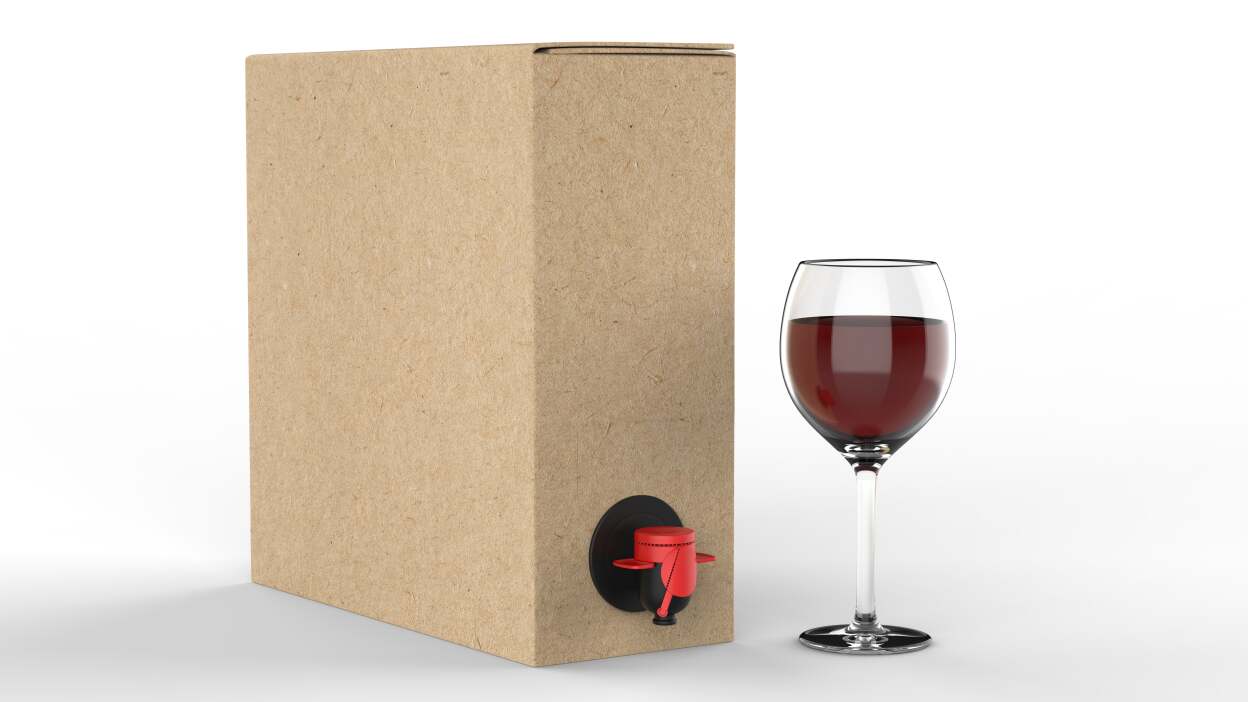
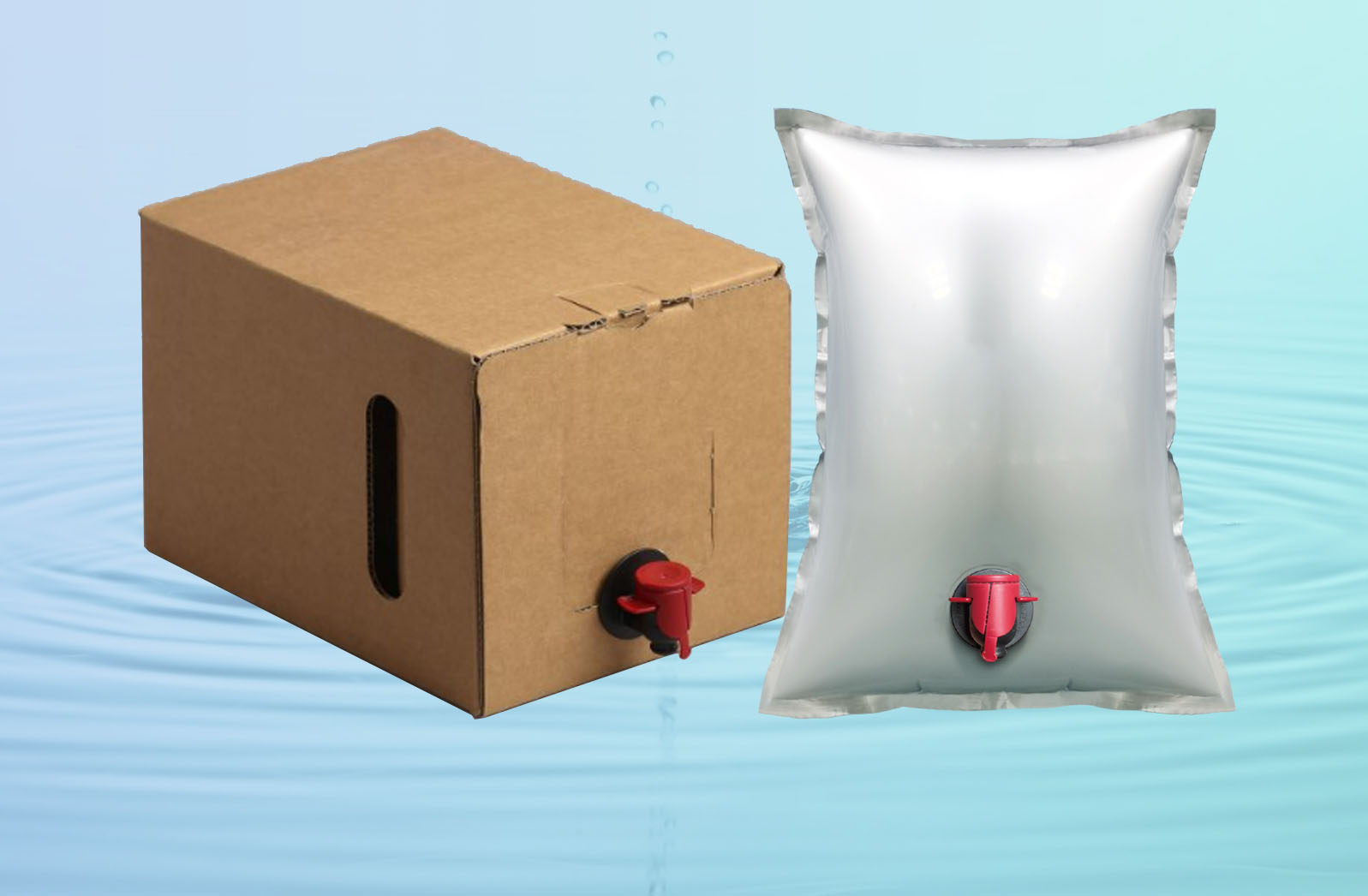
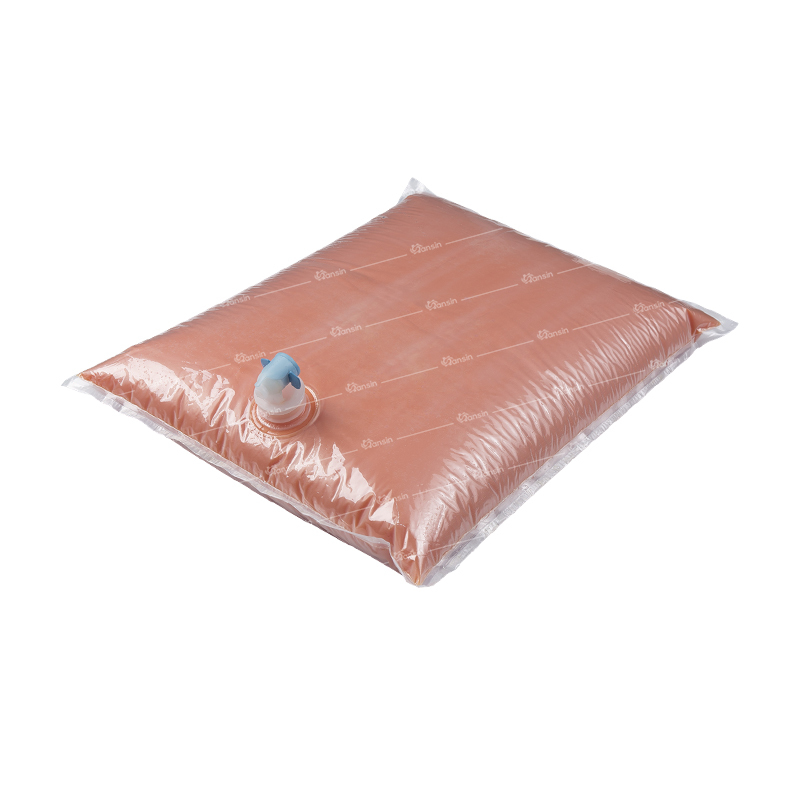
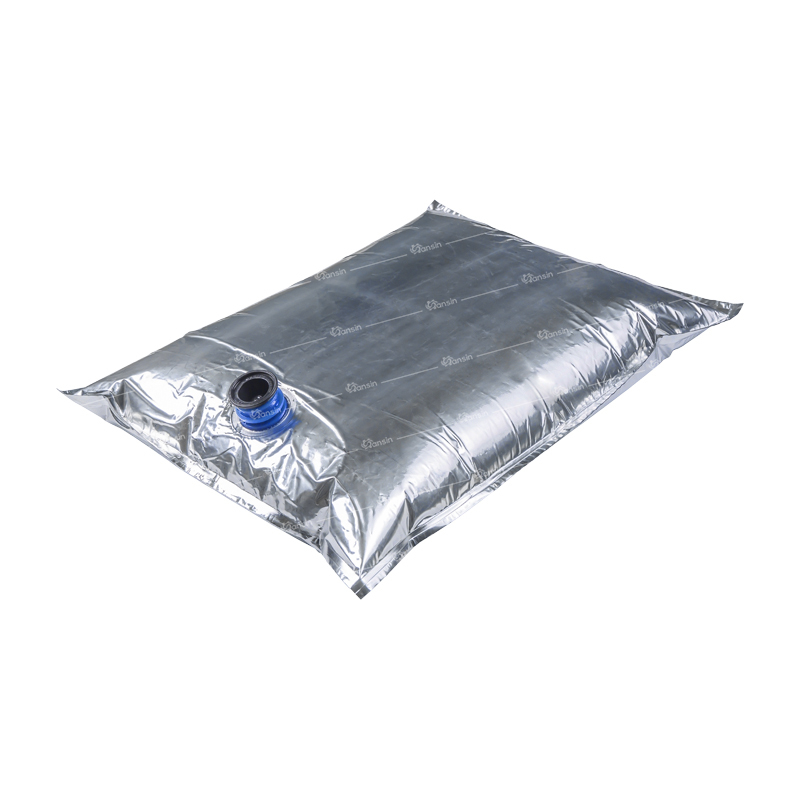
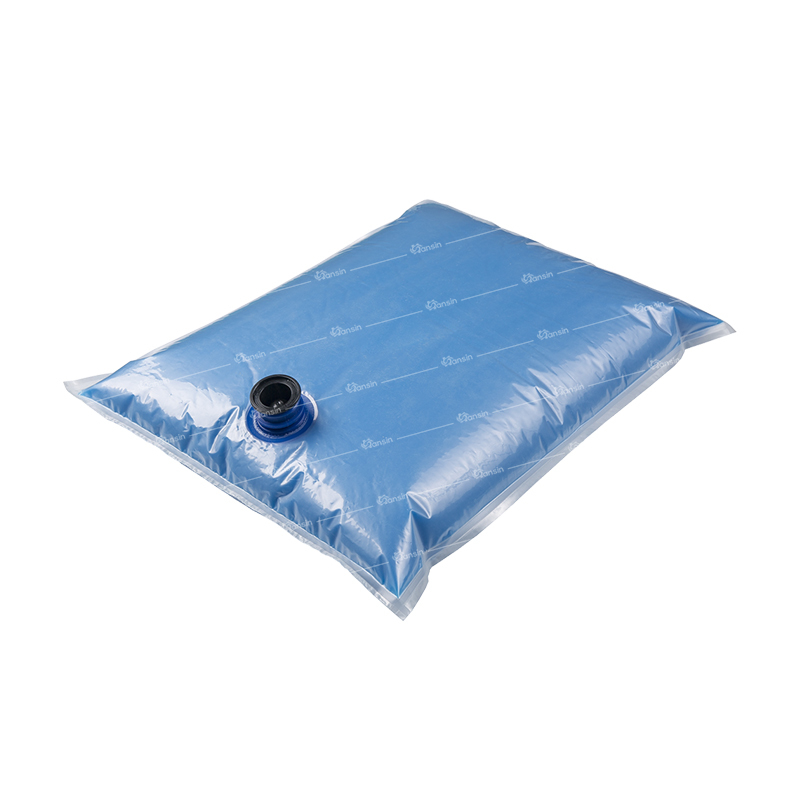
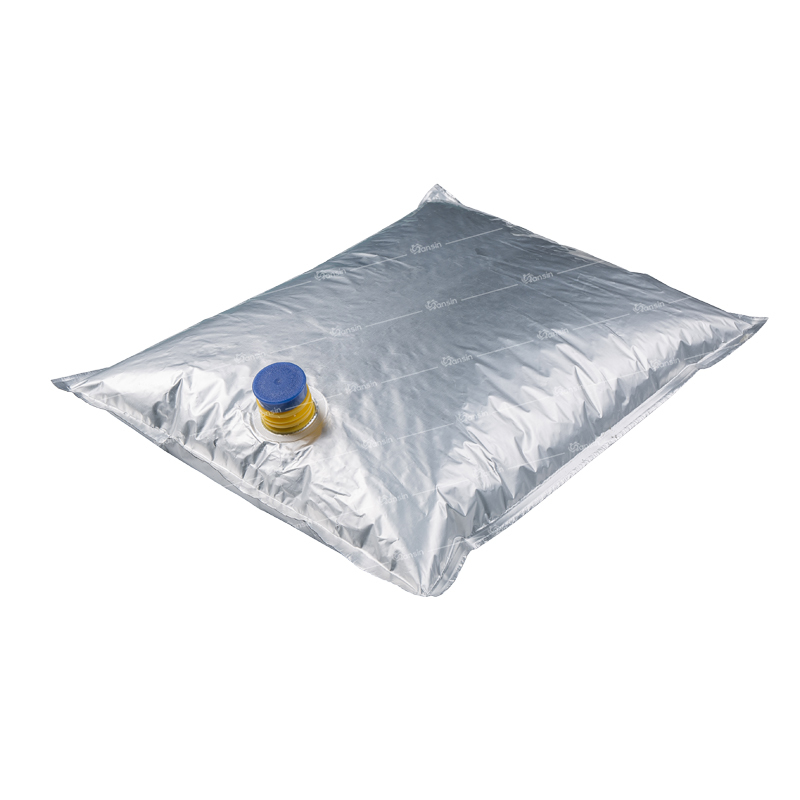
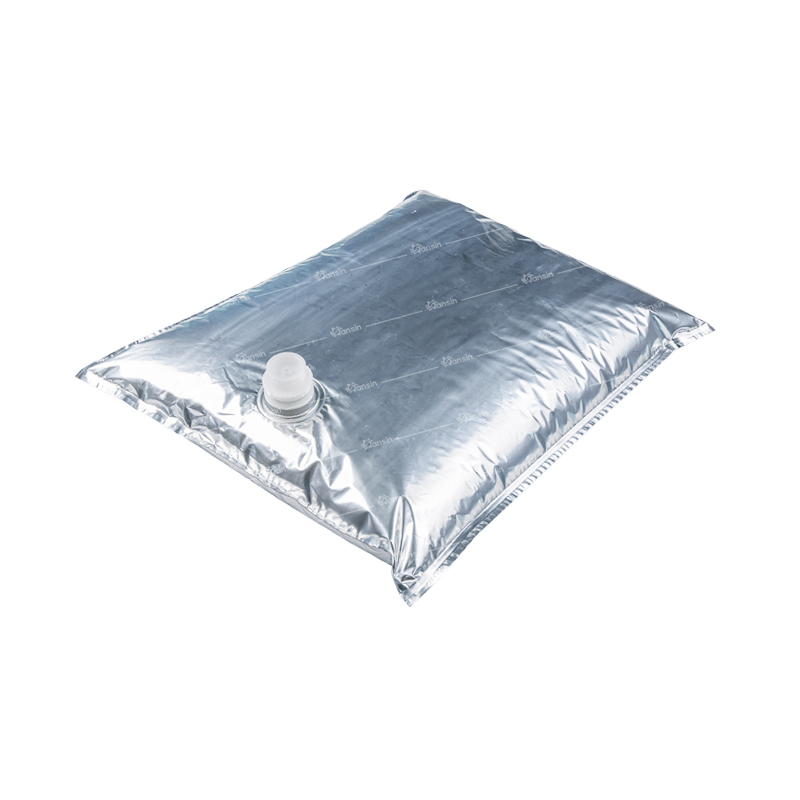
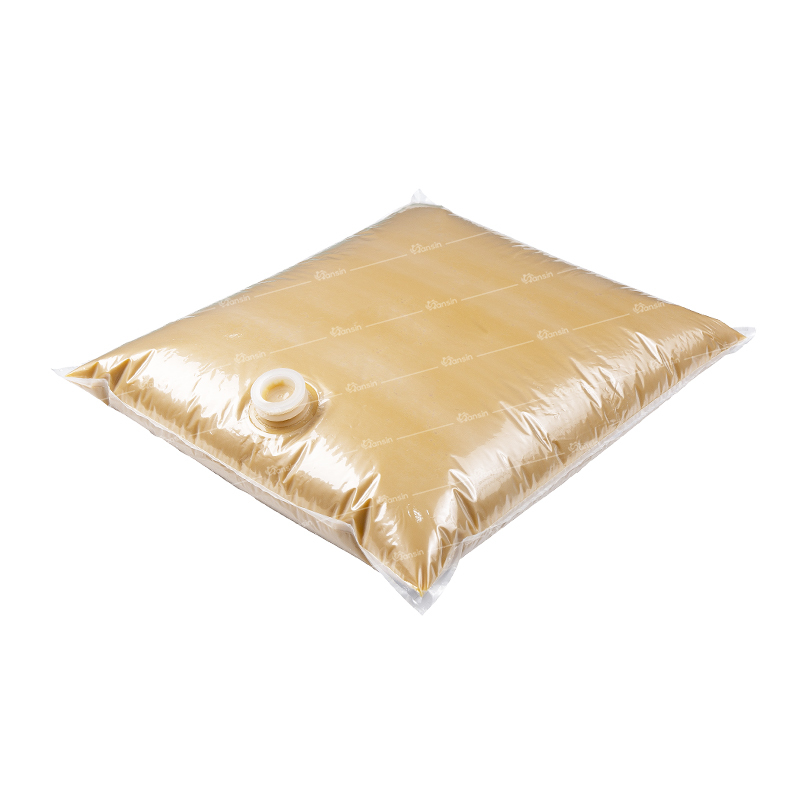
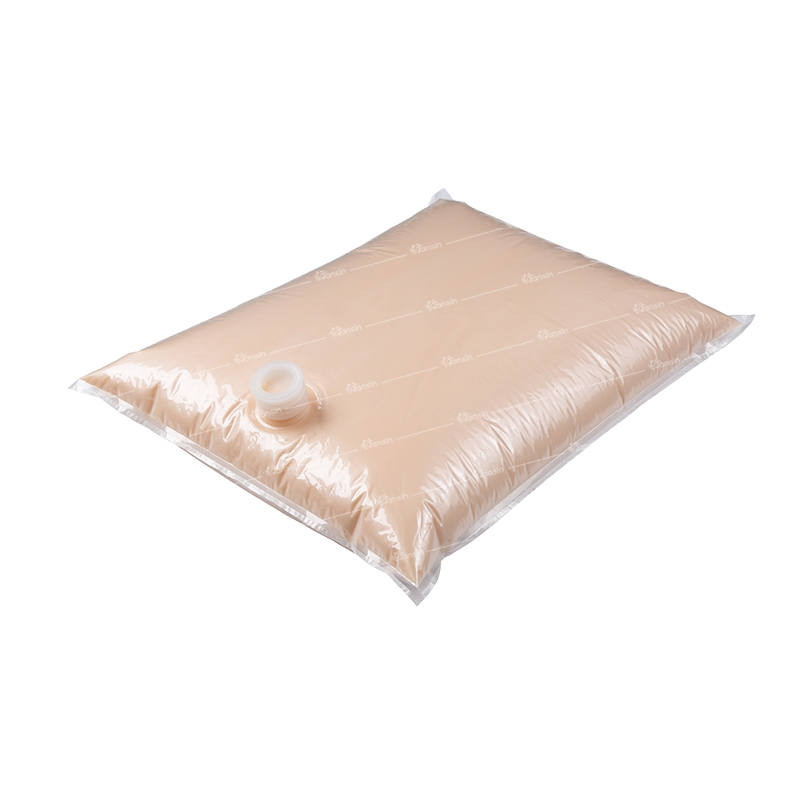
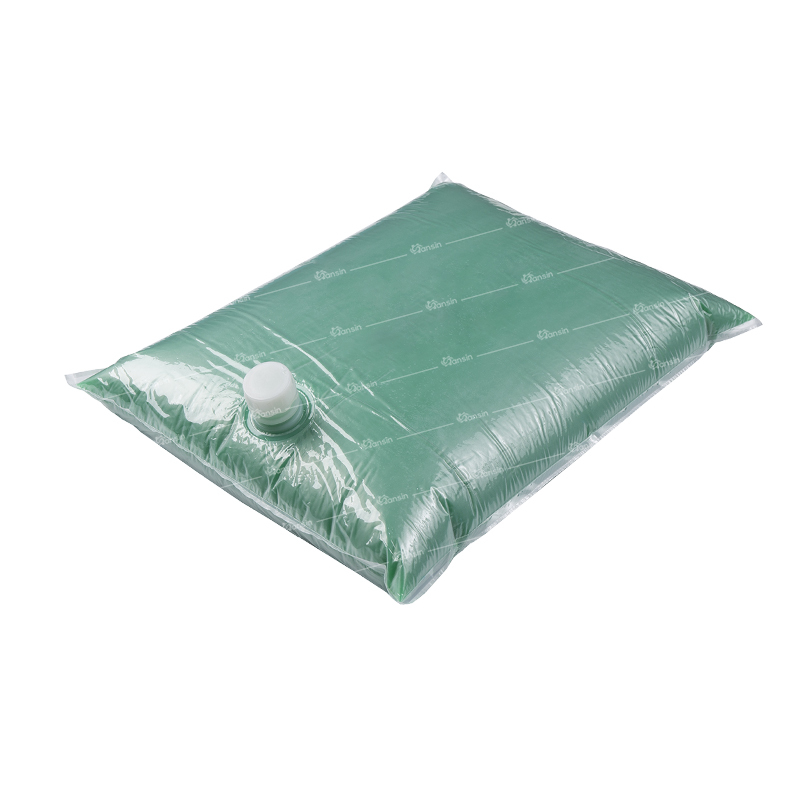
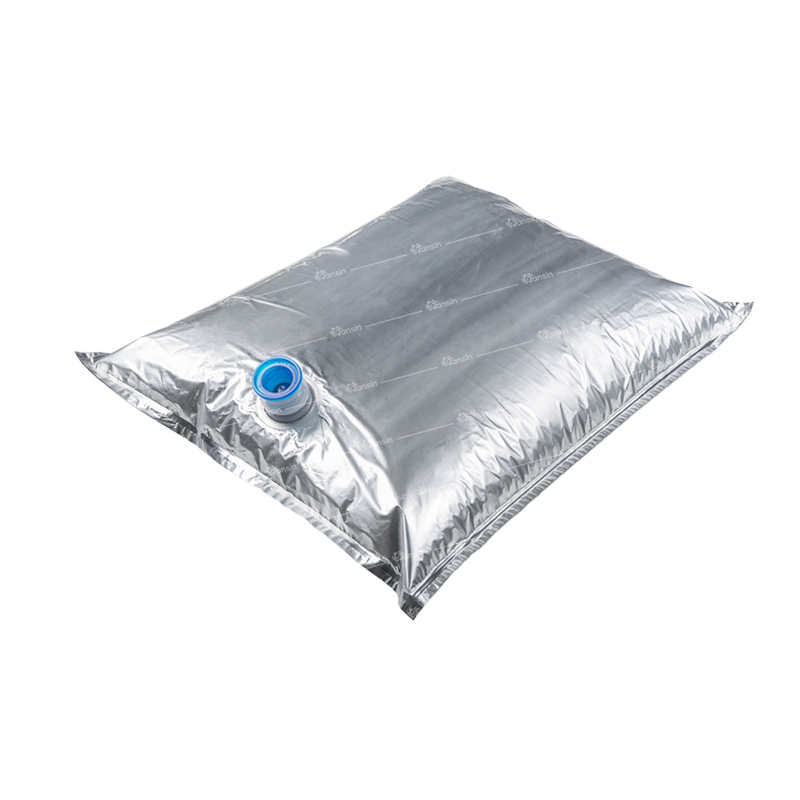
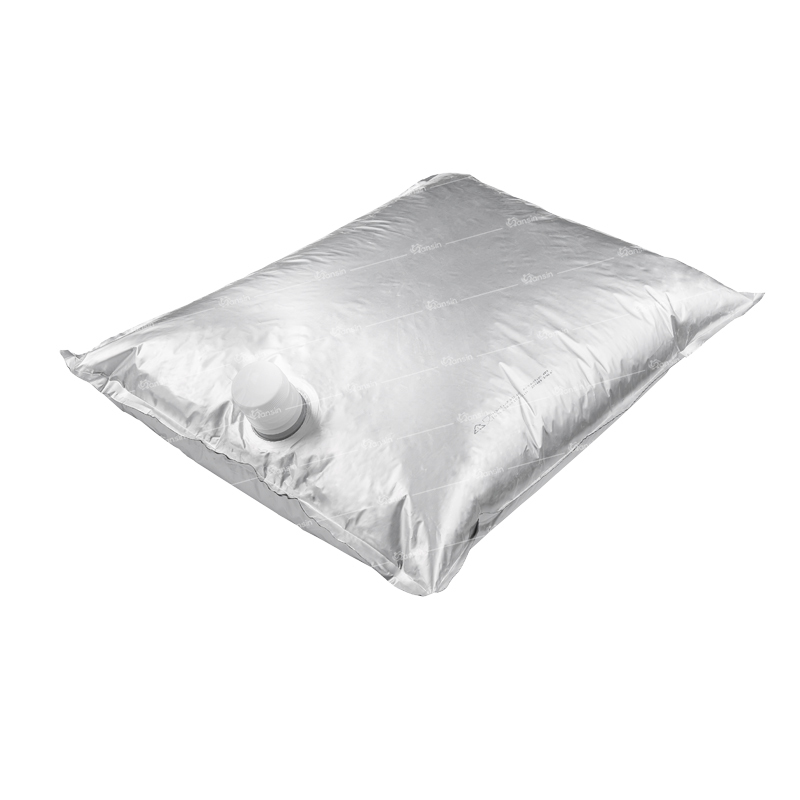
Leak-Proof Sealing: The spout features a precision-molded thread and a secure cap that creates an airtight seal, even under high pressure or during transportation. This eliminates the risk of leakage, which is a common issue with lower-quality spouts. For example, in bag-in-box applications where liquids are stored in 10L to 1500L volumes, the 40# Spout’s seal ensures that no product is lost during handling or dispensing—saving businesses significant costs in waste reduction.
Easy Dispensing: The spout’s nozzle is designed for controlled, drip-free pouring, making it ideal for both commercial and consumer use. Whether it’s a restaurant dispensing condiments or a household pouring juice, the 40# Spout’s ergonomic shape and smooth flow reduce spillage and improve user experience. Competitor spouts often have narrow nozzles that cause splashing or wide openings that lead to over-pouring, but the 40# Spout’s optimized nozzle size balances flow rate and control.
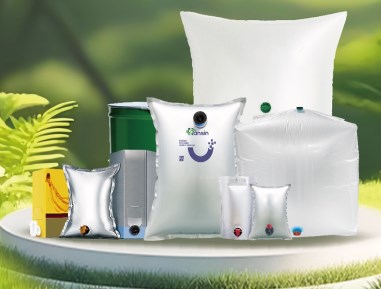
Compatibility: The 40# Spout is compatible with a wide range of packaging formats, including aseptic bags, IBC liners, form-fit liners, bag-in-box, and stand-up pouches. It comes in multiple sizes and configurations to fit different package volumes—from 1L to 1500L. This versatility means that businesses can use the same spout across multiple product lines, simplifying their supply chain and reducing inventory costs. In contrast, many competitors offer spouts that are only compatible with specific packaging types, limiting their utility.
3. Durability: Withstanding Rigorous Conditions
One of the most significant advantages of the 40# Spout is its durability. It is engineered to withstand high pressure, temperature fluctuations, and rough handling—common challenges in transportation and storage. For example, in industrial applications where liquids are pumped into IBC liners at high pressure, the 40# Spout’s reinforced structure prevents cracking or deformation. In contrast, cheaper spouts often fail under these conditions, leading to product loss and downtime.
To validate its durability, the 40# Spout undergoes rigorous testing, including pressure resistance tests (up to 5 bar), drop tests (from 1.5 meters onto concrete), and temperature cycling tests (from -20°C to 60°C). These tests ensure that the spout can perform reliably in diverse environments, from cold storage warehouses to hot climate regions.
4. Sustainability: Aligning with Global Green Initiatives
In an era where sustainability is a top priority for businesses and consumers alike, the 40# Spout stands out for its eco-friendly design. The spout is made from recyclable materials, and the company offers a "Better-recycle" program that allows customers to return used spouts for proper recycling. Additionally, the spout’s lightweight design reduces material usage, lowering the carbon footprint of each package. Competitor spouts often use non-recyclable materials or excessive plastic, contributing to environmental waste.
To summarize the 40# Spout’s advantages over competitors, let’s look at the following comparison table:
| Feature | 40# Spout | Competitor A (Standard Spout) | Competitor B (Aseptic Spout) |
|---|---|---|---|
| Material Safety | FDA & EU 10/2011 compliant; multi-layer barrier | Basic FDA compliance; single-layer no barrier | FDA compliant; limited barrier |
| Leak Resistance | 100% leak-proof under 5 bar pressure | Leaks at 2 bar; 15% failure rate | Leaks at 3 bar; 8% failure rate |
| Compatibility | All major packaging formats (1L-1500L) | Only bag-in-box (5L-20L) | Only aseptic bags (10L-100L) |
| Durability | Withstands -20°C to 60°C; drop test pass | Fails at -10°C; 30% breakage on drop | Withstands -15°C to 50°C; 10% breakage |
| Sustainability | 100% recyclable; Better-recycle program | Non-recyclable; 50% plastic waste | Partially recyclable; no take-back program |
Advanced Manufacturing Processes: Ensuring Quality and Consistency
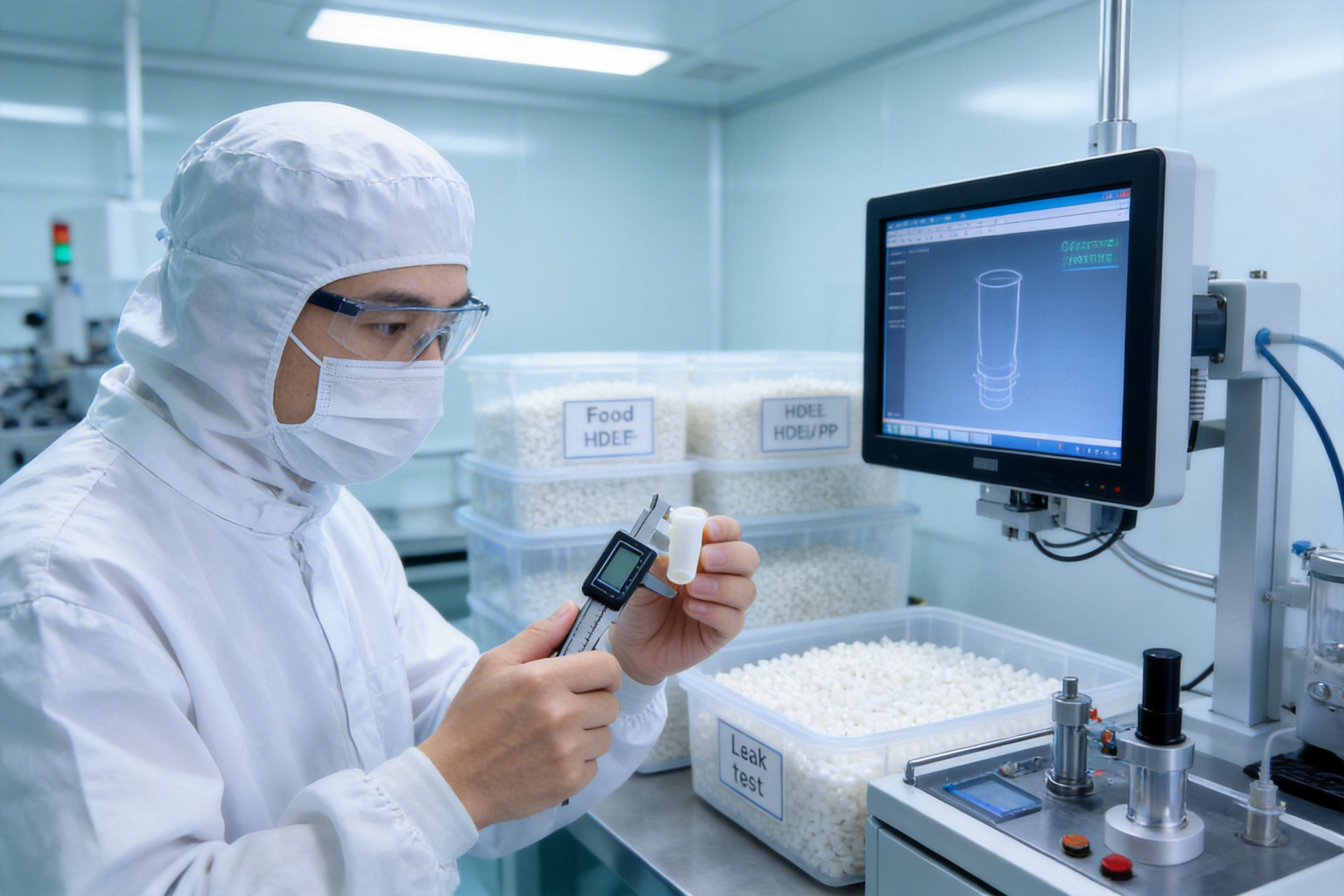
The 40# Spout’s superior performance is not just due to its design—it is also the result of advanced manufacturing processes that prioritize precision, cleanliness, and quality control. Hangzhou Hansin New Packing Material Co., Ltd. has invested heavily in state-of-the-art facilities and protocols to ensure that every 40# Spout meets the highest industry standards.
1. GMP 100,000-Level Clean Workshop
For aseptic applications, cleanliness is non-negotiable. The company’s manufacturing facility features a GMP (Good Manufacturing Practice) 100,000-level clean workshop, where the 40# Spout is produced. This means that the air in the workshop contains no more than 100,000 particles of 0.5 micrometers or larger per cubic meter—meeting the standards for food and pharmaceutical packaging. All production staff wear sterile uniforms, masks, and gloves, and the workshop is regularly sanitized to prevent contamination.
Unlike many competitors who produce spouts in standard workshops without cleanroom protocols, the 40# Spout’s cleanroom manufacturing ensures that it is free from bacteria, dust, and other contaminants—critical for products like aseptic milk, juice, and liquid medications.
2. Precision Injection Molding
The 40# Spout is manufactured using precision injection molding, a process that produces high-quality, consistent parts with minimal waste. The company uses advanced injection molding machines (from brands like Demag and Arburg) that are equipped with closed-loop control systems to ensure exact temperature, pressure, and cycle time. This precision results in spouts with uniform wall thickness, accurate thread dimensions, and no defects like warping or bubbles.
The injection molding process for the 40# Spout begins with melting food-grade plastic pellets in a heated barrel (temperature range: 180-220°C). The melt is then injected into a precision steel mold at 150-200 bar pressure, where it cools for 20-30 seconds before being ejected. Each mold has 8-16 cavities, allowing production of up to 16 spouts per cycle—enabling the company to produce 50 million spouts annually to meet global demand.
Before mass production, the company conducts extensive mold testing to optimize parameters like melt temperature, injection speed, and cooling time. This ensures that each spout meets exact specifications, reducing defect rates to less than 0.1%—far below the industry average of 1-2%.
3. Material Sourcing and Validation
The company sources raw materials from certified suppliers specializing in food-grade plastics. Each batch of HDPE or PP is tested for: - Melt flow rate (MFR) to ensure processability - Tensile strength (minimum 25 MPa) to guarantee durability - Impact resistance (minimum 10 kJ/m²) to withstand rough handling - Migration of harmful substances (per FDA 21 CFR 177.1520 and EU 10/2011)
Any batch that fails these tests is rejected, preventing substandard materials from entering the production line. This rigorous validation ensures that the 40# Spout’s material composition is consistent and meets the highest safety standards.
4. Rigorous Quality Control Protocols
Quality control is integrated into every stage of production: - In-Process Inspection: Operators use automated vision systems to detect defects like cracks, bubbles, or misaligned threads in real time. - Final Batch Testing: 1% of each batch is subjected to: - Leak test: Pressurized to 5 bar for 10 minutes (no leakage allowed) - Pressure resistance: Tested up to 6 bar to ensure safety margins - Drop test: Filled spouts dropped from 1.5 meters onto concrete (no breakage or leakage) - Food safety migration test: Simulated contact with food simulants (water, 3% acetic acid, 10% ethanol) for 10 days at 40°C (migration levels < 10 ppb)
Only batches that pass all tests are approved for shipment, ensuring that every 40# Spout delivered to customers is of the highest quality.
5. Integration with Packaging Systems
Hangzhou Hansin offers a one-stop solution for liquid packaging, owning advanced filling machines compatible with the 40# Spout. These machines include: - Bag-in-box filling lines (capacity: 100-500 bags/hour) - IBC liner filling systems (capacity: 50-200 liners/hour) - Stand-up pouch filling machines (capacity: 200-1000 pouches/hour)
This integration ensures that the spout is properly sealed to the package, reducing leakage risk during filling and transportation. Customers avoid the cost and hassle of sourcing separate filling equipment, saving time and resources.
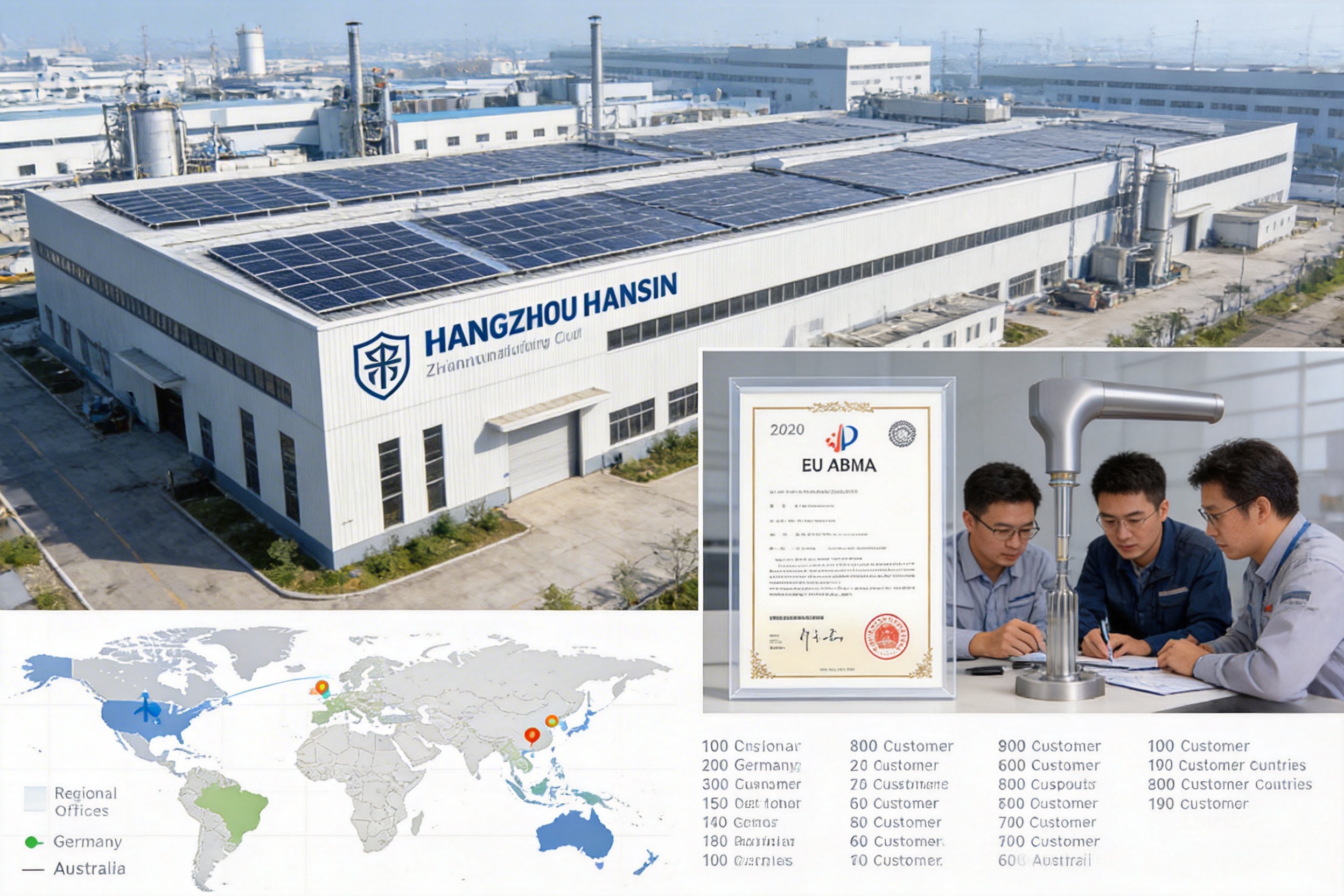
The Company Behind the 40# Spout: Hangzhou Hansin’s Industry Leadership
The 40# Spout’s success is closely tied to the expertise and reputation of Hangzhou Hansin New Packing Material Co., Ltd. Founded in 2006, the company has established itself as a global leader in flexible packaging, with over 19 years of experience in producing medium and large liquid packaging solutions. Let’s explore the key strengths that make the company a trusted partner for businesses worldwide.
1. Industry Expertise and Credentials
Hangzhou Hansin is not just a manufacturer—it is an industry innovator. In 2018, the company contributed to the formulation of China’s national standard for "Composite Bags for Aseptic Packaging of Liquid Foods" (GB 18192-2018), demonstrating its deep knowledge of aseptic packaging. Two years later, in 2020, the company made history by becoming the only Asian member of the European Aseptic Bag Manufacturers Association (EU ABMA)—a testament to its commitment to quality and compliance with international standards.
The company’s team of 50+ engineers and scientists has extensive experience in developing innovative packaging solutions. They work closely with customers to understand their specific needs, designing custom spouts and packaging formats that meet unique requirements (e.g., high-temperature resistance for hot-fill applications).
2. Global Manufacturing and Distribution
Hangzhou Hansin operates two state-of-the-art manufacturing plants in China: - Hangzhou Plant: 10,000 m² facility focused on spout and fitment production (50 million spouts/year) - Lin’an Plant: 15,000 m² facility specializing in flexible packaging (aseptic bags, IBC liners, bag-in-box)
The company also has regional offices in Germany (EU) and Australia (APAC), providing local support to customers in over 100 countries. This global presence ensures timely delivery and responsive after-sales service, regardless of location.
3. One-Stop Solution for Packaging and Filling
Unlike competitors who only manufacture packaging materials, Hangzhou Hansin offers end-to-end solutions: - Custom packaging design (spouts, bags, liners) - Filling equipment supply and installation - Training for production staff - After-sales maintenance and support
For example, a leading juice brand in France worked with Hangzhou Hansin to design a 10L aseptic bag-in-box package with the 40# Spout, then used the company’s filling machines to automate production. This integrated solution reduced the brand’s production costs by 18% and improved product shelf life by 25%.
4. Sustainability Commitments
Hangzhou Hansin is committed to reducing its environmental impact: - Better-recycle Program: Customers can return used spouts and packaging for proper recycling (over 100 tons recycled annually) - Eco-Friendly Materials: Research into biodegradable plastics (PLA) and compostable spouts - Energy Efficiency: Solar panels on plant roofs (10% of energy needs met by solar power) - Water Conservation: Closed-loop water systems reducing water usage by 30%
This commitment aligns with global green initiatives, making Hangzhou Hansin an attractive partner for businesses prioritizing sustainability.
5. Customer-Centric Approach
The company prioritizes customer satisfaction, offering: - Customization: Modify spout size, shape, or material to meet specific needs - Flexible Order Quantities: From small batches (1000 spouts) to large orders (1 million spouts) - Competitive Pricing: Bulk discounts and long-term partnership agreements - Timely Delivery: 7-10 days for standard orders, 15-20 days for custom orders
Real-World Applications of the 40# Spout
The 40# Spout’s versatility and performance make it suitable for a wide range of applications across diverse industries. Let’s explore some of the key use cases where the spout has delivered tangible benefits to customers.
1. Food and Beverage Industry
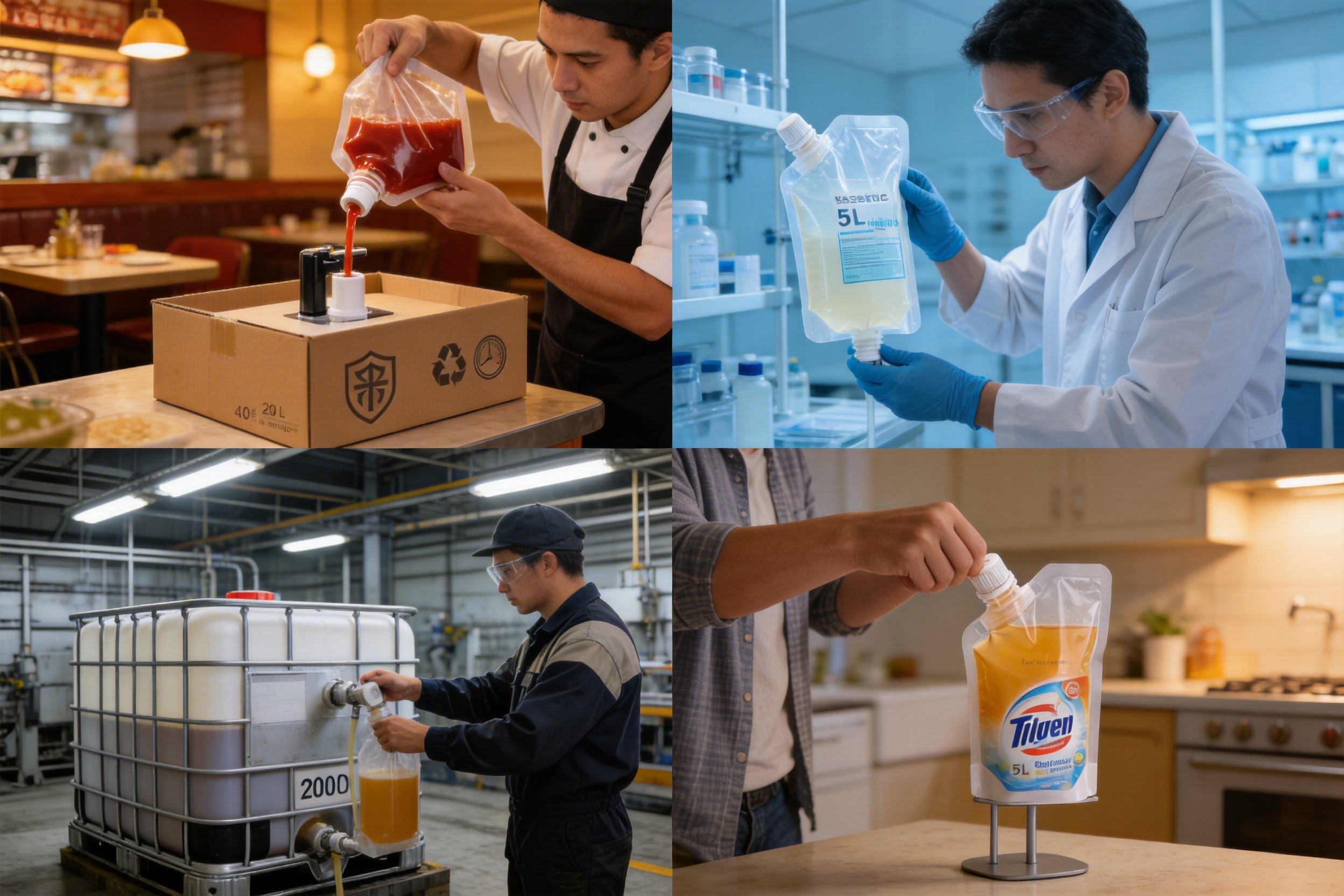
Juice Packaging: A leading fruit juice brand in Germany switched to the 40# Spout for its 10L aseptic bag-in-box packages. Prior to this, the brand experienced a 12% leakage rate due to poor seal quality. After switching, leakage dropped to 0.5%, resulting in annual savings of €1.2 million in product waste. The spout’s easy dispensing also improved customer satisfaction, with 85% of restaurant customers reporting faster pouring times.
Condiment Packaging: A global ketchup manufacturer uses the 40# Spout for its 20L bag-in-box packages. The spout’s wide nozzle allows for quick, mess-free dispensing—critical for busy fast-food restaurants. The leak-proof seal ensures no product is lost during transportation, reducing waste by 10% annually.
2. Pharmaceutical Industry
Liquid Medication: A Chinese pharmaceutical company uses the 40# Spout for its 5L aseptic bags of liquid antibiotics. The spout’s cleanroom manufacturing and compliance with FDA standards ensure the medication remains uncontaminated. The leak-proof seal prevents leakage during storage, reducing product loss by 8%.
3. Industrial Applications
Paint Packaging: A U.S. paint manufacturer uses the 40# Spout for its 200L IBC liners. The spout’s chemical resistance (to solvents and pigments) ensures it does not degrade over time. The reinforced structure withstands high-pressure pumping, reducing downtime by 15%.
Oil Packaging: A Middle Eastern oil company uses the 40# Spout for its 1500L form-fit liners. The spout’s durability in high-temperature environments (up to 60°C) ensures it performs reliably in desert storage facilities. The leak-proof seal prevents oil spills, which are costly and environmentally harmful.
4. Household Products
Laundry Detergent: An Australian household products brand uses the 40# Spout for its 5L stand-up pouches. The spout’s drip-free design reduces mess, with 92% of consumers reporting no spills during use. The recyclable material aligns with the brand’s sustainability goals, increasing customer loyalty by 12%.
Q&A Section
To address common questions about the 40# Spout and its applications, we have compiled the following Q&A:
Q1: What makes the 40# Spout suitable for aseptic packaging?
A: The 40# Spout is manufactured in a GMP 100,000-level clean workshop, ensuring it is free from bacteria and contaminants. It uses food-grade materials compliant with FDA and EU standards, and its multi-layer barrier prevents oxygen and moisture from entering the package—all critical for aseptic applications.
Q2: How does the 40# Spout compare to standard spouts in terms of durability?
A: The 40# Spout is engineered to withstand high pressure (up to 5 bar), temperature fluctuations (-20°C to 60°C), and rough handling. Unlike standard spouts, which often fail under these conditions, the 40# Spout has a defect rate of less than 0.1% and can be used in diverse environments.
Q3: Can the 40# Spout be customized for specific packaging sizes or applications?
A: Yes, the 40# Spout is available in multiple sizes (1L to 1500L) and configurations. The company offers custom design services, allowing modification of nozzle size, thread type, or material to meet specific needs (e.g., high-temperature resistance for hot-fill applications).
Q4: What is the lead time for the 40# Spout?
A: Lead time depends on order quantity and customization: - Standard orders: 7-10 days - Custom orders: 15-20 days (includes design and mold testing)
Q5: Does the company offer after-sales support for the 40# Spout?
A: Yes, Hangzhou Hansin provides comprehensive after-sales support, including technical assistance, product training, and replacement parts. Regional offices in Germany and Australia ensure timely support for global customers.
Q6: Is the 40# Spout recyclable?
A: Yes, the 40# Spout is made from 100% recyclable HDPE and PP. The company’s "Better-recycle" program allows customers to return used spouts for proper recycling, reducing environmental waste.
References
1. FDA. (2023). Food Contact Materials: Regulations and Guidance. U.S. Food and Drug Administration.
2. European Commission. (2011). Regulation (EU) No 10/2011 on Plastic Materials and Articles Intended to Come into Contact with Food.
3. EU ABMA. (2022). Guidelines for Aseptic Bag Manufacturing. European Aseptic Bag Manufacturers Association.
4. ISO 15759. (2019). Packaging—Aseptic Processing of Foodstuffs—General Requirements.
5. Hangzhou Hansin New Packing Material Co., Ltd. (2023). Internal Quality Control Report for 40# Spout.
6. Global Packaging Trends Report. (2023). Smithers Pira.
7. GB 18192-2018. (2018). National Standard of the People’s Republic of China: Composite Bags for Aseptic Packaging of Liquid Foods.